

Ever wondered how long it takes for those vibrant beets to grow in your garden? Picture this: you eagerly plant the seeds, envisioning the colorful harvest ahead, but the waiting game begins. Patience is key, but wouldn’t it be great to know exactly how long it’ll be before you can enjoy those fresh beets on your plate?
The Growth Stages of Beets
When planting beets in your garden, it’s essential to understand the various growth stages to ensure a successful harvest. Here’s a breakdown of what you can expect:
- Germination: Beets typically germinate in 5 to 8 days after planting the seeds. You’ll start to see tiny green shoots emerging from the soil.
- Seedling Stage: In about 2 to 3 weeks, the beet seedlings will develop their first true leaves. This stage is crucial for establishing strong roots.
- Vegetative Growth: Over the next 4 to 6 weeks, the beets will focus on leaf development while the roots continue to grow beneath the soil.
- Root Bulking: Around 6 to 8 weeks after planting, the beets will shift their energy towards bulking up the roots, preparing them for harvest.
- Maturation: Finally, at around 8 to 10 weeks, the beets will reach maturity. You can now start harvesting them for fresh, delicious additions to your meals.
| Growth Stage | Timeline |
|---|---|
| Germination | 5-8 days |
| Seedling Stage | 2-3 weeks |
| Vegetative Growth | 4-6 weeks |
| Root Bulking | 6-8 weeks |
| Maturation | 8-10 weeks |
Factors Affecting Beet Growth Time
When it comes to understanding how long it takes for beets to grow, there are several key factors that can influence the growth time. Being aware of these elements can help you better manage your garden and optimize the growth of your beets.
- Temperature: Warmer temperatures can speed up beet growth, while colder temperatures can slow it down. Ideally, beets thrive in soil temperatures between 50°F to 85°F.
- Soil Quality: The quality of the soil plays a crucial role in beet growth. Well-draining soil that is rich in organic matter can promote healthy root development and faster growth.
- Moisture Levels: Beets require consistent moisture to grow properly. Inconsistent watering can result in stunted growth or irregularly shaped beets.
- Spacing: Proper spacing between beet plants is essential for adequate air circulation and nutrient absorption. Overcrowding can hinder growth and lead to smaller beets.
- Sunlight Exposure: Beets thrive in full sun, so ensure they receive at least 6 to 8 hours of sunlight daily for optimal growth.
- Variety: Different beet varieties have varying growth times. Some beets can mature in as little as 45 days, while others may take up to 70 days.
Understanding these factors and how they influence beet growth can help you create an optimal environment for your beets to thrive.
Recommended Products

Miracle-Gro Indoor Potting Mix for Seed Starting grows stronger roots for seeding success (vs unfed when used as directed)

Includes Back to the Roots Compressed Seed Starting Potting Mix that expands to 12qt of soil. A balanced pH, which means it’s truly all-purpose. Use alone or as an amendment for anything in a pot or in the ground — vegetables, flowers, herbs, and even starting seeds.

CONTAINS: This organic Seed Stating soil mix is a rich blend of sphagnum peat moss & perlite with yucca extract and lime to ensure correct pH.
Average Time for Beets to Reach Maturity
When planting beets, Average Time for Beets to Reach Maturity can vary depending on several factors.
- Early Varieties: Beets like ‘Early Wonder’ can reach maturity in about 45-50 days.
- Maincrop Varieties: Standard beets usually take 55-70 days to mature.
- Growing Conditions: Adequate sunlight, moist but well-draining soil, and suitable temperatures can accelerate growth.
- Planting Time: Sowing beets in early spring or late summer can help them mature faster.
- Thinning: To speed up growth, thin out seedlings about 3-4 inches apart once they’ve germinated.
By understanding these factors, you can gauge the approximate time it will take for your beets to reach maturity and plan your garden accordingly.
Recommended Products

EASIER SEED STARTING: Our Burpee SuperSeed tray with 8 extra-large flexible pop-out cells is designed to simplify indoor seed starting. Just add seed starting mix, seeds, water and light to get growing! Perfectly sized for starting seeds in the windowsill: 11.5" x 5-3/16" x 2-1/4". Rows are labeled alphanumerically for seedling identification with included Plant-o-Gram diagram.

Vegetable seeds variety pack: Grow 35 varieties of leafy greens, root vegetables, tomatoes, peppers, beans, peas, squash, melons, and more. Includes 16,000+ vegetable seeds for planting outdoors in raised beds, garden rows, or containers.

Graphene Seed Heat Mat for Faster Germination: Compared to traditional electric heating mats, our graphene heat mat heats up faster and more evenly, with a built-in timer for convenience. It creates the ideal environment for indoor seed starting trays, greenhouse seed germination, and hydroponic plant propagation. Designed for indoor gardening, this waterproof and reusable heat mat accelerates growth and improves seedling survival rates.
Tips for Growing Beets Faster
When aiming to speed up the growth of your beets, there are a few key strategies you can implement:
- Optimal Spacing: Plant beet seeds 1-2 inches apart to provide adequate room for each plant to grow.
- Consistent Watering: Ensure your beets receive about 1 inch of water per week, keeping the soil consistently moist but not waterlogged.
- Rich Soil: Use well-draining, loamy soil rich in organic matter to support healthy beet growth.
- Sunlight Exposure: Place your beet plants in an area that receives full sun for at least 6-8 hours daily.
- Timely Thinning: Thin out seedlings to 3-4 inches apart once they reach a couple of inches tall, allowing remaining plants more space to thrive.
- Fertilization: Consider applying a balanced fertilizer to provide necessary nutrients for beet development.
- Mulching: Apply a layer of mulch to help retain soil moisture and regulate temperature for optimal beet growth.
By incorporating these tips into your beet-growing routine, you can encourage faster and healthier growth for a bountiful harvest.
Recommended Products

Vibrant Color Fusion: A stunning mix of rainbow beetroots, blending deep reds, golden yellows, and earthy whites for a visually striking dish or juice.
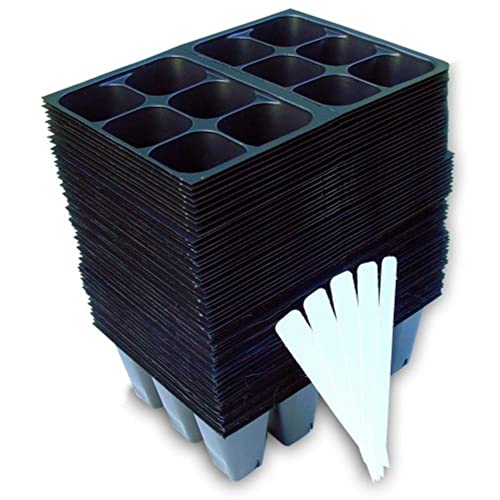
Drainage Holes: Each cell has drain holes at the bottom for proper water drainage.

QUALITY - All seeds packaged by Seed Needs are intended for the current and the following growing seasons. All seeds are stored in a temperature controlled facility that is free of significant amounts of moisture.
Conclusion
You now have a deeper understanding of the various factors influencing the growth of beets in your garden. By considering elements like temperature, soil quality, moisture levels, spacing, sunlight exposure, and beet variety, you can optimize the growth process. Remember that early varieties like ‘Early Wonder’ can be ready in just 45-50 days, while standard beets may take 55-70 days. Implementing strategies such as ideal spacing, consistent watering, rich soil, timely thinning, fertilization, and mulching can help accelerate beet growth. With these insights and tips at your disposal, you’re well-equipped to cultivate a thriving beet harvest in your own garden. Happy gardening!
Frequently Asked Questions
How long does it take for beets to grow?
Beets can take around 45-70 days to grow, depending on the variety. Early varieties like ‘Early Wonder’ mature in about 45-50 days, while standard beets typically take 55-70 days.
What factors affect beet growth time?
Temperature, soil quality, moisture levels, spacing, sunlight exposure, and beet variety all impact the time it takes for beets to grow. Providing optimal growing conditions can help accelerate beet growth.
How can I speed up beet growth in my garden?
To encourage faster beet growth, ensure optimal spacing, consistent watering, rich soil, sunlight exposure, timely thinning, fertilization, and mulching. Implementing these practices can promote quicker and healthier beet development.
