

Ever wondered why your beet seeds are taking so long to sprout? Picture this: you excitedly plant your beet seeds, eagerly waiting for those vibrant greens to emerge, but days go by, and nothing happens. Frustrating, right? You’re not alone in this dilemma.
Factors Affecting Beet Seed Germination
When wondering how long does it take beets to germinate, it’s crucial to consider the various factors that can impact this process. Here are some key elements that influence beet seed germination:
- Soil Temperature: Beets prefer soil temperatures between 50-85°F for optimal germination. Cooler temperatures can slow down the process, while temperatures above 85°F may hinder germination.
- Moisture Levels: Adequate moisture is essential for beet seeds to germinate. However, ensure that the soil is not waterlogged, as this can lead to rotting instead of germination.
- Depth of Planting: Plant beet seeds at the recommended depth of 1/2 inch to 1 inch for best results. Planting too shallow or too deep can affect germination rates.
- Light Exposure: Unlike some seeds, beet seeds don’t require light to germinate. In fact, they germinate best in dark or shaded conditions.
- Seed Quality: Using high-quality seeds is crucial for successful germination. Ensure you’re purchasing seeds from a reputable source for the best chances of sprouting.
Recommended Products
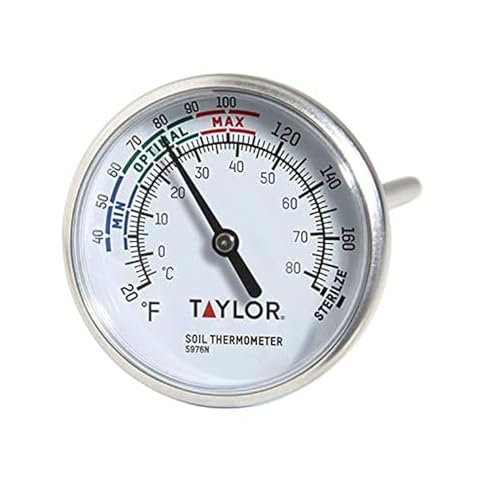
PRECISE SOIL TEMPERATURE READINGS: Measures soil temperatures from 20 degrees F to 180 degrees F (0 degrees C to 80 degrees C) with a large, easy-to-read analog dial face - no batteries or digital screens needed for reliable results every time
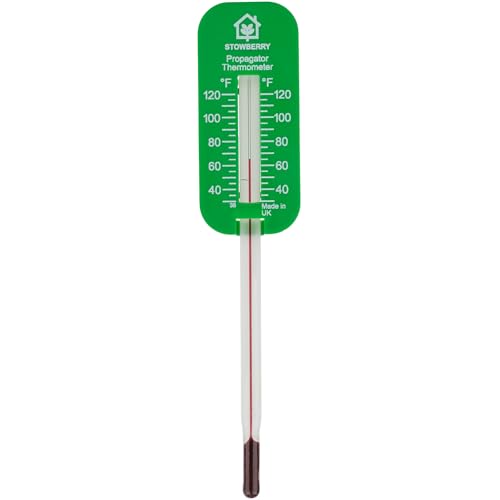
ACCURATE SOIL TEMPERATURE READINGS – Ensure the perfect growing environment for seeds and plants with this greenhouse soil thermometer, designed to give reliable and precise temperature measurements.

Easy-to-read green, yellow, and red tick marks for easy monitoring
Ideal Conditions for Beet Germination
Creating ideal conditions is crucial for successful beet germination. Here’s what you need to ensure optimal growth:
- Soil Temperature:
- Keep the soil temperature between 50°F to 85°F for best results.
- Moisture Levels:
- Maintain consistent moisture without overwatering to aid germination.
- Depth of Planting:
- Plant seeds at a depth of 1/2 inch to 1 inch for proper growth.
- Light Exposure:
- Beets don’t require light for germination, so darkness is key.
- Seed Quality:
- Source high-quality seeds from reputable suppliers for better germination rates.
Ensuring these ideal conditions will significantly boost your chances of successful beet germination.
Recommended Products

Function: The loose-fit lid creates a stable, humid environment that promotes fast germination.Easy to open, inspect, and reuse.Reusable seed germination tool

A Smarter Way to Germinate: This soil-free germination kit features a built-in water reservoir that maintains optimal humidity while keeping the seed surfaces clean and dry. It’s perfect for use on your countertop—neat, tidy, and space-saving.

Set includes 43 lightly assorted Vegetable and Herb seeds!
Signs of Germination in Beets
When checking for signs of germination in your beet seeds, it’s essential to know what to look for:
- Emergence: Beet seedlings typically emerge from the soil within 5 to 10 days after planting.
- Cotyledons: The first leaves to appear are the cotyledons, which are round and do not resemble the typical beet leaves.
- True Leaves: After the cotyledons, the true leaves will start to grow. These leaves should start showing within 10 to 14 days after planting.
- Color: Healthy beet seedlings should have a vibrant green color. If they appear pale or yellowish, they might be lacking nutrients.
- Size: As they grow, the seedlings should become larger and more developed. If you notice stunted growth, it could be a sign of underlying issues.
Monitoring these signs will help you track the progress of your beet germination process effectively.
Troubleshooting Slow Germination
If beet seeds are taking longer than expected to germinate, there are a few troubleshooting steps you can take to promote the germination process:
- Check Soil Temperature: Ensure the soil temperature is optimal for germination, which is typically between 50-85°F.
- Moisture Levels: Make sure the soil is consistently moist but not waterlogged, as excess water can hinder germination.
- Depth of Planting: Check that the seeds are not planted too deep; shallow planting is usually ideal for beet seeds.
- Light Exposure: Beets prefer full sun but can also tolerate partial shade; ensure they are getting adequate light.
- Seed Quality: Poor germination could be due to old or low-quality seeds, so always use fresh, high-quality beet seeds.
- Patience: Keep in mind that beet germination can be slower under certain conditions, so exercise patience before taking further action.
By addressing these potential issues, you can help facilitate the germination process and set the stage for healthy growth.
Recommended Products

IDEAL GERMINATION TEMPERATURE: The BN-LINK seedling heat mats for seed starting helps maintain temperatures around 70°F to 85°F, the optimal range for seed germination, cutting propagation, and healthy seedling growth. Achieve faster germination and higher growth rates with seed heating mat.

Reliable Results: The VIVOSUN professional heat mat maintains optimal temperatures around 68-86℉ (20-30℃), perfect for Seedling start and cutting propagation; Made from durable PVC material, it's designed to last

Reliable Results: The VIVOSUN professional heat mat maintains optimal temperatures around 68-86℉ (20-30℃), perfect for Seedling start and cutting propagation; Made from durable PVC material, it's designed to last
Key Beet Germination Facts
| Emerging Time | Cotyledons to True Leaves | Optimal Soil Temperature | Light Exposure |
|---|---|---|---|
| 5-10 days | 10-14 days | 50-85°F | Full sun or partial shade |
Monitoring these key indicators and being proactive in troubleshooting any challenges can lead to successful beet germination.
Conclusion
Ensuring optimal conditions for beet germination is key to successful seedling growth. By monitoring factors like soil temperature, moisture levels, planting depth, light exposure, and seed quality, you can promote a healthy germination process. Remember to be patient and attentive to the indicators of emerging time, leaf transition, soil temperature, and light exposure. By troubleshooting any slow germination issues promptly, you set the stage for robust beet seedlings. Happy gardening!
Frequently Asked Questions
How do I troubleshoot slow germination in beets?
To troubleshoot slow germination in beets, ensure correct soil temperature, maintain proper moisture levels, plant at the right depth, provide enough light, use quality seeds, and be patient.
What key indicators should I monitor for successful beet germination?
Monitor emerging time, transition from cotyledons to true leaves, soil temperature, and light exposure for successful beet germination.
Why is monitoring key indicators important for beet seedlings?
Monitoring key indicators like emerging time, leaf transition, soil temperature, and light exposure is crucial for identifying and addressing issues early to facilitate healthy growth in beet seedlings.
