

Ever wondered how long it takes for those cucumber seeds you planted to sprout into vibrant green seedlings? Picture this: you eagerly plant your cucumber seeds, watering them with hope and anticipation, only to find yourself anxiously waiting for signs of life to emerge from the soil. How long will it take before those tiny seeds awaken and start their journey towards becoming delicious cucumbers in your garden?
In this article, you’ll uncover the mystery behind cucumber germination times and learn the key factors that influence this crucial stage of plant growth. By understanding the timeline of cucumber germination, you’ll be better equipped to nurture your seeds and ensure a successful harvest. Get ready to embark on a fascinating journey into the world of cucumber cultivation and discover the secrets to achieving bountiful yields in your garden.
Factors Affecting Cucumber Germination Time
When it comes to cucumber seed germination, several factors play a crucial role in determining how long it will take for your seeds to sprout. Understanding these factors can help you optimize your growing conditions and speed up the germination process. Here are some key elements that influence cucumber germination time:
- Temperature:
- Cucumber seeds germinate best in warm soil, ideally between 75-85°F.
- Extreme temperatures, whether too cold or too hot, can delay germination.
- Moisture:
- Consistent moisture is essential for seed germination.
- Dry conditions can prevent seeds from sprouting, while waterlogged soil can lead to rot.
- Soil Quality:
- Well-drained, loose soil provides the best environment for seeds to germinate.
- Compacted or poor-quality soil can hinder the germination process.
- Light:
- Cucumber seeds do not require light to germinate and actually prefer darkness during this initial stage.
- Exposing seeds to direct sunlight can be detrimental to germination.
- Seed Depth:
- Planting cucumber seeds at the correct depth is crucial for successful germination.
- A general rule of thumb is to plant seeds at a depth of 1 inch.
By considering and managing these factors carefully, you can create optimal conditions for cucumber seed germination and increase your chances of a successful and timely sprouting process.
Recommended Products

PRECISE SOIL TEMPERATURE READINGS: Measures soil temperatures from 20 degrees F to 180 degrees F (0 degrees C to 80 degrees C) with a large, easy-to-read analog dial face - no batteries or digital screens needed for reliable results every time

Easy-to-read green, yellow, and red tick marks for easy monitoring
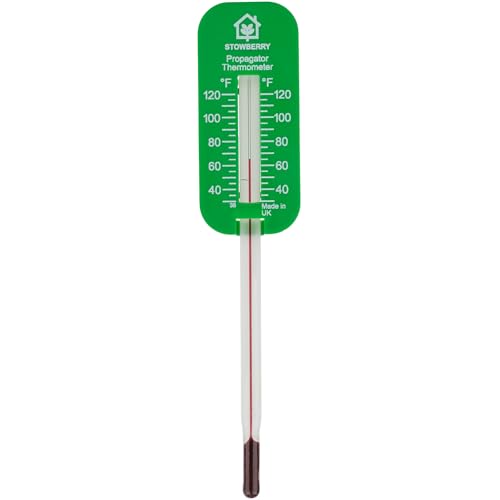
ACCURATE SOIL TEMPERATURE READINGS – Ensure the perfect growing environment for seeds and plants with this greenhouse soil thermometer, designed to give reliable and precise temperature measurements.
Ideal Conditions for Cucumber Seed Germination
For successful cucumber seed germination, maintaining specific conditions is crucial, ensuring optimal growth and sprouting in your gardening endeavors.
- Temperature: Keep the soil consistently warm, ideally between 70-90°F (21-32°C).
- Moisture: Ensure the soil remains consistently moist but not waterlogged, providing the necessary hydration for germination.
- Soil Quality: Opt for well-drained soil to prevent waterlogging, aiding root development and overall plant health.
- Light: During germination, keep the seeds in the dark to promote successful sprouting.
- Seed Depth: Plant the seeds at a depth of about 1 inch (2.5 cm), offering a balance of protection and access to necessary resources.
Recommended Products

✓ Consistent & Uniform Heating: BN-LINK seedling heat mat for seed starting maintains temperatures around 70–85℉, creating ideal conditions for seed starter and cutting propagation, speeding up seed germination and accelerating seedlings growth. The advanced heating film with double insulation layers ensures even heat and prevents scorching roots.

Reliable Results: The VIVOSUN professional heat mat maintains optimal temperatures around 68-86℉ (20-30℃), perfect for Seedling start and cutting propagation; Made from durable PVC material, it's designed to last

Consistent & Even Heat - Ruyyi plant heating mat provides stable, uniform temperatures that ensures the root area of seedlings remains between 70℉ and 85℉ to ensure growth and increased germination,also ideal for seed starting and cuttings
Signs of Germination in Cucumber Seeds
After planting your cucumber seeds following the ideal conditions, you eagerly wait for signs of germination. Germination in cucumber seeds typically takes between 4 to 10 days, depending on various factors such as temperature, moisture levels, and seed variety.
Here are some signs to look out for to confirm that your cucumber seeds have started the germination process:
- Seed Swelling: One of the initial signs is the swelling of the seed as it absorbs water and prepares for sprouting.
- Splitting of Seed Coat: As the germination process advances, you might notice the seed coat splitting open as the new growth emerges.
- Root Emergence: The first visible sign of germination is the appearance of tiny white roots growing out from the seed.
- Shoot Growth: Following root emergence, you can expect to see the shoot or stem starting to push through the soil.
As you observe these signs, ensure that the soil remains consistently warm and moist, providing the necessary environment for the cucumber seeds to continue growing. Stay patient and vigilant in monitoring the progress of your cucumber seed germination process.
Remember, each seed and planting situation is unique, so don’t be discouraged if germination takes a bit longer. Patience and care are key to successfully growing cucumbers in your garden.
Troubleshooting Slow Germination in Cucumbers
Experiencing slow germination in cucumber seeds can be frustrating, but there are a few things you can do to encourage the process.
- Check Soil Temperature: Ensure the soil temperature is around 70-90°F for optimal germination.
- Keep Soil Moist But Not Overwatered: Ensure the soil is consistently moist but not waterlogged to avoid suffocating the seeds.
- Light Exposure: Make sure the seeds are not buried too deep – they should be planted half an inch to one inch deep.
- Patience is Key: Remember that germination times can vary, so be patient and give the seeds time.
If your cucumber seeds are taking longer than expected to germinate, try adjusting these factors to create a more favorable environment for their growth.
Remember, each seed is unique, and with the right conditions, you should start to see signs of germination soon.
Recommended Products
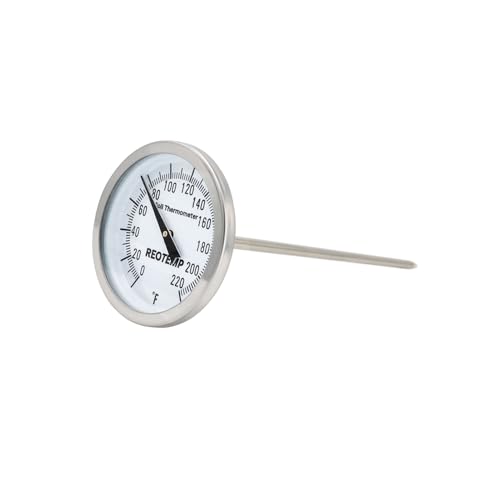
Corrosion Resistant 304 Stainless Steel Case, Bezel and 5" Stem

MONITOR COMPOST ACTIVITY & SOIL READINESS: This 5-inch stainless steel thermometer is the essential tool for compost piles and garden beds. Measure the core temperature of your compost to gauge decomposition, and test soil warmth for perfect seeding, transplanting, and lawn care timing.
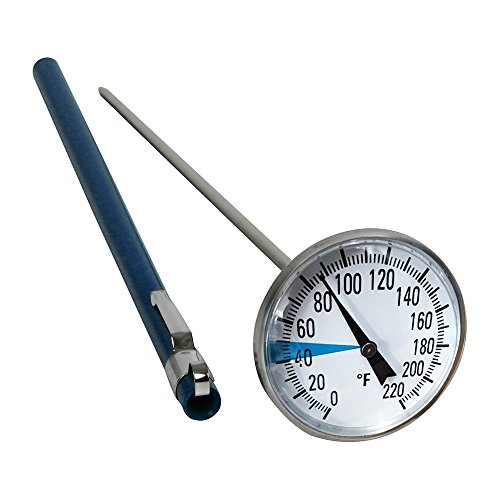
PRACTICAL SOLUTION - While other Soil Thermometers can’t tell the correct temperature, fogs up, and get broken easily, our soil thermometer has high precision performance, high-visibility, and is designed to last
Patience Pays Off: Harvesting Success with Cucumber Germination
Planting cucumber seeds and eagerly waiting for them to sprout can be an exciting experience. Cucumbers are generally quick to germinate compared to other vegetables, often taking 4 to 10 days to start showing signs of growth. However, it’s essential to remember that each seed’s journey to sprouting is unique, influenced by various factors that can affect the germination process.
Understanding Germination Times
Cucumber seeds rely on adequate moisture, warmth, and light to begin the germination process. Factors such as soil temperature, moisture levels, and light exposure can impact how soon you see those first tiny seedlings emerge from the soil. While some seeds may sprout in as little as 4 days, others might take up to 10 days or slightly longer, depending on the environmental conditions.
Factors Influencing Germination Speed
- Soil Temperature: Optimal soil temperature for cucumber germination is around 75°F (24°C). Cooler soil temperatures can slow down the process, while warmer temperatures can speed it up.
- Moisture Levels: It’s crucial to keep the soil consistently moist but not waterlogged. Inadequate moisture can delay germination, while excessive water can lead to rotting seeds.
- Light Exposure: Cucumber seeds don’t require light to germinate, but once they sprout, they need 6 to 8 hours of sunlight daily to grow well.
- Check Soil Temperature: Measure the soil temperature with a thermometer to ensure it’s within the ideal range for cucumber seeds.
- Maintain Proper Moisture: Water the soil regularly to keep it consistently moist but not soggy.
- Provide Adequate Light: Place your seed tray or garden bed in a sunny location to ensure that the sprouting seeds receive enough light for healthy growth.
By being patient and providing the right conditions for your cucumber seeds to germinate, you set the stage for a successful growing season. Remember, a little patience can go a long way in reaping the rewards of a bountiful cucumber harvest.
Conclusion
You now understand the key factors influencing cucumber seed germination. Remember, each seed has its own timeline. By maintaining optimal soil temperature, moisture levels, and light exposure, you set the stage for successful growth. Patience is key as you wait for those first sprouts to emerge. With the right conditions, you’ll soon enjoy a bountiful cucumber harvest. Happy gardening!
Frequently Asked Questions
Q: How long does it take for cucumber seeds to germinate?
A: Cucumber seeds typically sprout in 4 to 10 days under optimal conditions.
Q: What is the ideal soil temperature for cucumber seed germination?
A: The optimal soil temperature for cucumber seed germination is around 75°F.
Q: Why is patience important in the germination process?
A: Each seed’s journey is unique, influenced by factors like temperature, moisture, and light, requiring patience for successful sprouting.
Q: What are the crucial factors for successful cucumber seed germination?
A: Adequate moisture levels, proper soil temperature, and sufficient light exposure are crucial for successful cucumber seed germination.
Q: Any tips for creating an ideal environment for cucumber seed growth?
A: Check soil temperature, maintain moisture levels, and provide adequate light to create an ideal environment for cucumber seed germination.
