

Are you wondering how far apart to space your lettuce plants? Getting this right can make a big difference in your garden’s success. If you plant them too close together, they’ll compete for nutrients and sunlight, leading to smaller heads and less flavorful leaves.
Key Takeaways
- Proper spacing for lettuce plants (12 to 18 inches apart) ensures access to nutrients, sunlight, and air circulation, promoting healthier growth and better flavor.
- Different lettuce varieties require specific spacing: Romaine (12 to 18 inches), Butterhead (12 inches), and Leaf Lettuce (6 to 12 inches).
- Understanding growth habits and environmental factors is crucial for determining optimal spacing in your garden.
- Container gardening requires adjustments in spacing to maximize growth; aim for appropriate arrangements based on the variety you choose.
- Soil preparation, consistent watering, and monitoring for pests are essential practices for maintaining a thriving lettuce garden.
Understanding Lettuce Plant Spacing
Proper spacing for lettuce plants promotes healthy growth, maximizing yield and flavor. Planting too closely leads to competition for essential resources, negatively impacting your harvest.
Importance of Proper Spacing
Spacing your lettuce plants correctly is crucial for several reasons:
- Nutrient Access: Adequate space allows each plant access to nutrients in the soil. Crowded plants struggle and may produce smaller heads.
- Sunlight Exposure: Each lettuce plant needs sunlight for photosynthesis. Proper spacing ensures all plants receive enough light, promoting stronger growth.
- Air Circulation: Good spacing improves airflow, reducing the risk of fungal diseases and pests. Healthy plants resist diseases better.
Maintaining 12 to 18 inches between plants provides optimal growing conditions, enhancing flavor and texture.
Common Lettuce Varieties
Different lettuce varieties have specific spacing requirements. Here are a few common types:
- Romaine: Space plants 12 to 18 inches apart for robust heads.
- Butterhead: Keep plants about 12 inches apart to allow for the full, tender leaves to develop.
- Leaf Lettuce: Space 6 to 12 inches apart, as these grow in a loose formation and can often be harvested continuously.
Understanding these needs enables you to cultivate a thriving garden. Adjust spacing based on your chosen variety to ensure they flourish.
Factors Influencing Spacing
Spacing for lettuce plants relies on several key factors. Understanding these elements helps ensure healthy, productive growth.
Recommended Products

USDA Certified Organic by Oregon Tilth
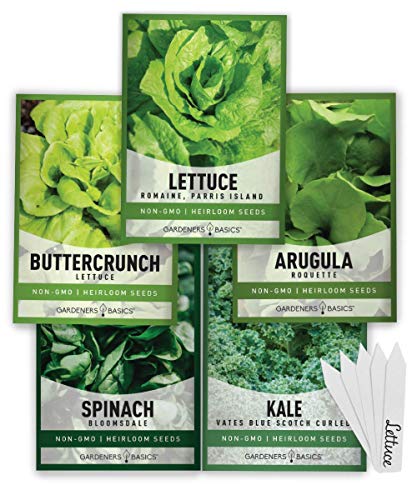
Five leafy greens varieties: Plant Parris Island romaine lettuce seeds, Buttercrunch lettuce seeds, Roquette arugula seeds, Vates Blue Scotch Curled kale seeds, and Bloomsdale spinach seeds. Includes 4,500+ seeds in five separate labeled packets.

4 Popular Heirloom Lettuce Varieties: Includes Red Romaine, Bibb Butterhead, Black Seeded Simpson, and Green Ice lettuce seeds to grow crisp, tender, and colorful salad greens with balanced flavor, texture, and visual appeal.
Growth Habit of Lettuce
Growth habits vary among lettuce varieties, affecting how much space each plant needs.
- Romaine: Grows upright and requires more room, needing 12 to 18 inches between plants.
- Butterhead: Forms a more compact head and fits well with 12 inches of space.
- Leaf Lettuce: Spreads out more but can thrive with just 6 to 12 inches apart.
Recognizing these habits allows you to choose the right spacing for your garden.
Environmental Considerations
Various environmental factors also determine optimal spacing for lettuce.
- Sunlight: Plants compete for sunlight if spaced too closely. Ensure they receive adequate light to promote healthy growth.
- Soil Quality: Rich, well-draining soil supports better yield. More space lets roots access nutrients without crowding.
- Air Circulation: Adequate spacing enhances airflow, helping to prevent fungal diseases.
Adjust spacing according to your location’s climate and garden layout to achieve the best outcomes.
Recommended Spacing Guidelines
Spacing plays a crucial role in growing healthy lettuce plants. Proper spacing ensures each plant receives enough nutrients, sunlight, and air, leading to better yields and flavor.
Recommended Products

Precise Spacing for Better Growth - This seed spacers planting tool helps you mark evenly spaced seed positions and straight planting rows, giving plants more consistent room to grow while improving garden organization and reducing guesswork.

Precise Wooden Seed Spacing Tool for Perfect Rows:Achieve professional-grade garden planning with this 13" x 1.8" wooden seed spacing tool. Whether you're planting carrots, radishes, or peas, this seeding ruler with holes eliminates guesswork. Simply press the included plant dibble into the pre-drilled guide holes to create uniform depth and spacing, ensuring even growth and maximizing your harvest yield.

2026 Upgraded All-in-One Gardening Set: 2026 Upgraded Comprehensive Small Garden Tools! Our gardening tool set includes 1 12 hole seed planter, 1 large-sized gardening mat, 1 round adjustable planter, 2 plunger seeders, 1 garden soil shovel, 1 loosening rake, 1 pair of seedling removers, and 1 single hole planter for garden tools enthusiasts
Standard Spacing for Different Varieties
- Romaine Lettuce: Space these plants 12 to 18 inches apart. Their upright growth requires more room to thrive.
- Butterhead Lettuce: Keep these varieties about 12 inches apart. Their more compact nature fits nicely in this spacing.
- Leaf Lettuce: These plants flourish with spacing of 6 to 12 inches. Their adaptability allows for tighter arrangements.
By following these guidelines, you enable each type of lettuce to develop its full potential without unnecessary competition.
Adjustments for Container Gardening
In container gardening, available space often limits planting arrangements. To optimize growth in containers, consider these tips:
- Romaine: Plant a single lettuce per container or opt for multiple smaller containers, each with a 12 to 18-inch spacing.
- Butterhead: This variety suits 12-inch spacing; try using a larger container to accommodate several plants comfortably.
- Leaf Lettuce: Plant 2 to 4 seedlings in a small container with at least 6 inches of depth. They handle close proximity well.
Ensure your containers have drainage holes and use quality potting mix. Monitor growth and adjust spacing if plants begin to crowd each other. This approach maximizes your lettuce harvest even in limited spaces.
Tips for Planting Lettuce
Planting lettuce requires meticulous attention to detail for optimal growth. Follow these tips to ensure a thriving lettuce garden.
Recommended Products

【Upgraded Tube Design & Water Saving】 Our garden watering system is upgraded to 1/2” diameter to support high water pressure. The 1/2” tee connector allows seamless splitting into 2 independent zones for customized watering schedules. By delivering moisture directly to root zones, this drip Irrigation system significantly reduces evaporation and runoff—saving more water compared to conventional sprinklers while eliminating the need for manual watering.

Automatic Drip Irrigation System Kit: The universal connector adapts to different tubing sizes with a secure, leak-free fit; the dual-channel connector splits a single line into two separate watering paths for multi-zone irrigation. The garden bed watering system includes 100FT 1/4" Water Pipe, Cable Ties x 24, Universal Connector x 1, Dual Channel Connector x 1, Quick Tees x 24, Sealing Tape x 1, Fixing Clips x 24, End Plus x 4, and Brass Nozzles x 24. Simply unbox and start building automatic misting system.

【Upgraded Tube Design & Water Saving】 Our adjustable garden watering system is upgraded to 1/2” diameter to support high water pressure. The 1/2” tee connector in the package so you can easily set up 2 drip irrigation systems as needed. Garden watering systems minimize stage water loss by recharging water directly to plant roots. While traditional irrigation often results in wasted water, this drip irrigation system saves up to 70% of water, no need for manual watering, saves water.
Soil Preparation
Prepare your soil by mixing in organic matter like compost or well-rotted manure. Aim for a pH between 6.0 and 6.8 for best results. Test your soil using a simple kit from a garden store. Loosen the soil to at least 12 inches deep to encourage good root development. Incorporate a balanced fertilizer in accordance with package instructions to provide essential nutrients at planting.
Watering and Maintenance
Water your lettuce consistently, aiming for about 1 to 2 inches of water weekly. Use a garden hose with a spray nozzle or a drip irrigation system to prevent over-saturation. Mulch around the plants with straw or shredded leaves to retain moisture and regulate soil temperature. Monitor for pests and diseases regularly, checking under leaves for aphids or other common issues. If you use row covers, ensure they’re breathable to promote air circulation. Maintain a weed-free environment to minimize competition for nutrients and water.
Conclusion
Getting the spacing right for your lettuce plants is key to a successful harvest. By giving each plant enough room to grow you’ll enjoy bigger heads and tastier leaves. Remember to consider the specific needs of each variety and adjust your spacing accordingly.
Whether you’re planting in a garden or using containers, proper spacing promotes healthy growth and prevents competition for resources. With a little attention to detail and care you’ll be well on your way to enjoying fresh, flavorful lettuce right from your own garden. Happy gardening!
Frequently Asked Questions
What is the ideal spacing for lettuce plants in a garden?
Proper spacing for lettuce plants is crucial for healthy growth. Generally, you should maintain 12 to 18 inches between Romaine plants, about 12 inches for Butterhead, and 6 to 12 inches for Leaf Lettuce. This spacing allows each plant to access sufficient nutrients, sunlight, and air.
Why is spacing important for growing lettuce?
Spacing is essential because it reduces competition for nutrients and light among the plants. When lettuce is planted too closely, it can result in smaller heads and less flavorful leaves. Adequate spacing promotes healthy growth and maximizes both yield and flavor.
How does the growth habit of lettuce varieties affect spacing?
Different lettuce varieties have distinct growth habits. Romaine grows upright and needs more space (12 to 18 inches), Butterhead is more compact and requires about 12 inches, while Leaf Lettuce can thrive with closer spacing of 6 to 12 inches. Understanding these habits helps optimize planting arrangements.
What environmental factors influence lettuce spacing?
Environmental elements like sunlight, soil quality, and air circulation play a significant role in lettuce spacing. Adequate spacing ensures proper light exposure, allows roots to access nutrients, and enhances airflow, reducing the risk of fungal diseases and promoting healthy growth.
How should I space lettuce in container gardening?
In container gardening, spacing is still important but often adjusted for limited space. For Romaine, plant one per container or use several smaller ones with 12 to 18-inch spacing. Butterhead should be spaced around 12 inches, and Leaf Lettuce can accommodate 2 to 4 seedlings in a small container with at least 6 inches of depth.
What tips should I follow for planting lettuce?
For optimal growth, prepare the soil by mixing in organic matter such as compost. Aim for a pH between 6.0 and 6.8. Water consistently (1 to 2 inches per week) and use mulch to retain moisture. Monitor for pests and diseases, maintain a weed-free environment, and consider using breathable row covers.
