

Have you ever wondered why your lettuce plants aren’t thriving the way you hoped? Overwatering or underwatering can be tricky, and finding the right balance is key. If you’re growing lettuce at home, knowing how often to water can make all the difference in achieving that crisp, fresh harvest you crave.
Key Takeaways
- Watering Frequency: Seedlings need daily watering, vegetative stage plants every 2-3 days, and mature plants every 3-5 days, adjusting based on environmental conditions.
- Influencing Factors: Soil type, temperature, humidity, and sun exposure all affect how often you should water lettuce plants. Monitor these factors closely.
- Visual and Soil Indicators: Look for wilting leaves, color changes, and dry soil surfaces to determine when to water. Soil moisture checks can also guide you.
- Common Mistakes: Avoid overwatering, which can lead to root rot, and underwatering, causing wilting and tough leaves. Use moisture checks to strike the right balance.
- Seasonal Adjustments: Modify your watering schedule according to the season and local climate; increase frequency during hot or dry conditions.
Understanding Lettuce Water Requirements
Lettuce plants require careful attention to their watering habits. Consistent moisture promotes healthy growth and crisp leaves. Various factors influence how often you should water, making it crucial to monitor conditions closely.
Factors Influencing Water Needs
- Soil Type: Sandy soils drain quickly. You’ll need to water more frequently in these conditions. Clay soils retain moisture longer, so you can water less often.
- Temperature: Hot weather increases evaporation. On warm days, check your lettuce daily for moisture. Cooler days may require less frequent watering.
- Humidity: High humidity reduces water loss. In humid conditions, water less frequently. Low humidity increases the need for watering.
- Sun Exposure: Direct sunlight dries soil faster. Lettuce in full sun needs more water than those in partial shade.
- Seedlings: Newly planted lettuce requires consistent moisture. Water daily, keeping the soil damp but not soggy.
- Vegetative Stage: As plants grow, their water needs increase. Water every 2-3 days, depending on your climate.
- Mature Plants: Once lettuce is fully grown, maintain a routine of watering every 3-5 days. Adjust as needed based on environmental factors.
By considering these elements, you can determine the appropriate watering schedule to ensure your lettuce thrives.
Signs Your Lettuce Needs Water
Recognizing when your lettuce plants need water is key to maintaining their health. Pay attention to both visual cues and soil moisture indicators.
Recommended Products

Accurate Soil Moisture Detection: The XLUX Soil Moisture Meter can tell you if the soil deep inside your pot or garden is dry, moist or wet; whereas your eyes and fingers can only determine the moisture level of the soil surface. The probe is 5.5 inches (14 cm) longer than regular styles, allowing it to measure the soil moisture at the bottom of larger and deeper flower pots.
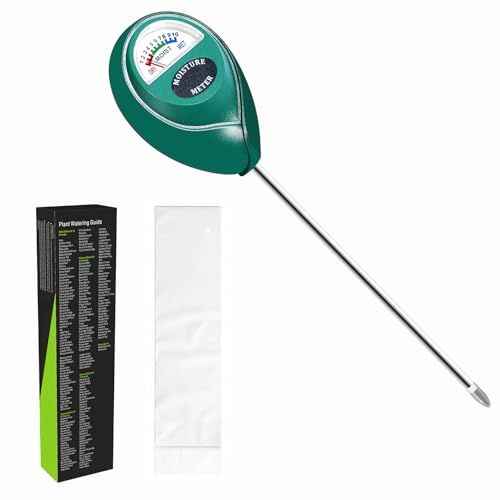
Trusted Since 2015: Become one of the many plant lovers who rely on the proven accuracy of XLUX. Established in 2015, our soil moisture meter has earned over 60,000+ verified ratings for its consistent performance. While many many newer brands come and go, we provide the long-term reliability and quality that American households have trusted for over a decade.

Kindly NOTE: This soil tester can not be applied to test pH value of any other liquid. If the soil is too dry the indicator will not move, and water it before testing.
Visual Cues
Look for distinct visual signs that your lettuce plants are thirsty. Some common indicators include:
- Wilting Leaves: Leaves droop or appear limp, signaling a lack of water.
- Color Change: Leaves may develop a pale hue instead of their vibrant green, indicating stress.
- Leaf Edges: Edges can become brown or crispy as moisture decreases.
- Slow Growth: A noticeable slowdown in growth often suggests insufficient hydration.
Soil Moisture Indicators
Assessing soil moisture is an effective way to determine when to water. Check these soil indicators:
- Dry Soil Surface: If the top inch of soil feels dry to the touch, it’s time to water.
- Cracks in Soil: Visible cracks can signal a lack of moisture.
- Heavy Weight: A pot or container should feel light. If it feels unusually heavy, moisture is likely sufficient.
- Soil Clumping: Soil that clumps together when squeezed indicates adequate moisture; loose soil may need watering.
By observing these signs, you can ensure your lettuce gets the hydration it needs for optimal growth.
Optimal Watering Frequency
Watering frequency plays a crucial role in growing healthy lettuce plants. Achieving the right balance promotes robust growth and crisp leaves.
Recommended Products
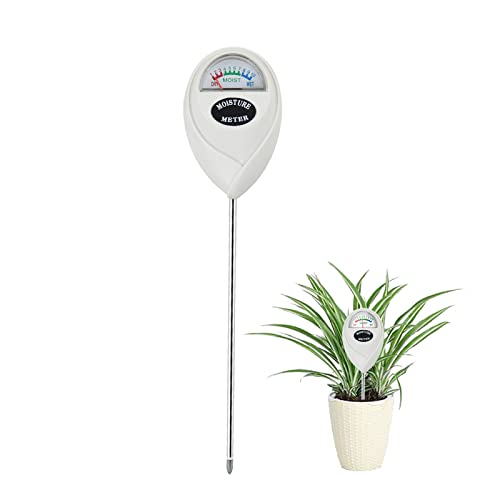
【SAVE YOUR PLANTS】: Over watering can cause problems with your plants or even kill them. This soil moisture meter helps you know the soil is dry, moist or wet.No more over watering!
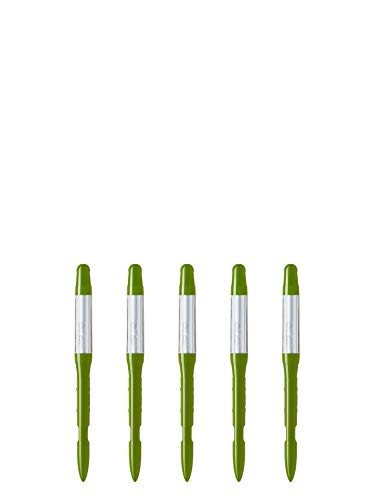
Dimensions: 0.4 x 0.3 x 4.7 inches (small) - Intended for pot sizes of 2, 2.5, and 3 - Ideal for small succulents
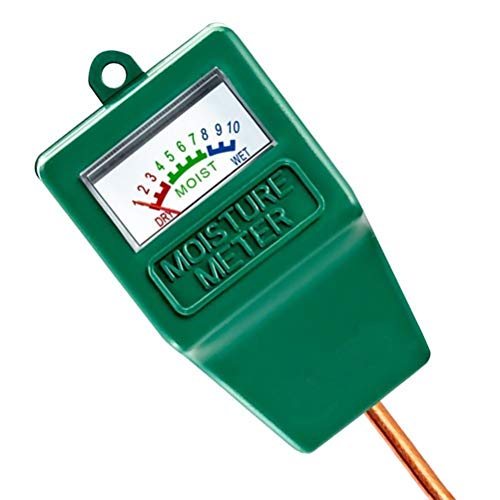
Soil Moisture Meter: This single probe soil moisture meter is specially designed for testing the moisture level in the soil, helps you decide whether the plants need water or not, helps to keep plants alive.
General Guidelines
- Water seedlings daily. They require consistent moisture for strong root development.
- Water vegetative stage plants every 2-3 days. This frequency allows them to thrive without becoming waterlogged.
- Water mature plants every 3-5 days. This schedule helps prevent overwatering while ensuring hydration during their growth cycle.
- Monitor visual cues. Look for signs like wilting leaves or color changes in your lettuce plants, as these indicate a need for watering.
- Check soil moisture. Stick your finger about an inch into the soil. If it feels dry, it’s time to water.
- Adjust watering frequency based on season. Summer heat may require daily watering, while cooler months can extend watering intervals.
- During spring, water every 2-4 days. The mild temperatures support steady growth without excessive moisture.
- In fall, reduce watering to every 3-4 days as temperatures drop and evaporation slows.
- Evaluate rainfall. If natural precipitation occurs, adjust your watering schedule accordingly to prevent soggy soil.
- Consider the climate. Humid areas may require less frequent watering compared to arid regions, where moisture evaporates quickly.
By keeping these guidelines and considerations in mind, you can successfully maintain an optimal watering schedule for your lettuce plants.
Common Mistakes in Watering Lettuce
Watering lettuce properly is vital for its growth. Several common mistakes often lead to poor results.
Recommended Products

【NO MORE GUESSWORK】:Ever wonder if your plants need watering or not? You need this soil moisture meter to help you eliminate the guesswork. Don’t want to stick your finger into the soil to test for moisture, you need this this soil meter to help you.

Dimensions: 7.09 x 0.39 x 0.31 inches (medium) - Intended for pot sizes of 3.5, 4, 5, and 6

【4 in 1 function】This is a 4-in-1 multifunctional soil tester.Our soil tester fastly to measure soil moisture, pH, temperature and sunlight to help you take better care of flowers and plants.You can know when you need to water your soil by measuring moisture and pH & Temperature value of the soil and sunlight level of plants with it.
Overwatering Risks
Overwatering can suffocate lettuce plants. Excess water leads to root rot, a dangerous condition that can kill the plants. Signs of overwatering include yellowing leaves, a mushy stem, and compacted soil. Check the moisture level before watering. To avoid overwatering, use a moisture meter or stick your finger 1-2 inches into the soil. If it’s still damp, skip watering for a day or two. Aim for a consistent schedule instead of flooding the soil.
Underwatering Effects
Underwatering also causes significant issues. Lettuce rapidly wilts without adequate moisture, leading to stunted growth and tough leaves. Drought stress may cause bitter flavors, reducing market value. If you notice drooping leaves or dry soil, it’s time to water. Always water deeply and evenly, ensuring moisture reaches the roots. Consider using a soaker hose or drip irrigation for effective moisture delivery. Adjust your watering frequency during hot weather or when plants are young.
Conclusion
Caring for your lettuce plants means paying attention to their watering needs. By understanding the right frequency and being mindful of environmental factors you can enjoy a bountiful harvest. Always keep an eye on your plants for signs of stress and adjust your routine accordingly. With a little practice you’ll find the perfect balance that keeps your lettuce thriving and flavorful. Happy gardening!
Frequently Asked Questions
What are the watering requirements for lettuce seedlings?
Lettuce seedlings need consistent moisture levels, so it’s best to water them daily. Ensure the soil remains damp but not soggy to promote healthy root development.
How often should I water lettuce during the vegetative stage?
During the vegetative stage, it’s recommended to water lettuce plants every 2-3 days, depending on soil moisture and environmental conditions. Adjust watering as needed based on weather and humidity levels.
When is it appropriate to water mature lettuce plants?
Mature lettuce plants should be watered every 3-5 days. Observe soil moisture and environmental factors, as these can impact how often you need to water.
What are some signs that lettuce needs watering?
Look for visual cues such as slightly drooping leaves or dry soil when checking your lettuce. Using a moisture meter can also help determine when it’s time to water.
What are common mistakes in watering lettuce?
Common mistakes include overwatering, which can cause root rot, and underwatering, leading to wilting and bitter flavors. It’s crucial to balance moisture levels based on plant needs and conditions.
How can I check soil moisture for my lettuce?
You can check soil moisture by inserting your finger about an inch into the soil. If it feels dry, it’s time to water. Using a moisture meter can provide a more accurate reading.
How do temperature and humidity affect lettuce watering?
High temperatures and low humidity can increase the need for frequent watering, while cooler temperatures and higher humidity may reduce it. Always adjust your watering schedule according to the current weather conditions.
