

Have you ever wondered why your lettuce isn’t thriving like you hoped? One common mistake is planting them too close together. If you want a bountiful harvest of crisp, delicious greens, spacing is key.
Key Takeaways
- Proper spacing is essential for healthy lettuce growth, affecting yield and overall plant health.
- Different lettuce varieties require specific spacing: 12-18 inches for head and romaine lettuce, and 6-12 inches for leaf lettuce.
- Adequate spacing improves airflow, reducing the risk of fungal diseases like mildew and rot.
- Optimal planting distances promote faster growth rates by minimizing competition for nutrients and water.
- Avoid common mistakes such as overcrowding and ignoring environmental conditions to ensure robust lettuce production.
- Always adjust spacing based on local climate conditions to maximize plant health and minimize disease risk.
Understanding Lettuce Planting Distances
Proper spacing is crucial for planting lettuce. It affects growth, yield, and overall plant health. When lettuce is planted too closely, competition for resources leads to stunted growth and lower quality.
Recommended Products

Precise Planting Measurement: The foldable plant ruler is designed to provide precise measurements for seed spacing, ensuring optimal growth for a variety of vegetables including carrots, tomatoes, peas, potatoes, and cabbage.

Precise Spacing for Better Growth - This seed spacers planting tool helps you mark evenly spaced seed positions and straight planting rows, giving plants more consistent room to grow while improving garden organization and reducing guesswork.

DON’T RISK A SMALL HARVEST Avoid the frustration of low yields caused by overcrowded or poorly spaced plants. Inspired by Square Foot Gardening, Seed Spacer Tool prevents spacing mistakes that hold your garden back — giving you the big, healthy harvest you deserve.
Importance of Planting Spacing
Spacing allows adequate air circulation, reducing the risk of diseases. Plants sharing space can develop mildew or rot, especially in humid conditions. Proper distance encourages each lettuce plant to receive sufficient sunlight and nutrients. Moreover, optimal spacing improves access for harvesting and maintenance tasks, making your gardening experience more efficient.
Factors Influencing Spacing
Factors influencing spacing include variety, growth method, and environmental conditions.
- Variety: Different types of lettuce require different spaces. For example, iceberg lettuce typically needs 12 to 18 inches between plants, while leaf lettuce can thrive with 6 to 12 inches apart.
- Growth Method: If you’re growing lettuce in rows, maintain 12 to 18 inches between rows for easier access. In square foot gardening, plant 4 to 9 seedlings per square foot, depending on the variety.
- Environmental Conditions: Weather conditions may also dictate spacing. In cooler climates, closer spacing can be advantageous. In warmer areas, wider spacing helps manage heat stress.
Consider these factors to determine the best planting distances for your lettuce.
Recommended Spacing for Different Lettuce Varieties
Proper spacing is essential for various lettuce types to ensure healthy growth and optimal yields. Here’s a breakdown of spacing requirements based on lettuce variety.
Recommended Products
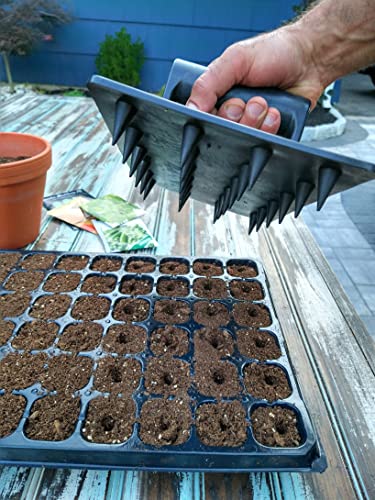
Efficiently start seeds indoors by creating perfect planting holes in 72-cell seed trays

Tupperware Lettuce Corer Serrated Knife Like Gadget in Mint Green
Head Lettuce
For head lettuce, maintain a distance of 12 to 18 inches between each plant. This spacing allows the heads to develop fully while providing enough room for air circulation. For best results, space rows 18 to 24 inches apart to facilitate easier access when harvesting.
Leaf Lettuce
Leaf lettuce requires less space. Aim for 6 to 12 inches between plants. This variety grows in a more sprawling manner, so closely spaced plants can still thrive. If you use square foot gardening, you can plant 4 to 6 seedlings per square foot, optimizing your available space.
Romaine Lettuce
Romaine lettuce needs about 12 to 18 inches between plants, similar to head lettuce. It benefits from the extra room to develop its tall, upright structure. Space rows 18 to 24 inches apart as well to ensure easy maintenance and harvesting.
Benefits of Proper Planting Distances
Proper planting distances for lettuce significantly benefit overall plant health and yield. It ensures each plant has enough space to thrive.
Recommended Products

Indoor Garden Seed Starter Trays – Kimdozee seedling trays feature 120 cells (1.97" x 1.97" x 1.97"), perfectly sized for starting herbs, vegetables, flowers, succulents, and microgreens.

Adjustable Vents: The seed trays have adjustable vents that allow you to regulate the temperature and humidity of your seedling environment for total control over the growing process.
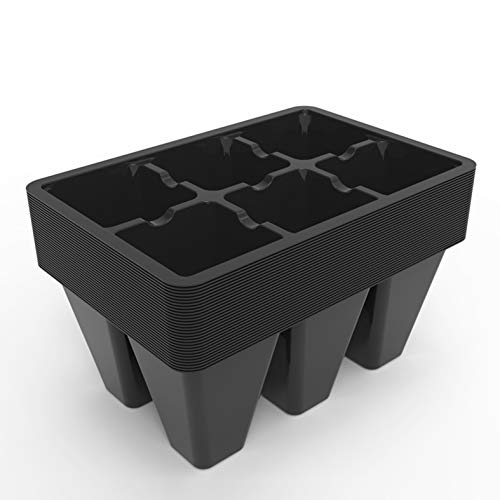
High Quality and Durable - Our Gardzen Seed Start Trays are made from premium plastic material, ensuring long-lasting use for all your seed starting needs. These trays are designed to withstand daily wear and tear, making them perfect for avid gardeners.
Improved Airflow
Adequate space between lettuce plants enhances airflow. Good airflow reduces moisture buildup, which lowers the risk of fungal diseases like powdery mildew and rot. For example, when planting head lettuce 12 to 18 inches apart, each plant benefits from improved ventilation. Air circulates freely, allowing plants to dry quicker after rainfall or watering, which is crucial in humid climates.
Enhanced Growth Rates
Proper spacing promotes faster growth rates. When lettuce plants have room to spread their roots, they access nutrients and water more efficiently. For instance, leaf lettuce requires 6 to 12 inches between plants, allowing for quicker soil moisture absorption and nutrient uptake. Each plant grows vigorously without competing for resources, leading to a higher yield at harvest time.
Common Mistakes in Lettuce Planting
Common mistakes in planting can lead to poor yields. Understanding these pitfalls can boost your lettuce harvest.
Overcrowding Issues
Overcrowding is a major mistake. Many gardeners plant lettuce too close together, which limits growth. When lettuce competes for space, the plants become stunted. Aim for the recommended distances—12 to 18 inches for head and romaine lettuce, and 6 to 12 inches for leaf lettuce. This spacing allows each plant enough room to spread its roots and access nutrients. For example, if you plant iceberg lettuce in a 12-inch grid, that single plant won’t thrive. Instead, give it room to grow by spacing it correctly.
Ignoring Growing Conditions
Ignoring growing conditions can negatively impact your lettuce. Factors such as soil type, light availability, and weather can dictate how far apart you should plant. If your area has high humidity, increase spacing to improve airflow. For instance, in moderate climates, 12 inches may suffice, but in more humid conditions, opt for 18 inches. Adjusting spacing based on these conditions helps protect plants from diseases like mildew. Always assess your local conditions before deciding on a planting layout.
Conclusion
Getting the spacing right when planting lettuce is key to a thriving garden. By giving each plant enough room to grow you’ll not only boost their health but also enjoy a more bountiful harvest. Remember to consider the variety of lettuce you’re planting and your local conditions to determine the best distances.
With a little planning and attention to detail you can set your lettuce up for success. So grab your seeds and start planting with confidence knowing that proper spacing will lead to a delicious crop. Happy gardening!
Frequently Asked Questions
What is the impact of improper spacing when planting lettuce?
Improper spacing can lead to overcrowding, which stunts growth and lowers yield. Plants compete for sunlight, nutrients, and water, resulting in poor plant health and reduced quality of the harvest.
How much space should I leave between lettuce plants?
For head and romaine lettuce, leave 12 to 18 inches between plants. Leaf lettuce can be spaced 6 to 12 inches apart. Adjust spacing based on the planting method and environmental conditions.
Why is airflow important in lettuce cultivation?
Adequate airflow reduces moisture buildup, minimizing the risk of fungal diseases like mildew and rot. It also allows plants to grow more effectively by accessing sunlight and nutrients.
How does temperature and humidity affect lettuce spacing?
In warmer, humid climates, increasing spacing helps improve airflow, which protects plants from diseases. It’s essential to tailor spacing based on local weather conditions to ensure optimal growth.
Can I use square foot gardening for lettuce?
Yes, square foot gardening is effective for lettuce. Leaf lettuce can accommodate 4 to 6 seedlings per square foot, while maintaining the recommended distances for head varieties.
