

Ever thought about growing your own fresh lettuce but worried you don’t have enough space? If you’ve got a balcony, you’re in luck! Growing lettuce in small spaces is not only possible but also rewarding. Imagine stepping outside to snip some crisp greens for your salad, all while enjoying the fresh air.
Key Takeaways
- Fresh Produce Access: Growing lettuce on your balcony allows for easy access to fresh, homegrown greens, reducing grocery store visits.
- Space Optimization: Even small balconies can effectively host multiple container gardens, maximizing limited spaces.
- Cost-Effective Gardening: Growing your own lettuce can lead to significant savings on grocery bills, especially when choosing organic options.
- Flavor and Nutrition: Homegrown lettuce generally offers superior taste and freshness compared to store-bought varieties, while also enhancing your diet with essential vitamins.
- Essential Supplies: Utilize the right containers, quality potting soil, and proper tools to ensure a thriving lettuce garden on your balcony.
- Harvesting Techniques: Implement best practices for harvesting to enjoy multiple yields and maintain lettuce freshness for optimal flavor and longevity.
Benefits Of Growing Lettuce On A Balcony
Growing lettuce on your balcony offers multiple advantages. Here are key benefits to consider:
- Access to Fresh Produce
Enjoy the convenience of having fresh lettuce at your fingertips. No more trips to the grocery store for your salads. - Space Utilization
Maximize small spaces. Even a compact balcony can host several containers, making it easy to grow your greens. - Cost Savings
Reduce grocery bills. Homegrown lettuce costs less than store-bought varieties, especially when considering organic options. - Enhanced Flavor
Experience superior taste. Homegrown lettuce often tastes better than pre-packaged varieties due to freshness. - Health Benefits
Increase your vegetable intake. Fresh lettuce provides essential vitamins and nutrients, contributing to a healthy diet. - Stress Relief
Enjoy gardening as a calming activity. Tending to your plants can be therapeutic, helping to alleviate stress. - Environmental Impact
Support sustainability. Growing your own vegetables reduces carbon footprints related to transportation and packaging. - Learning Opportunity
Gain gardening skills. Cultivating lettuce teaches you about plant care and can inspire you to grow other vegetables.
By growing lettuce on your balcony, you benefit from fresh, healthy produce, while also enjoying the joys of gardening in a small space.
Choosing The Right Lettuce Varieties
Selecting the right lettuce varieties is essential for a successful balcony garden. Different types offer unique flavors and growing habits, making some better suited for container gardening than others.
Recommended Products
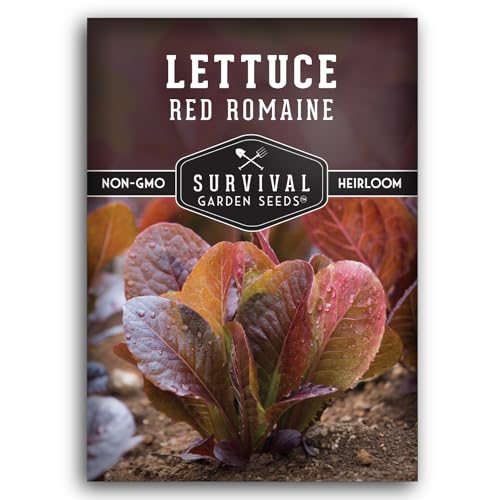
RED ROMAINE SEEDS FOR PLANTING – Striking lettuce has burgundy-to-ruby red leaves with crisp green hearts create a bold contrast in the garden and add vibrant color and flavor to Caesar salad and other dishes

Classic Romaine Variety Parris Island Romaine produces tall, upright heads with dark green outer leaves and a firm, pale center commonly used for fresh salads and wraps.

HIGH GERMINATION RATE: Grow your own crisp, vibrant Parris Island Cos Romaine lettuce with confidence. With over 2,000 Non-GMO heirloom seeds, each selected for high germination, you’ll enjoy a garden full of fresh, flavorful lettuce, perfect for salads and more.
Leaf Lettuce
Leaf lettuce, including varieties like Butterhead and Loose-Leaf, thrives in containers. These types grow quickly, typically ready for harvest within 30 to 60 days. You can pick the outer leaves as needed, encouraging continuous growth. Opt for a mix of colors, such as green, red, or even speckled, to enhance visual appeal. Leaf lettuce prefers cooler temperatures, making it ideal for spring and fall planting.
Romaine Lettuce
Romaine lettuce offers a crisp texture and rich flavor, perfect for salads and sandwiches. It usually takes 70 to 90 days to reach maturity. Plant romaine in deeper containers to accommodate its root system. When growing romaine, ensure it receives at least six hours of sunlight daily for optimal growth. Thinning seedlings helps provide space for healthy plants to flourish, ensuring robust growth and flavor.
Essential Supplies And Tools
Growing lettuce on your balcony requires specific supplies and tools to ensure a successful garden. Gather the following essentials before starting your lettuce growing journey.
Recommended Products
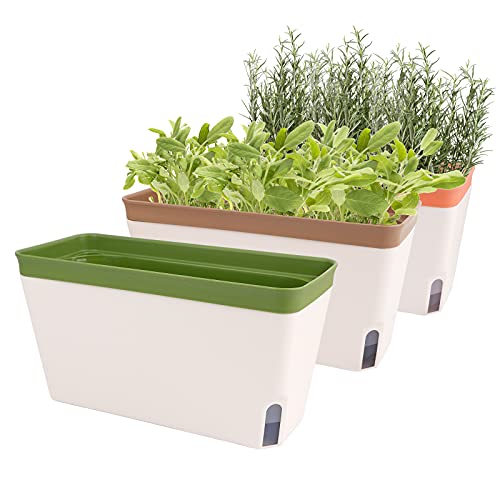
SELF-WATERING PRINCIPLE: Through two absorbent cotton ropes, the self watering pots provide water to the soil and keep the soil moist through the principle of osmosis, without having to water the plants regularly. Even if you leave home for a few days, it can help you take care of the plants and avoid plants die from water shortage.

The outer basin is made of high quality plastic, safe, non-toxic and durable, and is also suitable for outdoor use.The surface is treated with a lacquer finish and has a high gloss.

EFFORTLESS WATERING SYSTEM: This self watering planter uses absorbent cotton wicks to automatically deliver water to plant roots through capillary action, keeping soil evenly moist for days. A perfect solution for busy plant lovers who want healthier growth without daily watering
Containers And Planters
Select containers with adequate drainage holes. Options include:
- Plastic Pots: Lightweight, affordable, and versatile for various sizes.
- Fabric Grow Bags: Promote air circulation and root health, ideal for leafy vegetables.
- Self-Watering Planters: Help maintain consistent moisture levels and reduce watering frequency.
Choose a pot size that suits the lettuce variety. Leaf lettuce thrives in 6- to 8-inch pots, while romaine prefers containers at least 10 inches deep for strong root development.
Soil And Fertilizers
Use high-quality, well-draining potting mix for planting lettuce. Look for a mix that includes:
- Compost: Provides essential nutrients and improves soil structure.
- Perlite or Vermiculite: Enhances drainage and aeration, preventing compacted soil.
Consider adding a balanced, slow-release fertilizer. An NPK ratio of 5-10-10 promotes healthy leaf growth. Apply it at planting time and reapply every 4–6 weeks to ensure your lettuce receives enough nutrients.
These supplies and tools set the foundation for a thriving balcony lettuce garden.
Planting Lettuce On A Balcony
Planting lettuce on a balcony presents an enjoyable gardening opportunity. You can easily create a thriving little garden with the right approach.
Recommended Products

Complete Lettuce Garden Starter Kit Indoor – 5 heirloom salad and green seed packets, 8 biodegradable soil disks, 8 plant markers, and 8 starter pots. Romaine, Spinach, Arugula, Kale and Buttercrunch lettuce heirloom seeds are the star of the set!

USDA Certified Organic by Oregon Tilth

PATENTED SMART HYDROPONIC SYSTEM: Take your indoor gardening to the next level with our patented smart hydroponic system, featuring the exclusive LetPot app. With just a few taps on your phone, you can effortlessly adjust the 0-24 hours LED lighting schedule to provide your plants with the perfect amount of light and precies on/off time. Our innovative reminder system also ensures you never forget to water your plants again, making growing healthy and vibrant plants easier than ever before.
Seed Selection And Germination
Select high-quality seeds for optimal growth. Leaf lettuce varieties, such as Butterhead and Loose-Leaf, germinate quickly and thrive in containers. When starting seeds indoors, use seed trays filled with a high-quality potting mix.
To germinate seeds, follow these steps:
- Moisten the Soil: Lightly moisten the potting mix.
- Sow Seeds: Place seeds about ¼ inch deep into the soil.
- Cover Seeds: Gently cover seeds with soil and mist lightly.
- Provide Light: Place trays in a bright location or use grow lights for at least 12 hours daily.
- Maintain Temperature: Keep the environment around 68°F to 75°F for optimal germination.
After 7 to 14 days, you’ll see seedlings emerge. Thin them to avoid overcrowding. Maintain adequate moisture and avoid letting the soil dry out.
Transplanting Seedlings
Transplant seedlings to containers once they have a few true leaves. Choose transplanting pots that are at least 6 to 12 inches deep. Follow these steps for successful transplanting:
- Prepare Containers: Fill pots with high-quality potting mix, ensuring good drainage.
- Water Seedlings: Water the seedlings before removing them from their trays.
- Remove Seedlings: Gently lift seedlings by the leaves, avoiding root damage.
- Plant Seedlings: Place them in the prepared container at the same depth they were in the tray.
- Space Appropriately: Space seedlings 6 to 12 inches apart, depending on the variety.
After transplanting, water the seedlings thoroughly. Place containers where they receive at least 6 hours of sunlight daily. Regularly check soil moisture to keep your lettuce growing strong.
Care And Maintenance
Caring for your balcony lettuce ensures healthy growth and a bountiful harvest. Regular attention to watering and pest control contributes to successful gardening.
Watering Guidelines
Watering lettuce requires balance. You want to keep the soil consistently moist but not waterlogged. Check the top inch of soil; if it feels dry, it’s time to water. Focus on these tips:
- Water in the morning to reduce evaporation.
- Use containers with drainage holes to prevent excess water.
- Water deeply but infrequently; about 1 inch per week works well.
- Consider using a moisture meter to help gauge the soil’s wetness.
Implementing these strategies keeps your lettuce hydrated and flourishing.
Pest Control Methods
Preventing pests protects your lettuce and enhances its growth. Common pests include aphids and snails. Here are effective approaches to manage them:
- Inspect plants regularly; catch infestations early.
- Use insecticidal soap to treat aphids; apply every 7-10 days.
- Introduce beneficial insects like ladybugs, which naturally control aphid populations.
- Scatter crushed eggshells around plants to deter snails.
- Remove any debris or fallen leaves that might attract pests.
Combining these methods creates a healthy environment for your balcony garden.
Harvesting Lettuce
Harvesting lettuce takes care and timing to ensure the best flavor and freshness. When you notice the leaves are vibrant and healthy, it’s your cue to start cutting.
Best Practices For Harvesting
- Timing: Harvest in the morning when temperatures are cooler for optimal crispness. Wait until leaves reach at least 6 inches tall.
- Method: Use clean scissors or a knife to cut the outer leaves, leaving the inner leaves to continue growing. This method, called “leaf harvesting,” allows for multiple harvests from the same plant.
- Leave Some: Always leave about one-third of the plant intact. This promotes regrowth and prolongs your harvest season.
- Check for Pests: Inspect for any pests or damage before harvesting. Removing affected leaves keeps your crop healthy.
- Immediate Rinse: Rinse harvested leaves under cool water to remove soil and potential pests. Pat them dry using a clean towel.
- Proper Wrapping: Wrap lettuce in a damp paper towel, then place it inside a plastic bag. This maintains moisture without sogginess.
- Refrigerate: Store your wrapped lettuce in the refrigerator’s crisper drawer. Ideal storage temperature ranges from 32°F to 35°F.
- Use Quickly: Lettuce maintains peak freshness for about 5 to 7 days. Enjoy it within that time for the best flavor and texture.
Conclusion
Growing lettuce on your balcony can be a rewarding experience that brings fresh flavors to your meals. With just a little effort you can enjoy a steady supply of crisp greens right at your fingertips. Remember to choose the right variety that suits your space and sunlight conditions.
By following simple care tips and harvesting techniques you’ll not only maximize your yield but also savor the satisfaction of homegrown produce. So grab your containers and seeds and get started on your balcony garden adventure. You’ll be amazed at how much joy and freshness it can bring to your life. Happy gardening!
Frequently Asked Questions
What are the benefits of growing lettuce on a balcony?
Growing lettuce on a balcony offers fresh produce, cost savings, enhanced flavor, and health benefits. It can also provide stress relief and contribute to environmental sustainability.
Which lettuce varieties are best for container gardening?
Popular lettuce varieties for balcony gardening include Butterhead, Loose-Leaf, and Romaine. These types thrive in containers and vary in sunlight requirements.
How should I care for my balcony lettuce?
Essential care includes adequate watering, choosing the right containers, and controlling pests. Regular monitoring and proper maintenance ensure healthy growth.
When is the best time to harvest lettuce?
Harvest lettuce when it reaches a desirable size, typically between 30 to 70 days after planting, depending on the variety.
What are good harvesting methods for lettuce?
Use scissors or your hands to gently cut the leaves. Always leave some leaves on the plant to promote regrowth.
How should I store harvested lettuce?
After harvesting, rinse the leaves immediately, wrap them in a damp paper towel, and place them in a sealed container in the refrigerator for freshness.
How long does harvested lettuce stay fresh?
For peak freshness, use harvested lettuce within 5 to 7 days. Proper storage techniques will help maintain its quality longer.
