

Have you ever opened your fridge only to find your lettuce wilted and sad? It’s frustrating to waste food that you had every intention of enjoying in a fresh salad. You’re not alone—many people struggle with keeping their greens crisp and vibrant.
Key Takeaways
- Optimal Storage Conditions: Store lettuce in a cool, dark environment, ideally between 32°F and 36°F, to maintain freshness and texture.
- Moisture Management: Use a perforated plastic bag and a paper towel to absorb excess moisture and enhance airflow around your lettuce.
- Gentle Handling: Handle lettuce delicately to prevent bruising and only take what you need to keep the remaining leaves fresh.
- Know Lettuce Lifespan: Different types of lettuce last various durations; for example, Romaine lasts up to 10 days, while Iceberg can last up to 14 days.
- Proper Prepping Techniques: Wash and dry lettuce thoroughly before storage, using a salad spinner or towels to remove moisture effectively.
- Preservation Methods: Consider unconventional methods like freezing or using vinegar solutions to extend lettuce’s freshness and enhance flavor.
Understanding Lettuce Freshness
Lettuce freshness depends on several factors. Storage conditions, moisture levels, and handling techniques play key roles in maintaining crispness. Understanding these elements helps you keep your lettuce vibrant for longer.
Storage Conditions
Store lettuce in a cool, dark environment. Refrigeration effectively slows down spoilage. The ideal temperature for storing lettuce falls between 32°F and 36°F (0°C and 2°C). This preserves both flavor and texture.
Moisture Management
Moisture management is crucial. Excess moisture leads to sogginess and decay. Place dry lettuce in a perforated plastic bag to enhance airflow while keeping humidity levels in check. For extra protection, wrap lettuce loosely in a paper towel before sealing it in the bag. This technique absorbs excess moisture without drying out the leaves.
Handling Techniques
Handling affects freshness as well. Always wash your hands before touching lettuce to prevent contamination. Avoid bruising the leaves by handling them gently. Break off only what you need; this keeps the remaining lettuce intact and fresher.
Lifespan of Different Types
Different types of lettuce vary in freshness longevity. Here’s how long you can expect them to last in the fridge:
| Lettuce Type | Freshness Duration |
|---|---|
| Romaine | Up to 10 days |
| Butterhead | Up to 7 days |
| Green Leaf | Up to 5 days |
| Iceberg | Up to 14 days |
Observing Signs of Freshness
Regularly check for signs of freshness. Look for crisp leaves, vibrant color, and minimal wilting. If you notice browning or sliminess, it’s time to discard the lettuce. Freshness is key for your salads’ taste and nutritional value.
By maintaining proper storage conditions, managing moisture, handling delicately, monitoring lifespan, and observing signs of freshness, you’ll enhance the longevity of your lettuce.
Best Storage Practices
Proper storage significantly affects the freshness of your lettuce. Follow these guidelines to keep your greens crisp and delicious.
Recommended Products

PRESERVE FRESHNESS: Our Salad Bag is a kitchen essential that helps keep greens and produce fresher longer. It’s large enough to hold whole lettuce or veggies and keep them crisp for two up to weeks in the fridge

Keep your produce fresh for longer: The PrepSolutions Lettuce Keeper keeps your produce fresh with an adjustable air vent and water reservoir, creating the ideal environment for fresh fruits and vegetables. Item measures 12.5" W x 7.25" D x 5.25" H and weighs 1.14 lbs.

KEEP VEGETABLES CRISP AND FRESH LONGER WITH NO PLASTIC: Vejibag is the healthy, eco-friendly solution for storing and preserving vegetables in the refrigerator. Plastics suffocate produce and promote rot. The organic cotton Vejibag creates a humid environment that lets vegetables breathe. Vegetables remain crisp and vibrant for twice as long than if stored in plastic.
Refrigeration Tips
Store lettuce in your refrigerator to preserve its freshness. Keep lettuce in a crisper drawer, as it provides a controlled environment. Use a perforated plastic bag to allow for air circulation while maintaining moisture. Place a paper towel inside the bag to absorb excess moisture, which helps prevent wilting. Avoid washing lettuce before storing, since excess water can lead to quicker spoilage. If you’re using pre-washed lettuce, ensure it’s fully dry before storing.
Ideal Temperature and Humidity
Maintain a temperature between 32°F and 36°F for optimal freshness. This range slows down the natural deterioration process. Aim for a humidity level of around 95% to keep your lettuce hydrated. Use a refrigerator thermometer to monitor the temperature accurately. If your refrigerator doesn’t maintain the right humidity, consider storing lettuce in a reusable produce bag. This can help retain moisture without trapping excess water, prolonging its lifespan.
Prepping Lettuce for Longevity
Proper prep is key to keeping your lettuce fresh for longer. Focus on cleaning, drying, and packaging your greens with care.
Recommended Products

- {Great Size} 8"x10"x3" dimensions with gusseted bottom, 8 inches by 10 inches with a gusseted bottom of 3 inches accomodating various sizes and shapes of products. - {Better Materials} Food Grade CPP Film with a higher tear and impact resistance and better cold temperature performance and heat sealing properties. Cast Polypropylene Film (CPP) is more favorable than (BOPP). - {Boxed Set} A set of 200 High Transparency bags with self-seal tape. Comes in a boxed dispenser keeping bags well contained for easy use and storage. - {Micro-perforated Bags} 28-32 hot needled holes per square inch allows for air permeability - for excess moisture to escape the bag. Permitting longer freshness.
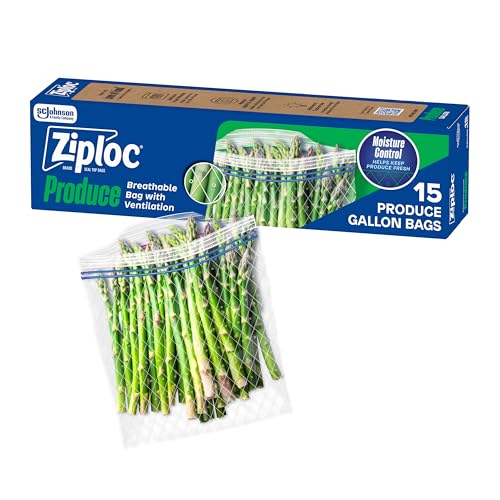
Moisture Control: Ziploc Brand gallon reusable produce bags with moisture control help keep produce fresh

Cleaning and Drying Techniques
Cleaning lettuce properly helps remove dirt and pesticides. Start by removing any damaged outer leaves. Rinse the remaining leaves gently under cold water. Avoid soaking them, as excess moisture leads to spoilage.
After washing, drying is crucial. Use a salad spinner to eliminate water effectively. If you don’t have one, pat the leaves dry with a clean kitchen towel or paper towel. Ensure all moisture is removed before storing.
Proper Packaging Methods
Packaging plays a significant role in extending lettuce freshness. Use a perforated plastic bag to allow airflow while keeping moisture at bay. Avoid tight seals, as trapped air promotes wilting.
Place a dry paper towel inside the bag to absorb any residual moisture. This simple step prevents sogginess, which can accelerate spoilage. Store the bag upright in your refrigerator’s crisper drawer for optimal temperature and humidity control.
Effective Preservation Techniques
Preserving lettuce freshness requires specific techniques. Implementing the right methods enhances its lifespan and flavor while minimizing waste.
Recommended Products

Extra-Large Ice Blocks – Our 4-pack of giant ice cube molds creates a total of 32LB of ice, with each ice block mold measuring 11.62" x 6.69" x 4.72". Perfect for ice baths, coolers, and recovery therapy, these large ice molds ensure long-lasting cooling without frequent refills. A must-have for cold plunge ice baths and home recovery setups.

XL Capacity for Ice Baths: Each cold plunge ice mold makes a 7.7 LB extra-large ice cube (15.4 LBS total). No need to add ice cubes frequently. These giant ice bath molds create long-lasting ice bricks for cold plunge to keep your water cool!
Freezing Lettuce
Freezing lettuce isn’t a conventional method, but it’s effective. You can freeze lettuce if you plan to use it in cooked dishes. Start by washing and thoroughly drying the leaves to avoid ice crystals. Chop the leaves into desired sizes, then blanch them for 2-3 minutes in boiling water. Quickly transfer the leaves to an ice bath to stop cooking, drain, and pack them in airtight bags. Store them in the freezer for up to 6 months. Remember, defrosted lettuce will lose its crispness, making it suitable only for soups and stir-fries.
Using Vinegar Solutions
Using vinegar solutions can extend lettuce freshness. Vinegar serves as a natural preservative. Mix one part vinegar with three parts water in a basin. Soak the lettuce leaves for a few minutes, then rinse under cold water to remove the vinegar taste. Dry the leaves using a salad spinner or pat them with a clean towel. Store the dried leaves in a perforated bag. This method not only slows spoilage but also adds a slight tangy flavor, making your salads more interesting.
Conclusion
Keeping your lettuce fresh longer is easier than you might think. By following the right storage techniques and handling practices you can enjoy vibrant greens for days. Remember to store your lettuce in the crisper drawer and use a perforated bag with a paper towel to manage moisture.
Regularly checking for freshness ensures you catch any wilting early. And don’t forget the fun options like freezing or using vinegar solutions to preserve your lettuce. With a little care you can reduce waste and savor those fresh salads just the way you like them. Happy munching!
Frequently Asked Questions
How can I keep my lettuce fresh longer in the refrigerator?
To keep lettuce fresh, store it in a cool, dark place like the crisper drawer of your fridge, ideally between 32°F and 36°F. Use a perforated plastic bag with a paper towel inside to absorb excess moisture and allow air circulation. Avoid washing the lettuce before storage, and instead, dry fully washed produce before sealing it in the bag.
What should I look for to determine if my lettuce is still good?
Check for crisp leaves and vibrant color. Avoid lettuce that is wilted, discolored, or has brown spots. Regularly inspect your lettuce to ensure it maintains its freshness for the best taste and nutritional value.
How long can different types of lettuce last in the refrigerator?
Generally, Romaine lasts up to 10 days, Butterhead up to 7 days, Green Leaf up to 5 days, and Iceberg can last up to 14 days when stored properly in optimal conditions.
Can I freeze lettuce, and if so, how?
Yes, you can freeze lettuce. Wash and dry it thoroughly, then blanch for a couple of minutes. Cool it down quickly, pack it into airtight containers or freezer bags, and store in the freezer for up to 6 months for use in cooked dishes.
What is the best way to wash lettuce before storing it?
Remove any damaged outer leaves, then rinse the remaining leaves gently under cold water without soaking them. Pat the leaves dry or use a salad spinner to eliminate moisture before storage to prevent spoilage.
