

Have you ever spotted water lettuce floating gracefully on a pond or lake? This vibrant plant not only adds beauty to our waterways but also plays a role in the ecosystem. Understanding how water lettuce spreads can help you appreciate its impact and manage its growth in your local environment.
You might be wondering why this plant seems to pop up in various water bodies seemingly overnight. In this article, you’ll learn about the fascinating ways water lettuce reproduces and spreads. Whether you’re a gardener, an environmentalist, or just curious, grasping the spread of water lettuce will empower you to make informed decisions about managing this unique aquatic plant.
Key Takeaways
- Water Lettuce Overview: Water lettuce (Pistia stratiotes) thrives in warm, nutrient-rich waters, contributing to aquatic ecosystems by providing habitat and shading water bodies to suppress algae.
- Reproduction Methods: The plant primarily spreads through vegetative reproduction, producing offsets that detach and float away, while seed production occurs less frequently.
- Ideal Growth Conditions: Water lettuce flourishes in warm, stagnant waters with temperatures between 70°F and 100°F, relying on abundant nutrients and sunlight for rapid growth.
- Ecological Impact: Dense mats of water lettuce can overshadow submerged plants, disrupt food chains, and decrease oxygen levels in the water, posing challenges to local aquatic ecosystems.
- Economic Implications: Overgrowth can impede recreational activities and affect agricultural irrigation, necessitating careful monitoring and management to mitigate economic issues.
Overview of Water Lettuce
Water lettuce (Pistia stratiotes) is a floating aquatic plant known for its rosette shape and vibrant green leaves. This plant thrives in warm, slow-moving waters like ponds and marshes. Water lettuce plays a crucial role in aquatic ecosystems by providing habitat for fish and other wildlife. Its leaves can shade and cool water bodies, helping to reduce algae growth.
Water lettuce reproduces primarily through vegetative propagation. Offsets, or daughter plants, form at the base of mature plants. Each mother plant can produce multiple offsets within a growing season. Each offset detaches easily and floats away, allowing for quick expansion across water surfaces.
Water lettuce can adapt to various environments, but it prefers nutrient-rich water. Its growth can become rapid in optimal conditions, leading to dense mats that may hinder other aquatic plants and disrupt local ecosystems. Monitor water lettuce populations closely to prevent overgrowth and ensure ecological balance.
Methods of Spreading
Water lettuce primarily spreads through two methods: vegetative reproduction and seed production. Both methods contribute to its rapid and extensive growth in aquatic environments.
Recommended Products
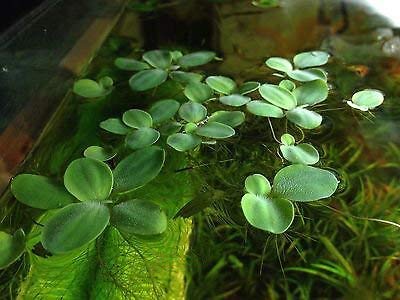
12 Dwarf Water Lettuce, Pistia stratiotes, Live Aquarium/Floating/Aquatic Plant

LIVE PLANTS: Package includes 5 fresh water plants with vibrant green leaves and buoyant bulbs for immediate pond use

Please see PRODUCT DESCRIPTION / ADDITIONAL IMAGES for DETAILS (quantities, size etc.)
Vegetative Reproduction
Vegetative reproduction is the main way water lettuce spreads. As mature plants grow, they produce offsets at their bases. These offsets, or young plants, can easily detach and float away. Once they settle into a suitable location, they establish themselves and continue to grow. This process allows water lettuce to cover large areas quickly. In ideal conditions with ample nutrients and sunlight, a single plant can lead to the formation of extensive mats in just a few weeks.
Seed Production
Water lettuce also produces seeds, although this method is less common. The plant generates small, buoyant seeds that can disperse across water bodies. While seed production contributes to the overall population, the primary method of spread remains vegetative propagation. Seeds can germinate into new plants under favorable conditions, adding to the plant’s ability to colonize new areas, but it usually occurs alongside vegetative methods for maximum effect.
Environmental Conditions for Spreading
Water lettuce thrives in specific environmental conditions that encourage its rapid growth and spread. Understanding these factors helps in managing the plant’s populations effectively.
Recommended Products

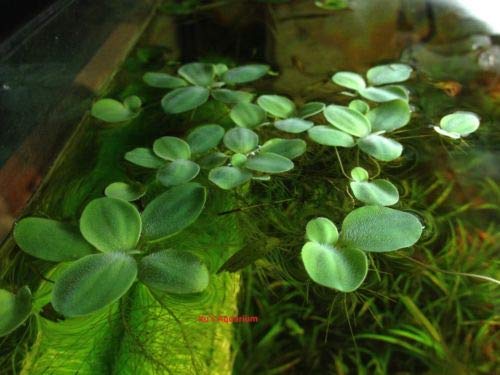
You will recieve 100+ leaves dwarf water lettuce grown in my personal home fish tanks with the utmost care!

12+ LEAVES: You will receive plants with a combined total of 12 leaves or more (see 2nd pic for approximate size)
Ideal Water Conditions
Water lettuce prefers warm, stagnant waters. Ideal water temperatures range from 70°F to 100°F (21°C to 38°C). You’ll find it flourishing in shallow ponds, marshes, and slow-moving streams. Water quality plays a vital role; nutrient-rich waters with high nitrogen and phosphorus levels promote lush growth. High light availability aids photosynthesis, further enhancing its spread. For instance, water lettuce can cover entire pond surfaces if the conditions align, creating dense mats that block sunlight for other aquatic plants.
Climate Influence
Climate significantly impacts water lettuce distribution. This plant favors tropical and subtropical climates, but it can adapt to various conditions. You’ll notice water lettuce thriving in regions with warm temperatures and ample rainfall. However, it struggles in colder climates, especially when temperatures drop below freezing. Seasonal changes can affect growth rates; for example, prolonged warm periods can lead to rapid expansion, while winter can slow or halt growth. Understanding local climate patterns helps predict water lettuce behavior and spread in your area.
Impact of Water Lettuce Spread
Water lettuce spreads rapidly, leading to significant ecological and economic implications. Understanding these impacts is crucial for managing this aquatic plant effectively.
Recommended Products

IMPORTANT: Please note that during times of extreme weather, live plants will suffer due to extreme temperatures. During winter, do not order live plants when temperatures are expected to go below 20F at the lowest point during the day. During summer, avoid ordering plants when temperatures are above 100F.
You get 1 Water Lettuce 3-5" in diameter ready to float on your pond

LIVE PLANTS: Package includes 4 Extra Large fresh water Lettuce plants with vibrant green leaves and buoyant bulbs for immediate pond use
Ecological Concerns
Water lettuce can disrupt local ecosystems. Dense mats formed by the plant limit sunlight access for submerged plants, which affects their growth and disrupts food chains. Fish and other aquatic wildlife depend on these submerged plants for habitat and food. Additionally, reduced sunlight may lead to decreased oxygen levels in the water, harming aquatic life. Keeping an eye on water lettuce spread in local environments helps maintain a balanced ecosystem.
Economic Effects
Water lettuce also presents economic challenges. In recreational areas, dense growth can hinder activities like fishing, boating, and swimming, leading to a decline in tourism and recreational revenues. In agricultural settings, overgrowth may affect irrigation systems and drainage, increasing maintenance costs. Regular monitoring and management of water lettuce populations can prevent these economic impacts while preserving local waterways for community enjoyment.
Conclusion
Water lettuce is a fascinating plant that can transform your local waterways. Its ability to spread quickly can be both a blessing and a challenge. By understanding how it reproduces and the conditions it thrives in, you can take steps to manage its growth effectively.
Whether you’re a gardener or someone who enjoys nature, being aware of water lettuce’s impact on the ecosystem is crucial. Keeping an eye on its spread will help maintain the balance of your aquatic environments. Embracing this knowledge empowers you to protect and enjoy your waterways for years to come.
Frequently Asked Questions
What is water lettuce?
Water lettuce (Pistia stratiotes) is a floating aquatic plant characterized by its rosette shape and lush green leaves. It thrives in warm, slow-moving waters like ponds and marshes, enhancing both beauty and ecosystem health.
How does water lettuce reproduce?
Water lettuce primarily reproduces through vegetative propagation, forming offsets that can detach and float away to expand rapidly. It can also produce small seeds, but this method is less common.
Where does water lettuce grow best?
Water lettuce flourishes in warm, stagnant waters, ideally between 70°F to 100°F (21°C to 38°C). It prefers nutrient-rich environments like shallow ponds, marshes, and slow-moving streams, with plenty of sunlight.
What are the ecological impacts of water lettuce?
Dense mats of water lettuce can block sunlight for other submerged plants, disrupting local ecosystems. This affects growth, food chains, and aquatic wildlife, ultimately impacting overall biodiversity.
How does water lettuce affect local economies?
Water lettuce can hinder recreational activities such as fishing, boating, and swimming, which negatively affects tourism and local revenues. Additionally, overgrowth can complicate irrigation systems, raising maintenance costs for agricultural settings.
What management strategies can be used for water lettuce?
Regular monitoring and management of water lettuce populations are essential. Strategies include physical removal, promoting competition from native plants, and maintaining healthy water conditions to prevent overgrowth and ecological disruption.
