

Have you ever opened your fridge to find your romaine lettuce has turned an unexpected shade of red? It can be puzzling and a bit concerning. You might wonder if it’s still safe to eat or if it’s time to toss it out.
Key Takeaways
- Color Change Reasons: Romaine lettuce can turn red due to natural color variations, environmental factors, nutrient deficiencies, and age, and it doesn’t always indicate spoilage.
- Environmental Factors: Excessive exposure to sunlight and temperature fluctuations can lead to a reddish hue, which is a protective response by the plant.
- Nutritional Impact: Red romaine lettuce may still retain some nutritional benefits, such as antioxidants from anthocyanins, but freshness is crucial for optimum vitamin content.
- Assessing Freshness: To ensure romaine lettuce is safe to eat, check for vibrant color, crisp texture, and absence of foul odors. Signs of wilting or browning indicate it may not be fresh.
- Storage Practices: Maintain freshness by storing lettuce in a cool refrigerator, limiting moisture, and keeping it away from ethylene-producing fruits.
- Selection Tips: Choose whole heads of romaine that are bright green and firm, inspecting both the leaves and the base for freshness indicators.
Understanding Romaine Lettuce Color Changes
Romaine lettuce can show various color changes, particularly turning red. This shift can be caused by multiple factors, impacting not only the appearance but also your decision to consume or discard it.
Natural Color Variations
Romaine lettuce naturally exhibits color variations. Young leaves might appear bright green, while older leaves can develop shades of red or purple. These colors can signal different growth stages. For example, exposure to sunlight encourages anthocyanin production, resulting in a reddish hue. This natural progression usually doesn’t indicate spoilage.
Factors Influencing Color Change
Several factors can contribute to color changes in romaine lettuce:
- Exposure to Light: Direct sunlight or bright indoor lighting can lead to a red tint as plants produce protective pigments.
- Temperature Fluctuations: Significant changes in temperature, especially cold, can cause stress in lettuce, prompting color shifts.
- Age of Lettuce: As lettuce ages, older leaves may take on a red or brown tint, indicating wear.
- Water Levels: Inconsistent watering can affect plant health, leading to color changes.
Knowing these factors helps in assessing the freshness of your romaine lettuce. Keep an eye on color, but also consider smell and texture to determine its quality.
Causes of Red Tinge in Romaine Lettuce
Romaine lettuce can exhibit a red tinge for several reasons. Understanding these causes helps you assess its freshness and safety for consumption.
Environmental Conditions
Environmental factors play a significant role in the coloration of romaine lettuce. If the lettuce gets excessive sunlight during growth, it can develop red or purple hues due to increased anthocyanin production, a natural pigment. Temperature fluctuations, especially cold stress, can also trigger color changes. Storing lettuce in too warm or too cold conditions can lead to this tinge as well. To maintain optimal color and freshness, store your romaine lettuce in a consistent, cool temperature between 32°F and 36°F.
Nutrient Deficiencies
Nutrient deficiencies are another cause of the red tinge in romaine lettuce. A lack of nitrogen or phosphorus can result in poor plant health and affect leaf coloration. Nitrogen promotes leafy green growth, while phosphorus aids root and flower development. When these nutrients are deficient, older leaves may turn red as the plant reallocates resources. Consider using a balanced fertilizer that provides essential nutrients to prevent these deficiencies and promote vibrant, healthy leaves.
Implications of Red Romaine Lettuce
Red romaine lettuce can raise concerns about its edibility, but understanding the implications helps you make informed choices.
Recommended Products

Selected and stored fresh
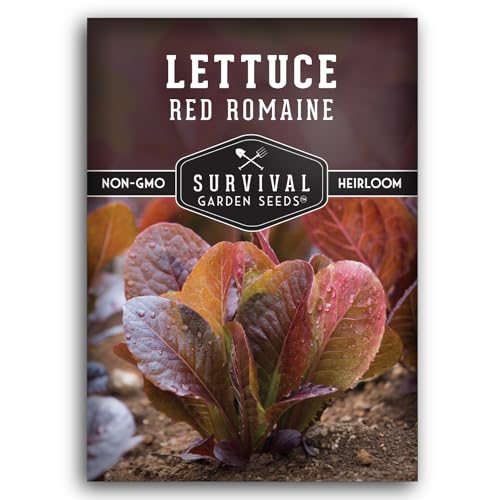
RED ROMAINE SEEDS FOR PLANTING – Striking lettuce has burgundy-to-ruby red leaves with crisp green hearts create a bold contrast in the garden and add vibrant color and flavor to Caesar salad and other dishes

Brought to you by Whole Foods Market
Nutritional Impact
Red romaine lettuce may still offer nutritional benefits, but some changes might occur. Anthocyanins, responsible for the red pigmentation, have antioxidant properties. These compounds can support your health by reducing inflammation and fighting oxidative stress. However, if the lettuce displays signs of wilting or brown spots, nutrient loss may have occurred. Freshness directly impacts the levels of vitamins and minerals. Always check for quality before consumption to maximize nutritional value.
Taste and Texture Changes
Red romaine lettuce can experience taste and texture shifts. Older leaves may turn slightly bitter or more robust in flavor. Texturally, you might notice a change—leaves can become limp or soggy if they’re past their prime. For the best eating experience, select lettuce with a crisp feel and vibrant color. If the lettuce has turned predominantly red but remains firm and fresh, it can still taste great in salads or sandwiches. Always evaluate both appearance and texture to ensure an enjoyable meal.
Maintaining Freshness and Quality
Maintaining freshness and quality in romaine lettuce is crucial for enjoying its flavor and nutritional benefits. Here are key practices to ensure your lettuce stays crisp and vibrant.
Recommended Products

Keep your produce fresh for longer: The PrepSolutions Lettuce Keeper keeps your produce fresh with an adjustable air vent and water reservoir, creating the ideal environment for fresh fruits and vegetables. Item measures 12.5" W x 7.25" D x 5.25" H and weighs 1.14 lbs.

𝐊𝐞𝐞𝐩𝐬 𝐕𝐞𝐠𝐞𝐭𝐚𝐛𝐥𝐞𝐬 𝐅𝐫𝐞𝐬𝐡 𝐋𝐨𝐧𝐠𝐞𝐫: The Home-X salad keeper for refrigerator is designed to preserve the freshness of lettuce, broccoli, cauliflower, and more. It creates an ideal cold, moist storage environment to help your vegetables stay crisp and fresh for longer periods.
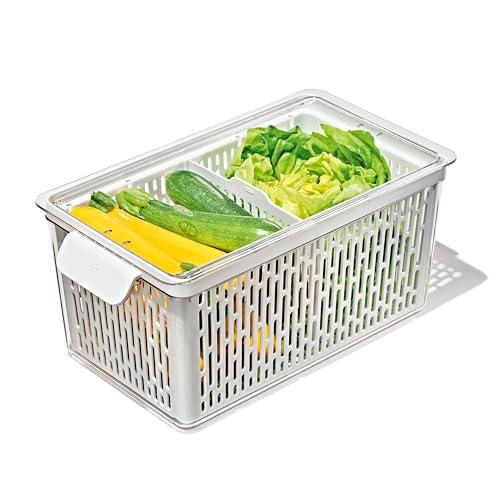
Fridge-friendly storage keeps produce fresh longer
Best Practices for Storage
- Keep it Cool: Store romaine lettuce in the refrigerator at a temperature between 32°F and 36°F for optimal freshness. Avoid areas close to the fridge door, where temperatures may fluctuate.
- Limit Moisture: Use a breathable plastic bag or wrap the lettuce in a damp paper towel. Excess moisture can lead to spoilage, while too little moisture causes dehydration.
- Avoid Ethylene Producers: Keep lettuce away from fruits like apples and bananas. These fruits emit ethylene gas, which accelerates ripening and can lead to faster deterioration of lettuce.
- Store in Crisper Drawer: Place romaine in the crisper drawer of your fridge, which helps maintain humidity levels for leafy greens.
- Check Regularly: Inspect the lettuce frequently for any signs of browning or wilting. Remove any damaged leaves to prevent spoilage from spreading.
- Look for Vibrance: Choose heads of romaine that are bright green and free from brown spots. A rich color indicates freshness and good nutrient content.
- Check the Texture: Gently squeeze the leaves. They should feel crisp and firm. Limp or droopy leaves suggest age and potential loss of quality.
- Inspect the Base: Examine the stem area. It should be moist and free from browning. A dry base can indicate that the lettuce is past its prime.
- Smell It: Fresh romaine lettuce has a mild, pleasant scent. A strong, unpleasant odor indicates spoilage.
- Purchase Whole Heads: Whenever possible, buy whole heads instead of pre-packaged lettuce. Whole heads generally last longer and retain nutrients better.
By implementing these storage practices and knowing how to select fresh romaine lettuce, you can enjoy its crispness and nutritional benefits longer.
Conclusion
Romaine lettuce turning red can be a bit concerning but understanding the reasons behind it helps you make better choices. Remember that color changes can be a natural part of the lettuce’s life cycle and not always a sign of spoilage.
By keeping an eye on the freshness indicators like smell and texture you can enjoy your romaine lettuce without worry. Proper storage practices also play a big role in maintaining its quality. So next time you see that red tinge don’t panic—just check for other signs and enjoy your greens with confidence!
Frequently Asked Questions
Why has my romaine lettuce turned red in the fridge?
Romaine lettuce can turn red due to natural variations in aging leaves or environmental factors like excessive sunlight and temperature changes. These shifts often indicate stress but do not automatically mean the lettuce is unsafe to eat.
Is it safe to eat red romaine lettuce?
Yes, red romaine lettuce is generally safe to eat, provided it doesn’t show signs of spoilage like wilting or brown spots. The red color could indicate more anthocyanins, which have health benefits, but always assess its freshness before consumption.
What causes the red tinge in romaine lettuce?
The red tinge in romaine lettuce is primarily caused by increased anthocyanin production due to excessive sunlight, temperature stress, and nutrient deficiencies. These factors can affect the color but not necessarily the safety of the lettuce.
How should I store romaine lettuce to keep it fresh?
Store romaine lettuce in the refrigerator at a temperature between 32°F and 36°F. Keep moisture low, avoid ethylene-producing fruits, and place it in the crisper drawer for optimal freshness.
What should I look for when selecting romaine lettuce?
Choose romaine lettuce that is vibrant in color, crisp in texture, and free from brown spots. Check the base for freshness and smell it for any off odors, which can indicate spoilage.
Does red romaine lettuce taste different?
Red romaine lettuce can have a slightly bitter taste, especially in older leaves, due to changes in leaf structure. Fresh, crisp leaves will have a better flavor and texture, regardless of color.
How do environmental factors affect romaine lettuce quality?
Environmental factors like light, temperature, and watering practices can lead to color changes and affect the overall quality of romaine lettuce. Consistent conditions promote better growth and flavor, while stress can result in undesirable changes.
