

Wondering how often you should water your lettuce? You’re not alone! Many new gardeners struggle with finding the right balance. Too little water can lead to wilted leaves, while too much can cause rot.
Key Takeaways
- Optimal Watering Amount: Aim for 1 to 1.5 inches of water per week for healthy lettuce growth, adjusting for rainfall and climate conditions.
- Watering Frequency: Water seedlings every 2 to 3 days, while mature lettuce typically requires watering every 3 to 5 days, especially during hot weather.
- Climate and Soil Impact: Consider your local climate and soil type when determining watering frequency. Sandy soils may need daily watering, while clay retains moisture longer.
- Variety-Specific Needs: Different lettuce varieties have unique water requirements; leafy greens need consistent moisture, while Romaine can tolerate slight dryness.
- Recognizing Symptoms: Watch for signs of overwatering, such as yellowing leaves and mushy roots, or signs of underwatering, like drooping leaves and crispy edges.
- Importance of Consistent Moisture: Maintaining consistent moisture levels influences the growth, flavor, and overall health of your lettuce plants.
Importance Of Watering Lettuce
Watering lettuce correctly is crucial for its overall health and productivity. Proper hydration affects growth, flavor, and the plant’s ability to withstand pests and diseases.
Impact On Growth
Lettuce requires consistent moisture for optimal growth. Watering too infrequently stresses the plant, causing wilting and stunted development. Aim to provide about 1 to 1.5 inches of water per week, either through rainfall or manual watering. Use methods like drip irrigation to keep soil moisture levels stable.
Effects On Flavor
Watering also influences the flavor profile of lettuce. Consistent watering improves sweetness and crispness. Lettuce varieties like Romaine thrive with even moisture, resulting in a delicate, sweet taste. Fluctuations in water levels can lead to bitterness, especially in leaf lettuce. Maintaining a regular watering schedule helps ensure your lettuce remains flavorful and enjoyable.
Factors Influencing Watering Frequency
Watering frequency for lettuce varies based on several factors. Consider these key elements to determine your specific watering needs.
Recommended Products

Trusted Since 2015: Become one of the many plant lovers who rely on the proven accuracy of XLUX. Established in 2015, our soil moisture meter has earned over 60,000+ verified ratings for its consistent performance. While many many newer brands come and go, we provide the long-term reliability and quality that American households have trusted for over a decade.

Accurate Soil Moisture Detection: The XLUX Soil Moisture Meter can tell you if the soil deep inside your pot or garden is dry, moist or wet; whereas your eyes and fingers can only determine the moisture level of the soil surface. The probe is 5.5 inches (14 cm) longer than regular styles, allowing it to measure the soil moisture at the bottom of larger and deeper flower pots.
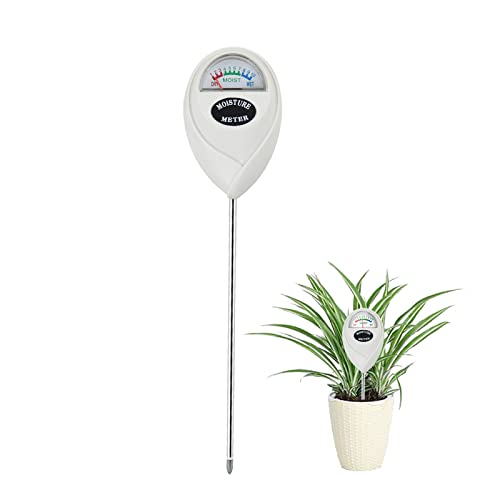
【SAVE YOUR PLANTS】: Over watering can cause problems with your plants or even kill them. This soil moisture meter helps you know the soil is dry, moist or wet.No more over watering!
Climate Conditions
Climate significantly affects how often you water lettuce. In hot, dry climates, you’ll need to increase watering frequency due to rapid evaporation. During cooler, humid conditions, less frequent watering suffices. Monitor weather patterns and adjust as needed. For example, during a heatwave, daily watering might be necessary, while rainstorms could reduce or eliminate watering for several days.
Soil Type
Soil type plays a crucial role in how well water retains. Sandy soils drain quickly, often needing daily watering. Clay soils, on the other hand, retain moisture longer and require less frequent watering. For instance, if your lettuce grows in sandy loam, aim for 1 to 1.5 inches of water per week, while heavy clay might only need watering every few days. Conduct a soil moisture test by sticking your finger about an inch deep; if it feels dry, it’s time to water.
Lettuce Variety
Different lettuce varieties have varying water needs. Leafy greens like loose-leaf lettuce thrive with consistent moisture. In contrast, Romaine or head varieties may tolerate slight dryness. You might find that crisphead lettuce requires more frequent watering than butterhead types. Pay attention to your specific variety and adjust watering based on its response to soil conditions and climate.
Recommended Watering Schedule
Establishing a consistent watering schedule ensures healthy lettuce growth. Aim for 1 to 1.5 inches of water per week, adjusting based on environmental conditions and plant development.
Recommended Products
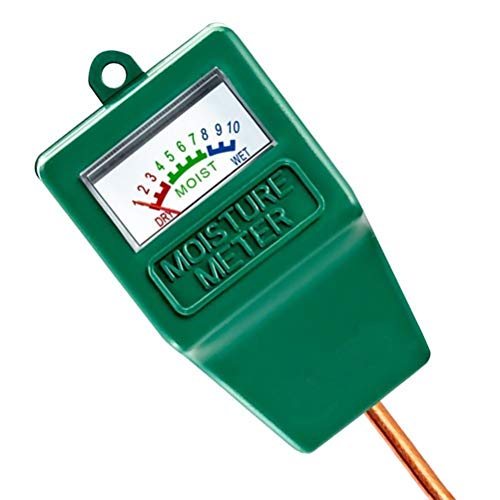
Soil Moisture Meter: This single probe soil moisture meter is specially designed for testing the moisture level in the soil, helps you decide whether the plants need water or not, helps to keep plants alive.

Accurate Monitor: Visible window from blue to white as soil moisture decreases. One glance tells you if there's a water shortage.

Kindly NOTE: This soil tester can not be applied to test pH value of any other liquid. If the soil is too dry the indicator will not move, and water it before testing.
Seedlings
Water seedlings every 2 to 3 days, keeping the soil consistently moist but not soggy. Use a spray bottle or gentle watering can to avoid disturbing the young plants. Monitor the moisture levels closely, as seedlings are sensitive to dry conditions. If seedlings develop droopy leaves, increase watering frequency slightly.
Mature Lettuce
For mature lettuce, water every 3 to 5 days, depending on the climate and soil type. During hot, dry spells, check the soil daily. Adjust your watering method to deliver water directly to the base of the plants, minimizing evaporation. Recognize signs of overwatering, such as yellowing leaves, and let the soil dry out slightly between watering. Consistent moisture at this stage promotes crispness and flavor, enhancing your harvest.
Signs Of Overwatering And Underwatering
Recognizing the signs of overwatering and underwatering helps you maintain healthy lettuce. Each condition presents distinct symptoms.
Recommended Products

Accurate Soil Moisture Detection: The XLUX Soil Moisture Meter detects deep soil moisture in pots or gardens (dry/moist/wet), unlike eyes or fingers that only sense surface soil.
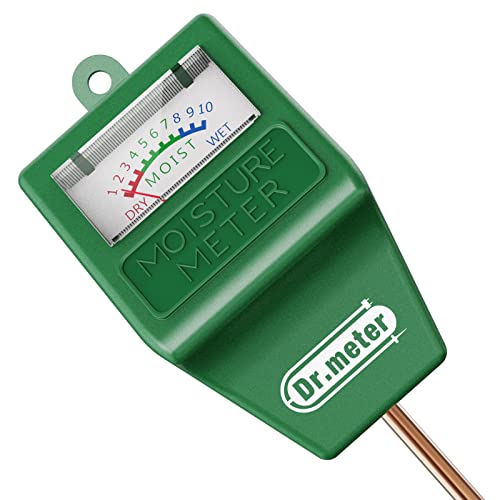
Compact & Portable: Have you been sticking your finger in the soil hoping to feel when it's time to water? Why not eliminate the guesswork and keep your hands clean when you use the Dr.meter Soil Moisture Sensor Meter! Know the right time to water your garden, farm, lawn and houseplants, anytime.

【Plug and play】Plant moisture meter no battery required, just insert the probe tip into soil to the plant root level for several minutes, you can get the test result from the indicator pointer immediately and help your plants grow healthy.
Overwatering Symptoms
- Yellowing Leaves: If your lettuce leaves start turning yellow, it’s often a sign of overwatering. The roots can’t absorb oxygen efficiently.
- Wilting Despite Moist Soil: You might notice leaves wilting even when the soil feels wet. This occurs due to root rot limiting water uptake.
- Mushy Roots: Checking the roots can reveal if they’re mushy or brown. Healthy roots are firm and white. Signs of decay indicate excess water.
- Fungal Growth: Increased moisture encourages mold and fungus. If you spot gray or black spots on leaves, it’s likely a result of overwatering.
- Drooping Leaves: Lettuce shows visible signs of stress with droopy leaves when not receiving enough water. This signals it’s thirsty.
- Crispy Edges: If the edges of the leaves feel dry and crisp, underwatering is likely the culprit. You might notice this first on outer leaves.
- Slow Growth: Stunted growth indicates insufficient hydration. Your lettuce might seem smaller and less vibrant than expected.
- Color Changes: Leaves may turn a dull green or brown due to lack of moisture. Healthy lettuce exhibits a bright, vibrant color.
Maintaining consistent moisture ensures your lettuce thrives. Adjust your watering habits based on these symptoms to keep your plants healthy and productive.
Conclusion
Finding the right balance in watering your lettuce can make all the difference in your garden. By keeping an eye on your plants and adjusting based on their needs and the weather, you’ll set yourself up for success. Remember that consistent moisture is key to growing sweet and crisp lettuce.
Don’t forget to check for signs of overwatering or underwatering so you can make timely adjustments. With a little attention and care, you’ll enjoy a bountiful harvest of delicious lettuce that’s sure to impress. Happy gardening!
Frequently Asked Questions
How often should I water my lettuce?
To ensure healthy growth, water lettuce about 1 to 1.5 inches per week. Adjust this based on factors like climate, soil type, and plant variety. In hot conditions, more frequent watering may be needed, while cooler and humid climates require less.
What happens if I overwater my lettuce?
Overwatering can lead to yellowing leaves, wilted plants, and mushy roots. It may also encourage fungal growth, which can harm your lettuce. Always check soil moisture to avoid excessive watering.
What are the signs of underwatering lettuce?
Underwatered lettuce shows drooping leaves, crispy edges, slow growth, and color changes. If you notice these symptoms, increase your watering frequency to provide consistent moisture.
How can I enhance the flavor of my lettuce?
Consistent watering significantly impacts lettuce flavor. Keeping the soil evenly moist can enhance the sweetness and crispness of the leaves, while fluctuations in moisture can lead to bitterness, especially in leaf varieties.
When should I water seedlings versus mature lettuce?
Water seedlings every 2 to 3 days to keep the soil moist without sogginess. For mature lettuce, check daily in hot weather and water every 3 to 5 days, ensuring each plant gets adequate moisture at the base.
