

Ever wondered how that crisp romaine lettuce makes its way to your salad bowl? You’re not alone. Many people enjoy the fresh taste of romaine but don’t know much about its journey from seed to harvest.
Growing romaine lettuce is easier than you might think. Whether you’re a seasoned gardener or just starting, this article will guide you through the simple steps of cultivating this nutritious green. You’ll learn about the ideal conditions it needs, common challenges you might face, and tips for a bountiful harvest. By the end, you’ll feel confident enough to grow your own romaine and enjoy the satisfaction of homegrown produce.
Key Takeaways
- Ideal Growing Conditions: Romaine lettuce thrives in cooler temperatures (60°F to 70°F) and prefers well-draining, fertile soil with a pH of 6.0 to 7.0.
- Growth Stages: Understand the growth stages from seed germination to harvesting, typically taking 60 to 80 days, and ensure proper care at each stage.
- Common Challenges: Be aware of common pests (like aphids and slugs) and diseases (such as downy mildew) that may affect growth, and learn to implement organic control methods.
- Crop Care Techniques: Regular watering (about 1 inch per week) and appropriate fertilization every few weeks help ensure healthy plant development and maximize yields.
- Harvesting Tips: Harvest when plants are 8 to 12 inches tall, using techniques like whole head removal or cut-and-come-again for continuous growth.
- Propagation Methods: Starting romaine lettuce from seeds or transplanting seedlings are effective methods for successful cultivation and a bountiful harvest.
Overview of Romaine Lettuce
Romaine lettuce, known for its crisp texture and rich flavor, thrives in a variety of growing conditions. This leafy green prefers cooler temperatures, generally ranging from 60°F to 70°F. It’s ideal to plant romaine in early spring or late summer for a successful harvest.
Growth Stages
- Seed Germination: Seeds sprout within 7 to 12 days when planted in well-draining soil. Keep soil moist but not waterlogged.
- Seedling Development: After sprouting, seedlings develop true leaves in about 2 weeks. At this stage, provide them with ample sunlight, ideally 6 to 8 hours daily.
- Mature Planting: Once seedlings reach 4 to 6 inches in height, thin them to ensure proper spacing. Space plants about 12 inches apart for optimal growth and airflow.
- Harvesting: Romaine lettuce is ready for harvest in 60 to 80 days. Cut the heads at the base but leave some of the lower leaves, allowing for potential regrowth.
Ideal Growing Conditions
- Soil: Use well-draining, fertile soil with a pH of 6.0 to 7.0. Organic matter, like compost, enhances nutrient levels.
- Watering: Maintain consistent moisture. Water deeply but infrequently, aiming for about 1 inch per week.
- Sunlight: Position plants to receive full sun, particularly in cooler climates. In hotter conditions, partial shade helps prevent bolt.
Common Challenges
- Pests: Watch out for aphids and caterpillars. Use organic insecticidal soap or introduce beneficial insects like ladybugs to control them.
- Diseases: Fungal issues like downy mildew may arise. Ensure good air circulation and remove any infected leaves promptly.
- Rotate Crops: Rotate your romaine with other crops to prevent soil depletion and reduce disease risks.
- Mulch: Apply mulch to retain moisture and suppress weeds.
- Fertilize: Use a balanced fertilizer every few weeks to promote lush growth.
By following these guidelines, you can grow healthy romaine lettuce and enjoy homegrown salads rich in flavor and nutrition.
Ideal Growing Conditions
Romaine lettuce thrives under specific conditions that enhance its growth and flavor. Understanding these ideal conditions helps you cultivate a bountiful harvest.
Recommended Products

Disease Resistant Salad Romaine : Parris Island Cos gardening seeds produce tall upright romaine lettuce head growth with crunchy midribs and juicy texture. Mosaic tolerant leaf lettuce seeds for planting outdoors thrive in USDA zones 3–9 with strong field performance.
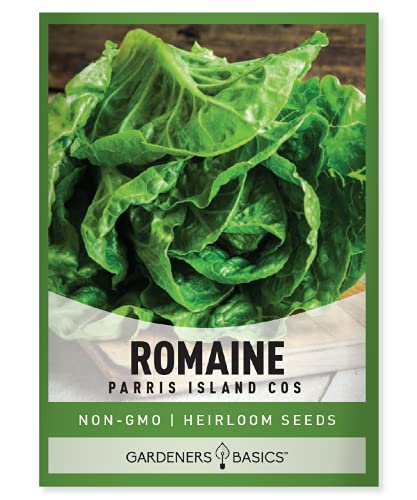
Grow crisp Parris Island Cos romaine with upright green leaves, sturdy ribs, and a mild flavor. A classic choice for salads, lettuce wraps, sandwiches, and fresh harvests from your own garden.

4 Popular Heirloom Lettuce Varieties: Includes Red Romaine, Bibb Butterhead, Black Seeded Simpson, and Green Ice lettuce seeds to grow crisp, tender, and colorful salad greens with balanced flavor, texture, and visual appeal.
Climate Requirements
Romaine lettuce prefers cooler temperatures, ideally between 60°F and 70°F. It tolerates light frosts but struggles in extreme heat. Plant in early spring or late summer to avoid the hottest months. Ensure protection from harsh sunlight, especially in warmer regions. You can extend the growing season with row covers during unexpected cold spells.
Soil Preferences
Romaine lettuce flourishes in well-draining, fertile soil with a pH of 6.0 to 7.0. Use loamy soil enriched with organic matter, like compost, which improves drainage and nutrients. Consider incorporating a balanced fertilizer before planting. Regular soil testing ensures your growing medium meets lettuce requirements. Avoid compacted soil to facilitate root development and enhance growth.
Propagation Methods
Romaine lettuce propagation methods include seed starting and transplanting seedlings. Both methods ensure healthy growth and successful harvests.
Seed Starting
Start romaine lettuce by using high-quality seeds. Plant seeds in seed trays or small pots filled with seed-starting mix. Space seeds about 1 inch apart and cover them with a thin layer of soil. Keep the soil moist but not soggy. Place the trays in a warm area with plenty of sunlight. Ideal germination temperature ranges from 65°F to 75°F. After 7 to 14 days, you’ll notice seedlings emerging. Once seedlings develop two true leaves, they are ready for the next step.
Transplanting Seedlings
Transplant seedlings when they reach about 3 to 4 inches tall. Choose a cloudy day or transplant in the late afternoon to reduce transplant shock. Prepare your garden bed by loosening the soil and adding organic matter. Space seedlings 12 to 18 inches apart in rows. Dig holes deep enough to accommodate the root systems. Place each seedling in the hole and gently firm the soil around it. Water the transplants immediately after planting. Continue to monitor them for pests and diseases, ensuring they have adequate sunlight and moisture.
Care and Maintenance
Caring for romaine lettuce ensures a healthy and abundant harvest. Pay attention to watering practices and fertilization techniques for optimal growth.
Recommended Products

White hearts, leaves have crispy, sweet flavor

High Germination Rate: Enjoy a plentiful harvest with our Romaine Lettuce seed pod featuring excellent germination. Fresh, reliable seeds sourced from USA ensure quick sprouting and healthy growth.

High Germination: Proudly grown in the USA, these romaine lettuce seeds(Lactuca sativa ) bring healthy, natural goodness straight to your garden. Enjoy consistent sprouting with premium-quality Parris Island Romaine Lettuce seeds that grow fast and strong, whether indoors or outdoors.
Watering Practices
Watering requires consistency and care. Aim for about 1 to 1.5 inches of water per week, adjusting for rainfall. Water early in the day to allow plants to absorb moisture before it evaporates. Use a soaker hose or drip irrigation to minimize water waste and ensure saturation at the root level. Check soil moisture regularly; the top inch of soil should feel dry. Deep watering promotes stronger root systems, which helps the plants withstand drought and heat.
Fertilization Techniques
Fertilization supports robust growth. Start with a balanced fertilizer, like a 10-10-10 mix, applied at planting time. Follow up with nitrogen-rich fertilizers, such as fish emulsion or blood meal, two to three weeks after transplanting. Apply fertilizers every four to six weeks, using about 1 tablespoon per square foot around the base of the plants. Avoid over-fertilizing, as this can lead to rapid leaf growth but may reduce flavor. Always water the plants after applying fertilizer to protect the roots and enhance nutrient absorption.
Common Pests and Diseases
Romaine lettuce faces several pests and diseases that can hinder growth and reduce yields. Identifying these threats and taking preventive measures is essential for successful cultivation.
Identification and Prevention
Common pests include aphids, slugs, and leaf miners.
- Aphids: Small, soft-bodied insects that often cluster on new leaves. They suck sap, leading to stunted growth and curled leaves.
- Slugs: Slimy mollusks that create holes in leaves. They thrive in damp conditions and can cause significant damage overnight.
- Leaf Miners: Fly larvae that tunnel through leaves, leaving discolored trails. This damages the leaves and can reduce their marketability.
To prevent infestations, practice good garden hygiene. Remove debris, keep the garden clean, and rotate crops annually. Choosing resistant lettuce varieties also helps reduce vulnerability. Regularly inspecting plants for early signs of pests ensures swift intervention.
Organic Control Methods
Combatting pests organically is effective and environmentally friendly. Utilize the following methods:
- Neem Oil: Spray neem oil on affected plants. This natural insecticide disrupts pest feeding and hinders their development.
- Diatomaceous Earth: Sprinkle food-grade diatomaceous earth around seedlings. This powder dehydrates pests like slugs and prevents them from reaching the plants.
- Companion Planting: Planting garlic or marigolds alongside romaine lettuce repels unwanted insects. Their strong scents confuse pests.
- Beneficial Insects: Introduce ladybugs or lacewings, which feed on aphids and other harmful pests. This promotes a balanced ecosystem in your garden.
Consistent monitoring and swift action can help keep romaine lettuce healthy and productive. Adopting these methods enables you to enjoy fresh, homegrown lettuce while minimizing chemical exposure.
Harvesting Romaine Lettuce
Harvesting romaine lettuce requires timing and technique to ensure the best flavor and quality. Look for specific signs that indicate when it’s ready to cut.
Signs of Maturity
You can tell romaine lettuce is mature when it reaches about 8 to 12 inches in height and has a deep green color. Leaves should appear crisp and slightly firm, with tightly packed heads. If the outer leaves start to turn yellow or become loose, it’s time for harvesting. Check for a tight heart in the center; a well-formed heart indicates readiness. Harvesting too late can result in bitter flavors from the plant bolting to seed.
Harvesting Techniques
You can harvest romaine lettuce using two primary techniques: whole head harvest and cut-and-come-again.
- Whole Head Harvest:
- Grab the base of the head with your hand.
- Use a sharp knife to cut about an inch above the soil line.
- Remove any damaged outer leaves.
- Cut-and-Come-Again:
- Pinch or cut the outer leaves about 1 to 2 inches above the soil line.
- Allow the inner leaves to continue growing for future harvests.
For both methods, aim to harvest in the morning when temperatures are cooler. This process enhances leaf freshness and extends shelf life. Store your harvested romaine in a cool, dark place or in the refrigerator for the best quality.
Conclusion
Growing romaine lettuce can be a rewarding experience that adds freshness to your meals. With the right conditions and care you can enjoy a bountiful harvest right from your garden. Remember to keep an eye on your plants for any signs of pests or diseases and don’t hesitate to use organic methods to protect your crop.
Whether you’re a seasoned gardener or just starting out you’ll find that nurturing romaine lettuce is both fun and fulfilling. So grab your seeds and get ready to enjoy the crisp, delicious taste of homegrown romaine in your next salad. Happy gardening!
Frequently Asked Questions
What is the best time to plant romaine lettuce?
Romaine lettuce should be planted in early spring or late summer to avoid extreme heat. This timing helps ensure optimal growth conditions, as romaine thrives in cooler temperatures between 60°F and 70°F.
How do I start romaine lettuce from seeds?
To start romaine lettuce from seeds, use high-quality seeds in trays or pots filled with seed-starting mix. Ensure proper spacing, keep the soil moist, and maintain germination temperatures between 65°F and 75°F.
What are the ideal growing conditions for romaine lettuce?
Romaine lettuce grows best in well-draining, fertile soil with a pH of 6.0 to 7.0. They thrive with consistent watering of about 1 to 1.5 inches per week and receive plenty of sunlight.
How can I prevent pests and diseases in my romaine lettuce?
Prevent pests and diseases by maintaining garden hygiene, rotating crops, and choosing resistant varieties. Use organic methods such as neem oil or diatomaceous earth and consider introducing beneficial insects.
When is romaine lettuce ready to harvest?
Romaine lettuce is ready to harvest when it reaches 8 to 12 inches in height, displays a deep green color, and has tightly packed leaves. Harvesting should be done in the morning for freshness.
What are the two main harvesting methods for romaine lettuce?
The two main harvesting methods are the whole head harvest and cut-and-come-again. The whole head method involves cutting the entire plant, while the cut-and-come-again technique allows for multiple harvests from the same plant.
How can I store harvested romaine lettuce properly?
To maintain the quality of harvested romaine lettuce, store it in a plastic bag in the refrigerator. Ensure the leaves are dry, as excess moisture can lead to wilting or rot. Use within a week for best freshness.
