

Have you ever wondered if you can share your salad greens with your feathered friends? Chickens are known for their diverse diet, but not all vegetables are created equal. Romaine lettuce might seem like a healthy treat, but is it safe for your flock?
Imagine this: you’ve got a fresh head of romaine just sitting in your fridge, and you’re tempted to toss some scraps to your chickens. This article will help you understand whether romaine lettuce is a good option for your birds. You’ll discover the benefits and potential risks, ensuring you keep your chickens happy and healthy.
Key Takeaways
- Chickens can safely consume romaine lettuce, which offers hydration and essential nutrients beneficial for their health.
- Romaine lettuce is low in calories and rich in vitamins A, C, and K, along with minerals like calcium and potassium.
- When feeding romaine, wash it thoroughly, chop it into manageable pieces, and limit its amount to no more than 10-15% of their total diet.
- Always introduce new foods gradually to avoid digestive upset and monitor your chickens for any adverse reactions.
- Consider pesticide residues and choose organic romaine whenever possible to prioritize your chickens’ health.
- Freshness is key; serve romaine lettuce shortly after preparation to ensure maximum nutrient retention.
Can Chickens Have Romaine Lettuce?
Yes, chickens can eat romaine lettuce. It’s a safe addition to their diet and offers several benefits. Romaine lettuce provides hydration and essential nutrients while introducing variety into your flock’s meals.
Nutritional Benefits
Romaine lettuce is low in calories yet high in nutrients. Key nutrients include:
- Vitamins: A, C, K. These vitamins support immune health and vision.
- Minerals: Calcium and potassium. They promote bone health and regulate bodily functions.
- Fiber: Aids digestion and keeps your chickens healthy.
Including romaine lettuce as a treat can help diversify your chickens’ diets.
Serving Suggestions
When feeding romaine lettuce to your chickens, follow these suggestions:
- Wash Thoroughly: Rinse the lettuce to remove pesticides or contaminants.
- Chop into Smaller Pieces: Cut leaves into manageable bits for easier consumption.
- Limit Quantity: Offer romaine in moderation, as it shouldn’t replace the primary feed.
Preparation Tips
To prepare romaine lettuce for your chickens:
- Choose Fresh Leaves: Look for vibrant, green leaves without wilt or browning.
- Remove Wilted Parts: Discard any damaged sections before feeding.
- Serve Fresh: Offer lettuce shortly after preparation to maintain freshness.
Consider Precautions
While romaine lettuce is beneficial, avoid overfeeding. A treat should consist of no more than 10-15% of your chickens’ total diet. Watch for any adverse reactions; some chickens may prefer other greens. Always introduce new foods gradually to prevent digestive upset.
Conclusion
Incorporating romaine lettuce into your chickens’ diets adds variety and nutrition. By following these simple tips, you can ensure your flock remains happy and healthy.
Nutritional Benefits of Romaine Lettuce
Romaine lettuce offers various nutritional benefits that can support your chickens’ health. This leafy green serves as a source of hydration and essential nutrients, making it a valuable addition to their diet.
Vitamins and Minerals
Romaine lettuce contains vital vitamins and minerals, including:
- Vitamin A: Supports eye health and boosts the immune system.
- Vitamin C: Acts as an antioxidant and enhances overall wellness.
- Vitamin K: Plays a role in blood clotting and bone health.
- Calcium: Essential for strong bones and egg production.
- Potassium: Helps regulate fluid balance and muscle function.
These nutrients contribute to your chickens’ well-being and can improve their vitality and productivity.
Healthy Fats and Fiber
Romaine lettuce is low in fat but includes beneficial fiber. The fiber aids digestion, helping to maintain a healthy gut. Additionally, while fats in romaine are minimal, they support nutrient absorption.
Including romaine lettuce alongside their standard feed helps ensure that your flock enjoys a varied and balanced diet, promoting long-term health.
Potential Risks of Feeding Romaine Lettuce to Chickens
Feeding romaine lettuce to chickens can involve certain risks. Understanding these helps you maintain the health of your flock.
Recommended Products
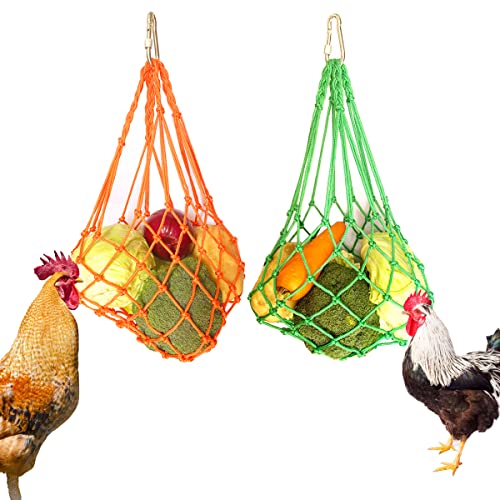
【Materials and Size】: The Vegetable net pockets are made of durable nylon, 24" in length. Big enough and durable enough to hang all kinds of fruits and vegetables such as cabbage lettuce corns tomatoes for your chickens ducks goose to eat.

🕊️【What You Get】:Veggies skewer fruit holder bag(Black),1 Pack Shook. Enough quantity, you can replace it, or use different net bag feeders to hold different kinds of food.

VISUAL FEED LEVEL MONITORING: The bucket allows you to check feed levels at a glance without opening the lid. This time-saving design helps your poultry stays fed and simplifies your daily coop management routine
Pesticide Residue
Pesticide residue poses a significant concern when feeding romaine lettuce. Many commercially grown vegetables, including lettuce, may contain harmful chemicals. Washing the lettuce thoroughly removes some pesticide residues, but it doesn’t guarantee complete safety. Consider buying organic romaine lettuce to minimize exposure to these substances. Always prioritize your chickens’ well-being by ensuring the produce you offer is as clean as possible.
Digestive Issues
Digestive issues can arise when feeding romaine lettuce in excess. While this leafy green is low in fat and provides fiber, too much can disrupt your chickens’ digestive systems. Overindulgence may lead to diarrhea or other gastrointestinal problems. Introduce romaine lettuce gradually, starting with small amounts. Monitor your chickens for any signs of discomfort. If they show adverse reactions, reduce or eliminate this treat from their diet.
How to Safely Introduce Romaine Lettuce to Chickens
Introducing romaine lettuce to your chickens can be a straightforward process when done correctly. Use the following guidelines to ensure a safe and healthy addition to their diet.
Recommended Products
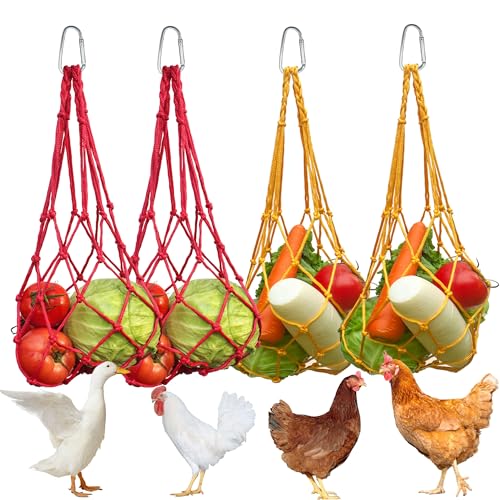
HIGH QUALITY MATERIAL: The vegetable net compartments are 23.6" long and composed of durable nylon. It is reusable, washable, wear- and tear-resistant, and UV-proof. The striking two colors can have a greater recognition rate and give the hens a different kind of foraging experience.

ANTI-ROOSTING REEL - The feeder features a free-spinning reel which discourages roosting on the feeder by making it tough for them to roost on it.

DURABLE MATERIAL: This chicken feeder is made from high quality plastic (Polyethylene), corrosion resistant, discoloration resistant and ageing resistant;
Feeding Guidelines
- Portion Control: Limit romaine lettuce to a small portion of your chickens’ diet. Treats should only account for about 10% of their daily intake.
- Monitor Intake: Observe how your chickens react to romaine lettuce. If they show a preference, you can increase the amount gradually, but always maintain balance with their primary feed.
- Frequency of Feeding: Offer romaine lettuce as an occasional treat. Avoid daily feeding to prevent digestive upset from overconsumption.
- Wash Thoroughly: Rinse the leaves under cold water to remove dirt and pesticides. Even organic options can benefit from washing.
- Cut into Pieces: Chop the lettuce into smaller, bite-sized pieces. This makes it easier for your chickens to eat and reduces the risk of choking.
- Remove Wilted Parts: Discard any wilted or discolored leaves before serving. Freshness ensures better nutrition and appeals to your chickens.
- Serve Fresh: Provide romaine lettuce on the same day it was prepared. Fresh food retains its nutrients and is more enticing to your flock.
By following these guidelines, you ensure a safe and nutritious addition of romaine lettuce to your chickens’ diet, promoting their overall health and well-being.
Conclusion
Romaine lettuce can be a delightful and nutritious treat for your chickens when offered in moderation. By incorporating this leafy green into their diet, you’re adding hydration and essential vitamins that can boost their health and happiness. Just remember to wash it well and serve it fresh.
Keep an eye on your flock’s reactions and adjust their intake as needed. With proper care and attention, you can ensure that romaine lettuce becomes a beneficial addition to your chickens’ meals without any digestive issues. Enjoy watching your chickens thrive with this tasty treat!
Frequently Asked Questions
Can chickens eat romaine lettuce?
Yes, chickens can safely eat romaine lettuce. It provides hydration and essential nutrients, including vitamins A, C, and K, contributing to their overall health and vitality.
What are the health benefits of romaine lettuce for chickens?
Romaine lettuce offers several health benefits for chickens, including hydration, essential vitamins, and minerals like calcium and potassium, which support overall health and productivity.
How should I prepare romaine lettuce for my chickens?
Wash the leaves thoroughly, chop them into smaller pieces, and limit the quantity. Make sure to serve fresh leaves and remove any wilted parts to ensure optimal nutrition.
Is there a risk of feeding romaine lettuce to chickens?
Yes, potential risks include pesticide residue and digestive issues from overconsumption. Washing the lettuce can help reduce pesticide exposure, and it’s essential to introduce it gradually into their diet.
How much romaine lettuce can I feed my chickens?
Treats, including romaine lettuce, should only account for about 10% of a chicken’s daily intake. Monitor their reactions and limit servings to prevent digestive upset.
Should I feed my chickens romaine lettuce every day?
Romaine lettuce should be offered as an occasional treat rather than a daily staple. Regularly serving it can lead to digestive issues, so moderation is key.
