

Have you ever thought about growing your own lettuce but didn’t know where to start? You’re not alone. Many people want fresh greens at their fingertips but feel overwhelmed by the process. The good news is that growing lettuce is simple and rewarding, even for beginners.
Key Takeaways
- Understand Lettuce Varieties: Familiarize yourself with different types of lettuce, such as Iceberg, Romaine, Butterhead, Leaf, and Summer Crisp, each offering unique flavors and textures suitable for various tastes and growing conditions.
- Choose the Right Variety: Select lettuce varieties based on your local climate, desired harvest time, flavor preferences, available growing space, and pest resistance.
- Prepare Your Garden Space: Ensure a well-draining, nutrient-rich soil with a pH of 6.0 to 7.0, and select an optimal location that receives full sunlight for at least 6-8 hours daily.
- Follow Proper Planting Techniques: Decide between starting from seeds or transplants, utilize careful soil preparation, and maintain consistent watering practices to support healthy growth.
- Maintain Care: Regularly water your lettuce, apply organic fertilizers, and manage pests and diseases to promote robust plant health and yield.
- Harvest at the Right Time: Recognize signs of maturity in your lettuce and employ best practices for harvesting to ensure freshness and flavor in your greens.
Understanding Lettuce Varieties
Growing lettuce starts with understanding the different varieties available. Each type offers unique flavors and textures, making it easier to choose one that fits your taste.
Popular Lettuce Types
- Iceberg: Crunchy and crisp, this variety is commonly used in salads and sandwiches. Iceberg enjoys cooler temperatures and takes about 75 days to mature.
- Romaine: Known for its strong leaves and slight bitterness, Romaine provides excellent crunch. It thrives in cooler months and matures in roughly 70 to 80 days.
- Butterhead: Soft and buttery, this lettuce variety has a sweet, mild flavor. Butterhead varieties, such as Boston and Bibb, take around 65 days to harvest.
- Leaf Lettuce: These come in various colors and textures, including red and green varieties. Leaf lettuce grows quickly, ready for harvest in just 30 to 45 days.
- Summer Crisp: A cross between leaf and crisphead, Summer Crisp offers a sweet flavor and sturdy texture. It generally matures in 65 to 70 days.
Choosing the Right Variety for Your Garden
Choosing the right lettuce variety depends on several factors:
- Climate: Consider your local climate. Lettuce grows best in cool, moist conditions, so select varieties suited for your area.
- Harvest Time: Decide how quickly you want to harvest. Varieties like leaf lettuce mature quickly, while Iceberg requires more time.
- Flavor Preferences: Evaluate your taste. If you want a mild flavor, try Butterhead. For a more robust taste, consider Romaine.
- Growing Space: Assess your growing area. Leaf lettuces thrive in smaller spaces and containers, making them ideal for urban gardening.
- Pest Resistance: Some varieties are more resistant to pests. Research options that can withstand common garden threats.
By understanding these aspects, you can select lettuce varieties that flourish in your garden and suit your specific needs.
Preparing Your Garden Space
Preparing your garden space is crucial for successful lettuce growth. Follow these guidelines to create the ideal environment for your plants.
Recommended Products

Quick, at home results for Soil pH, Nitrogen, Phosphorous and Potash Innovative and inexpensive soil test kit features an easy-to-use capsule system and patented color comparators

Kindly NOTE: This soil tester can not be applied to test pH value of any other liquid. If the soil is too dry the indicator will not move, and water it before testing.

Comprehensive Soil Analysis: Liquid soil test kits offer a comprehensive analysis of essential soil parameters, including pH, ammonia, nitrogen, phosphorus, and potassium. Having all these measurements in one kit provides a holistic understanding of the soil's fertility and health.
Selecting the Optimal Location
Select a location that receives full sun for at least 6-8 hours daily. Choose an area sheltered from strong winds to protect delicate leaves. Look for a spot with good drainage to prevent waterlogging. If you’re short on space, consider using containers or raised beds that can be positioned in sunny areas.
Soil Requirements for Lettuce
Ensure soil is loose, well-draining, and rich in organic matter. Aim for a pH level between 6.0 and 7.0, as lettuce thrives in slightly acidic to neutral soils. Incorporate compost or well-rotted manure to enhance soil fertility. For best results, use a soil test kit to check nutrient levels. If the soil is compacted, till it to improve aeration, which promotes healthy root development.
Planting Your Lettuce
Planting your lettuce involves careful consideration of your chosen method and the right techniques to ensure healthy growth. Follow these steps for a successful planting experience.
Recommended Products

EASIER SEED STARTING: Our Burpee SuperSeed tray with 36 flexible pop-out cells is designed to simplify indoor seed starting for all your favorite vegetables, flowers and herbs. Just add seed starting mix, seeds, water and light to get growing! Rows are labeled alphanumerically for seedling identification with included Plant-o-Gram diagram. Tray dimensions: 11.5" x 10-3/8" x 2-1/4"
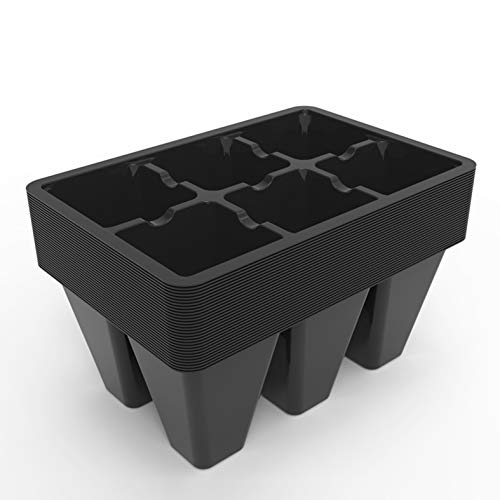
High Quality and Durable - Our Gardzen Seed Start Trays are made from premium plastic material, ensuring long-lasting use for all your seed starting needs. These trays are designed to withstand daily wear and tear, making them perfect for avid gardeners.

EASIER SEED STARTING: Our Burpee SuperSeed tray with 8 extra-large flexible pop-out cells is designed to simplify indoor seed starting. Just add seed starting mix, seeds, water and light to get growing! Perfectly sized for starting seeds in the windowsill: 11.5" x 5-3/16" x 2-1/4". Rows are labeled alphanumerically for seedling identification with included Plant-o-Gram diagram.
Starting from Seeds vs. Transplants
You can start your lettuce garden using either seeds or transplants.
- Seeds: Plant seeds directly into your garden bed or container. Choose a variety suited for your climate. Sow seeds about 1/4 to 1/2 inch deep, spacing them 10 to 12 inches apart. Thin the seedlings to prevent overcrowding.
- Transplants: Purchase young lettuce plants from a nursery. This option saves time and guarantees plant viability. When transplanting, space your plants 10 to 12 inches apart in a prepared area.
Choosing seeds or transplants depends on your gardening preferences and time constraints. Seeds require more patience, while transplants offer immediate results.
Proper Planting Techniques
Using proper planting techniques ensures that your lettuce grows strong and healthy.
- Soil Preparation: Prepare the soil before planting. Make sure it’s loose and well-draining with a pH between 6.0 and 7.0. Amend the soil with compost to enhance fertility.
- Planting: When sowing seeds, create shallow furrows in the soil. Deposit seeds in the furrows, then cover them lightly with soil. Water gently to avoid displacing seeds. For transplants, dig holes slightly larger than the root balls, place each plant in its hole, and backfill with soil.
- Watering: Water thoroughly after planting, keeping the soil consistently moist but not waterlogged. Regular watering encourages root establishment and prevents stress.
- Mulching: Apply a thin layer of mulch to retain moisture and suppress weeds. Organic mulch, like straw or shredded leaves, works well.
- Monitoring: Keep an eye on your planted lettuce. Look for pests, signs of disease, and ensure they receive adequate sunlight.
Applying these techniques leads to bountiful lettuce harvests throughout the growing season.
Caring for Your Lettuce
Caring for your lettuce ensures healthy growth and a plentiful harvest. Focus on watering, fertilization, and pest management to achieve the best results.
Recommended Products

FUNGAL DISEASE CONTROL: Prevents and controls black spot on roses, powdery mildew, rust, downy mildew, and other listed fungal diseases when applied on a 7–14 day schedule

FOR ORGANIC GARDENING: Use in & around the home & garden on roses, flowers, houseplants, ornamental trees & shrubs, fruits & vegetables

FOR ORGANIC GARDENING - Captain Jack's NeemMax is a perfect pest control solution for any garden dealing with mites, flies, mildew, and more. This product is a four-in-one insecticide, fungicide, miticide, and nematicide.
Watering Guidelines
Water your lettuce consistently to maintain moisture in the soil. Aim for 1-2 inches of water per week, especially during dry spells. Here are some key tips:
- Check Soil Moisture: Stick your finger into the soil up to your second knuckle. If it feels dry, it’s time to water.
- Use Drip Irrigation: Consider a drip system for efficient, deep watering that minimizes splashing to reduce disease.
- Water Early or Late: Water in the early morning or late afternoon to lessen evaporation and keep leaves dry.
Fertilization Tips
Fertilizing your lettuce promotes vibrant growth and enhances flavor. Follow these tips for optimal fertilization:
- Choose an Organic Fertilizer: Use options like compost, fish emulsion, or a balanced granular fertilizer to nourish your plants.
- Fertilize Before Planting: Mix fertilizer into your soil before planting to ensure nutrients are available from the start.
- Reapply Every 4-6 Weeks: Feed your lettuce throughout the growing season, avoiding direct contact with the leaves.
Pest and Disease Management
Managing pests and diseases keeps your lettuce healthy and yields high. Consider these strategies:
- Inspect Regularly: Check your plants weekly for signs of pests like aphids or slugs.
- Use Neem Oil or Insecticidal Soap: Apply these organic treatments early on to deter pests without harming beneficial insects.
- Practice Crop Rotation: Rotate your lettuce crops yearly to disrupt pest cycles and lower disease incidence.
By following these caring tips, you can nurture your lettuce plants effectively, leading to a bountiful and delicious harvest.
Harvesting Your Lettuce
Harvesting your lettuce at the right time ensures you enjoy fresh, flavorful greens. It’s important to check for specific signs of maturity and use best practices during the harvesting process.
Signs of Maturity
Look for specific indicators to determine when your lettuce is ready to harvest.
- Size: Heads of lettuce should reach a size that feels firm to the touch. For loose-leaf varieties, leaves should be at least 4-6 inches long.
- Color: A vibrant green or rich color indicates that the lettuce is mature and flavorful. Leaves should appear healthy without any yellowing.
- Texture: Leaves should feel crisp and have a fresh texture, signifying they’re ready for harvest.
- Bolting: If the plant starts to flower and grow tall, it’s a sign that it’s past its prime. Harvest before this occurs to ensure quality.
Best Practices for Harvesting
Follow these best practices to ensure an effective and clean harvest.
- Timing: Harvest in the early morning or late afternoon. Cooler temperatures help preserve freshness.
- Tools: Use sharp, clean scissors or garden shears. This promotes a clean cut and minimizes damage to the plant.
- Technique: For head lettuce, cut the entire head at the base. For leaf varieties, pick the outer leaves first, allowing inner leaves to continue growing.
- Storage: Store harvested lettuce in a cool, dark place. Use a damp paper towel in a plastic bag to help maintain moisture.
By recognizing the signs of maturity and using these best practices, you can maximize your yield and keep your lettuce fresh and delicious.
Conclusion
Growing your own lettuce can be a rewarding experience that brings fresh flavors right to your table. With the right variety and care you can enjoy a continuous supply of crisp greens throughout the season. Remember to keep an eye on your plants and adjust your care routine as needed.
Whether you’re a seasoned gardener or just starting out there’s no reason to hesitate. By following the simple steps outlined in this guide you’ll be well on your way to a thriving lettuce garden. So grab your seeds or transplants and get started on your journey to homegrown goodness. Happy gardening!
Frequently Asked Questions
What types of lettuce can I grow in my garden?
You can grow several types of lettuce, including Iceberg, Romaine, Butterhead, Leaf Lettuce, and Summer Crisp. Each variety has unique flavors and textures, making it important to choose one based on your climate, desired taste, and growing space.
How much sunlight do lettuce plants need?
Lettuce plants thrive in full sun, requiring 6-8 hours of sunlight daily. Ensure that the planting location is sheltered from strong winds to promote healthy growth.
What are the soil requirements for growing lettuce?
Lettuce prefers loose, well-draining soil rich in organic matter, with a pH of 6.0 to 7.0. To improve soil fertility, incorporate compost or well-rotted manure before planting.
Should I start lettuce from seeds or transplants?
Both methods are effective! You can start lettuce from seeds directly in the soil or use transplants for quicker growth. Choose based on your preference and the time you have available.
How often should I water lettuce?
Lettuce needs consistent watering, ideally 1-2 inches per week. Check the soil moisture regularly, and consider using drip irrigation to maintain consistent moisture levels.
When is the best time to harvest lettuce?
Harvest lettuce when leaves reach the desired size and before the plant bolts. Look for signs of maturity in size, color, and texture to ensure the best flavor.
How do I manage pests and diseases in my lettuce garden?
Regular inspections are key to managing pests and diseases. Use organic treatments like neem oil and practice crop rotation to keep your lettuce plants healthy and pest-free.
