

Are you excited about the fresh, crisp taste of spring lettuce? If you’ve spent time nurturing your garden or tending to your pots, you know that the moment to harvest can feel both thrilling and a bit daunting. You want to make sure you do it right to enjoy the fruits of your labor.
Key Takeaways
- Understanding Spring Lettuce: Spring lettuce thrives in cooler temperatures and is best grown from early spring to early summer, with popular varieties including Butterhead, Romaine, Looseleaf, and Iceberg.
- Ideal Growing Conditions: Ensure lettuce grows optimally by maintaining temperatures between 60°F and 65°F, providing at least 6 hours of sunlight daily, using well-draining soil, and ensuring consistent moisture without waterlogging.
- Preparation for Harvest: Gather necessary tools such as sharp scissors, a harvest basket, and gloves. Recognize signs of ripeness, such as leaf size (4-6 inches), vibrant color, and firm texture.
- Harvesting Techniques: Use hand harvesting for precision or tools for efficiency depending on your garden size. Always leave some younger leaves intact to promote future growth.
- Post-Harvest Care: Clean harvested lettuce with cool water, dry gently, and store in a perforated plastic bag or damp paper towel to maintain freshness. Consume within a week for the best flavor and quality.
- Best Practices for Freshness: Keep lettuce hydrated and stored at proper temperatures, and separate from ethylene-producing fruits to prolong freshness.
Understanding Spring Lettuce
Spring lettuce thrives in cooler temperatures, typically growing best in early spring to early summer. Paying attention to the specific characteristics of this leafy green helps ensure a successful harvest.
Popular Varieties
Several spring lettuce varieties excel in taste and texture. Some popular options include:
- Butterhead: Known for its tender leaves and sweet flavor, butterhead lettuce is ideal for salads.
- Romaine: Romaine lettuce has a crunchy texture, perfect for adding to sandwiches or Caesar salads.
- Looseleaf: Looseleaf types, such as Red Romaine and Green Leaf, grow quickly. They offer a range of colors and flavors.
- Iceberg: Iceberg lettuce provides a crisp bite, often used in burgers and salads.
Choosing the right variety enhances your dishes and contributes to diverse garden aesthetics.
Ideal Growing Conditions
Optimal growing conditions support healthy spring lettuce development. Key factors include:
- Temperature: Lettuce prefers temperatures between 60°F and 65°F. Higher temperatures can cause bolting.
- Light: Provide at least 6 hours of sunlight per day. Partial shade can extend the growing season.
- Soil: A well-draining, nutrient-rich soil with a pH between 6.0 and 7.0 promotes vigorous growth.
- Watering: Consistent moisture is vital. Water deeply but avoid waterlogging to prevent root rot.
Meeting these conditions results in flavorful, vibrant lettuce ready for harvest.
Preparing for Harvest
Preparing for the harvest of spring lettuce involves gathering the right tools and identifying when your plants are at their peak. Proper preparation ensures a smooth, efficient harvesting process.
Tools You Need
- Sharp Knife or Scissors: Use a sharp cutting tool for a clean cut. This minimizes damage to the plant.
- Harvest Basket: A basket keeps the harvested lettuce organized and helps prevent bruising.
- Garden Gloves: Gloves protect your hands from any prickly leaves and soil.
- Tape Measure (optional): Measure leaf length if specific sizes are required for culinary needs.
- Leaf Size: Mature leaves typically range from 4 to 6 inches long, depending on the variety. Check individual plant needs for specifics.
- Color: Green leaves should be vibrant and healthy, indicating ripeness. Avoid any signs of yellowing or wilting.
- Texture: Leaves should feel crisp and firm, not limp or soggy.
- Time: Harvesting usually occurs between 30 to 70 days after planting, depending on the variety. Refer to your seed packet for exact timelines.
By ensuring you have the right tools and recognizing the signs of readiness, you can efficiently enjoy the fruits of your labor.
Harvesting Techniques
Harvesting spring lettuce involves specific techniques to ensure the best quality. You’ll find two popular methods: hand harvesting and using tools. Each has its advantages, making it easy to choose the one that fits your preferences.
Recommended Products
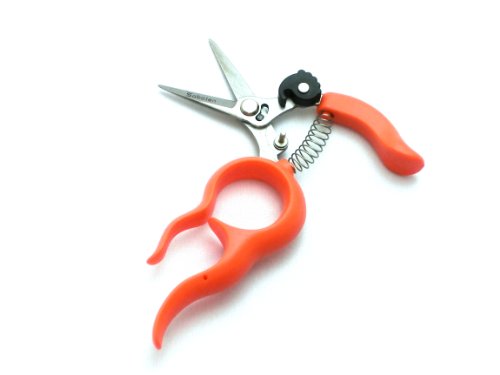
[Caution] Picture shown is 1318S.


Chop Salad in the Bowl: These salad chopper scissors turn a bowl of lettuce and toppings into a finely chopped salad. The salad cutter tool has a curved anti-splash head and needs no chopping board
Hand Harvesting
Hand harvesting allows for precision and care. To harvest by hand, follow these steps:
- Select the Right Leaves: Look for mature leaves that reach a minimum of 4 to 6 inches in height.
- Use Your Fingers: Grasp the base of the leaf firmly but gently. Pull straight up to avoid bruising.
- Cut if Necessary: If the leaves are tightly clustered, use scissors to snip at the base. This minimizes damage to the plant.
- Leave Some Behind: Be sure to leave some younger leaves on the plant. This encourages continued growth for future harvests.
Hand harvesting is ideal for smaller gardens or pots, giving you full control over the process.
Using Tools
Using tools streamlines the harvesting process, especially for larger gardens. Here’s how to effectively use tools for harvesting:
- Gather Your Supplies: You’ll need sharp garden scissors or a knife. A harvest basket for collection will also help keep your lettuce intact.
- Position the Tool: Insert the blade at the base of the leaf or stem, ensuring you don’t damage surrounding leaves.
- Cut at an Angle: Aim for a clean, slanted cut to help the plant heal and continue growing new leaves.
- Clean Your Tools: After harvesting, sanitize scissors or knives to prevent the spread of diseases to your plants.
Using tools can save time and effort, making it beneficial for larger harvests. Both methods can enhance your experience, so choose what works best for you.
Post-Harvest Care
Post-harvest care helps maintain the quality and freshness of your spring lettuce. Proper cleaning and storage ensure you enjoy your harvest to the fullest.
Recommended Products

Maximum drying power: One-handed pump spins lettuce, herbs or fruit fast with minimal effort. Dry greens quickly with no plugs or cords needed.

Safe Material: All parts of the salad spinner are made of food grade material, keep your ingredients safe and health; It’s an essential kitchen device, also suitable for RV, camping, etc; Top rack dishwasher safe

Versatile Kitchen Gadget: This 3-in-1 salad greens and vegetable cleaning spinner is a triple threat—washing, drying, and chopping all in one device. Equipped with 5 different blades, it effortlessly slices, shreds, and dices, meeting the preparation needs for a variety of dishes in your kitchen
Cleaning and Storing
Start by rinsing the harvested lettuce leaves under cool water. This process removes dirt and debris. After rinsing, gently pat the leaves dry using a clean kitchen towel or a salad spinner. Avoid excessive handling, as this can bruise the leaves. Once dry, store the lettuce in a perforated plastic bag or a container lined with a damp paper towel. Refrigerating at temperatures between 32°F and 40°F (0°C to 4°C) keeps the lettuce crisp and fresh.
Best Practices for Freshness
Maintain your lettuce’s freshness by consuming or processing it within one week of harvesting. For longer-lasting freshness, consider these options:
- Hydration: Keep the leaves hydrated by misting them with water before sealing in the storage container.
- Temperature control: Store lettuce in the crisper drawer of your refrigerator to maintain humidity without excess moisture.
- Separation: Avoid storing lettuce with ethylene-producing fruits, such as apples or bananas, as these can lead to quicker spoilage.
By following these practices, you’ll enjoy your spring lettuce at its best.
Conclusion
Harvesting your spring lettuce is a rewarding experience that brings the joy of your hard work to the table. By following the right techniques and caring for your plants, you can enjoy fresh and flavorful greens that elevate any meal.
Remember to handle your lettuce gently and store it properly to keep it crisp and delicious. Whether you choose to hand-harvest or use tools, each method has its perks, so pick what works best for you.
Enjoy the fruits of your labor and savor every bite of that homegrown goodness. Happy harvesting!
Frequently Asked Questions
What types of lettuce can I grow in the spring?
Spring lettuce varieties include Butterhead, Romaine, Looseleaf, and Iceberg. Each type offers distinct flavors and textures, making them great choices for spring gardening.
How long does it take for spring lettuce to mature?
Spring lettuce typically takes between 30 to 70 days to reach maturity, depending on the variety and growing conditions you provide.
What are the ideal growing conditions for spring lettuce?
Spring lettuce thrives in cooler temperatures, well-drained soil, and requires at least 6 hours of sunlight daily. Regular watering is essential to keep the soil consistently moist but not soggy.
How do I know when to harvest spring lettuce?
Harvest spring lettuce when leaves are mature, vibrant in color, and crisp in texture. Look for full-sized leaves that indicate readiness, typically 30 to 70 days post-planting.
What tools do I need to harvest lettuce?
For harvesting spring lettuce, gather a sharp knife or scissors, a harvest basket, garden gloves, and a tape measure to help ensure you cut at the right size and maintain plant health.
What are the best harvesting techniques for spring lettuce?
You can harvest spring lettuce by hand, selectively picking mature leaves while leaving younger ones, or by using scissors for a quicker approach in larger gardens. Both methods should focus on clean cuts.
How should I clean and store harvested lettuce?
Rinse the lettuce leaves under cool water, pat them dry gently, and store in a perforated plastic bag or container lined with a damp paper towel in the refrigerator at 32°F to 40°F for freshness.
How long can I keep harvested lettuce fresh?
For optimal quality, consume or process harvested lettuce within a week. Keep it hydrated by misting and store it in the crisper drawer away from ethylene-producing fruits to avoid spoilage.
