

Ever wondered how cucumbers magically appear in your salads and sandwiches? Have you found yourself pondering the journey of a cucumber seed to a vibrant green vegetable in your garden? Let’s unravel the mystery together.
Imagine strolling through the grocery store, eyeing those fresh cucumbers, and wishing you could grow your own. The good news is, you can! Understanding how cucumbers grow can turn that wishful thinking into a fruitful reality for your garden.
In this article, you’ll discover the secrets behind cucumber growth, from planting the seeds to nurturing the vine-climbing plants. By the end, you’ll be equipped with the knowledge to cultivate your cucumbers successfully, bringing a taste of freshness right from your garden to your plate.
Cucumber Seed Germination
Planting the cucumber seeds is the first step in the exciting journey of growing your own cucumbers. The process of germination is crucial, marking the beginning of a plant’s life cycle. Here are the essential steps to Cucumber Seed Germination:
- Preparation: Begin by selecting a warm, sunny spot in your garden or using a container with good drainage. Ensure the soil is moist but not waterlogged.
- Planting: Plant the cucumber seeds about 1 inch deep in the soil. Space them 3-4 inches apart. Cover the seeds with soil and gently pat them down.
- Watering: Keep the soil consistently moist but avoid overwatering, as it can lead to rotting. Consider using a spray bottle for gentle watering.
- Temperature: Cucumber seeds require warmth to germinate successfully. Aim for a soil temperature between 60-95°F for optimal growth.
- Patience: Germination typically takes 7-10 days. Be patient and continue to monitor the soil moisture levels during this crucial period.
By following these steps, you set the stage for successful Cucumber Seed Germination. Soon, you’ll witness the tiny seeds sprouting and the beginning of your cucumber plant’s growth journey. Remember, each seed has the potential to flourish into a vibrant green cucumber vine.
Optimal Growing Conditions
When it comes to growing cucumbers, providing optimal conditions is crucial. Here are key factors to consider:
- Temperature: Cucumbers thrive in warm temperatures between 70-85°F.
- Sunlight: Full sun is essential for cucumber plants, requiring at least 6-8 hours of sunlight daily.
- Soil: Well-draining soil rich in organic matter supports healthy growth.
- Water: Keep the soil consistently moist but not waterlogged to prevent issues like root rot.
Tips for Success
To ensure healthy cucumber growth, remember:
- Spacing: Plant cucumbers 12-24 inches apart to allow for proper growth.
- Support: Consider using trellises or cages for vine varieties to support growth and reduce disease risk.
- Pest Control: Monitor for pests like aphids and cucumber beetles and take action promptly.
Remember, by providing the optimal conditions and necessary care, you can enjoy a bountiful cucumber harvest.
Choosing the Right Variety
When selecting cucumber varieties for your garden, consider the following factors to ensure successful growth:
- Space: Choose bush varieties if you have limited space or prefer container gardening. For larger spaces, vining varieties are ideal.
- Climate: Opt for heat-tolerant varieties in warm regions and cold-tolerant varieties in cooler climates to maximize growth potential.
- Purpose: Decide if you’re growing cucumbers for slicing or pickling to choose the right size and texture suited to your needs.
By understanding these factors, you can select the best cucumber variety to meet your gardening goals.
Caring for Cucumber Plants
When caring for cucumber plants, ensure they receive ample sunlight daily. It’s ideal to aim for 6-8 hours of sunlight for optimal growth.
Water your plants regularly, keeping the soil consistently moist but not waterlogged. Mulching around the base helps retain moisture and suppresses weeds.
Prune your cucumber plants by removing any yellow leaves or damaged vines to promote healthy growth. Train vining varieties to climb using trellises or stakes.
To encourage pollination, consider hand-pollinating if there is a lack of bees in your area. Simply transfer pollen from male to female flowers.
Monitor for pests like aphids or cucumber beetles. Use organic insecticidal soap to control infestations without harming beneficial insects.
Fertilize your plants every 2-3 weeks with a balanced fertilizer to ensure they have essential nutrients for robust growth.
Rotate your cucumber planting area yearly to prevent soil diseases. Avoid planting cucumbers in the same spot for consecutive seasons.
Harvest cucumbers regularly once they reach the desired size. Pick them frequently to promote continuous production throughout the growing season.
Consider these tips when caring for your cucumber plants to ensure a bountiful harvest.
Recommended Products
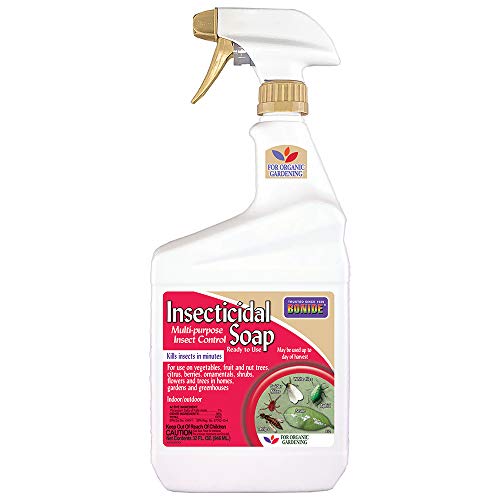
Captain Jack's Insecticidal Super Soap controls species of adelgid, ant, aphid, borer, caterpillar, spider mite, cricket, chinch bug, weevil, fly, thrip, and more

PEST DEFENSE - Insecticidal Super Soap controls species of adelgid, ant, aphid, borer, caterpillar, spider mite, cricket, chinch bug, weevil, fly, thrip, & more.

READY-TO-USE CONTACT SPRAY: No mixing required. Thoroughly spray insecticide on all plant parts, including the underside of leaves. Pests must be sprayed directly to achieve control
Harvesting Cucumbers
When it comes to harvesting cucumbers, timing is key. You want to ensure that your cucumbers are ripe but not overripe. Here’s what you need to know:
- Cucumbers are typically ready to harvest 50-70 days after planting.
- Check the color – a ripe cucumber should have a deep green color.
- Firmness is crucial – a ripe cucumber should be firm and not mushy.
- Size matters – different varieties have various optimal sizes for picking.
To harvest, simply grasp the cucumber near the vine and cut it with a sharp pair of scissors or shears. Be careful not to damage the vine or other cucumbers.
Conclusion
Growing cucumbers can be a rewarding experience when you follow the right practices. Selecting the appropriate variety and providing proper care are crucial for a successful harvest. Remember to ensure adequate sunlight, watering, and pollination for healthy cucumber plants. Implementing pest control measures, fertilization, and crop rotation will help maintain plant health. When it’s time to harvest, pay attention to the cucumber’s color, firmness, and size for optimal picking. Use sharp scissors to cut the cucumbers near the vine to avoid any damage. By following these guidelines, you can enjoy a bountiful cucumber harvest in your own garden. Happy gardening!
Frequently Asked Questions
What factors should I consider when selecting a cucumber variety?
Consider the space available, taste preference, disease resistance, and intended use (fresh eating or pickling) when selecting a cucumber variety.
How much sunlight do cucumber plants need?
Cucumber plants need at least 6-8 hours of sunlight daily for optimal growth and fruit production.
How often should I water my cucumber plants?
Water cucumber plants consistently, ensuring the soil remains moist but not waterlogged. Aim to water deeply once or twice a week, depending on weather conditions.
Why is pruning important for cucumber plants?
Pruning helps improve air circulation, sunlight exposure, and overall plant health by removing overcrowded or diseased foliage.
How can I pollinate cucumber plants?
Encourage pollination by attracting pollinators like bees or hand-pollinate by transferring pollen from male to female flowers using a small brush.
How can I control pests on my cucumber plants?
Use organic pest control methods like neem oil, insecticidal soap, or physical removal to combat common cucumber pests such as aphids or cucumber beetles.
Why is fertilization important for cucumber plants?
Fertilization provides essential nutrients for plant growth and can be done with balanced fertilizers or organic compost.
Why is crop rotation beneficial for growing cucumbers?
Crop rotation helps reduce disease buildup in the soil and ensures better plant health and productivity in the long run.
How do I know when to harvest cucumbers?
Harvest cucumbers when they are firm, have a deep green color, and are of appropriate size for the variety. Avoid overripe cucumbers to maintain quality.
What is the best way to harvest cucumbers?
Harvest cucumbers carefully by cutting them near the vine using sharp scissors or shears to prevent damage to the plant and remaining cucumbers.
