

Are your cucumber plants not thriving as you hoped? Struggling to keep them healthy and productive? Imagine having lush green vines and an abundance of crisp cucumbers at your fingertips. In this article, you’ll uncover the secrets to nurturing your cucumber plants to perfection.
Have you ever found your cucumber leaves yellowing or fruits turning bitter? It’s a common frustration among gardeners. Fear not! With the right care and attention, you can ensure your cucumber plants flourish. Get ready to learn simple yet effective tips that will have you harvesting bountiful cucumbers in no time.
Choosing the Right Variety of Cucumber Plants
When starting your cucumber garden, it’s crucial to select the right variety that fits your gardening goals. Here are some key points to consider:
- Pickling cucumbers: Ideal for making pickles due to their smaller size and crisp texture.
- Slicing cucumbers: Perfect for fresh consumption, salads, and sandwiches with their classic elongated shape.
- Burpless cucumbers: A great choice if you find traditional cucumbers hard to digest because they produce fewer burp-causing compounds.
- Seedless cucumbers: Popular for their tender skin and lack of large seeds, making them great for snacking.
Cucumbers come in various shapes, sizes, and flavors, so choose a variety that aligns with your taste preferences and garden space.
| Variety | Description |
|---|---|
| Pickling | Small, firm, and ideal for pickling |
| Slicing | Long and perfect for fresh consumption |
| Burpless | Easier to digest with fewer burp effects |
| Seedless | Tender skin and no large seeds |
Remember, selecting the right cucumber variety sets the foundation for a successful and enjoyable gardening experience.
Providing Adequate Sunlight and Temperature
To ensure optimal growth for your cucumber plants, you need to focus on providing them with adequate sunlight and maintaining the right temperature.
- Sunlight: Place your cucumber plants in an area that receives at least 6-8 hours of sunlight per day.
- Temperature: Cucumber plants thrive in warm temperatures between 70-90°F (21-32°C).
Watering Wisely
When it comes to watering your cucumber plants, consistency is key. Here are some tips to help you water your plants effectively:
- Regular watering: Keep the soil consistently moist but not waterlogged.
- Morning watering: Water your plants in the morning to allow foliage to dry out during the day and reduce the risk of disease.
- Root watering: Focus on watering the base of the plants to ensure water reaches the roots efficiently.
- Deep watering: Water deeply to encourage root growth, especially during hot weather.
- Mulching: Consider using mulch around your plants to help retain moisture in the soil.
Recommended Products

【Adjustable valve】 The flow rate can be controlled. The plant watering Device with control valve can control the dripping speed of 0-62 s/drip, and the sustained drip lasts for 1-12 days, The bigger the bottle of water, the longer they water your plants; Water discharge is approx Only adjust the valve to Meet your needs without complicated setup steps.

PROVIDE WATER PRECISELY WHERE NEEDED - Perfect drip stake for greenhouse, nursery & container gardening.

【New Upgrade Adjustable Water Flow Speed】The Upgraded Plant Watering Spikes can control the dripping speed at 0-90s/drip,a 550ml water bottle with normal water speed ,it can support 3-16 days.With our self watering spike Don't need to worry about your plants withering during during travel, business trips and vacations.
Fertilizing Appropriately
When it comes to fertilizing your cucumber plants, it’s essential to provide them with the nutrients they need for healthy growth. Here are some key tips to help you fertilize your plants appropriately:
- Use a balanced fertilizer: Opt for a fertilizer with an N-P-K ratio of 10-10-10 or similar to ensure your plants receive a good mix of essential nutrients.
- Apply fertilizer at the right time: Fertilize your cucumber plants when they start to vine, typically around three weeks after planting. Avoid over-fertilizing, as it can harm the plants.
- Avoid overhead fertilization: Apply fertilizer near the base of the plants to prevent foliage burn and ensure the roots can absorb the nutrients effectively.
- Consider organic options: If you prefer organic gardening, compost or manure can be excellent choices for nourishing your cucumber plants naturally.
| N-P-K Ratio | 10-10-10 or similar |
Managing Pests and Diseases
- Inspect your plants regularly for any signs of pests or diseases such as yellowing leaves, holes in foliage, or unusual spots.
- Remove any affected leaves or plants immediately to prevent the spread of diseases.
- Introduce natural predators like ladybugs or praying mantises to help control common pests such as aphids or spider mites.
- Practice crop rotation to reduce the risk of recurring diseases in the same area of your garden.
- Utilize organic pesticides like neem oil or diatomaceous earth to combat pests without introducing harmful chemicals to your plants.
| Data/Statistics | Values |
|---|---|
| Average number of cucumber species | 50 |
| Common cucumber pests | Aphids, cucumber beetles, spider mites |
| Major cucumber diseases | Powdery mildew, bacterial wilt, cucumber mosaic virus |
Recommended Products
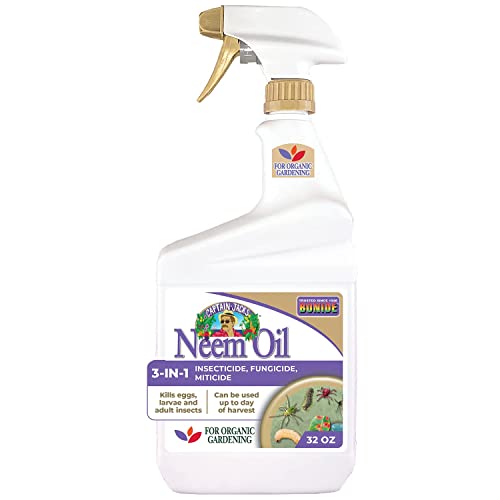
Protect your oasis with 3 garden products in 1 from Captain Jack’s; Bonide Captain Jack’s Ready-to-Use Neem Oil spray for plants is a multi-purpose fungicide, insecticide and miticide for your lawn & garden

FUNGAL DISEASE CONTROL: Prevents and controls black spot on roses, powdery mildew, rust, downy mildew, and other listed fungal diseases when applied on a 7–14 day schedule

PLANT DISEASE CONTROL: Natria Neem Oil acts as an insecticide and fungicide in one convenient spray; Ready-to-use trigger sprayer requires no mixing
Conclusion
Taking care of your cucumber plants involves vigilant pest and disease management. Regularly inspecting your plants for any signs of trouble, like yellowing leaves or holes in foliage, is crucial. Swiftly removing any affected parts can help prevent the spread of diseases. Consider introducing natural predators like ladybugs to keep pests at bay. Crop rotation is a good practice to reduce the likelihood of disease recurrence. Opt for organic pesticides such as neem oil for effective pest control. By following these tips and staying proactive, you can ensure your cucumber plants thrive and produce a bountiful harvest.
Frequently Asked Questions
How can I prevent pests and diseases in my cucumber plants?
Regularly inspect your plants for issues like yellowing leaves or holes in foliage. Remove affected parts promptly to prevent disease spread. Introduce natural predators like ladybugs to control pests. Consider crop rotation to reduce disease recurrence. Use organic pesticides such as neem oil for pest control.
What are some common pests that affect cucumber plants?
Common pests include aphids, cucumber beetles, and spider mites. These pests can damage the plants by feeding on foliage or transmitting diseases.
What are the major diseases that can affect cucumber plants?
Major diseases include powdery mildew, bacterial wilt, and cucumber mosaic virus. These diseases can significantly impact the health and yield of cucumber plants.
