

Selecting the Right Cucumber Seeds
When it comes to planting cucumber seeds, choosing the right ones is crucial. Here’s how to make sure you’re picking the best cucumber seeds for your garden:
- Variety Selection:
- Opt for cucumber varieties that thrive in your region and match your growing conditions.
- Consider if you prefer slicing cucumbers, pickling cucumbers, or specialty types like lemon cucumbers.
- Seed Quality:
- Look for certified seeds from reputable suppliers to ensure germination success.
- Check the seed packet for germination rates to maximize your planting efficiency.
- Disease Resistance:
- Choose cucumber seeds resistant to common diseases in your area to prevent plant loss.
- Resistant varieties can help reduce the need for chemical treatments and promote plant health.
- Hybrid vs. Heirloom:
- Evaluate the pros and cons of hybrid and heirloom seeds based on your gardening goals.
- Hybrids often offer disease resistance and consistent performance, while heirlooms provide unique flavors.
By paying attention to these factors when selecting your cucumber seeds, you set the foundation for a successful cucumber-growing experience.
Recommended Products


Heirloom Variety: English Telegraph cucumber seeds are open-pollinated heirloom cucumber seeds introduced around 1884, producing 12-18 inch nearly spineless fruits with crisp, mild flesh.

200 PREMIUM SEEDS: Comes with 200 high-quality Marketmore cucumber seeds, trusted for excellent germination, vigorous vines, and consistent production of smooth, dark-green fruits.
Preparing the Planting Site
Before planting cucumber seeds, it’s essential to prepare the planting site properly. Here are some key steps to ensure a successful start to your cucumber-growing journey:
- Choose a sunny location for your cucumber patch. Cucumbers thrive in full sun, so select a spot that receives at least 6-8 hours of sunlight per day.
- Ensure good drainage to prevent waterlogging, which can harm cucumber plants. Avoid planting in low-lying areas where water may accumulate.
- Improve the soil by adding organic matter like compost. Well-draining soil rich in nutrients will help your cucumber plants grow strong and healthy.
- Space your cucumber hills at least 36-60 inches apart to give the plants room to spread out. If you’re planting in rows, space them about 48-72 inches apart.
- Create trellises or supports for vining cucumber varieties to help them grow vertically and save space in your garden.
- Consider companion planting with herbs like dill or basil, which can benefit cucumber plants and deter pests.
Planting Cucumber Seeds
- Choose a sunny spot with good drainage for your cucumber seeds.
- Prepare the soil by enriching it with organic matter like compost.
- Create mounds with enough spacing for the hills to allow the vines to spread.
- Plant your cucumber seeds about 1 inch deep with 4-6 seeds per hill.
- Water the seeds regularly, keeping the soil consistently moist but not waterlogged.
- Consider using trellises for vining cucumber varieties for better support and air circulation.
Recommended Products
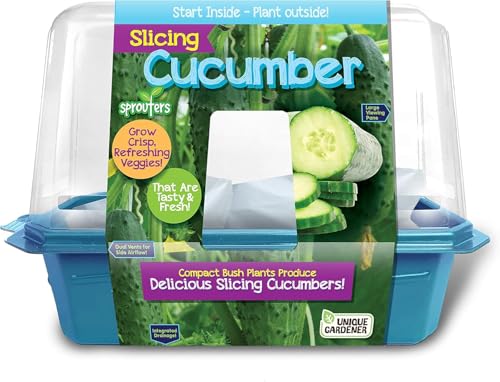
UNMATCHED FRESHNESS AND FLAVOR: Imagine savoring cucumbers straight from your home garden, bursting with flavor and crispness that store-bought veggies just can't match. By growing your cucumbers, you ensure a supply of fresh, and crisp cucumbers not go well with any dish.

High Germination Rate: cucamelons seeds sprout in 10-14 days at 70 °F, Full sun, Start inside 4 weeks before last frost or outdoors in warm soil. Sow 1/4" deep, space 9-12" apart – perfect climbing cucumber seeds for patio or vegetable garden.
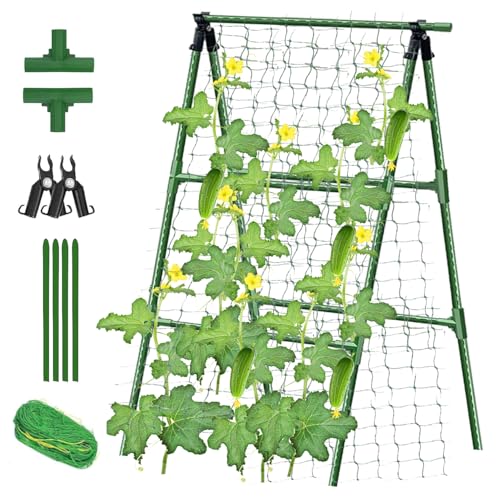
【Groumh A-FRAME DESIGN】NOTE: THE TRELLIS IS FOR SMALL PLANT NOT FOR BIG!! sturdy 48x15in A-frame cucumber trellis can grow various plants from both sides of the trellis. These shapes promote airflow for the climber, and the plant will have plenty of sunlight to maximize photosynthesis. Let you get a better harvest.
Caring for Cucumber Seedlings
Now that you have successfully planted your cucumber seeds, it’s time to focus on caring for the seedlings to ensure healthy growth and abundant cucumbers. Here are some essential steps to help you along the way:
- Watering: Keep the soil consistently moist but not waterlogged. Aim for 1-2 inches of water per week, either through rainfall or irrigation.
- Fertilizing: Once the seedlings have true leaves, you can start fertilizing. Use a balanced fertilizer and follow the instructions carefully.
- Thinning: If multiple seeds germinate in the same spot, thin them out to allow proper spacing for healthy growth.
- Pest Control: Keep an eye out for common cucumber pests like aphids and cucumber beetles. Utilize organic pest control methods to protect your plants.
- Disease Prevention: Prevent diseases such as powdery mildew by ensuring good air circulation around the plants and avoiding overhead watering.
- Support: As the cucumber plants grow, consider providing supports such as trellises or cages to help them climb and prevent fruit from touching the ground.
Taking care of your cucumber seedlings diligently will set the stage for a bountiful harvest in the future.
Recommended Products

Trellis Netting Polyester Nylon: Our trellis netting is made of durable polyester nylon materials,strong and durable, not easy to break, reusable,can support extremely heavy crop loads, protect plants from damage, able to grow vertically

Our Polyethylene netting is an affordable alternative to traditional wire mesh. UV stabilized Polyethylene is lightweight, practical, and encourages growth. Miuezuth engineered it to be strong enough to support melons, yet safe enough for the most delicate leaves and stems. This netting improves air circulation, exposure to the sun, and use of space. This trellis netting ensures that your plants stay healthy, which increases their yield.
Trellis Netting Polyester Nylon: Our trellis netting is made of durable polyester nylon materials,strong and durable, not easy to break, reusable,can support extremely heavy crop loads, protect plants from damage, able to grow vertically
Harvesting Cucumbers
When it comes to harvesting cucumbers, timing is key! Here are some tips to help you know when your cucumbers are ready to be picked:
- Size Matters: Cucumbers are best harvested when they’re about 6 to 8 inches long for optimal flavor and texture.
- Check the Color: Look for a vibrant green color. Yellow cucumbers may be overripe and bitter.
- Firmness Test: A firm cucumber indicates it’s ready to be harvested. Softness may mean it’s past its prime.
- Twist and Turn: Gently twist the cucumber off the vine to harvest without damaging the plant.
Storing freshly harvested cucumbers properly can extend their shelf life. Here’s how:
- Refrigeration: Store cucumbers in the refrigerator to keep them fresh for up to a week.
- Humidity Control: Keep cucumbers in a perforated plastic bag to maintain the right humidity level.
- Avoid Ethylene: Cucumbers are sensitive to ethylene gas; store them separately from ethylene-producing fruits like tomatoes.
Conclusion
That’s it! You now have all the tips you need to plant cucumber seeds successfully. Remember to choose a sunny spot, keep the soil moist, and provide support for the vines as they grow. Once your cucumbers are ready for harvest, aim for that perfect 6 to 8-inch size and store them correctly to enjoy them for longer. Happy planting!
Frequently Asked Questions
When is the best time to harvest cucumbers for the tastiest flavor and texture?
Harvest cucumbers when they reach 6 to 8 inches in length, are vibrant green, and feel firm to the touch.
What is the recommended technique for picking cucumbers off the vine?
Twist cucumbers gently from the vine to prevent damage and ensure they maintain their freshness.
How should cucumbers be stored to extend their shelf life?
Store cucumbers in the refrigerator for up to a week, preferably in a plastic bag to maintain humidity levels. Keep them away from ethylene-producing fruits like tomatoes.
