

Benefits of planting broccoli
Wondering why you should consider planting broccoli in your garden? Here are some key benefits:
- Nutritional Powerhouse: Packed with vitamins, minerals, and antioxidants, broccoli is a fantastic addition to your diet, promoting overall health and well-being.
- Easy to Grow: Whether you’re a seasoned gardener or just starting out, broccoli is relatively low maintenance and can thrive in various climates.
- Harvest Throughout the Year: By planting multiple crops, you can enjoy a continuous supply of fresh and nutrient-rich broccoli all year round.
- Versatile in the Kitchen: From salads and stir-fries to soups and smoothies, broccoli offers endless possibilities for delicious and healthy meals.
- Companion Planting: Broccoli can help repel pests and attract beneficial insects, contributing to a more balanced garden ecosystem.
- Cost-Effective: By growing your own broccoli, you can save money on groceries while ensuring that you have a sustainable source of fresh produce.
Keep these benefits in mind as you prepare to plant and nurture your broccoli crop. It’s a rewarding experience that offers both culinary delights and wellness benefits for you and your family.
Choosing the right location for broccoli
When choosing a spot for your broccoli, opt for a sunny location as broccoli thrives in full sunlight. Ensure the area has rich, well-draining soil to support healthy growth.
Avoid planting broccoli in areas prone to strong winds as they can damage the plants. Picking a sheltered spot can help protect your broccoli from such damage.
For optimal growth, select a location that is away from trees and other large plants that could compete for nutrients. Position your broccoli where it can receive at least 6-8 hours of direct sunlight daily.
Remember, a well-planned location will set the foundation for a successful broccoli harvest.
Preparing soil for planting broccoli
To ensure successful broccoli growth, preparing the soil is crucial. Here’s how to get your soil ready:
- Test Your Soil: Utilize home test kits or send samples to a lab to assess pH levels and nutrient content.
- Adjust pH Levels: Broccoli thrives in slightly acidic soil with a pH range of 6.0-7.0.
- Enhance Drainage: Improve soil structure by adding organic matter like compost or well-rotted manure.
Recommended Products

Includes 10lb block of Back to the Roots compressed Coconut Coir that expands to 51qt of potting soil. A balanced pH, which means it’s truly all-purpose. Use alone or as an amendment for anything in a pot or in the ground — vegetables, flowers, herbs, and even starting seeds.

Grow Garden Broccoli - Plant Waltham 29 for tight blue-green heads and smaller side shoots after the main harvest. This cool-season heirloom brings classic broccoli to vegetable beds and raised gardens.

HEIRLOOM BROCCOLI VARIETIES – Three traditional broccoli heirlooms (Brassica oleracea var. italica)Calabrese, Waltham 29, and Purple Sprouting Broccoli, plus Romanesco broccoli (Brassica oleracea var. botrytis), and San Marzano Raab (Brassica rapa)
Planting broccoli seeds or seedlings
When planting broccoli seeds, you have the option to either start them indoors or sow them directly in the garden. Here are the steps to guide you through the process:
Indoor Seeding:
- Start seeds indoors 6-8 weeks before your last frost date in biodegradable pots.
- Place the pots in a sunny location and keep the soil consistently moist.
- Transplant the seedlings outdoors once they have 3-4 true leaves and the soil is workable.
Direct Sowing:
- Sow seeds in well-prepared soil, spacing them according to the seed packet instructions.
- Cover the seeds lightly with soil and keep them consistently moist until germination occurs.
- Thin out seedlings to the recommended spacing to ensure proper growth.
If you prefer planting broccoli seedlings, follow these steps:
Purchasing Seedlings:
- Choose healthy seedlings that are stocky and dark green in color.
- Check the roots for any signs of damage or disease before transplanting.
- Dig a hole slightly larger than the root ball of the seedling.
- Gently place the seedling in the hole and cover the roots with soil.
- Water the seedling thoroughly to help it establish in its new location.
Remember to consider your local climate and the recommended planting dates for broccoli in your region for a successful harvest.
Recommended Products

EASIER SEED STARTING: Our Burpee SuperSeed tray with 36 flexible pop-out cells is designed to simplify indoor seed starting for all your favorite vegetables, flowers and herbs. Just add seed starting mix, seeds, water and light to get growing! Rows are labeled alphanumerically for seedling identification with included Plant-o-Gram diagram. Tray dimensions: 11.5" x 10-3/8" x 2-1/4"
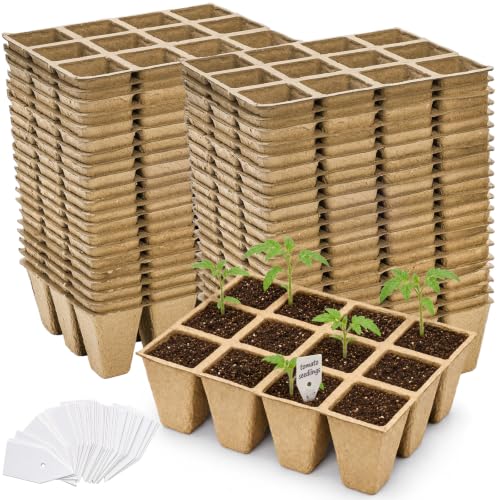
Package Includes 40 pack seed starter trays (12 cells per tray) and 40 plastic plant labels for marking the seeds in your peat pots

12-LED GROW LIGHT PER TRAY — Each of the five seed starting trays features a full-spectrum grow light with 12 LED beads, providing supplemental light for indoor seedlings.
Caring for broccoli plants
When it comes to Caring for broccoli plants, consistent attention and proper maintenance are key. Here are some essential tips for ensuring your broccoli plants thrive:
- Watering: Broccoli plants need about an inch of water per week, so make sure to water them deeply to encourage strong root growth.
- Fertilizing: Consider applying a balanced fertilizer when your broccoli plants start to form heads to provide them with the necessary nutrients.
- Mulching: Mulch around your broccoli plants to retain moisture, regulate soil temperature, and suppress weed growth.
- Pest control: Keep an eye out for common pests like cabbage worms and aphids. Consider using natural remedies like diatomaceous earth or neem oil to protect your plants.
- Harvesting: Know when to harvest your broccoli by monitoring the size and color of the heads. Harvest in the morning for the best flavor.
By following these tips, you’ll be well on your way to cultivating healthy and delicious broccoli in your own garden.
| Watering | About 1 inch per week |
|---|---|
| Fertilizing | Apply balanced fertilizer when heads form |
| Mulching | Helps retain moisture and regulate soil temperature |
| Pest Control | Monitor for cabbage worms and aphids; consider natural remedies like diatomaceous earth or neem oil |
| Harvesting | Harvest based on head size and color; best done in the morning |
Conclusion
You now have all the information you need to plant and care for your broccoli plants successfully. Remember to give them the attention they deserve by watering deeply, fertilizing at the right time, mulching for moisture retention, and using natural pest control methods. Harvest your broccoli based on size and color, preferably in the morning for optimal flavor. By following these simple yet crucial steps, you’ll soon be enjoying fresh, homegrown broccoli straight from your garden. Happy gardening!
Frequently Asked Questions
How often should I water my broccoli plants?
Water your broccoli plants deeply, ensuring the soil is consistently moist but not waterlogged. Aim to water around 1-1.5 inches per week, adjusting based on weather conditions.
When should I fertilize my broccoli plants?
Fertilize your broccoli plants once the heads start forming, using a balanced fertilizer rich in nitrogen, phosphorus, and potassium to support healthy growth.
How can I control pests on my broccoli plants?
Control pests on your broccoli plants using natural remedies like diatomaceous earth or neem oil, which are effective against common pests like aphids and cabbage worms.
When is the best time to harvest broccoli?
Harvest your broccoli when the heads are firm, compact, and deep green in color, preferably in the morning for the best flavor and nutritional content.
