

Have you ever dreamed of harvesting fresh cucumbers right from your backyard? Picture yourself picking juicy cucumbers for your salads and snacks. Exciting, right?
But wait, how do you even start? It’s time to demystify the art of planting cucumbers. From selecting the perfect spot in your garden to nurturing your plants, we’ve got you covered.
Selecting the Right Spot for Planting
When it comes to planting cucumbers, choosing the right location is crucial for their growth and yield. Here’s how to select the perfect spot:
- Opt for a sunny location with at least 6-8 hours of sunlight daily.
- Ensure the soil is well-drained to prevent waterlogging that may harm the cucumber plants.
- Avoid areas where strong winds can damage the delicate cucumber vines.
- Provide ample space for the plants to spread out, considering they can grow up to 6 feet in length.
Remember, a well-chosen spot sets the foundation for healthy cucumber plants and a bountiful harvest.
Choosing the Right Variety of Cucumber
When choosing the variety of cucumber to plant, consider your preferences and growing conditions. Here’s what you need to know:
- Cucumber Types: Decide if you prefer slicing cucumbers for salads or pickling cucumbers for your pickling jars.
- Space: Determine how much space you have for cucumber plants to spread.
- Climate: Check if the cucumber variety is suited for your climate.
- Disease Resistance: Look for varieties that are resistant to common cucumber diseases.
Keep these factors in mind to select the best cucumber variety for your garden.
Recommended Products


Heirloom Variety: English Telegraph cucumber seeds are open-pollinated heirloom cucumber seeds introduced around 1884, producing 12-18 inch nearly spineless fruits with crisp, mild flesh.

200 PREMIUM SEEDS: Comes with 200 high-quality Marketmore cucumber seeds, trusted for excellent germination, vigorous vines, and consistent production of smooth, dark-green fruits.
Preparing the Soil for Planting
When it comes to preparing the soil for planting cucumbers, here are some key steps to follow:
- Clear the Area: Begin by clearing the planting area of any debris, rocks, or weeds.
- Loosen the Soil: Use a garden fork or a tiller to loosen the soil to a depth of around 6-8 inches.
- Add Compost: Incorporate compost into the soil to improve its fertility and structure. Aim to add about 2-3 inches of compost.
- Check the pH: Test the soil pH; cucumbers prefer slightly acidic soil with a pH between 6.0 and 6.8.
- Provide Drainage: Ensure good drainage to prevent waterlogging by amending the soil with organic matter if needed.
- Warm the Soil: If the soil is still cool, consider covering it with black plastic a few weeks before planting to help it warm up.
By following these soil preparation steps, you’ll create an optimal environment for your cucumber plants to thrive.
Recommended Products

Package contains 6 pounds organic soil de-acidifier grains and is produced to avoid wasteful runoff, mess, hazards and smells

OMRI Listed - Cz Dolomite Lime is an All-Natural mineral fertilizer listed by the Organic Materials Review Institute (OMRI). It may be used in certified organic production or food processing and handling according to the USDA National Organic Program regulations. (OMRI Certified 2024)
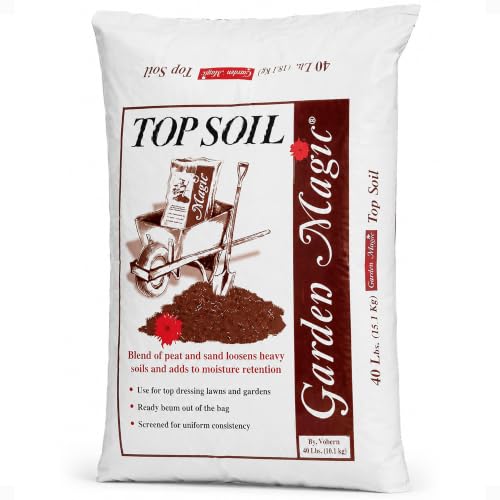
Ready-to-Use for All Planting Needs: This general-purpose potting soil is ready to use out of the bag, perfect for both indoor and outdoor planting without any extra prep
Planting Cucumber Seeds or Seedlings
When it’s time to plant your cucumber seeds or seedlings, you want to ensure they have the optimal environment for growth. Here’s what you need to know:
- Seed Planting: If you’re starting with seeds, sow them about 1 inch deep in well-drained soil. Space the seeds 6-12 inches apart in rows.
- Seedling Planting: For seedlings, dig holes as deep as the seedling containers and twice as wide. Gently remove the seedlings from their containers, and place them in the holes. Space them 1-2 feet apart.
- Soil Considerations: Make sure the soil is well-drained and rich in organic matter. Cucumbers thrive in soil with a pH level between 6.0 and 7.0.
- Sunlight Needs: Cucumbers love sunlight, so choose a location that receives at least 6-8 hours of direct sunlight daily.
- Support Structures: Consider using trellises or cages for vine varieties to help support the plants as they grow.
- Watering: Keep the soil consistently moist but not waterlogged. Water at the base of the plants to prevent fungal diseases.
- Fertilization: After planting, you can use a balanced fertilizer to provide essential nutrients for healthy growth.
- Mulching: Applying mulch around the plants can help retain moisture, suppress weeds, and maintain even soil temperatures.
- Protection: If there’s a risk of frost, consider using row covers or cloches to protect the young plants.
- Regular Maintenance: Monitor the plants for pests and diseases, and address any issues promptly to ensure a successful harvest.
| Info | Data |
|---|---|
| Seed depth | 1 inch |
| Seed spacing | 6-12 inches |
| Seedling spacing | 1-2 feet |
| pH level range | 6.0-7.0 |
| Sunlight needed | 6-8 hours daily |
Caring for Your Cucumber Plants
Fostering healthy cucumber plants is crucial for a bountiful harvest. To ensure your plants thrive, here are essential care tips to keep in mind:
- Watering: Cucumbers need consistent moisture. Water deeply, ensuring the soil is evenly moist but not waterlogged. Mulching can help retain moisture.
- Fertilizing: Feed your cucumber plants regularly. Consider using a balanced fertilizer to promote healthy growth and fruit development.
- Pest Control: Monitor your plants for common pests like aphids and cucumber beetles. Using natural remedies or pesticides can help keep infestations at bay.
- Disease Management: Watch out for fungal diseases such as powdery mildew. Proper spacing, good air circulation, and avoiding overhead watering can prevent issues.
- Harvesting: Pick cucumbers frequently to encourage new growth. Harvesting regularly also ensures that the fruits are at their peak flavor and quality.
- Pruning: Remove any yellow or diseased leaves to prevent the spread of diseases and promote healthy foliage growth.
| Important Care Tips: |
|---|
| Water cucumbers regularly to keep the soil evenly moist. |
| Feed your plants with a balanced fertilizer to support growth and fruiting. |
| Monitor for pests and diseases to address issues promptly. |
| Harvest cucumbers frequently for better plant productivity. |
Recommended Products

Package contains 18 tomato fertilizer spikes and are produced to avoid wasteful runoff, mess, hazards and smells


Conclusion
Now that you have learned the essential care tips for your cucumber plants, you’re well-equipped to nurture them towards a bountiful harvest. Consistent watering, proper fertilization, pest control, disease management, regular harvesting, and pruning are key elements in ensuring your cucumber garden thrives. By implementing these strategies, you can enjoy a successful growing season and delicious cucumbers straight from your own garden. Remember to monitor your plants, provide the necessary maintenance, and take proactive steps to address any issues that may arise. With these practices in place, you’ll be on your way to a flourishing cucumber garden in no time. Happy gardening!
Frequently Asked Questions
1. How often should I water my cucumber plants?
Water cucumber plants consistently, aiming for about 1-2 inches of water per week, ensuring the soil stays evenly moist but not waterlogged.
2. What type of fertilizers should I use for my cucumber plants?
Use a balanced fertilizer, such as a 10-10-10 NPK ratio, to provide essential nutrients for healthy cucumber plant growth.
3. How can I control pests like aphids and cucumber beetles on my cucumber plants?
Implement natural remedies like neem oil or insecticidal soap to deter and manage common cucumber pests effectively.
4. What should I do to prevent fungal diseases, like powdery mildew, on my cucumber plants?
Apply fungicides specifically designed for cucumber plants and ensure good air circulation to prevent fungal diseases.
5. How often should I harvest cucumbers from my plants?
Harvest cucumbers regularly, around every 2-3 days, to promote continuous production and maintain optimal flavor.
6. Is pruning necessary for cucumber plants?
Prune cucumber plants by removing excess foliage or damaged parts to improve air circulation, manage plant size, and promote healthier growth.
