

Benefits of Planting Broccoli
Planting broccoli not only ensures a fresh supply of this nutritious vegetable but also brings several benefits to your garden and health.
- Nutrient Powerhouse: Broccoli is packed with vitamins, minerals, and antioxidants that boost your overall health.
- Easy to Grow: It’s a cold-hardy crop that thrives in various climates, making it accessible for many gardeners.
- Aesthetically Pleasing: Broccoli plants add a pop of green to your garden, enhancing its visual appeal.
- Cost-Effective: Growing your broccoli can lead to savings in the long run compared to buying it regularly.
- Sustainable Option: By planting your broccoli, you contribute to sustainable living by reducing food miles.
- Educational Experience: Gardening broccoli provides a fun and educational opportunity for both adults and children.
Choosing the Right Location
When planting broccoli, selecting the right location is crucial for a successful harvest. Here are some key factors to consider:
- Sunlight: Broccoli thrives in full sun, so choose an area in your garden that receives at least 6-8 hours of sunlight per day.
- Soil Quality: Opt for well-draining soil rich in organic matter. Broccoli prefers a slightly acidic pH level around 6.0-7.0.
- Space: Ensure there is ample space between plants to allow for proper air circulation and growth. Spacing broccoli plants 18-24 inches apart can help prevent overcrowding.
- Protection: Select a spot that is sheltered from strong winds to avoid damage to the plants.
By considering these factors, you can create an optimal environment for your broccoli to flourish.
Soil Preparation
When it comes to planting broccoli, Soil Preparation plays a vital role in ensuring a successful harvest. Here’s what you need to know to get started:
- Well-Draining Soil: Broccoli thrives in well-draining soil that prevents waterlogging. Ensure your soil has good drainage to avoid root rot issues. You can improve drainage by adding organic matter like compost.
- pH Level: Broccoli prefers slightly acidic soil with a pH level between 6.0 and 7.0. Test your soil to adjust the pH if needed. You can use additives like lime to raise pH or elemental sulfur to lower it.
- Soil Nutrients: Make sure your soil is rich in nutrients, as broccoli is a heavy feeder. Consider adding a balanced fertilizer before planting to provide the necessary nutrients for healthy growth.
- Soil Temperature: Broccoli prefers cooler temperatures when planting. Aim to plant your broccoli when soil temperatures are around 60-70°F for optimal growth.
- Weed Control: Before planting, remove any weeds in your planting area. Weeds can compete with broccoli for nutrients and hinder its growth.
- Mulching: Consider adding a layer of mulch around your broccoli plants. Mulch helps retain moisture, suppresses weeds, and maintains a more consistent soil temperature.
By preparing your soil properly, you create a favorable environment for your broccoli to grow vigorously and produce bountiful harvests.
Planting Broccoli Seeds or Seedlings
When it comes to planting broccoli, you have two main options: seeds or seedlings. Here is a breakdown to help you start your broccoli-growing journey:
Recommended Products
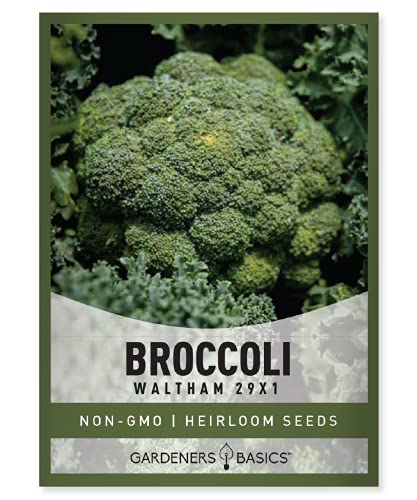
Waltham 29 broccoli: Grow green broccoli heads for steaming, roasting and fresh side dishes. This heirloom variety suits gardeners planning a cool-season vegetable harvest.

Beautiful - Large premium packet of Waltham 29 Broccoli (Brassica oleracea) seeds. A reliable heirloom that produces 5-6" blue-green heads and an abundance of side shoots. Waltham 29 is adapted for both drought and cold tolerance. Minimum of 750 mg per packet (about 200 seeds).

Di Cicco broccoli has been grown in Italian gardens since 1890 — over 135 years of proven performance. Unlike most modern varieties bred for one large central head, Di Cicco was specifically selected for abundant side-shoot production, making it one of the most continuously productive broccoli varieties you can grow.
Planting Broccoli Seeds
Starting from seeds can be a rewarding experience, but it requires a bit more time and attention. Here’s what you need to do:
- Indoor Start: Begin planting seeds indoors 5-7 weeks before the last spring frost.
- Sow Seeds: Plant seeds ½ inch deep in seed-starting mix and keep them moist.
- Transplant: After 4-6 weeks, transplant seedlings to your garden bed.
Planting Broccoli Seedlings
Opting for seedlings gives you a head start and can be more straightforward. Follow these steps:
- Purchase Seedlings: Buy healthy broccoli seedlings from a nursery or garden center.
- Transplant Care: Dig holes slightly larger than the seedling root ball and gently place them in the soil.
- Spacing: Space seedlings 18-24 inches apart in rows 24-36 inches apart.
Caring for Broccoli Plants
After successfully planting your broccoli, caring for them is crucial to ensure a bountiful harvest. Here are some essential tips to help your broccoli plants thrive:
- Watering: Keep the soil consistently moist but not waterlogged. Water at the base of the plants to prevent leaf diseases.
- Mulching: Apply a layer of mulch around the plants to retain moisture, regulate soil temperature, and suppress weeds.
- Fertilizing: Feed your broccoli plants with a balanced fertilizer high in nitrogen to promote healthy growth. Avoid excessive nitrogen as it can lead to lush foliage but inhibit flower and head development.
- Pest Control: Monitor your plants regularly for common pests like aphids, cabbage worms, and flea beetles. Consider using organic pest control methods to protect your broccoli naturally.
- Weeding: Remove weeds regularly to prevent competition for nutrients and water. Be gentle around the plants’ shallow roots when weeding.
- Support: As your broccoli plants grow, provide support for them to prevent bending or breaking. Use stakes or cages to help the plants stay upright.
- Harvesting: When the broccoli heads are firm and compact, it’s time to harvest. Cut the heads at a slant to encourage further side-shoot production.
Ensure you give your broccoli plants the care they need throughout their growth cycle for a successful and rewarding harvest.
Recommended Products
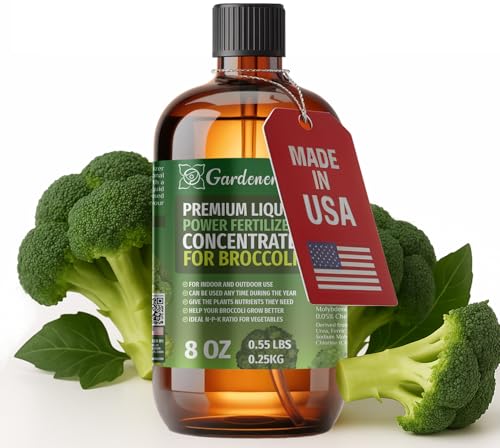
🥦 CUSTOMIZED FOR BROCCOLI DEVELOPMENT – Gardenera LIQUID POWER Broccoli Fertilizer is specially formulated to promote vigorous growth, tight crown formation, and bold green heads across all broccoli types including Calabrese, Romanesco, and sprouting varieties.

🌿 READY-TO-USE CONVENIENCE – Skip the hassle of measuring and mixing. This LIQUID POWER broccoli fertilizer spray comes fully premixed in an easy-to-use spray bottle, ready for immediate application to your garden or indoor plants.

BALANCED 10-10-10 FORMULA: Delivers equal parts nitrogen, phosphorus, and potassium for all-purpose plant nutrition supporting roots, growth, and harvests.
Conclusion
Planting broccoli requires attention to detail in soil preparation and the choice between seeds or seedlings. Whether you opt for starting from seeds or planting seedlings, each method has its own set of steps to follow. Remember to provide proper care for your broccoli plants by watering, mulching, fertilizing, monitoring pests, weeding, and supporting their growth. By following these essential steps, you’ll be on your way to enjoying a bountiful harvest of fresh, delicious broccoli. Happy gardening!
Frequently Asked Questions
1. How do I start planting broccoli from seeds?
To start planting broccoli from seeds, plant them indoors 5-7 weeks before the last spring frost. Sow the seeds ½ inch deep in seed-starting mix and transplant the seedlings to the garden bed after 4-6 weeks.
2. What is the process for planting broccoli seedlings?
For planting broccoli seedlings, purchase healthy ones from a nursery. Dig holes slightly larger than the root ball for transplanting and space them 18-24 inches apart in rows 24-36 inches apart.
3. How should I care for my broccoli plants after planting?
After planting broccoli, care for them by watering at the base, mulching for moisture retention and weed suppression, fertilizing with nitrogen-rich fertilizer, monitoring pests organically, weeding regularly, providing support as they grow, and harvesting when heads are firm and compact.
