

Ever wondered how those tiny seeds transform into vibrant orange carrots in your garden? Picture this: you diligently plant carrot seeds, eagerly waiting for the magic to happen, only to be left scratching your head as to how it all unfolds. Don’t worry, you’re not alone in this curiosity!
In this article, you’ll uncover the secrets of how carrots sprout from seeds, guiding you through each stage of this fascinating journey. From planting the seeds to nurturing the delicate seedlings, you’ll gain valuable insights that will empower you to grow your own bountiful carrot harvest. Get ready to embark on a rewarding gardening adventure as we unveil the mysteries of how those humble seeds blossom into the crisp, sweet carrots you love.
Choosing the Right Carrot Seeds
When selecting carrot seeds for your garden, consider these factors to ensure a successful harvest:
- Variety Selection: Choose carrot varieties based on your climate and soil conditions.
- Seed Quality: Opt for high-quality seeds from reputable suppliers for better germination rates.
- Disease Resistance: Look for carrot seeds resistant to common diseases in your area.
- Seed Packet Information: Read the seed packets for details on planting depth, spacing, and days to maturity.
- Organic vs. Hybrid: Decide between organic or hybrid seeds based on your gardening preferences.
With these guidelines, you’ll be on your way to selecting the perfect carrot seeds for a thriving garden.
Recommended Products

Premium Seeds: Tendersweet heirloom carrot variety offering approximately 2600 seeds for extensive garden planting and multiple growing seasons

Vibrant Colors: Red, purple, white, yellow & orange rainbow carrots; 90%+ germination rate. Rainbow carrot seeds for planting thrive in USDA 3‑11, ideal for growing carrots fresh for juicing & fresh snacks.

Sweet, Coreless Roots - Scarlet Nantes produces tender, cylindrical 6-7 inch carrots with smooth skin and fine-grained flesh; a classic French heirloom (Daucus carota) dating to the 1850s, prized for fresh snacking, juicing, roasting, and root cellar storage unlike woody, tapered varieties
Preparing the Soil for Planting
To start off, clear the planting site from any debris or weeds. Check that the soil is loose and well-drained. Carrots thrive in loose, sandy soils.
Here are some key steps to prep the soil effectively:
- Loosen the soil to a depth of at least 12 inches. This allows the carrot roots to grow straight and strong.
- Remove any rocks or stones that could impede root growth or cause deformities.
- Mix in compost or aged manure to enrich the soil with nutrients.
- Avoid fresh manure, as it can cause the carrots to fork.
Keep in mind that carrots prefer a neutral pH level around 6.0 to 6.8. Test the soil and adjust as needed with lime (to raise pH) or sulfur (to lower pH).
By preparing your soil thoughtfully, you set the stage for healthy carrot growth and a successful harvest.
Recommended Products

OMRI Listed - Cz Dolomite Lime is an All-Natural mineral fertilizer listed by the Organic Materials Review Institute (OMRI). It may be used in certified organic production or food processing and handling according to the USDA National Organic Program regulations. (OMRI Certified 2024)

OMRI Listed - Cz Gypsum Calcium Sulfate Dihydrate is an All-Natural mineral fertilizer listed by the Organic Materials Review Institute (OMRI). It may be used in certified organic production or food processing and handling according to the USDA National Organic Program regulations.

Planting Carrot Seeds
When it comes to Planting Carrot Seeds, there are a few key steps to keep in mind:
- Select a Sunny Location: Carrots thrive in full sunlight, so choose a spot in your garden that receives plenty of sun throughout the day.
- Prepare the Soil: As mentioned earlier, it’s crucial to ensure the soil is loose, well-drained, and enriched with compost or aged manure. Carrots prefer loose soil to allow their roots to grow straight and deep.
- Sow the Seeds: Plant the seeds directly into the prepared soil. You can sow them in rows or simply scatter them across the area, ensuring they are evenly spaced for proper growth.
- Cover the Seeds: After sowing the seeds, lightly cover them with a thin layer of soil. Carrot seeds are tiny, so they don’t need to be buried too deep.
- Water Gently: Keep the soil moist after planting. Be careful not to wash away the seeds with a heavy stream of water.
- Thin Out Seedlings: Once the seedlings emerge, you may need to thin them out to allow enough space for the remaining plants to grow. Carrots need room to develop their roots properly.
| Average Germination Time | 60-75 days |
|---|---|
| Spacing Between Seeds | 1-3 inches |
| Depth to Plant Seeds | 1/4 to 1/2 inch |
By following these steps, you’ll be on your way to growing delicious and vibrant carrots right in your own backyard.
Recommended Products

Promotes Healthy Root Development: Each cell measures 1.5" square by 2.25" deep, designed to promote healthy root development and ensuring your seedlings get a strong start for robust growth.

EASIER SEED STARTING: Our Burpee SuperSeed tray with 36 flexible pop-out cells is designed to simplify indoor seed starting for all your favorite vegetables, flowers and herbs. Just add seed starting mix, seeds, water and light to get growing! Rows are labeled alphanumerically for seedling identification with included Plant-o-Gram diagram. Tray dimensions: 11.5" x 10-3/8" x 2-1/4"
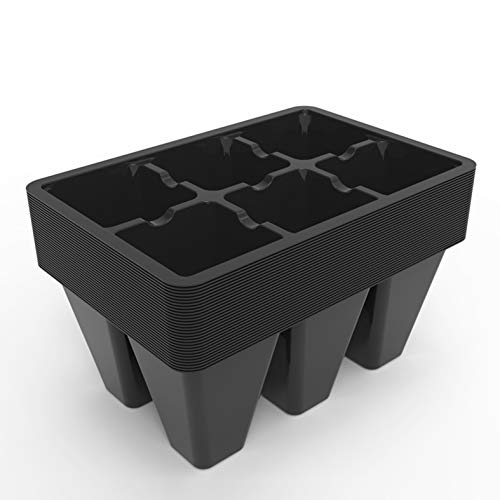
High Quality and Durable - Our Gardzen Seed Start Trays are made from premium plastic material, ensuring long-lasting use for all your seed starting needs. These trays are designed to withstand daily wear and tear, making them perfect for avid gardeners.
Nurturing Carrot Seedlings
So, your carrot seedlings have sprouted, and now it’s time to give them some tender loving care. Here’s what you need to do to ensure they grow up strong and healthy:
- Watering: Keep the soil consistently moist but not waterlogged.
- Sunlight: Ensure your seedlings get at least 6 hours of sunlight per day.
- Thinning: Once your seedlings have two sets of true leaves, thin them out to about 2-3 inches apart.
- Fertilizing: Consider adding a balanced fertilizer when your seedlings are about 3 weeks old.
- Protection: Protect your seedlings from pests by covering them with a light fabric or using organic pest control methods.
Harvesting the Fresh Carrots
- Timing is key; typically, carrots are ready to harvest 60-80 days after sowing.
- Gently loosen the soil around the carrot to ease its removal without causing damage.
- Grasp the green tops near the root and pull steadily to lift the carrot from the ground.
- Check for any signs of pests or diseases and discard any affected carrots.
- Enjoy the satisfaction of freshly harvested carrots in your meals!
Conclusion
You’ve now learned the essential steps for growing carrots from seeds. Remember to provide the right conditions for your seedlings, including proper watering, sunlight, and thinning. When it’s time to harvest, be sure to do so at the right moment and handle the carrots with care. By following these guidelines, you’ll soon be enjoying your own freshly harvested carrots in your favorite dishes. Happy gardening!
Frequently Asked Questions
How often should I water my carrot seedlings?
Water your carrot seedlings consistently to keep the soil moist but not waterlogged. Check the soil’s moisture level by feeling it with your fingers to avoid overwatering.
When should I thin out my carrot seedlings?
Thin out your carrot seedlings once they have two sets of true leaves. This process helps prevent overcrowding, allowing the remaining seedlings to grow stronger and healthier.
When should I consider fertilizing my carrot seedlings?
Consider fertilizing your carrot seedlings after three weeks of growth. Use a balanced fertilizer specifically designed for vegetables to provide essential nutrients.
How can I protect my carrot seedlings from pests?
Protect your carrot seedlings from pests by using light fabric as a physical barrier or organic methods such as neem oil or insecticidal soap. Regularly inspect your seedlings for any signs of pest infestations.
When is the best time to harvest fresh carrots?
Harvest your fresh carrots typically 60-80 days after sowing, depending on the carrot variety. Gently loosen the soil around the carrots to facilitate easy removal without damaging the roots.
How should I pull out harvested carrots?
Pull out harvested carrots by grasping the green tops near the root and gently pulling them out of the soil. Avoid pulling forcefully to prevent breakage.
What should I do if I find pests or diseases on harvested carrots?
If you find pests or diseases on harvested carrots, discard the affected ones to prevent contamination. Check the remaining carrots thoroughly for any signs of pests or diseases.
How can I enjoy freshly harvested carrots in meals?
Enjoy the satisfaction of freshly harvested carrots in meals by incorporating them into salads, stews, soups, or simply enjoying them raw with a dip. Explore different recipes to savor the natural sweetness of homegrown carrots.
