

Understanding Snails and Slugs
When it comes to snails and slugs in your carrot garden, understanding their behavior and characteristics is key to effectively managing them. Here are some key points about these common garden pests:
- Habitat: Snails and slugs thrive in moist environments, making your garden a perfect home for them.
- Feeding: They are omnivores that feed on a wide range of plants, including your beloved carrots.
- Nocturnal: These pests are active at night, making it challenging to spot and remove them during the day.
To address the issue of snails and slugs in your carrot garden effectively, stay tuned for practical strategies and tips in the upcoming sections.
Signs of Snail and Slug Infestation
When it comes to dealing with snails and slugs in your carrot garden, being able to identify the signs of their presence early on is crucial. Here are some key indicators that can help you determine if you have a snail or slug infestation:
- Irregular Holes in Leaves: If you notice irregularly shaped holes in the leaves of your carrot plants, this could be a sign of snail or slug feeding activity.
- Silvery Trails: Keep an eye out for shiny, silvery trails left behind on plant leaves or the ground, particularly during the early morning. These trails are a telltale sign of snails and slugs moving around.
- Damaged Seedlings: Young, tender seedlings are particularly vulnerable to snails and slugs. If you see seedlings that have been partially or completely eaten, these pests might be the culprits.
By recognizing these signs early on, you can take proactive measures to address the snail and slug infestation in your carrot garden.
Recommended Products

KILLS SLUGS & SNAILS: Slugs and snails begin to die within three to six days after bait is ingested.

Slug and snail bait kills slugs and snails in 3 to 6 days

ORGANIC SLUG AND SNAIL CONTROL - Sluggo is one of the best snail and slug control products to protect your plants from snail and slug damage. Use in lawns, gardens, greenhouses, ornamentals, vegetables, fruits, berries, citrus and crop plants.
Natural Ways to Control Snails and Slugs
When dealing with snails and slugs in your carrot garden, you’ll want to opt for natural methods that are effective and environmentally friendly. Here are some strategies that can help you manage these pests:
- Handpicking: Regularly inspect your garden in the early morning or late evening hours and manually remove any snails or slugs you come across. This can be a simple yet effective way to keep their population in check.
- Beer Traps: Set up shallow containers filled with beer in the garden. Snails and slugs are attracted to the scent, crawl in, and are unable to crawl back out. Empty and refill these traps regularly.
- Copper Barriers: Place copper tape or wire around your carrot beds. When snails and slugs come into contact with copper, it gives them a mild electric shock, deterring them from crossing the barrier.
- Natural Predators: Encourage natural predators of snails and slugs, such as birds, frogs, and toads, to frequent your garden. Providing habitats like bird feeders or small ponds can attract these helpful creatures.
- Diatomaceous Earth: Sprinkle food-grade diatomaceous earth around your plants. This natural substance has sharp particles that can pierce the bodies of snails and slugs, ultimately dehydrating them.
| Snails and Slugs Control Methods | |
|---|---|
| Handpicking | Effective but labor-intensive |
| Beer Traps | Lures and traps pests |
| Copper Barriers | Acts as a deterrent |
| Natural Predators | Encourages a healthy ecosystem |
| Diatomaceous Earth | Dehydrates and controls pests |
By incorporating these natural control methods into your gardening routine, you can effectively manage snails and slugs without resorting to harmful chemicals.
Recommended Products

100% Chemical-Free: Made from 5lbs of food-grade freshwater diatomaceous earth with no additives or fillers. Safe for use around children and pets when used as directed.

100% Chemical-Free: Made from 8oz of food-grade freshwater diatomaceous earth with no additives or fillers. Safe for use around children, pets and farm animals when used as directed.
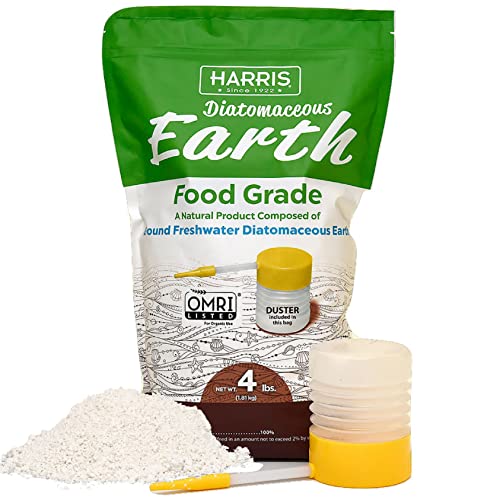
Natural Product - Composed of 4lbs of 100% ground freshwater diatomaceous earth with absolutely no additives or fillers.
Using Barriers to Protect Carrot Plants
When it comes to protecting your precious carrot plants from snails and slugs, barriers can be a game-changer. Here are some effective options to safeguard your garden:
- Copper tape: Place it around the perimeter of your carrot patch to create a barrier that these slimy pests prefer to avoid.
- Copper mesh: Similarly, laying copper mesh around the base of your carrot plants acts as a deterrent for snails and slugs.
- Crushed eggshells: Scatter these around your carrots to create a sharp barrier that slugs and snails find challenging to cross.
- Mulch: Applying a layer of mulch around your plants not only helps retain moisture but also creates a barrier that snails and slugs must navigate.
By incorporating these protective barriers into your gardening routine, you can create a physical defense against snails and slugs and safeguard your beloved carrot harvest.
Recommended Products

[EXTRA-WIDE SLUG & SNAIL BARRIER] – Protect your plants with a heavy-duty barrier. The 2-inch width provides a much larger barrier zone than standard narrow tapes, making it an incredibly effective slug and snail barrier for garden pots, raised beds, and planters

Effective Slug & Snail Defense: Copper Stopper creates a powerful barrier against slugs and snails, serving as a slug repellent for garden beds in a pet-safe solution.
![Kraftex Copper Tape [1 Inch x 66ft] – Conductive Copper Foil Tape with Adhesive for Stained Glass, Slug Barrier, Guitar Shielding & Faraday Cage](https://m.media-amazon.com/images/I/51R1IRCouIL._SL500_.jpg)
Molluscs and More: Copper tape is a great way to keep those pesky slugs away from your garden plants. Just put a connected ring of our copper slug tape around your garden pots or planters to create a copper slug barrier to keep them away.
Conclusion
Protecting your carrot garden from snails and slugs is crucial for a bountiful harvest. Consider using barriers like copper tape, mesh, crushed eggshells, or mulch to keep these pests at bay. By implementing these simple yet effective solutions, you can create a safe haven for your carrot plants to thrive. Happy gardening!
Frequently Asked Questions
What are some effective barriers to protect carrot gardens from snails and slugs?
To protect carrot gardens from snails and slugs, effective barriers include copper tape and mesh, crushed eggshells, and mulch. These physical barriers deter pests and safeguard carrot plants.
How do these barriers help in preventing damage to carrot plants?
Copper tape and mesh create a barrier that repels snails and slugs due to their reaction to copper. Crushed eggshells act as a rough barrier that pests avoid crawling over. Mulch creates a barrier that makes it difficult for snails and slugs to reach carrot plants.
Why should gardeners consider using protective barriers in their carrot gardens?
Using protective barriers in carrot gardens helps prevent snails and slugs from damaging the plants. This safeguards the carrot crop and ensures a successful harvest for gardeners.
Are these barriers eco-friendly and safe for the environment?
Yes, the barriers mentioned – copper tape and mesh, crushed eggshells, and mulch – are eco-friendly and safe for the environment. Gardeners can use these options as effective, sustainable methods to protect their carrot plants.
