

Ever wondered how deep you should plant your beets for a bountiful harvest? Picture this: you eagerly sow your beet seeds only to find stunted growth and disappointing yields. Fret not, as we’re here to guide you on the perfect planting depth for those vibrant, delicious beets.
Benefits of Planting Beets at the Right Depth
When it comes to planting beets, ensuring they are at the correct depth offers a multitude of benefits that can significantly impact your harvest. Here’s why it’s crucial to get the depth right:
- Optimal Nutrient Absorption: Planting beets at the right depth allows their roots to access nutrients and water more efficiently, promoting healthy growth and development.
- Enhanced Growth: Placing beets at the correct depth encourages strong root development, leading to robust foliage and ultimately, a more bountiful crop.
- Prevents Pests and Diseases: Properly planted beets are less susceptible to diseases and pests, as they are better equipped to withstand environmental stressors.
- Uniform Size and Shape: Beets planted at the recommended depth are more likely to grow uniformly, resulting in a consistent size and shape, perfect for both visual appeal and culinary purposes.
- Higher Yields: By ensuring your beets are planted at the right depth, you increase the chances of a successful harvest with plentiful yields for your table.
Incorporating these benefits into your beet planting practices can maximize the quality and quantity of your harvest, enriching your garden and your plate.
Understanding Beet Seed Size and Planting Depth
When it comes to planting beets, understanding beet seed size is crucial. Different beet varieties have varying seed sizes, affecting the planting depth. Larger seeds like cylindrical beets should generally be planted deeper, while smaller seeds like round beets need a shallower depth.
Planting depth plays a vital role in beet germination. Planting beet seeds too shallow can result in poor germination rates, while planting them too deep may inhibit proper growth. A general rule of thumb is to plant beet seeds about ½ inch deep in light soil and 1 inch deep in clay soil.
The size of your beet seeds will guide you on the ideal planting depth. If you’re unsure, opt for a medium soil type and aim for ¾ inch depth. Always consider your soil type, moisture levels, and climate when determining the optimal planting depth for your beets.
Testing Soil Moisture Before Planting Beets
When deciding how deep to plant your beets, it’s crucial to consider the soil moisture levels. Here’s how you can test the soil moisture before planting:
- Simple Test: Grab a handful of soil from your garden and squeeze it gently. If the soil holds together and forms a ball, it might be too wet. If it crumbles easily, it’s likely dry and needs watering.
- Deep Probe: Use a spade or a trowel to dig a small hole in your garden. Check the soil’s moisture level at different depths. Ideally, the soil should be slightly moist but not soggy.
- Visual Inspection: Look for visible signs of moisture in the soil, such as wet patches or water standing on the surface. Well-draining soil is essential for healthy beet growth.
- Smart Tip: Avoid planting beets in soggy or waterlogged soil, as excessive moisture can lead to rotting of the seeds and roots.
Remember, testing soil moisture before planting your beets can help you determine the optimal planting depth to ensure successful germination and growth.
| Soil Moisture Testing Methods | Description |
|---|---|
| Simple Test | Squeeze soil to check for moisture content |
| Deep Probe | Dig holes to assess moisture levels at depth |
| Visual Inspection | Look for visible signs of moisture in the soil |
Recommended Products

Trusted Since 2015: Become one of the many plant lovers who rely on the proven accuracy of XLUX. Established in 2015, our soil moisture meter has earned over 60,000+ verified ratings for its consistent performance. While many many newer brands come and go, we provide the long-term reliability and quality that American households have trusted for over a decade.

Kindly NOTE: This soil tester can not be applied to test pH value of any other liquid. If the soil is too dry the indicator will not move, and water it before testing.

Accurate Soil Moisture Detection: The XLUX Soil Moisture Meter can tell you if the soil deep inside your pot or garden is dry, moist or wet; whereas your eyes and fingers can only determine the moisture level of the soil surface. The probe is 5.5 inches (14 cm) longer than regular styles, allowing it to measure the soil moisture at the bottom of larger and deeper flower pots.
Steps to Plant Beets at the Correct Depth
Planting beets at the right depth is crucial for successful growth. Follow these steps for best results:
- Prepare the Soil: Ensure your soil is loose and free of rocks to allow beets to develop fully.
- Test Soil Moisture: Perform a soil moisture test to determine the ideal planting time.
- Determine Planting Depth: Choose the correct depth based on the seed size and variety.
- Seed Planting: Sow the seeds at the recommended depth, spacing them adequately.
- Cover and Water: Gently cover the seeds with soil and water thoroughly but avoid overwatering.
Recommended Products

TOP-RATED NUTRITIONAL HEIRLOOM: Detroit Dark Red is a premium, high-yielding, and stress-resistant beet variety that stands at the pinnacle of root vegetables. This all-season favorite is a mid-early universal cultivar, perfect for consistent home harvests of professional quality.
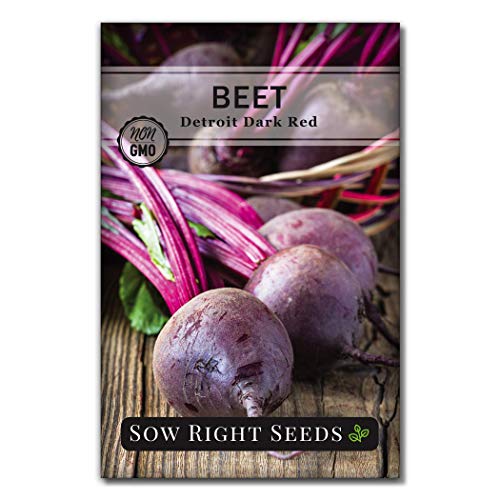
Beautiful - Large premium packet of Detroit Dark Red Beet (Beta var. ‘Detroit Dark Red’) seeds. Vivid, dark red 2-3" round beets have sweet flesh and tasty edible greens. This resilient variety can tolerate temperature variations, offering high productivity even in less-than-ideal soil conditions. Minimum of 1.5 g per packet (about 90 seeds).

Golden roots and edible greens: Grow Golden Detroit beets for yellow roots you can roast, pickle or slice into salads. The leafy tops can also be cooked as garden greens.
Maintaining Optimal Soil Moisture for Beet Growth
Maintaining Optimal Soil Moisture for Beet Growth
To ensure successful beet growth, maintaining the right level of soil moisture is crucial. Here are some tips to help you achieve this:
- Checking Moisture Levels: Regularly test the soil moisture by feeling the soil. It should be moist but not waterlogged.
- Watering Schedule: Establish a consistent watering schedule to keep the soil moisture levels in check. Beets prefer even moisture throughout their growth.
- Preventing Overwatering: Avoid overwatering, as it can lead to root rot. Ensure the soil has good drainage to prevent water accumulation.
- Mulching: Consider using mulch around your beet plants. Mulch helps retain moisture, reducing the need for frequent watering.
| Optimal Soil Moisture |
|---|
| Moisture Level: Keep soil consistently moist |
| Watering Frequency: Water as needed, avoiding overwatering |
| Mulching: Helps retain moisture |
Remember, maintaining optimal soil moisture is key to healthy beet growth.
Recommended Products

Miracle-Gro Indoor Potting Mix for Seed Starting grows stronger roots for seeding success (vs unfed when used as directed)

CONTAINS: This organic Seed Stating soil mix is a rich blend of sphagnum peat moss & perlite with yucca extract and lime to ensure correct pH.

Includes Back to the Roots Compressed Seed Starting Potting Mix that expands to 12qt of soil. A balanced pH, which means it’s truly all-purpose. Use alone or as an amendment for anything in a pot or in the ground — vegetables, flowers, herbs, and even starting seeds.
Conclusion
Ensuring optimal soil moisture is essential for your beet plants to thrive. By regularly monitoring moisture levels, sticking to a consistent watering routine, and avoiding overwatering, you can prevent root rot and promote healthy growth. Remember, maintaining the right soil moisture is a critical factor in the success of your beets. Keep these tips in mind as you care for your plants, and you’ll be on your way to a bountiful beet harvest. Happy gardening!
Frequently Asked Questions
Why is maintaining optimal soil moisture important for beet growth?
Maintaining optimal soil moisture is important for beet growth because it helps facilitate nutrient absorption and root development, ultimately leading to healthier plants and higher yields.
How often should I check the moisture levels of the soil?
It is recommended to check the moisture levels of the soil at least once a week, especially during dry periods, to ensure that the beets are receiving adequate hydration.
What is the significance of establishing a consistent watering schedule?
Establishing a consistent watering schedule helps maintain stable soil moisture levels, preventing fluctuations that can stress the plants or lead to issues like wilting or nutrient deficiencies.
How can overwatering impact beet growth?
Overwatering can lead to root rot in beets, as it restricts oxygen flow to the roots and promotes the growth of pathogens, ultimately hindering the plant’s ability to thrive.
Why is using mulch recommended for retaining moisture in the soil?
Mulch helps retain moisture in the soil by reducing evaporation, regulating soil temperature, and minimizing water runoff, creating a conducive environment for healthy beet growth.
