

Ever wondered how to ensure your beet seedlings thrive from the start? Picture this: you’re eager to grow your own fresh, vibrant beets, but unsure of where to begin. That’s where we come in. In this article, you’ll uncover the secrets to planting beet seedlings successfully in your own backyard.
Are you ready to experience the joy of harvesting your homegrown beets? By mastering the art of planting beet seedlings, you’ll not only enjoy a bountiful harvest but also savor the satisfaction of nurturing your plants from tiny seeds to flourishing crops. Get ready to dive into the world of beet gardening and watch your garden bloom with this simple yet rewarding process.
Choosing the Right Location
When deciding where to plant your beet seedlings, consider the following factors:
- Sunlight: Choose a spot that receives at least 6 hours of sunlight daily.
- Soil Quality: Opt for well-draining soil rich in organic matter.
- Space: Ensure there’s enough room for the beets to grow without crowding.
- Accessibility to Water: Pick a location near a water source for easy irrigation.
- Protection: Shield seedlings from strong winds that can damage delicate plants.
For optimal growth, aim for a location with full sun exposure, nutrient-rich soil, and protection from harsh elements. Remember, a well-chosen spot sets the foundation for a successful beet gardening journey.
Preparing the Soil
When it comes to planting beet seedlings, Preparing the Soil is a crucial first step. Here are some tips to get your soil ready for optimal growth:
- Clear the area: Remove any weeds or debris from the planting spot.
- Loosen the soil: Break up compacted soil to ensure good root development.
- Add compost: Incorporate compost to enrich the soil with nutrients.
| Action | Details |
|---|---|
| Clear the area | Remove weeds and debris |
| Loosen the soil | Break up compacted soil |
| Add compost | Enrich soil with nutrients |
Planting the Beet Seedlings
When it’s time to actually plant your beet seedlings, here are the steps you need to follow to ensure they thrive:
- Prepare the Soil: Make sure the soil is loose and free from clumps to allow the roots to grow easily.
- Digging Holes: Space the holes about 3 inches apart to avoid overcrowding as the beets grow.
- Placing the Seedlings: Gently insert the seedlings into the holes and cover the roots with soil.
- Watering: Give the seedlings a good watering immediately after planting to help them settle in.
| Planting Depth: | Seedlings should be planted about 1 inch deep in the soil. |
| Sunlight: | Beet seedlings thrive in full sun, so choose a sunny spot for planting. |
| Watering Frequency: | Keep the soil consistently moist but not waterlogged. |
Watering and Fertilizing
When it comes to watering your beet seedlings, it’s essential to keep the soil consistently moist but not waterlogged. Water them regularly, especially during dry spells, and aim to maintain soil moisture at all times.
For fertilizing, start by mixing in some compost or organic fertilizer before planting. This will provide your beet seedlings with essential nutrients for healthy growth. As they grow, consider side dressing with a balanced fertilizer to support their development.
Remember, watering and fertilizing are key aspects of caring for your beet seedlings and ensuring a bountiful harvest later on.
Recommended Products
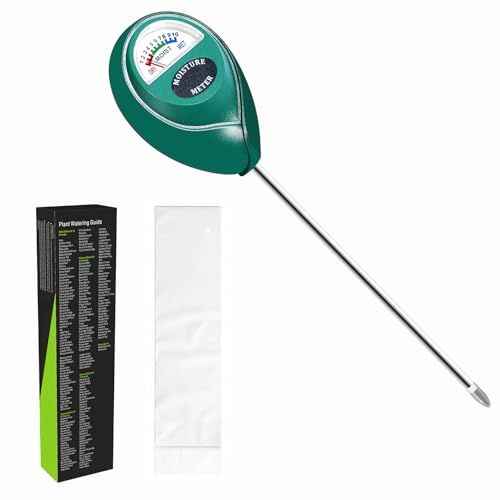
Trusted Since 2015: Become one of the many plant lovers who rely on the proven accuracy of XLUX. Established in 2015, our soil moisture meter has earned over 60,000+ verified ratings for its consistent performance. While many many newer brands come and go, we provide the long-term reliability and quality that American households have trusted for over a decade.

Accurate Soil Moisture Detection: The XLUX Soil Moisture Meter can tell you if the soil deep inside your pot or garden is dry, moist or wet; whereas your eyes and fingers can only determine the moisture level of the soil surface. The probe is 5.5 inches (14 cm) longer than regular styles, allowing it to measure the soil moisture at the bottom of larger and deeper flower pots.

【4 in 1 function】This is a 4-in-1 multifunctional soil tester.Our soil tester fastly to measure soil moisture, pH, temperature and sunlight to help you take better care of flowers and plants.You can know when you need to water your soil by measuring moisture and pH & Temperature value of the soil and sunlight level of plants with it.
Monitoring Growth and Care
- Track Growth: Regularly check the progress of your beet seedlings by observing their size and leaf color.
- Pest Control: Keep an eye out for pests like aphids or flea beetles. Use natural remedies or insecticidal soap if needed.
- Weed Management: Remove weeds regularly to prevent competition for nutrients and water.
| Key Points | Data |
|---|---|
| Seedling growth rate | Rapid |
| Optimal temperature | 60-70°F |
| Days to germination | 5-10 |
- Thinning: Thin overcrowded seedlings to ensure proper spacing for healthy growth.
- Harvesting Timing: Consider the ideal time to harvest based on the size of the beetroot you desire.
- Soil Test: Periodically test the soil pH to ensure it remains in the optimal range for beet growth.
Continue nurturing your beet seedlings with care and attention to detail for a successful harvest.
Conclusion
Ensuring the healthy growth of your beet seedlings is key to a bountiful harvest. By monitoring their progress, implementing pest control measures, and maintaining proper care routines, you set the stage for success. Remember to thin out overcrowded seedlings, harvest at the right time, and test soil pH regularly. Your dedication and attention to detail will pay off with vibrant, delicious beetroots. Happy planting!
Frequently Asked Questions
What are the key aspects to monitor for the growth of beet seedlings?
Monitoring the size and leaf color of beet seedlings is crucial to ensure healthy growth and development.
How important is pest control for beet seedlings?
Pest control is essential to protect beet seedlings from aphids and flea beetles, which can damage the plants.
Why is regular weeding necessary for beet seedlings?
Regular weeding helps prevent competition for nutrients and water, allowing beet seedlings to thrive.
What is the significance of thinning overcrowded seedlings?
Thinning overcrowded seedlings is important to give each plant enough space to grow and access sufficient resources.
When should beetroot be harvested for optimal size?
Harvest beetroot at the right time based on the desired size to ensure the best flavor and texture.
Why is testing soil pH periodically important for beet seedlings?
Testing soil pH helps ensure optimal growth conditions for beet seedlings, promoting healthy development.
How crucial is continued nurturing for successful beet seedling harvest?
Continued nurturing with attention to detail is vital to guarantee a successful harvest of beet seedlings.
