

Ever wondered how resilient your cucumber plants are when the night chill sets in? Picture this: you’re tending to your garden, and the temperature starts to drop. Will your cucumber plants withstand the cold or will they struggle to survive?
In this article, you’ll discover the secrets behind how cold your cucumber plants can endure during those frosty nights. By understanding their tolerance levels, you’ll be equipped to protect your precious plants and ensure a thriving garden. Ready to unlock the key to keeping your cucumber plants happy and healthy?
Understanding Cucumber Plant Cold Tolerance
When it comes to cucumber plants’ cold tolerance, it’s essential to know that they prefer warm temperatures but can handle cooler conditions. During frosty nights, it’s crucial to assess how low the temperature can drop before damage occurs.
Factors Affecting Cold Tolerance
- Cucumber Variety: Some cucumber varieties are more resilient to cold than others.
- Plant Health: Strong, healthy plants can withstand lower temperatures better.
- Acclimatization: Gradual exposure to cooler temperatures can help improve cold tolerance.
Signs of Cold Damage
- Wilting Leaves: Leaves may appear limp or wilted.
- Discolored Patches: Areas of the plant may turn black or brown.
- Stunted Growth: Growth may slow down or stop due to cold stress.
Protecting Cucumber Plants
- Covering: Use blankets or row covers to shield plants from extreme cold.
- Mulching: Apply mulch around the base of plants to retain soil warmth.
- Watering: Water plants before a predicted cold spell to help them retain heat.
Optimal Temperature Range
| Optimal Temperature Range |
|---|
| Daytime: 75-85°F |
| Nighttime: 60-70°F |
Factors Affecting Cucumber Plants’ Ability to Handle Cold
To understand how cold cucumber plants can tolerate at night, it’s essential to consider various factors that influence their ability to withstand low temperatures. Here are key factors you should keep in mind:
- Variety: Some cucumber varieties are naturally more cold-tolerant than others. Choosing a variety suited for cooler conditions can significantly impact how well your plants handle cold nights.
- Plant Health: Healthy plants are better equipped to cope with cold stress. Ensuring your cucumber plants are healthy through proper care and nutrition can enhance their resilience to chilly nights.
- Acclimatization: Gradually exposing cucumber plants to cooler temperatures can help them acclimate and develop greater tolerance to the cold. Sudden drops in temperature can shock the plants, making them more susceptible to damage.
- Protection: Providing protective measures such as row covers, cloches, or tunnels can shield cucumber plants from extreme cold and frost, helping them thrive even in chilly nighttime conditions.
- Watering: Avoid overwatering as excessive moisture in the soil can make plants more vulnerable to cold injury. Water your cucumber plants strategically, allowing the soil to dry slightly between waterings to prevent waterlogging.
By considering these factors and taking proactive steps to support your cucumber plants’ cold tolerance, you can help them weather chilly nights and continue to thrive in your garden.
Recommended Products
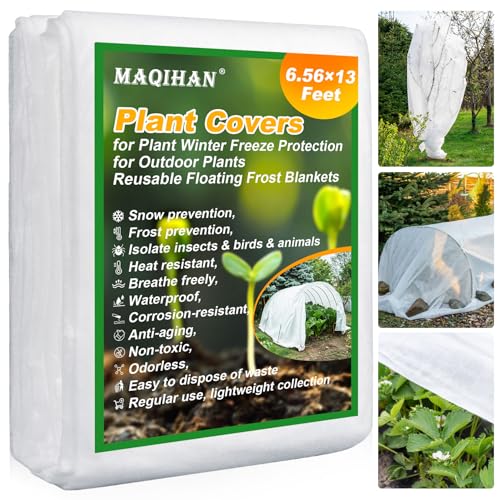
Product Features: Our plant covers are ideal for protecting all plant. Made from premium 1 oz/sq non-woven fabric, their durability and breathability ensuring both insulation against frost and facilitation of sunlight penetration for healthy plant growth

※Big Size to cover large area : The size of our plant cover is 10x30ft, the size can cover large areas. You can cut the plant covers freeze protection into different sizes for different use. You can cover it over the plant such as shrub tomato, pepper, pumpkin, and so on.

[1.5oz/yd² Frost Cloth for Plant Freeze Protection]Made with 1.5oz/yd² per sq yd garden fabric, this frost cloth helps protect plants from frost, cold wind, and sudden temperature drops while allowing sunlight, air, and moisture to pass through.
Signs of Cold Damage on Cucumber Plants
Cucumber plants are sensitive to cold temperatures, and it’s essential to watch out for signs of cold damage to ensure their health and productivity. Here are some common indicators to look out for:
- Wilting: Leaves and stems may appear droopy or wilted, signaling stress from cold exposure.
- Discoloration: Areas of the plant might show discoloration, often turning yellow or brown, indicating damage.
- Stunted Growth: Cold-damaged plants may exhibit slowed growth or failure to produce new leaves or fruit.
- Brittle Leaves: Leaves that become brittle or crispy to the touch are a sign of potential cold injury.
- Water-Soaked Spots: Wet, water-soaked spots on leaves or stems can indicate freezing damage.
Keep a close eye on your cucumber plants, especially during colder nights, to catch these signs early and take appropriate action to protect them. Remember, prevention and quick detection are key in safeguarding your plants from cold-related issues.
Protecting Cucumber Plants from Nighttime Chill
When it comes to protecting your cucumber plants from nighttime chill, being proactive is key. Keep an eye on the weather forecast and take preventative measures when temperatures are expected to drop.
Here are some tips to safeguard your cucumber plants during cold nights:
- Mulching: Cover the soil around the plants with mulch. This helps to retain heat and protect the roots from cold temperatures.
- Row Covers: Utilize row covers to shield your plants from chilly winds and frost.
- Watering: Ensure that your plants are well-watered before the temperature dips. Moist soil holds heat better than dry soil.
- Cloches or Tunnels: Consider using cloches or tunnels to create a mini greenhouse effect and trap warmth around the plants.
- Plant Selection: Opt for cold-resistant cucumber varieties if you live in an area prone to sudden temperature drops.
By implementing these strategies, you can safeguard your cucumber plants and help them thrive, even in chilly nighttime conditions.
Recommended Products

THICKER MATERIAL: Our plant freeze protection cover is made of UV stabilized polypropylene. Upgraded thicker 0.9oz./sq.yard lightweight but durable. Soft plant covers are friendly and no harm to your plants. Breathable non-woven fabric allow light, air go through the frost cloths and reach the plants.

【Best Winterize Protections for Plants & Trees】 Extra Stable Plant Blanket creates and retains warmth while protecting against frosts (down to 38 degrees F.), harsh weather, birds, animals and insect. Faraer 1.06 oz. fabric thick fabric is ideal for extending the growing season into early spring and late fall, or for insulating strawberries, herbs, perennials, small fruits, and other tender landscape plants all winter long.

Cover Large Area: Select from an extensive range of sizes tailored to meet your gardening requirements; The frost plant covers are available in 10x10FT, 10x20FT, 10x30FT, and 10x50FT, ensuring a snug fit for gardens of every dimension; The frost blankets are durable and easy to cut to provide the perfect coverage for gardens of all shapes and sizes
Tips for Maximizing Cucumber Plants’ Resilience in Low Temperatures
When protecting cucumber plants from nighttime chill, temperature is a critical factor.
To maximize their resilience in low temperatures, consider the following tips:
- Plant Variety: Select cold-resistant cucumber varieties that can withstand lower temperatures.
- Mulching: Cover the soil around the plants with mulch to regulate temperature and protect roots.
- Row Covers: Use row covers to create a barrier against cold air and maintain warmer temperatures around the plants.
- Watering: Proper watering is essential. Avoid over-watering during cool nights to prevent stress on the plants.
- Cloches or Tunnels: Install cloches or tunnels to shield cucumber plants from cold winds and maintain a warmer environment.
By following these practical tips, you can enhance the resilience of your cucumber plants and ensure their well-being in low temperatures.
Recommended Products

PRODUCT FEATURES: Our plant covers are ideal for protecting all plant. Made from premium 1.4 oz/sq non-woven fabric, their durability and breathability ensuring both insulation against frost and facilitation of sunlight penetration for healthy plant growth

More Larger Sizes Rectangular Plant Covers Freeze Protection: The Garutom frost plant covers are available in three sizes (8 ft x 24 ft, 10 ft x 33 ft, 10 ft x 50 ft), you can choose the size you need most. The plant blanket can be easily cut with scissors to fit over whatever you want

【Super Larger Size】 Our plant covers freeze protection is 10 feet x 50 feet, much larger than the ordinary 10 x 30 feet in the market, about 1.7 times of its size, which enables you to cover larger areas and more plants. The frost cloth plant freeze protection can be easily cut with scissors into different sizes you need, and cover your plants with single layer or doubled or tripled layer as you like
Conclusion
You’ve learned the importance of safeguarding your cucumber plants from nighttime chill by taking proactive measures. By utilizing techniques like mulching, row covers, proper watering, and selecting cold-resistant varieties, you can protect your plants in cold conditions. Remember to maximize resilience by choosing suitable varieties, using mulch for temperature control, employing row covers, maintaining proper watering, and utilizing cloches or tunnels. By implementing these strategies, you can ensure the well-being of your cucumber plants even during chilly nights.
Frequently Asked Questions
What are some ways to protect cucumber plants from nighttime chill?
To protect cucumber plants from nighttime chill, you can use mulching, row covers, proper watering, cloches, or tunnels. Additionally, selecting cold-resistant cucumber varieties can help safeguard the plants during cold nights.
How can I maximize cucumber plants’ resilience in low temperatures?
To maximize cucumber plants’ resilience in low temperatures, choose cold-resistant varieties, use mulch for temperature regulation, employ row covers to block cold air, ensure proper watering practices, and utilize cloches or tunnels to protect plants from cold winds. By following these strategies, you can enhance the resilience of your cucumber plants and ensure their well-being in chilly nighttime conditions.
