

Ever wondered why your cucumber seedlings struggle to thrive after transplanting? Picture this: you excitedly move your seedlings to the garden, only to watch them wilt and falter. How big should your cucumber seedlings be before making that crucial move? It’s a common dilemma for many gardeners.
Understanding Cucumber Seedling Growth
When it comes to cucumber seedling growth, it’s crucial to consider the plant’s development stage before transplanting.
Seedling Size Matters
Cucumber seedlings should typically have 3-4 true leaves and be about 3-4 inches tall when you’re ready to transplant them.
Root Development
Ensure that your cucumber seedlings have well-established root systems before moving them to the garden.
Ideal Transplanting Conditions
Choose a cloudy day to transplant your cucumber seedlings to reduce transplant shock and provide them with a better chance of thriving in their new environment.
Watering and Care
Keep the soil moist after transplanting to help your cucumber seedlings adjust.
Monitoring Growth
Regularly check on your transplanted seedlings to ensure they’re adapting well to their new surroundings.
Patience is Key
Remember, cucumber plants may take a couple of weeks to fully recover from transplanting, so be patient and give them time to acclimate.
| Cucumber Seedling Size for Transplanting | 3-4 true leaves, 3-4 inches tall |
| Recommended Transplanting Day | Cloudy weather |
Optimal Size for Transplanting
When it comes to transplanting your cucumber seedlings, the optimal size plays a crucial role in ensuring their successful growth post-transplant. Here are some key points to consider:
- 3-4 True Leaves: It’s recommended to wait until your cucumber seedlings have developed 3-4 true leaves. These leaves are mature leaves that have the classic shape of a cucumber leaf.
- 3-4 Inches Tall: Another indicator to look for is the height of your seedlings. Ideally, they should be 3-4 inches tall before transplanting to ensure they have a strong enough stem to support growth.
- Root Development: Check the root system of your seedlings. Healthy roots are essential for the plant to establish itself in its new environment. Ensure the roots are well-developed before transplanting.
Transplanting cucumber seedlings at the optimal size sets them up for success in their new environment. Remember, a well-prepared and healthy seedling is more likely to thrive after transplantation.
Signs of Readiness for Transplanting
Transplanting cucumber seedlings at the right time is crucial for their successful growth. Here are some signs to look out for to ensure your seedlings are ready for the next stage:
- Number of True Leaves: Wait until your cucumber seedlings have 3-4 true leaves. These leaves have a distinct shape compared to the initial seed leaves.
- Height: Aim to transplant your seedlings when they reach about 3-4 inches tall. This size indicates that the seedlings are strong and mature enough to thrive in a new environment.
- Root Development: Before transplanting, gently check the roots of your seedlings. Healthy roots should be well-developed, with a nice white color and a good network in the soil. Insufficient root growth can hinder the plant’s ability to establish itself in its new location.
Remember, making sure your cucumber seedlings meet these criteria will set them up for success during the transplanting process and beyond.
Recommended Products

🌱Durable Material: The whole body of the plant transplanting tongs is made of high-quality stainless steel, easy to clean and does not rust, very durable.

【Reduce Root Damage】 Using seedling transplant tongs can avoid damage to the seedling roots caused by pulling or digging by hand. Our gardening transplant pliers can completely lift the seedlings from the tray lattice, allowing for easy transplantation and reducing the risk of damaging the tender roots.

VERSATILE SET: Includes 2 essential hand tools - a seedling dibber for making planting holes and a widger for safe transplanting of delicate seedlings
Best Practices for Transplanting Cucumber Seedlings
When transplanting cucumber seedlings, choose a sunny location with well-drained soil. Ensure the soil is moist but not waterlogged. Dig holes about 12 inches apart and 6-12 inches deep to accommodate the roots of the seedlings comfortably.
Gently remove the seedlings from their containers, being careful not to damage the roots. If the roots are growing in circles, loosen them gently to encourage outward growth. Place each seedling in a hole and fill it with soil, pressing lightly to secure the plant in place.
Water the seedlings right after transplanting to help them settle into their new environment. Maintain consistent watering, ensuring the soil stays moist but not soggy. Consider using a mulch layer around the seedlings to retain moisture and deter weeds.
Protect the seedlings from extreme weather conditions, especially frost. Consider using row covers or cloches to shield them from cold temperatures. Gradually harden off the seedlings by exposing them to outdoor conditions before transplanting to help them adjust.
Monitor the seedlings closely after transplanting, watching for any signs of stress or transplant shock. With proper care and attention, your cucumber seedlings will establish themselves in their new home and thrive in the growing season.
Recommended Products

ALL-IN-ONE DESIGN. This 3-pack of complete mini Garden Cloche Tunnel comes assembled with 3 hoop stakes Accessible from either end & folds accordion style to allow access to any part of your garden row with ease!

Comprehensive Plant Protection: Our Plant Covers Freeze Protection provides essential shielding for outdoor plants against harsh winter conditions, including frost, snow storms, heavy rain, and intense sunlight, while kepp birds, pests, and insects out.
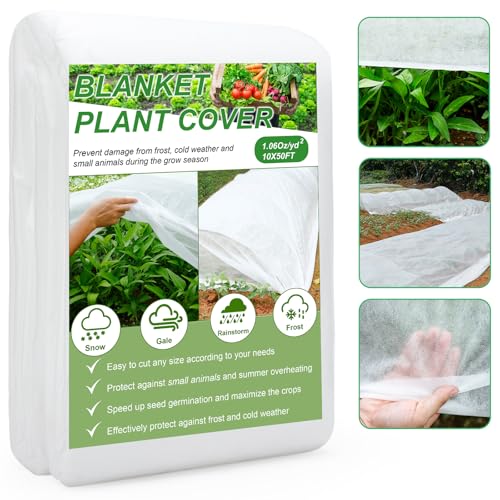
Great Helper for Gardening: This YDSL plant covers freeze protection is ideal for gardening enthusiasts and gardeners to protect plants and vegetables, so that your favourite plants can grow as safely as possible in an environment that is more suited to their needs. Garden bed cover is not only suitable for professional growers, but also for beginners in transplanting techniques, with which planting can be done with ease.
Tips for Successful Transplanting
- Choose a sunny location with well-drained soil.
- Handle seedlings gently to avoid root damage.
- Water seedlings immediately after transplanting.
- Protect seedlings from extreme weather conditions.
- Monitor for signs of stress post-transplanting.
Mistakes to Avoid During the Transplanting Process
When transplanting your cucumber seedlings, there are a few common mistakes to watch out for to ensure successful growth:
- Transplanting Too Early: Wait until your cucumber seedlings have at least 2-3 true leaves before transplanting to give them a better chance at thriving.
- Neglecting Hardening Off: Skipping the crucial step of hardening off can shock and stunt your seedlings’ growth post-transplant.
- Planting Too Deep: Avoid burying your cucumber seedlings too deep in the soil, as this can lead to suffocation of the roots.
- Overwatering: While it’s important to keep the soil moist, overwatering can lead to root rot and other issues that hinder plant development.
- No Mulching: Neglecting to mulch around your cucumber seedlings can result in moisture loss and weed growth, impacting their overall health.
- Ignoring Pests: Be vigilant for common pests like aphids and cucumber beetles that can quickly damage your seedlings if left unchecked.
When transplanting your cucumber seedlings, paying attention to these mistakes can make a significant difference in the success of your plants’ growth and development.
Recommended Products

All-Natural: Special blend for growing avocados in containers or as houseplants

SUSTAINABLE BLEND WITH ORGANIC MATERIALS: Contains a unique mix of organic coconut coir, coconut husk chips, and recycled forest products; this gnat free indoor potting soil for house plants offers moisture retention and aeration for healthy roots

Grows Bigger Harvests: Enriched with nutrients and continuous-release plant food to feed vegetables and herbs for up to 3 months—results in bigger, more bountiful harvests vs. unfed plants
Conclusion
Ensure your cucumber seedlings reach the appropriate size before transplanting to set them up for success. Avoid common mistakes like transplanting too early, neglecting hardening off, planting too deep, overwatering, skipping mulching, and ignoring pests. By paying attention to these factors, you’ll give your seedlings the best chance to thrive and produce a bountiful harvest. Happy gardening!
Frequently Asked Questions
When is the best time to transplant cucumber seedlings?
Transplant cucumber seedlings outdoors after the last frost date in your area to prevent cold damage.
What is hardening off, and why is it important?
Hardening off is the process of gradually acclimating seedlings to outdoor conditions to prevent shock and stress.
How deep should I plant cucumber seedlings?
Plant cucumber seedlings at the same depth as their nursery containers to avoid burying them too deeply.
How much water do cucumber seedlings need?
Water cucumber seedlings consistently, keeping the soil evenly moist but not waterlogged to prevent root rot.
Should I mulch around cucumber seedlings?
Mulching around cucumber seedlings helps retain soil moisture, suppress weeds, and regulate soil temperature.
How can I protect cucumber seedlings from pests?
Protect cucumber seedlings from pests like aphids and cucumber beetles using organic pest control methods or natural predators.
