

Ever wondered how those vibrant, earthy beets end up on your plate? Picture this: you’re strolling through a farmer’s market, eyeing the fresh produce, and your gaze lands on a bunch of ruby-red beets. How did these humble roots grow from tiny seeds into these colorful gems? In this article, you’ll uncover the fascinating journey of how beets grow, from seed to harvest.
Seeds and Planting
Now that you’re intrigued by the journey of beets from seed to harvest, let’s dive into the fascinating world of seeds and planting.
- Beet seeds are typically sown directly into the ground.
- The best time to plant beet seeds is in early spring or late summer for a fall harvest.
- Spacing is crucial for proper growth. Aim for about 3 inches apart when planting your seeds.
- Make sure the soil is loose, fertile, and well-draining to support healthy beet growth.
Look forward to discovering more about the marvelous journey of beets as we explore further.
Recommended Products
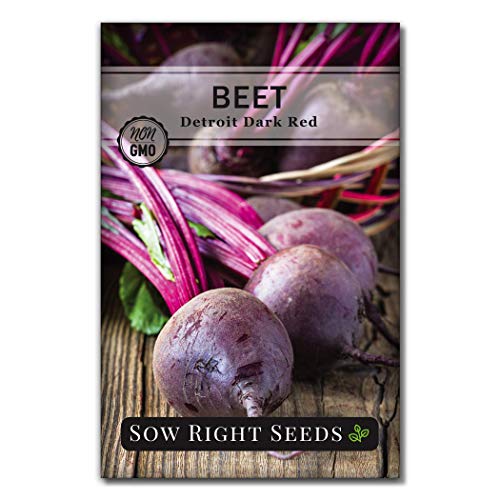
Beautiful - Large premium packet of Detroit Dark Red Beet (Beta var. ‘Detroit Dark Red’) seeds. Vivid, dark red 2-3" round beets have sweet flesh and tasty edible greens. This resilient variety can tolerate temperature variations, offering high productivity even in less-than-ideal soil conditions. Minimum of 1.5 g per packet (about 90 seeds).

TOP-RATED NUTRITIONAL HEIRLOOM: Detroit Dark Red is a premium, high-yielding, and stress-resistant beet variety that stands at the pinnacle of root vegetables. This all-season favorite is a mid-early universal cultivar, perfect for consistent home harvests of professional quality.
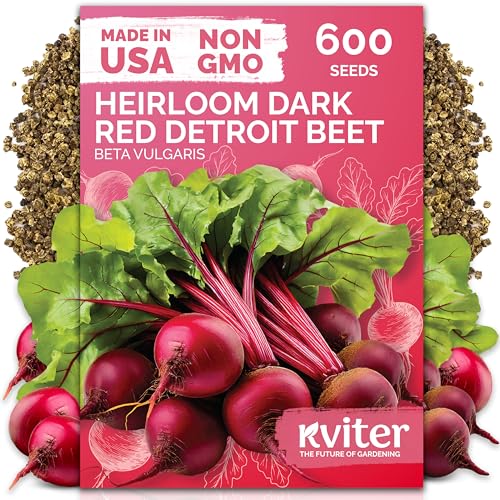
55-60 Day Harvest: Red beet seeds mature fast with tender 2-3 inch roots and sweet classic flavor; sow in loose, well-drained soil at 55-70 °F for best vegetable seeds results.
Germination Process
When planting beet seeds, the germination process is where the magic begins. Here’s a breakdown of what you can expect during this crucial stage:
- Timeframe: Beet seeds typically germinate within 5 to 10 days after planting.
- Factors: Adequate moisture, temperature, and oxygen are essential for successful germination.
- Watering: Keep the soil consistently moist but not waterlogged to support germination.
- Depth: Plant beet seeds at a depth of about 1 inch in loose soil for optimal growth.
- Emergence: You’ll start to see the first tiny beet sprouts emerging from the soil as they reach for the sunlight.
- Thinning: Once the seedlings have a few leaves, thin them out to ensure proper spacing for healthy growth.
- Patience: While waiting for germination, resist the urge to disturb the soil excessively, as this can disrupt the delicate process.
- Observation: Keep a close eye on your beet bed during germination to catch any issues early on.
- Protection: Protect young seedlings from harsh weather conditions and pests to give them the best start in life.
Growth Stages
When it comes to beet growth, understanding the various stages can help you nurture your plants properly. Here’s a breakdown of the key growth stages:
- Germination: This is when the beet seed sprouts and the root system begins to develop. It usually takes 5 to 10 days for beets to germinate.
- Seedling Stage: After germination, the plant enters the seedling stage. At this point, the young beet plants are delicate and require careful attention to ensure healthy growth.
- Leaf Growth: As the seedlings mature, you’ll notice an increase in leaf growth. Proper watering and nutrient-rich soil are crucial during this stage.
- Root Development: The real magic happens underground during root development. Beets are known for their deep taproots, which anchor the plant and absorb nutrients.
- Bulb Formation: Towards the end of the growth cycle, the beets focus on bulb formation. This is when the familiar round shape of the beet begins to develop.
- Maturation: Finally, the beets reach maturation. This is the stage where they are ready to be harvested and enjoyed in various culinary dishes.
Understanding these growth stages will help you anticipate the needs of your beet plants and ensure a successful harvest.
Harvesting Beets
When it comes to harvesting beets, timing is crucial. Beets are typically ready for harvest about 50-70 days after planting. Here are some tips to help you know when your beets are ready to be picked:
- Size: Mature beets are usually about 1-3 inches in diameter.
- Tops: Check the beet tops; they should be about 3-4 inches tall and a rich green color.
- Roots: Gently brush away some soil around the beet root to see if it has reached a good size – not too small, not too large.
If your beets meet these criteria, it’s harvest time! To harvest your beets, simply grab the tops near the base and gently pull them out of the ground. Be careful not to damage the root or bulb as you harvest.
Culinary Uses of Beets
Beets are versatile vegetables that can be used in various culinary dishes, adding a vibrant color and earthy flavor. Here’s how you can incorporate beets into your cooking:
- Roasting: Roasting beets brings out their natural sweetness and intensifies their flavor. Simply coat them in olive oil, season with salt and pepper, and roast until tender.
- Salads: Beets are a popular addition to salads, providing a unique texture and taste. You can enjoy them raw, pickled, or roasted in salads with greens, nuts, cheeses, and vinaigrettes.
- Juicing: Beets are a nutritious addition to homemade juices and smoothies. Their vibrant color and earthy taste can be balanced with fruits like apples, carrots, and ginger for a refreshing drink.
- Soups: Beets can be used to create hearty and flavorful soups. Blend cooked beets with other vegetables, broth, and spices to make a comforting soup that’s perfect for colder days.
- Pickling: Pickled beets are a tangy and colorful addition to various dishes. Pickling beets preserves their freshness and adds a zesty flavor that complements sandwiches, charcuterie boards, and salads.
- Desserts: Beets can be used in desserts to add a natural sweetness and moisture. Incorporate grated beets into cakes, brownies, and muffins for a unique twist on classic recipes.
Explore these culinary uses of beets to discover new ways to enjoy this nutritious and versatile vegetable in your meals.
Recommended Products

One 16 oz jar of Del Monte Crinkle Cut Pickled Beets
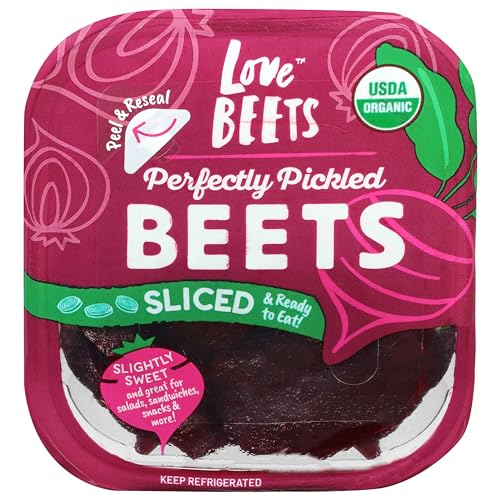
Selected and stored fresh

No Artificial Colors or Sweetners
Conclusion
You’ve now discovered the diverse culinary uses of beets, from roasting to pickling and even using them in desserts. By exploring these creative ways to incorporate beets into your dishes, you can enjoy their unique flavors and nutritional benefits. So next time you’re in the kitchen, don’t hesitate to experiment with beets and add a touch of color and flavor to your meals. Happy cooking!
Frequently Asked Questions
How can beets be used in culinary dishes?
Beets can be roasted to enhance their sweetness, added to salads for texture and taste, juiced for nutritious drinks, used in soups for flavor, pickled for tanginess, and even incorporated into desserts for natural sweetness and moisture.
What are some creative ways to enjoy beets in cooking?
You can try making roasted beet and feta salad, beet and apple soup, beet and goat cheese tart, pickled beets for sandwiches, beet hummus, or beet chocolate cake for a unique culinary experience.
Are there any health benefits to consuming beets?
Yes, beets are packed with essential nutrients like fiber, folate, and antioxidants. They can help improve digestion, lower blood pressure, boost athletic performance, and support brain health. Incorporating beets into your diet can have positive impacts on your overall well-being.
Where can I find fresh beets for cooking?
You can find fresh beets at your local grocery store, farmers’ market, or even consider growing them in your own garden for a fresh and sustainable supply. Look for firm beets with vibrant greens for the best quality and flavor.
Are there any simple recipes for beginners looking to cook with beets?
Beginners can start with easy recipes like roasted beet salad with balsamic vinaigrette, beet chips for a healthy snack, beet and citrus juice blend, or beet and carrot slaw for a quick and delicious introduction to cooking with beets.
