

Wondering when the best time is to plant beets in Zone 7? Picture this: you’re eager to get your garden going, but unsure about the ideal timing for those vibrant beets to flourish. Well, fret not, because in this article, you’ll uncover the secrets to perfect beet planting in your region.
Imagine a garden bursting with lush, earthy beets ready to elevate your culinary creations. By learning the optimal planting schedule for Zone 7, you’ll be on your way to a bountiful harvest in no time. Let’s dive in and explore the precise timing that will have your beets thriving and your dishes bursting with flavor.
Understanding Zone 7 Climate
When it comes to planting beets in Zone 7, understanding the unique climate of this zone is crucial. Here are some key points to consider:
- Mild Winters: Zone 7 typically experiences mild winters with average minimum temperatures ranging from 0°F to 10°F.
- Warm Summers: Summers in Zone 7 can be warm, with average maximum temperatures between 80°F and 90°F.
- Frost Dates: Last spring frost dates in Zone 7 are around mid to late April, while the first fall frost usually arrives in mid to late October.
- Growing Season: With an average frost-free period of about 200 days, Zone 7 provides a decent window for growing a variety of crops, including beets.
By familiarizing yourself with these climate characteristics, you can better plan the timing of planting your beets and maximize their growth potential.
Ideal Soil Conditions for Beets
When planting beets in Zone 7, it’s essential to ensure that they are placed in ideal soil conditions to promote healthy growth and a successful harvest. Here are some key factors to consider:
- Well-Drained Soil: Beets thrive in soil that is well-drained to prevent water-logging, which can lead to rotting of the roots.
- pH Level: Optimal soil pH for beets is between 6.0 and 7.0. You can test the pH of your soil using a simple kit available at garden centers.
- Loose and Fertile Soil: Beets prefer loose, fertile soil that allows for easy root expansion. Consider adding organic matter such as compost to improve soil structure.
- Sun Exposure: Ensure that the planting location receives full sun for at least 6-8 hours a day to support robust beet growth.
- Soil Temperature: Wait until the soil temperature reaches at least 50°F before planting beets to facilitate germination and growth.
By paying attention to these soil conditions, you can set your beets up for success and enjoy a bountiful harvest in Zone 7.
Recommended Products

Quick, at home results for Soil pH, Nitrogen, Phosphorous and Potash Innovative and inexpensive soil test kit features an easy-to-use capsule system and patented color comparators

Kindly NOTE: This soil tester can not be applied to test pH value of any other liquid. If the soil is too dry the indicator will not move, and water it before testing.

KNOW BEFORE YOU GROW | Grow the healthiest, sustainable lawn and garden with the most accurate and easy to use professional soil test kit on the market
Best Varieties of Beets for Zone 7
When choosing beet varieties for Zone 7, consider those that thrive in cooler temperatures and have a relatively short growing period. Some popular choices that do well in Zone 7 include:
- Detroit Dark Red: A classic beet variety known for its deep red color and sweet flavor.
- Chioggia: Also called candy cane or striped beets, this variety has beautiful red and white rings when sliced.
- Golden Beets: Their vibrant yellow color adds a lovely contrast to dishes and has a mild, sweet flavor.
- Bull’s Blood: A unique variety with dark foliage and deep red roots, perfect for both culinary and ornamental purposes.
- Cylindra: Known for its cylindrical shape, making it easier to slice for roasting or pickling.
Experiment with different varieties to discover which ones grow best in your specific Zone 7 conditions. Each type offers a unique taste, color, and culinary versatility that can enhance your gardening experience and elevate your dishes with fresh, homegrown flavor.
Recommended Products

Gardening Kit: 30 Winter Vegetable Garden Seeds Variety Pack NON GMO Heirloom Seeds LESS THAN $0.9 PER SEED VARIETY PACK 33,200+ seeds including: Arugula, Beet Detroit Dark Red, Bok Choy, Broccoli, Rapini, Brussel Sprouts, Cabbage, Carrot Imperator 58, Cauliflower, Celery, Chives, Collards, Cress, Mustard, Kale, Kohlrabi, Buttercrunch, Iceberg, Oakleaf Green, Romaine, Leek, Tokyo Long White Scallion, Walla Walla, Parsnip, Pea, Cherry Belle, Daikon White Stem, Spinach, Swiss Chard, Turnip.

Vegetable seeds variety pack: Grow 35 varieties of leafy greens, root vegetables, tomatoes, peppers, beans, peas, squash, melons, and more. Includes 16,000+ vegetable seeds for planting outdoors in raised beds, garden rows, or containers.

55-60 Day Harvest: Red beet seeds mature fast with tender 2-3 inch roots and sweet classic flavor; sow in loose, well-drained soil at 55-70 °F for best vegetable seeds results.
When to Start Planting Beets in Zone 7
- Early Spring: Start planting beets in Zone 7 as soon as the ground is workable.
- Soil Temperature: Beet seeds germinate best when soil temperatures are above 50°F (10°C).
- Frost Tolerance: Beets are tolerant of light frosts, making them suitable for early planting.
- Successive Planting: For a continuous harvest, consider planting beet seeds every 2-3 weeks.
- Fall Planting: In Zone 7, beets can be planted in late summer for a fall harvest.
- Shade Tolerance: Beets tolerate partial shade, making them versatile for planting locations.
Recommended Products

TOP-RATED NUTRITIONAL HEIRLOOM: Detroit Dark Red is a premium, high-yielding, and stress-resistant beet variety that stands at the pinnacle of root vegetables. This all-season favorite is a mid-early universal cultivar, perfect for consistent home harvests of professional quality.
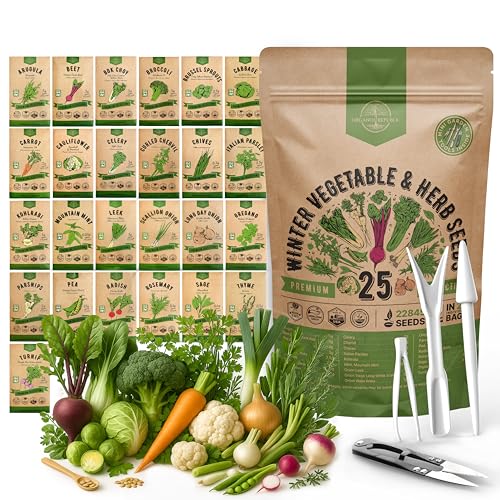
Gardening Kit: 25 Winter Vegetable & Herb Garden Seeds Variety Pack NON GMO Heirloom Seeds LESS THAN $1.00 PER SEED VARIETY PACK 22,845+ seeds including: Arugula, Beet Detroit Dark Red, Bok Choy, Broccoli, Brussel Sprouts, Cabbage, Carrot Imperator 58, Cauliflower, Celery, Chervil, Chives, Italian Parsley, Kohlrabi, Mountain Mint, Leek, Tokyo Long White Scallion, Walla Walla, Oregano, Parsnip, Pea, Radish Cherry Belle, Rosemary, Sage, Thyme, Turnip.
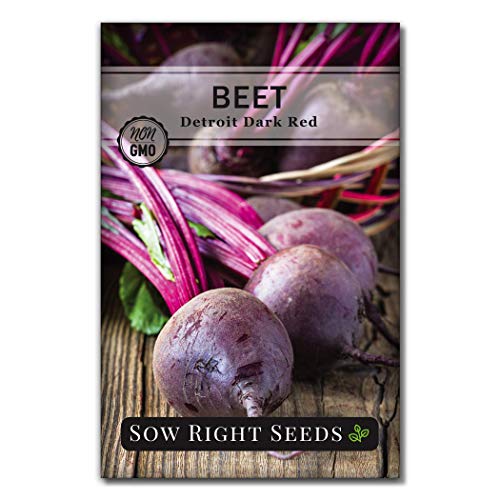
Beautiful - Large premium packet of Detroit Dark Red Beet (Beta var. ‘Detroit Dark Red’) seeds. Vivid, dark red 2-3" round beets have sweet flesh and tasty edible greens. This resilient variety can tolerate temperature variations, offering high productivity even in less-than-ideal soil conditions. Minimum of 1.5 g per packet (about 90 seeds).
Tips for Successful Beet Planting
Ready to get your hands dirty and start planting some beets in Zone 7? Here are some practical tips to help you succeed:
- Soil Preparation: Ensure your soil is loose, well-drained, and free of rocks to promote healthy beet growth.
- Seed Planting: Plant beet seeds about 1-2 inches apart and 1/2 inch deep in rows spaced 12-18 inches apart.
- Watering: Keep the soil consistently moist, especially during the germination period, but avoid waterlogging.
- Thinning Seedlings: Thin out seedlings to 3-4 inches apart once they have a few sets of leaves to allow for proper root development.
- Fertilization: Consider adding a balanced fertilizer or compost before planting to provide nutrients for your growing beets.
- Weeding: Regularly remove weeds to prevent competition for nutrients and space.
- Mulching: Mulch around your beet plants to help retain moisture, regulate soil temperature, and reduce weed growth.
Conclusion
You now have a solid understanding of when to plant beets in Zone 7. Remember to kick off your planting in early spring when the soil is ready. With the tips provided, you can enjoy a continuous harvest by planting every few weeks. Don’t forget about the option for fall planting to extend your harvest season. By following these guidelines, you’ll be on your way to a successful beet-growing season in Zone 7. Happy planting!
Frequently Asked Questions
Which are the best beet varieties for Zone 7?
For Zone 7, consider planting Detroit Dark Red, Early Wonder, or Golden Beet varieties. These types are well-suited for the climate and soil conditions of this zone.
When is the best time to plant beets in Zone 7?
Begin planting beets in early spring when the soil is workable and the temperature consistently reaches above 50°F. This helps ensure optimal germination and healthy plant growth.
Can beets survive light frosts in Zone 7?
Yes, beets are resilient to light frosts, making them suitable for early planting in Zone 7. You can plant beets in succession every 2-3 weeks for a continuous harvest.
Is fall planting a viable option for beets in Zone 7?
Fall planting is possible in late summer for a fall harvest of beets in Zone 7. This allows you to extend your growing season and enjoy fresh beets into the autumn months.
How should I prepare the soil for planting beets in Zone 7?
To prepare the soil for planting beets in Zone 7, ensure it is well-drained and nutrient-rich. Incorporate compost or well-rotted manure to improve soil quality and provide a fertile environment for beet growth.
What spacing and depth should I plant beet seeds in Zone 7?
Plant beet seeds in rows spaced 12-18 inches apart, with seeds sown 1 inch apart and 1/2 inch deep in the soil. Proper spacing and seed depth encourage healthy root development and prevent overcrowding.
What are the watering practices for beets in Zone 7?
Water beets consistently to keep the soil evenly moist, especially during dry periods. Avoid overwatering, as this can lead to rot or disease. Mulching can help retain soil moisture and reduce water evaporation.
How should I thin beet seedlings in Zone 7?
Thin beet seedlings to stand 3-4 inches apart once they have grown their first true leaves. This spacing allows room for the beets to mature properly and ensures good air circulation around the plants.
Do beets require fertilization in Zone 7?
Beets benefit from a balanced fertilizer application, preferably one high in phosphorus for root development. Apply fertilizer according to soil test results or use a general-purpose, low-nitrogen fertilizer to support healthy beet growth.
Why is mulching important for growing beets in Zone 7?
Mulching is essential for beet cultivation in Zone 7 as it helps retain soil moisture, suppresses weeds, and regulates soil temperature. Use organic mulches like straw or grass clippings to benefit beet plants and improve overall garden health.
