

Do Deer Eat Cucumber Plants?
When it comes to your beloved cucumber plants, it’s essential to protect them from potential threats, and deer can be one of them. Deer have a diverse diet and can munch on a variety of plants, including your cucumbers.
Signs of Deer Feeding
Deer leave behind certain signs that they’ve paid a visit to your garden:
- Bitten leaves and stems: Look for jagged edges on the leaves and telltale nibbles on the stems.
- Trampled plants: Deer can create a mess by stepping on your plants.
- Droppings: Finding deer droppings nearby is a clear indicator of their presence.
Protecting Your Cucumber Plants
To safeguard your cucumber plants from these hungry visitors, consider the following strategies:
- Fencing: Install a sturdy fence at least 8 feet high since deer are skilled jumpers.
- Repellents: Use commercial deer repellents or homemade solutions like garlic or predator urine.
- Companion planting: Planting deer-resistant species near your cucumbers can deter them.
- Scare tactics: Deploy scarecrows, motion-activated devices, or even radios to startle deer away.
Avsluttende tanker
Keep a close eye on your garden for any signs of deer activity to protect your precious cucumber plants. Don’t let these graceful creatures turn your garden buffet into their personal dining spot. Stay vigilant and take proactive measures to keep your cucumbers safe from these plant-munching visitors.
Signs of Deer Eating Cucumber Plants
When deer feast on your cucumber plants, they tend to leave behind some telltale signs that can help you identify their presence in your garden. It’s essential to be able to recognize these signs early on to take prompt action and protect your crops. Here are some common indications that deer have been dining on your cucumber plants:
- Bitten Leaves: Look for cucumber plant leaves with chewed edges or missing sections. Deer often leave ragged and uneven bites on the leaves as they nibble on them.
- Trampled Plants: Deer can be quite clumsy while moving through your garden. If you notice crushed or flattened plants in the vicinity of your cucumber patch, this could be a sign of deer activity.
- Droppings: Keep an eye out for deer droppings near your cucumber plants. Deer scat typically resembles small pellets and may indicate that deer have been foraging in the area.
By familiarizing yourself with these signs, you can take the necessary steps to protect your cucumber plants from deer damage before it escalates. Stay tuned for the next section on protective measures to safeguard your crops effectively.
Prevention Methods to Protect Cucumber Plants
To keep your cucumber plants safe from hungry deer, you can implement various effective prevention methods. By taking proactive steps, you can safeguard your crop and ensure a bountiful harvest. Here are some practical strategies to protect your cucumber plants:
- Fencing: Install a sturdy fence around your cucumber garden to create a physical barrier that deters deer from accessing the plants.
- Repellents: Utilize natural or commercial repellents to discourage deer from approaching your cucumber plants. Spray repellents regularly for optimal effectiveness.
- Scare Tactics: Use scare tactics such as motion-activated devices, noise-makers, or reflective materials to startle deer away from your garden.
- Companion Planting: Plant deer-resistant species near your cucumber plants to mask their scent and deter deer from feasting on them.
- Netting: Cover your cucumber plants with netting to physically block deer access while still allowing sunlight and water to reach the plants.
By implementing these prevention methods, you can safeguard your cucumber plants and minimize the risk of deer damage to your garden.
| Fencing | Effective |
| Repellents | Useful |
| Scare Tactics | Startling |
| Companion Planting | Deer-resistant |
| Netting | Protective |
Recommended Products

Over 100,000 Repeat Customers - For over 20 years Deer Out is the trusted brand for professional gardeners, landscapers and farmers alike. Works Great!

REPELS DEER AND RABBITS: Deer and rabbits don’t have to eat vegetation for the repellent to be effective—they have a natural aversion to the scent
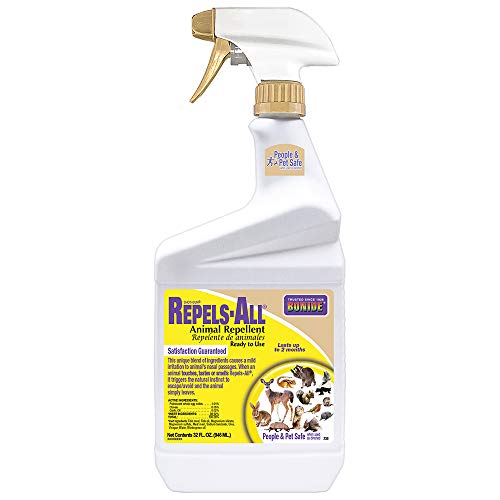
Keep animals out of your yard and garden with Repels-All Animal Repellent from Bonide! This special formula naturally deters a wide variety of garden pests including deer, mice, chipmunks, squirrels and more!
Conclusion
Protecting your cucumber plants from deer damage is crucial for a successful harvest. By utilizing methods such as fencing, repellents, scare tactics, companion planting, and netting, you can effectively deter deer from accessing and feeding on your crops. These strategies not only safeguard your plants but also minimize the risk of deer damage, ensuring that you can enjoy a bountiful harvest of delicious cucumbers. Remember to be proactive in implementing these protective measures to maintain the health and productivity of your garden. Happy gardening!
Frequently Asked Questions
How can I protect my cucumber plants from deer damage?
Implement several preventive methods such as erecting a fence at least 8 feet tall, using deer-resistant repellents, setting up scare tactics like noise or reflective items, planting deer-resistant companions like strong-smelling herbs, and covering plants with netting.
What is the purpose of these protection strategies?
These strategies aim to prevent deer from accessing and feeding on cucumber plants, ensuring a successful harvest and minimizing the risk of damage. By deterring deer, gardeners can safeguard their crops and maintain plant health throughout the growing season.
