Close Menu
    Veggie Knowledge
    • Home
    • Grow Vegetables
      • Carrots
      • Cucumbers
      • Broccoli
      • Green Beans
      • Beets
    • Gardening Advice
    • Tools
    • Free eBook
    • About
      • Contact
      • Privacy Policy
    Veggie Knowledge
    Home»Cucumber»Watering Tips for Healthy Cucumber Plants: A Complete Guide
    Cucumber

    Watering Tips for Healthy Cucumber Plants: A Complete Guide

    Lucy StoneBy Lucy StoneMay 29, 20246 Mins Read
    Share Facebook Pinterest
    Share
    Facebook Pinterest

    Ever wondered if your cucumber plants are thirsty little creatures? Picture this: you diligently care for your garden, but are you giving your cucumbers the hydration they crave? In this article, you’ll uncover the secrets to keeping your cucumber plants happy and healthy.

    Contents show
    1 Understanding Cucumber Water Needs
    2 Signs of Dehydration in Cucumber Plants
    3 Risks of Overwatering Cucumber Plants
    3.1 Watering Techniques for Healthy Cucumbers
    4 Watering Techniques for Healthy Cucumbers
    5 Conclusion
    6 Frequently Asked Questions
    6.1 What is the importance of monitoring soil moisture for cucumber plants?
    6.2 Why is watering at the base of the plant recommended for cucumbers?
    6.3 How can establishing a consistent watering schedule benefit cucumber plants?
    6.4 Why is using mulch important for retaining moisture in cucumber plants?
    6.5 What are the benefits of adjusting watering practices based on the time of day and weather conditions?
    6.6 How does deep, infrequent watering promote deep root growth in cucumber plants?
    6.7 Why should cucumber plants be protected from overwatering to prevent root rot?
    6.8 Why is collecting rainwater suggested as an eco-friendly watering option for cucumber plants?

    Are your cucumber plants wilting despite your best efforts? You’re not alone in facing this common dilemma. Discover how to strike the perfect balance between underwatering and overwatering to ensure your cucumbers thrive.

    Understanding Cucumber Water Needs

    Cucumber plants need consistent watering to thrive. Factors like temperature, humidity, and soil type influence their water requirements.

    • Overwatering can lead to root rot and other issues, while underwatering may cause wilting and stunted growth.

    To determine if your cucumber plants need water, check the soil moisture. Stick your finger into the soil about 1-2 inches deep. If it feels dry, it’s time to water.

    During hot spells, you might need to water more frequently. Adjust based on weather conditions and plant development.

    Cucumbers benefit from deep, infrequent watering. Focus on the root zone to encourage deep root growth.

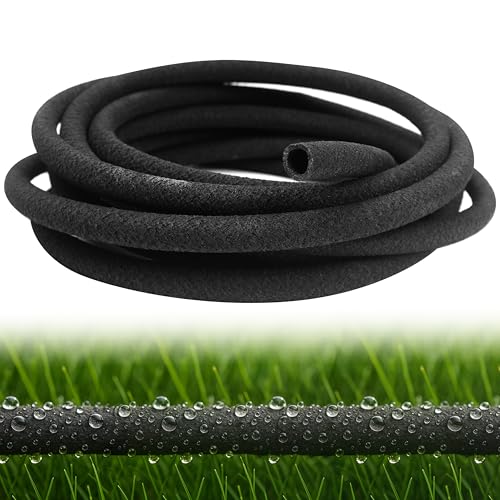
    Avoid watering the foliage to prevent diseases. A soaker hose or drip irrigation system can help deliver water directly to the soil.

    Proper hydration is key to ensuring your cucumber plants remain healthy and productive.

    Recommended Products
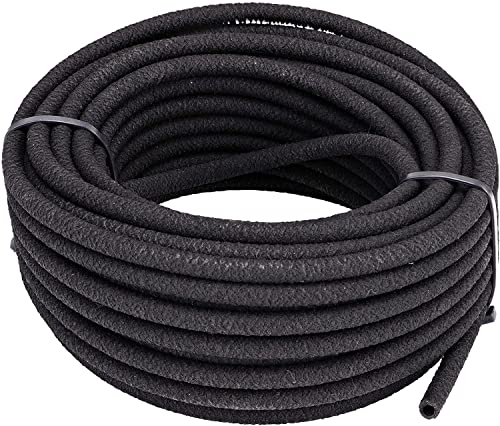
    Raindrip 015005T 1/4-Inch by 50-Foot Soaker Hose Tubing for Drip Irrigation, Use in Vegetable Garden, Planters, and Borders, 50-Foot, Black
    Raindrip 015005T 1/4-Inch by 50-Foot Soaker Hose Tubing for Drip Irrigation, Use in Vegetable Garden, Planters, and Borders, 50-Foot, Black

    Slowly waters the soil around your plants for complete root zone hydration; Ideal for short runs on flat surfaces, such as vegetable gardens, borders, and around small plants

    VIEW LATEST PRICE

    As an affiliate, we earn on qualifying purchases.

    MUST READ:  How to Successfully Grow Mini Cucumbers in Pots: Tips for Watering, Sunlight & Troubleshooting
    1/4 inch Soaker Hose Tubing for Drip Irrigation, 100FT Garden Beds Soaker Irrigation Tubing Hose with Various Accessories Rubber Longer Lasting Drip Irrigation Save 70% of Water for Garden and Yard
    1/4 inch Soaker Hose Tubing for Drip Irrigation, 100FT Garden Beds Soaker Irrigation Tubing Hose with Various Accessories Rubber Longer Lasting Drip Irrigation Save 70% of Water for Garden and Yard

    Higher Cost Performance Provide: enough length soaker hoses to get higher cost performance,and our 1/4 " diameter soaker hose set not only include 100 Ft length soaker hose but also include a rich range of accessories for a variety of uses,help you make custom length soaker hoses cheap & easy.

    VIEW LATEST PRICE

    As an affiliate, we earn on qualifying purchases.

    1/2 Inch Soaker Hose for Drip Irrigation Tube, Rain Barrel, 23ft Long Snip Extension Tubing Line for Gardeners Self Watering System, Planters Borders, Vegetable Plots, Hydroponics, Raised Beds Outdoor
    1/2 Inch Soaker Hose for Drip Irrigation Tube, Rain Barrel, 23ft Long Snip Extension Tubing Line for Gardeners Self Watering System, Planters Borders, Vegetable Plots, Hydroponics, Raised Beds Outdoor

    Specs: Features a 1/2" diameter and is 25ft long, providing adequate length to extend any existing watering system or drip supply.

    VIEW LATEST PRICE

    As an affiliate, we earn on qualifying purchases.

    Signs of Dehydration in Cucumber Plants

    • Wilted Leaves: If you notice your cucumber plant’s leaves are drooping and lack their usual firmness, it may be a sign of dehydration.
    • Slow Growth: Stunted growth or a lack of new leaves and fruit development can indicate that your plants are not getting enough water.
    • Dry Soil: Check the soil around your plants. If it feels dry to the touch and crumbles easily, your cucumbers may be dehydrated.
    • Yellowing Leaves: Leaves that are turning yellow and crispy at the edges could be a sign of water stress in your cucumber plants.

    Addressing dehydration promptly is crucial to ensure the health and productivity of your cucumber plants. Keep an eye out for these warning signs and adjust your watering routine accordingly.

    Risks of Overwatering Cucumber Plants

    Overwatering your cucumber plants can harm their growth and development. Here are some key risks to be aware of:

    • Root Rot: Excess water can suffocate the roots, leading to rot.
    • Nutrient Deficiency: Too much water can wash away essential nutrients from the soil.
    • Fungal Diseases: Wet conditions promote the growth of fungi that can infect the plant.
    • Stunted Growth: Overwatering may impede root growth, affecting the overall plant growth.

    Remember, consistently monitoring your cucumber plants and adjusting your watering practices accordingly is key to their health.

    Recommended Products

    XLUX Plant Soil Moisture Meter, for Indoor and Outdoor use, Battery-Free
    XLUX Plant Soil Moisture Meter, for Indoor and Outdoor use, Battery-Free

    Trusted Since 2015: Become one of the many plant lovers who rely on the proven accuracy of XLUX. Established in 2015, our soil moisture meter has earned over 60,000+ verified ratings for its consistent performance. While many many newer brands come and go, we provide the long-term reliability and quality that American households have trusted for over a decade.

    MUST READ:  How to Grow Cucumber Plants Successfully: A Complete Guide
    VIEW LATEST PRICE

    As an affiliate, we earn on qualifying purchases.

    XLUX 2 Pack Long Probe Plant Soil Moisture Meter, Battery-Free
    XLUX 2 Pack Long Probe Plant Soil Moisture Meter, Battery-Free

    Accurate Soil Moisture Detection: The XLUX Soil Moisture Meter can tell you if the soil deep inside your pot or garden is dry, moist or wet; whereas your eyes and fingers can only determine the moisture level of the soil surface. The probe is 5.5 inches (14 cm) longer than regular styles, allowing it to measure the soil moisture at the bottom of larger and deeper flower pots.

    VIEW LATEST PRICE

    As an affiliate, we earn on qualifying purchases.

    Soil Moisture Meter for House Plants, Plant Water Meter,Plant Moisture Meter for House Plants and Outdoor Plants, No Batteries Required (Green)
    Soil Moisture Meter for House Plants, Plant Water Meter,Plant Moisture Meter for House Plants and Outdoor Plants, No Batteries Required (Green)

    ✔️Accurate - A helpful tool of water meter for indoor plants which senses the moisture in the soil around plants. No more guess if the plant needs more or less water

    VIEW LATEST PRICE

    As an affiliate, we earn on qualifying purchases.

    Watering Techniques for Healthy Cucumbers

    Monitor Soil Moisture:

    • Check the soil moisture by sticking your finger about 1-2 inches into the soil. If it feels dry, it’s time to water.

    Time of Day Matters:

    • Water in the early morning to allow the plants to dry during the day. Avoid watering in the evening to prevent overnight moisture retention.

    Root-Watering Technique:

    • Water at the base of the plant to ensure deep root penetration and minimize water waste.

    Consistent Watering Schedule:

    • Establish a consistent watering schedule, especially during critical growth stages like flowering and fruiting.

    Mulching Benefits:

    • Apply a layer of mulch around plants to retain moisture, regulate soil temperature, and reduce water evaporation.

    Adjust Based on Weather:

    • Increase watering during hot and dry periods while reducing frequency during cool or rainy weather.
    Optimal Soil Moisture LevelsRecommended Frequency
    Soil should be moist not soggyEvery 2-3 days in normal conditions
    Increase to daily during extreme heatAdjust based on weather conditions

    Deep, Infrequent Watering:

    • Provide a thorough watering less frequently to encourage deep root growth and plant resilience.

    Avoid Overwatering:

    • Too much water can lead to root rot and other health issues. Let the soil dry out slightly between waterings.

    Watering Consistency:

    • Be mindful to water consistently to avoid stress on the plants and ensure steady growth.
    • Consider collecting rainwater for watering your cucumber plants. It’s eco-friendly and free of chemicals commonly found in tap water.
    MUST READ:  How to Prune a Cucumber Plant: Techniques and Tips for a Bountiful Harvest

    Watering Techniques for Healthy Cucumbers

    Remember, maintaining proper watering techniques is crucial for the health and productivity of your cucumber plants.

    Conclusion

    Remember, providing the right amount of water is key to keeping your cucumber plants healthy and thriving. By monitoring soil moisture, watering at the base, sticking to a consistent schedule, and using mulch, you can help your plants flourish. Adjust your watering routine based on the time of day and weather conditions to support deep root growth. Be mindful not to overwater, as this can lead to root rot. Consider collecting rainwater as an eco-friendly watering alternative. With these watering tips in mind, you’ll be on your way to successful cucumber cultivation.

    Frequently Asked Questions

    What is the importance of monitoring soil moisture for cucumber plants?

    Monitoring soil moisture is crucial as it helps prevent underwatering or overwatering, ensuring plants receive the right amount of water for healthy growth.

    Why is watering at the base of the plant recommended for cucumbers?

    Watering at the base of the plant directs water to the roots where it is needed most, reducing the risk of foliage diseases and promoting efficient water absorption.

    How can establishing a consistent watering schedule benefit cucumber plants?

    A consistent watering schedule helps maintain optimal soil moisture levels, preventing stress on the plants and promoting healthy growth and fruit production.

    Why is using mulch important for retaining moisture in cucumber plants?

    Mulch helps retain soil moisture, reduce evaporation, inhibit weed growth, and maintain consistent soil temperature, benefiting the overall health of cucumber plants.

    What are the benefits of adjusting watering practices based on the time of day and weather conditions?

    Adjusting watering practices helps maximize water absorption, minimize water loss due to evaporation, and optimize plant hydration in varying environmental conditions.

    How does deep, infrequent watering promote deep root growth in cucumber plants?

    Deep, infrequent watering encourages the roots to grow deeper into the soil in search of moisture, resulting in a stronger and more drought-resistant root system.

    Why should cucumber plants be protected from overwatering to prevent root rot?

    Overwatering can lead to root rot, causing damage to the root system and reducing the plant’s ability to absorb nutrients and water efficiently.

    Why is collecting rainwater suggested as an eco-friendly watering option for cucumber plants?

    Collecting rainwater is a sustainable and cost-effective way to provide chemical-free water for plants while reducing reliance on freshwater sources and minimizing water waste.

    Share. Facebook Twitter Pinterest LinkedIn Tumblr WhatsApp Email
    Previous ArticleHow to Store Cucumbers: Tips for Keeping Them Fresh
    Next Article How to Space Cucumber Plants for Healthy Growth: Expert Tips
    lucy stone
    Lucy Stone

      Hi, I'm Lucy! As a passionate gardener and writer for Veggie Knowledge, I've dedicated my life to exploring the secrets of successful vegetable growing. My love for gardening blossomed in my grandmother's backyard, where I learned how much joy a single plant can bring. I aim to share that joy through practical tips and insightful advice, helping you cultivate your own thriving garden

      Related Posts

      Cucumber Flowers but No Fruit: Pollination Problems Explained

      August 28, 2026

      When and How to Harvest Cucumbers

      August 28, 2026

      Why Cucumbers Taste Bitter and How to Prevent It

      August 28, 2026

      How to Trellis Cucumbers for Better Growth and Easier Harvests

      August 28, 2026
      Leave A Reply Cancel Reply

      Affiliate Disclosure

      As an Amazon Associate, I earn from qualifying purchases.

      Recommended Reading

      Seasonal Vegetable Planting Guide

      Tips and Advice

      Vegetable Companion Planting Guide

      Tips and Advice

      Raised Bed Gardening Guide

      Tips and Advice

      Vegetable Garden Watering Guide

      Tips and Advice

      Vegetable Garden Soil Guide

      Tips and Advice

      How to Diagnose Common Vegetable Plant Problems

      Tips and Advice

      How to Plan a Vegetable Garden

      Tips and Advice

      Complete Beginner’s Guide to Vegetable Gardening

      Tips and Advice
      Veggie Knowledge
      • Grow
        • Carrots
        • Cucumbers
        • Broccoli
        • Green Beans
        • Beets
      • Veggie Knowledge
        • Editorial Policy
        • Corrections Policy
        • About
        • Contact
        • Advertising Disclosure
        • Privacy
        • Terms
        • AI & Technology Policy
      • Learn
        • Beginner Vegetable Gardening
        • Garden Planning
        • Soil
        • Watering
        • Raised Beds
        • Troubleshooting
      • Tools
        • Raised Bed Soil Calculator
        • Vegetable Plant Spacing Calculator
      © 2026 Veggie Knowledge

      Type above and press Enter to search. Press Esc to cancel.