

Ever wondered if planting peppers deep in the soil is as crucial as it is for tomatoes? Picture this: you’re in your garden, eager to grow vibrant pepper plants, but unsure about the best planting technique. Should you bury them deep or keep them closer to the surface like other vegetables?
Key Takeaways
- Planting depth is crucial for both peppers and tomatoes, with tomatoes benefitting from deep planting for root development while peppers prefer a shallower depth.
- Tomato plants can grow roots along their buried stems, accessing more nutrients, whereas pepper plants do not exhibit this trait.
- Factors such as soil type and climate influence the optimal planting depth for peppers, impacting root development and overall plant growth.
- When planting peppers, choose well-draining soil rich in organic matter and consider climate factors like sunlight exposure and moisture levels.
Analyzing Planting Techniques for Peppers and Tomatoes
The Importance of Depth in Planting
Planting depth is crucial for both peppers and tomatoes. While tomatoes benefit from deep planting to establish a strong root system, peppers have different requirements. Unlike tomatoes, which can develop roots along the buried stem, peppers should be planted at a shallower depth.
Key Differences in Root Systems
Tomato plants have the remarkable ability to grow roots along their stems when buried deep into the soil. This feature allows them to access more nutrients and water, promoting better growth. On the other hand, pepper plants do not exhibit this trait; therefore, they don’t need to be planted as deeply as tomatoes. It’s essential to understand these distinctions to ensure optimal growth for your pepper and tomato plants.
Comparing Tomato and Pepper Planting Methods
When it comes to planting tomatoes and peppers, there are distinct differences in the optimal planting methods you should follow for each. Understanding these variances is crucial for ensuring the successful growth of your plants.
How Deep to Plant Tomatoes
For tomatoes, it’s recommended that you plant them deep in the soil to promote robust root development. The deep planting allows roots to grow along the buried stem, providing stability and access to more nutrients. Ideally, bury two-thirds of the tomato plant’s stem when transplanting it into the ground.
Optimal Depth for Planting Peppers
In contrast to tomatoes, peppers prefer a shallower planting depth. Unlike tomatoes that benefit from deep planting, peppers do not exhibit extensive root growth along the stem. When planting peppers, ensure they are placed at a level where only the roots and base of the stem are covered with soil. This shallower depth supports pepper plants in establishing a strong foundation without impeding their growth.
Understanding these distinctions between tomato and pepper planting depths will help you optimize the growth conditions for both types of plants effectively.
Factors Influencing Planting Depth
When considering the planting depth for peppers, several factors come into play that can influence the successful growth of your plants. Understanding these factors is crucial in ensuring your peppers thrive in their environment.
Soil Type and Its Impact
The type of soil you have in your garden plays a significant role in determining how deep you should plant your pepper seedlings. Sandy soils, for example, drain water quickly but may require more frequent watering due to their low water retention capacity. In contrast, clay soils hold moisture well but can become compacted, affecting root development. Knowing your soil type can help you adjust the planting depth accordingly to provide optimal conditions for your pepper plants.
Climate Considerations
The climate of your region also affects how deep you should plant your pepper seeds or seedlings. In areas with hot and dry climates, planting peppers deeper can help protect the roots from heat stress by keeping them cooler and moister. On the other hand, in cooler regions with higher humidity levels, shallow planting may be preferable to prevent waterlogging and promote better aeration around the roots. Understanding the specific climate conditions of your area allows you to make informed decisions about the planting depth for your peppers.
By taking into account factors such as soil type and climate considerations when determining the planting depth for your pepper plants, you can create an ideal growing environment that supports healthy root development and overall plant growth.
Expert Tips for Successful Pepper Planting
When planting peppers, it’s essential to consider the optimal depth for their root development. Unlike tomatoes that benefit from deep planting, peppers prefer a shallower depth due to their limited root growth capacity.
Recommended Products

Accurate Soil Moisture Detection: The XLUX Soil Moisture Meter can tell you if the soil deep inside your pot or garden is dry, moist or wet; whereas your eyes and fingers can only determine the moisture level of the soil surface. The probe is 5.5 inches (14 cm) longer than regular styles, allowing it to measure the soil moisture at the bottom of larger and deeper flower pots.

Soil Moisture Meter: This single probe soil moisture meter is specially designed for testing the moisture level in the soil, helps you decide whether the plants need water or not, helps to keep plants alive.
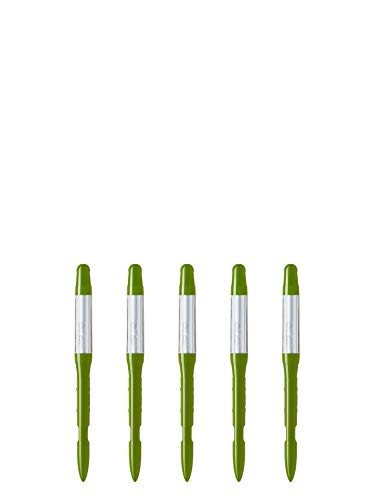
Dimensions: 0.4 x 0.3 x 4.7 inches (small) - Intended for pot sizes of 2, 2.5, and 3 - Ideal for small succulents
Soil Type Considerations
- Choose well-draining soil rich in organic matter.
- Sandy loam or loamy soils are ideal for pepper cultivation.
- Avoid heavy clay soils that can impede drainage and root growth.
Climate Factors
- Plant peppers after the last frost date in your area.
- Ensure they receive full sun for at least 6-8 hours daily.
- Provide adequate moisture without overwatering to prevent root rot.
- Dig a hole slightly larger than the root ball of the pepper plant.
- Place the plant so that the top of the root ball is just below ground level.
- Backfill with soil and gently firm around the base of the plant.
By following these expert tips on planting peppers, you’ll create an optimal environment for healthy root development and robust growth. Remember to tailor your planting depth based on soil type and climate conditions to ensure thriving pepper plants in your garden.
Conclusion
Planting peppers differs from tomatoes due to their root growth capabilities. While tomatoes thrive with deep planting to develop a strong root system, peppers prefer a shallower depth. Understanding these distinctions is key for successful pepper cultivation. Factors like soil type and climate play crucial roles in determining the ideal planting depth for peppers. By following expert tips, such as using well-draining soil rich in organic matter, selecting the right soil type, planting post-last frost date, ensuring sufficient sunlight and moisture, and employing proper planting techniques, you can optimize the growth of your pepper plants. Tailoring your planting approach to suit your specific conditions will create an environment conducive to healthy root development and robust pepper plant growth.
Frequently Asked Questions
Q: Why is planting depth important for tomatoes and peppers?
A: Planting depth influences root development; tomatoes benefit from deep planting, while peppers require a shallower depth due to their root system.
Q: What factors should be considered when determining the planting depth for peppers?
A: Factors like soil type and climate conditions play a crucial role in deciding the optimal planting depth for pepper plants.
Q: What are some expert tips for successful pepper planting?
A: Use well-draining soil rich in organic matter, plant after the last frost date, provide adequate sunlight and moisture, and employ proper planting techniques.
