

Have you ever wondered what to do with your leftover tomato plants at the end of the season? You’re not alone. Many gardeners face the dilemma of whether to compost their tomato plants or not. Picture this: it’s the end of summer, and your once-thriving tomato plants are starting to wither away. What should you do next?
Key Takeaways
- Composting tomato plants is beneficial as it enriches the soil with essential nutrients like nitrogen, potassium, and phosphorus.
- By composting tomato plants, you contribute to reducing waste sent to landfills and promoting sustainability in gardening practices.
- While there are benefits to composting tomato plants, be aware of potential risks such as disease transmission, weed seeds, and nutrient imbalance.
- Best practices for composting tomato plants include removing diseased parts, chopping into small pieces, balancing with carbon-rich materials, maintaining moisture, and turning regularly.
- Alternatives to composting tomato plants include municipal green waste collection, curbside pickup for organic waste, and community composting programs.
- Expert tips for better composting involve choosing the right mix of green (nitrogen-rich) and brown (carbon-rich) materials, maintaining a healthy compost pile by removing diseased parts, chopping into small pieces, balancing with carbon-rich materials, maintaining proper moisture levels, and turning the pile regularly.
Understanding Composting and Tomato Plants
Composting is a valuable practice that benefits both your garden and the environment. Here’s why composting matters and how tomato plants play a crucial role in this process.
Why Composting Matters
Composting is essential as it helps reduce waste sent to landfills, enriches soil with nutrients, improves soil structure, retains moisture, and promotes healthy plant growth. By composting your organic materials like tomato plants, you create nutrient-rich compost that can be used to nourish your garden naturally.
The Role of Tomato Plants in Composting
Tomato plants are excellent candidates for composting due to their rich nutrient content. When you compost tomato plants, they break down into organic matter that enriches the soil with essential nutrients like nitrogen, potassium, and phosphorus. This nutrient-dense compost enhances soil fertility, leading to healthier plants in future growing seasons.
Should You Compost Tomato Plants?
When it comes to deciding whether you should compost tomato plants, there are a few key considerations to keep in mind.
Recommended Products

KITCHEN FOOD SCRAP COLLECTOR: helps contain fruit and veggie scraps for future composting: wire rim hangs on cabinet doors and drawers, to easily transfer waste right off your cutting board!.

Unique design keeps bags tucked inside for a neat look
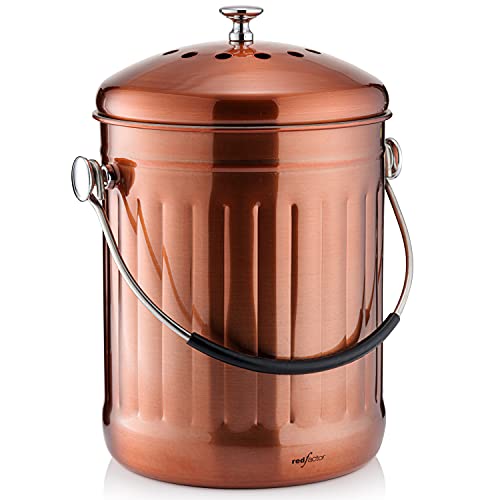
Stylish & Attractive Design – Attractively crafted with a dome-shaped lid, this stylish indoor compost bin can be placed right on your kitchen countertop to provide easy access at all times while adding an elegant look to your kitchen decor.
Benefits of Composting Tomato Plants
Composting tomato plants can offer several advantages for your garden and the environment:
- Nutrient-Rich Soil: Tomato plants are rich in essential nutrients like nitrogen, potassium, and phosphorus. Composting them helps return these nutrients back into the soil, enriching it for future plant growth.
- Waste Reduction: By composting tomato plants instead of disposing of them as waste, you contribute to reducing landfill waste and promoting sustainability in your gardening practices.
- Soil Enrichment: The decomposition of tomato plants in the compost pile adds organic matter to the soil, improving its structure, water retention capacity, and overall fertility.
- Plant Health: Using compost from tomato plants can lead to healthier soil conditions that support robust plant growth with increased resistance to diseases and pests.
Potential Risks When Composting Tomato Plants
While composting tomato plants can be beneficial, there are some potential risks to be aware of:
- Disease Transmission: If your tomato plants were infected with diseases during the growing season, composting them could potentially spread these diseases when using the finished compost on new plantings.
- Weed Seeds: Tomatoes are notorious for harboring weed seeds within their fruits or stems. Composting these plants without proper heat levels may not kill weed seeds, leading to potential weed issues when using the compost.
- Imbalance Nutrients: Overcomposting a large quantity of tomato plants without balancing carbon-rich materials like leaves or straw can result in an imbalance of nutrients in the compost pile.
By understanding both the benefits and risks associated with composting tomato plants, you can make an informed decision based on your specific gardening needs and practices.
Best Practices for Composting Tomato Plants
When it comes to composting tomato plants, there are some best practices you can follow to ensure a successful and safe process.
Recommended Products

Efficient composting: The worm composting bin is ventilated 360 degrees to increase air circulation and ensure smooth heat dissipation. Provides a comfortable environment to increase composting efficiency, it helps worms break down food waste and garden waste more efficiently so your plants and flowers can thrive


Converting organic waste into nutrient-rich garden materials has created a year-round outdoor fine composting system, optimizing horticultural practices and promoting environmental protection
How to Compost Tomato Plants Safely
To compost tomato plants safely, it’s essential to follow these steps:
- Remove Diseased Parts: Before composting, make sure to remove any diseased parts of the tomato plant to prevent the spread of diseases in your compost pile.
- Chop into Small Pieces: Chop the tomato plants into smaller pieces before adding them to the compost bin. This helps speed up decomposition.
- Balance with Carbon: Balance the nitrogen-rich tomato plants with carbon-rich materials like dried leaves or straw in your compost pile.
- Maintain Moisture: Keep the compost pile moist but not waterlogged by watering as needed.
- Turn Regularly: Turn the compost pile regularly to aerate it and facilitate decomposition.
By following these steps, you can effectively compost tomato plants while ensuring a healthy and nutrient-rich end product for your garden.
Alternatives to Composting Tomato Plants
If you prefer not to compost tomato plants, here are some alternatives you can consider:
- Municipal Green Waste Collection: Check if your local municipality offers green waste collection services where you can dispose of your tomato plants.
- Curbside Pickup: Some areas provide curbside pickup for organic waste, including plant material like tomato plants.
- Community Composting Programs: Look for community composting programs where you can drop off your plant material for proper disposal.
Exploring these alternatives ensures that your leftover tomato plants are disposed of responsibly while also contributing to sustainable waste management practices in your community.
Expert Tips for Better Composting
When it comes to composting tomato plants, here are some expert tips to help you achieve successful results.
Recommended Products
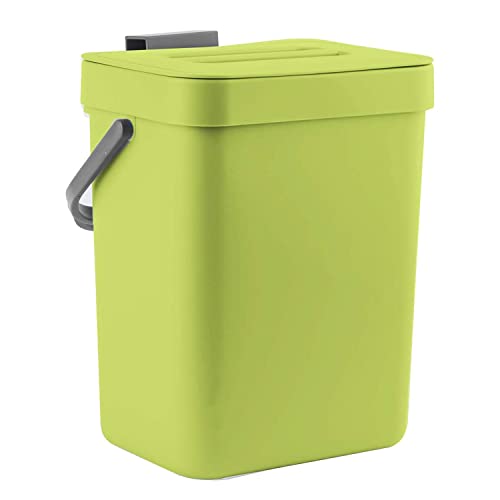
Hangable & Mountable: The small trash can with lid can be easily hung on the doors of kitchen cabinets, office lockers or bedroom drawers. Moreover, this food waste caddy can also be wall-mounted to your cupboard, kitchen wall or bathroom wall with adhesive pad.

Stylish & Attractive Design – Attractively crafted with a dome-shaped lid, this stylish indoor compost bin can be placed right on your kitchen countertop to provide easy access at all times while adding an elegant look to your kitchen decor.

Large Capacity: The 1 gallon compost bin for kitchen counter measures 7.5 "D x 8.3"H with lid. Height without lid: 6 "H. Our compost bucket offers sufficient space to collect your kitchen food waste during the week, such as discarded fruit vegetable scraps, shell bones, leftovers, paper towels and so on.
Choosing the Right Compost Ingredients
To create nutrient-rich compost from your tomato plants, ensure you select a good mix of ingredients. Opt for a balance between green materials (nitrogen-rich) and brown materials (carbon-rich). Green materials include fresh plant trimmings like tomato stems and leaves, while brown materials consist of dried items such as straw or shredded newspaper. This balance is crucial for proper decomposition and creating fertile soil.
Maintaining a Healthy Compost Pile
For a healthy compost pile using tomato plants, remember to follow these key steps:
- Remove Diseased Parts: Before adding tomato plants to your compost, make sure to remove any diseased or pest-infested sections. This prevents the spread of diseases in your compost.
- Chop Into Small Pieces: Cut the tomato plants into smaller pieces before adding them to the pile. This aids in faster decomposition and helps create an even mixture.
- Balance with Carbon-Rich Materials: Alternate layers of nitrogen-rich tomato plants with carbon-rich materials like dry leaves or cardboard. This balance ensures proper breakdown and prevents unpleasant odors.
- Maintain Moisture Levels: Keep your compost pile moist but not soggy. Regularly check the moisture content by squeezing a handful of material – it should feel like a damp sponge.
- Turn Regularly: Turning the compost aerates it, speeding up decomposition and preventing foul smells. Aim to turn the pile every few weeks with a pitchfork or shovel for best results.
By following these expert tips on composting tomato plants, you can create nutrient-dense soil that benefits your garden’s growth while responsibly managing waste from your harvest season.
Conclusion
You now have a clear understanding of the benefits and considerations when composting tomato plants. By composting your tomato plants, you contribute to soil enrichment, reduce waste, and promote healthier plant growth. Remember to follow expert tips like selecting the right ingredients, maintaining a healthy compost pile, and balancing carbon-rich materials for optimal results. These practices not only benefit your garden but also support responsible waste management. Consider alternatives like municipal green waste collection or community composting programs if composting at home isn’t feasible for you. Make an informed decision based on your gardening goals and environmental values. Happy gardening!
Frequently Asked Questions
Should I compost my leftover tomato plants at the end of the season?
Yes, composting tomato plants is beneficial as it enriches soil, reduces waste, and promotes plant growth due to their nutrient-rich content.
What are the benefits of composting tomato plants?
Composting tomato plants enriches soil, reduces waste, and improves plant health by providing essential nutrients for future growth.
Are there any risks associated with composting tomato plants?
Risks include disease transmission and nutrient imbalance if not properly managed during the composting process.
How can I effectively compost tomato plants?
Tips include selecting the right ingredients, removing diseased parts, chopping into small pieces, balancing with carbon-rich materials, maintaining optimal moisture levels, and turning the pile regularly.
