

Have you ever dreamed of harvesting juicy, ripe tomatoes right from your own potted garden? Picture this: it’s a sunny morning, and you step outside to pluck vibrant red tomatoes bursting with flavor. But wait – how do you ensure your potted tomato plants thrive and produce an abundance of delicious fruits?
Key Takeaways
- Choose pots that are at least 18 inches in diameter for optimal root growth and consider breathable materials like terracotta or fabric to promote air circulation.
- Ensure pots have adequate drainage holes to prevent waterlogging and elevate them using pot feet or gravel for improved drainage.
- Select well-draining potting mix tailored for vegetables and balanced fertilizer with N-P-K proportions for healthy tomato plants.
- Plant tomato seedlings outdoors after the last frost date, burying the stem up to the first set of leaves, amending soil with compost, watering thoroughly, providing sunlight, support structures, and proper spacing.
- Water potted tomato plants consistently by checking soil moisture levels and adjust watering schedules based on environmental conditions to prevent overwatering and root rot.
- Protect tomato plants from common pests like aphids, whiteflies, spider mites, and fruit worms using natural predators, neem oil spray, pruning infested parts promptly, and companion planting.
Choosing the Right Pot for Tomato Plants
When selecting a pot for your tomato plants, there are key factors to consider that can impact their growth and overall health. Let’s delve into the essential aspects of choosing the right pot for your thriving tomato plants.
Recommended Products

Sturdy & Garden-Ready Fabric Material: Made of 300g of thickened nonwoven fabric, these pots are moderately permeable, environmentally friendly, and BPA-free; Ideal for raised beds, patios, and outdoor gardens

Sturdy Fabric Material: Made of 300g of thickened nonwoven fabric, these pots are moderately permeable, and BPA-free

MADE WITH RECYCLED MATERIALS: A blend of recycled plastic, stone powder, and wood dust, this 18” planter is eye-catching and long-lasting for mindful gardening.
Considering Size and Material
Opt for pots that are at least 18 inches in diameter to allow ample space for root growth. Larger pots, such as 24 inches or more, provide even better conditions for robust tomato plants. The size of the pot directly affects how large and productive your tomato plant can be. Additionally, choose pots made of breathable materials like terracotta or fabric to promote proper air circulation around the roots.
Importance of Drainage Features
Ensure that your chosen pot has adequate drainage holes at the bottom to prevent waterlogging, which can lead to root rot. Proper drainage is crucial for maintaining healthy tomato plants as it allows excess water to escape, preventing moisture-related issues. Consider elevating the pot slightly off the ground using pot feet or placing a layer of gravel at the bottom before adding soil to enhance drainage further.
By carefully considering these factors when selecting a pot for your tomato plants, you’ll provide them with an optimal environment to thrive and yield delicious fruits.
Selecting the Best Soil and Fertilizer
When caring for your potted tomato plants, choosing the right soil and fertilizer is crucial to ensure they get the nutrients they need to thrive. Here’s how you can select the best soil and fertilizer for your tomato plants:
Qualities of Good Potting Mix
When selecting a potting mix for your tomato plants, opt for a well-draining mix that provides good aeration while retaining moisture. Look for mixes specifically formulated for vegetables or tomatoes as they contain essential nutrients necessary for healthy growth. Avoid heavy garden soil that may compact in pots, hindering root development.
Picking the Right Fertilizer
Choose a balanced fertilizer with equal proportions of nitrogen, phosphorus, and potassium (N-P-K) to support overall plant health and fruit production. Consider using organic fertilizers like compost or fish emulsion to promote natural growth without harmful chemicals. Apply fertilizers according to package instructions or dilute them to prevent burning the plant’s roots due to overfeeding.
By selecting a suitable potting mix and fertilizer tailored to your tomato plants’ needs, you provide them with an optimal environment for robust growth and bountiful harvests.
Planting Your Tomato Plants
When it comes to planting your tomato plants, timing and depth play crucial roles in ensuring their successful growth. Here’s what you need to know:
Timing and Depth for Planting
Plant your tomato seedlings outdoors after the last frost date in your area. Make sure the soil temperature is consistently above 60°F (15.5°C) for optimal growth. When planting, bury the stem up to the first set of leaves to promote a strong root system.
- Prepare the Soil: Before planting, amend the soil with compost to improve its nutrient content and drainage.
- Watering: Water your seedlings thoroughly after planting to help them settle into their new environment.
- Sunlight: Choose a sunny spot for your tomato plants as they require at least 6-8 hours of sunlight daily.
- Support Structures: Install stakes or cages at the time of planting to support the growing plants as they mature.
- Spacing: Ensure proper spacing between each plant according to the variety being grown.
By following these tips and guidelines, you can ensure that your potted tomato plants have a strong start and continue to thrive throughout their growing season.
Daily Care for Potted Tomato Plants
Caring for your potted tomato plants daily is essential to ensure their health and productivity. Here are some key practices to follow:
Watering Techniques and Schedules
When it comes to watering your potted tomato plants, consistency is key. Ensure the soil remains moist but not waterlogged. A good practice is to check the soil’s moisture level by inserting your finger into the top inch; if it feels dry, it’s time to water.
To avoid overwatering, consider using a watering schedule based on the plant’s needs and environmental conditions. In hot weather, you may need to water more frequently, while cooler temperatures require less frequent watering. Adjusting your watering routine based on these factors can help prevent root rot and other issues.
Sunlight and Location Strategies
Tomato plants thrive in full sunlight, so it’s crucial to place your potted tomatoes in a location that receives at least 6-8 hours of direct sunlight daily. If growing indoors, choose a sunny spot near a window or use grow lights to supplement natural light.
Rotate your tomato plants regularly if they tend to lean towards the light source, ensuring even sun exposure on all sides of the plant. Proper sunlight exposure not only promotes healthy growth but also enhances fruit production in your potted tomato plants.
By following these watering techniques and sunlight strategies diligently, you’ll provide optimal care for your potted tomato plants and set them up for success in their growth journey.
Managing Pests and Diseases
When caring for your potted tomato plants, it’s essential to be aware of common pests that may affect them. Here are some key pests you might encounter:
Recommended Products

3-in-1 FORMULA: Aphid spray for outdoor plants for use on roses, flowers, shrubs and trees to control listed insects, disease and mites
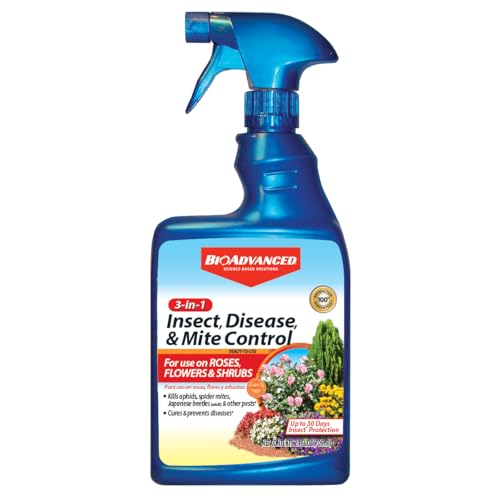
INSECT KILLER: Army worm killer. Also kills insects such as Aphids, Spider Mites, Japanese Beetles, Caterpillars, and other listed insects
Common Pests in Potted Tomatoes
- Aphids: These small insects feed on plant sap, causing leaves to curl and yellow.
- Whiteflies: They suck sap from plants, leading to wilting and reduced growth.
- Spider Mites: These tiny pests can cause stippling on leaves and weaken the plant.
- Fruit Worms: Larvae that bore into fruits, affecting yield and quality.
To protect your tomato plants from these pests, consider the following preventive measures and treatments:
- Natural Predators: Introduce beneficial insects like ladybugs or lacewings to control pest populations.
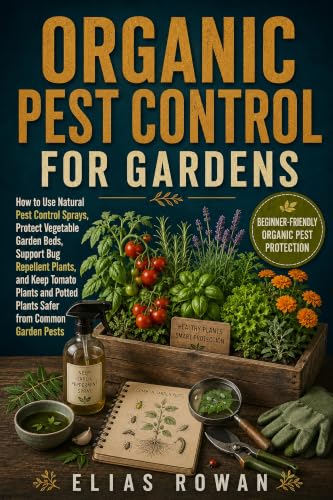
- Neem Oil Spray: Apply neem oil as a natural insecticide to deter common pests.
- Pruning Infested Parts: Remove affected leaves or stems promptly to prevent pest spread.
- Companion Planting: Grow repellent plants like marigolds near tomatoes to deter pests.
By being proactive in managing pests and diseases, you can ensure the health and productivity of your potted tomato plants. Stay vigilant for early signs of infestations and take appropriate action to maintain thriving plants.
Pruning and Supporting Tomato Plants
Pruning and supporting your tomato plants are essential tasks to ensure their health and maximize fruit production. Here are some techniques for pruning and choosing/installing supports:
Techniques for Pruning
- Remove Suckers: These are small shoots that grow between the main stem and branches. Pinch them off to direct the plant’s energy towards fruit production.
- Trim Lower Leaves: Prune lower leaves that touch the soil to prevent diseases from spreading and improve air circulation around the plant.
- Limit Growth: Regularly prune excessive growth to keep the plant compact, making it easier to manage.
- Select Sturdy Supports: Choose cages, stakes, or trellises made of durable materials like metal or wood to provide adequate support as the plants grow.
- Install Early: Set up supports when transplanting young seedlings to avoid damaging roots later on.
- Tie Gently: Use soft ties like twine or fabric strips to secure stems without causing damage.
By following these pruning techniques and providing proper support, you’ll help your potted tomato plants thrive and yield a bountiful harvest.
Conclusion
Taking care of your potted tomato plants involves selecting the right pot, providing proper daily care, managing pests and diseases, and supporting plant growth. By choosing the correct pot size and material, watering appropriately, ensuring adequate sunlight, and addressing pest issues promptly, you can help your tomato plants thrive. Remember to prune regularly and provide sturdy support for optimal health and fruit production. With these tips in mind, you’ll be well-equipped to enjoy a successful harvest of delicious tomatoes from your potted plants. Happy gardening!
Frequently Asked Questions
What size pot is best for tomato plants?
For optimal growth, choose a pot at least 18 inches in diameter to accommodate the plant’s root system and promote stability.
What material should the pot be made of?
Select breathable materials like terracotta or fabric pots to ensure proper airflow to the roots and prevent waterlogging.
Why is drainage important in a tomato plant pot?
Drainage holes are essential to prevent water accumulation at the bottom of the pot, which can lead to root rot and other moisture-related issues.
How often should I water my potted tomato plants?
Water when the top inch of soil feels dry to touch, typically every 2-3 days depending on environmental conditions like temperature and humidity.
What sunlight requirements do tomato plants have?
Tomato plants thrive in full sun, requiring at least 6-8 hours of direct sunlight daily for optimal growth and fruit production.
