

Ever wondered if English cucumbers have seeds? Picture this: you’re at the grocery store, eyeing those crisp cucumbers, and the question pops into your mind. Are you about to dive into a seed-filled snack or enjoy a seedless delight?
Understanding English Cucumbers
English cucumbers, also known as seedless cucumbers, are a popular vegetable choice due to their unique characteristics. Unlike traditional cucumbers, English cucumbers have fewer seeds and a thinner skin, making them versatile for various dishes. Here’s a closer look at what sets English cucumbers apart:
- Appearance: You can easily identify English cucumbers by their long and slender shape, often wrapped in plastic to maintain freshness. The vibrant green color and lack of bumps distinguish them from other cucumber varieties.
- Taste and Texture: These cucumbers are prized for their mild flavor and crisp texture. They are refreshing and perfect for salads, sandwiches, and as a healthy snack.
- Seeds: While English cucumbers are largely seedless, it’s essential to note that they may contain small, soft, edible seeds that are easily ignored when compared to the tougher seeds found in other types of cucumbers.
- Nutritional Value: Packed with hydration and nutrients, English cucumbers are low in calories and high in vitamins like vitamin K and vitamin C. They also contain minerals like potassium and fiber, contributing to a balanced diet.
- Storage and Usage: To keep English cucumbers fresh, store them in the refrigerator wrapped in a paper towel. Enjoy them sliced in salads, pickled, or even incorporated into infused water for a refreshing twist.
Next time you’re at the grocery store, consider reaching for an English cucumber to enjoy its crispness and versatility in your culinary creations.
Recommended Products

Produces long, smooth, seedless cucumbers that are perfect for fresh eating or salads

Seed Characteristics of English Cucumbers
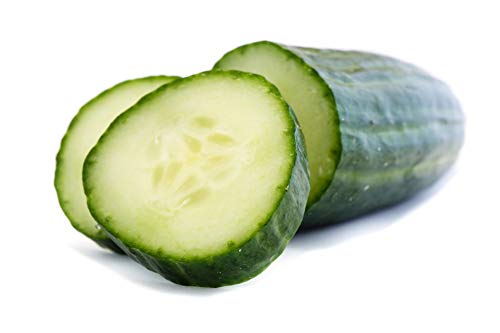
English cucumbers are mostly seedless, making them popular for their crisp texture and mild taste. While they typically have small, edible seeds, they are significantly fewer in number compared to traditional cucumbers. This feature contributes to a less bitter flavor and a more enjoyable eating experience overall.
In contrast to regular cucumbers with large, tough seeds, the seeds in English cucumbers are soft and tender, adding a slight crunch without being off-putting. This reduced seed content not only enhances the cucumber’s appeal in salads and sandwiches but also makes it a preferred choice for those who dislike dealing with seeds in their dishes.
If you’re someone who’s conscious about the texture and visual presentation of your meals, opting for English cucumbers can elevate your dining experience. These cucumbers maintain their slender, elongated shape without bulging from large seeds, making them ideal for decorative garnishes or as a standout ingredient in various recipes.
English cucumbers’ distinctive seed characteristics set them apart as a sought-after option in the culinary world, offering a delightful crunch and a refreshing flavor that can enhance a wide range of dishes.
Benefits of Seedless English Cucumbers
Embarking on a culinary journey with English cucumbers brings you a myriad of benefits. Here’s why opting for the seedless variety can enhance your dishes:
- Enhanced Flavor: The absence of large, tough seeds in English cucumbers results in a milder taste, making them a versatile ingredient in both savory and sweet dishes.
- Effortless Preparation: With soft and tender seeds, English cucumbers require minimal effort in removing seeds before use, saving you time in the kitchen.
- Nutritional Value: Despite being seedless, English cucumbers are packed with nutrients like fiber, vitamins, and hydration, contributing to a well-rounded diet.
- Visual Appeal: Their elongated shape without bulky seeds provides a streamlined look in salads, sandwiches, and other dishes, elevating their visual presentation.
- Versatile Usage: Whether as a refreshing snack on its own, a crispy addition to salads, or a flavorful twist in beverages, seedless English cucumbers offer endless possibilities in the kitchen.
Incorporating English cucumbers into your cooking repertoire isn’t just about convenience—it’s about taking your culinary creations to the next level with their unique characteristics.
Recommended Products

Nature’s perfect snack; cucumbers are rich in vitamins and nutrients

Produces long, smooth, and tender cucumbers with a mild, refreshing flavor

Great for salads, sliced snacks or ice cold refreshments
How to Identify Seedless English Cucumbers
When picking English cucumbers at the store or market, look for these characteristics to identify seedless varieties:
- Length: Seedless English cucumbers are usually longer than other types.
- Texture: Check for a smoother skin without visible bumps or protrusions.
- Firmness: They should feel firm but slightly soft to the touch.
- Color: Look for a consistent dark green color from end to end.
Remember, it’s always a good idea to ask the seller if you’re unsure about the seed content of the cucumbers you’re buying.
Recommended Products

Exceptional heirloom flavor: english telegraph cucumber seeds grow 12-18 inch spineless fruits with crisp, non-bitter flesh, ideal as english cucumbers fresh produce for salads in your home garden.

Grow your garden with heirloom vegetable and fruit seeds! Our selection includes non-GMO tomato, pepper, cucumber, carrot, lettuce, zucchini, and more. Perfect for home gardening, container gardening, and beginners. Add variety and grow vegetables and fruits from seeds and transform your garden into a lush, bountiful haven. Ideal for indoor and outdoor planting. Start your gardening journey today!

Burpless, low-acid flavor: muncher burpless cucumber seeds yield sweet, crunchy seedless cucumber fruits 6–8 inches long. Ideal cucumbers fresh produce for a productive vegetable garden.
Conclusion
When shopping for English cucumbers, remember to look for the key characteristics mentioned in this article to ensure you’re selecting seedless ones. Their longer length, smooth skin, firm yet slightly soft texture, and consistent dark green color are good indicators. If you’re unsure about the seed content of the cucumbers you’re buying, don’t hesitate to ask the seller for clarification. Enjoy your seedless English cucumbers in your salads, sandwiches, or as a refreshing snack! Happy shopping and happy eating!
Frequently Asked Questions
How can I identify seedless English cucumbers?
Seedless English cucumbers are longer, have smooth skin, feel firm but slightly soft, and are a consistent dark green color. If unsure, ask the seller for clarification.
