

Have you ever walked through your garden only to find your prized lettuce plants nibbled down to the stems? If you’re dealing with this frustrating situation, you might be wondering if deer are the culprits. Understanding what deer like to munch on can save you a lot of heartache and help you protect your garden.
Key Takeaways
- Deer Dietary Preferences: Deer primarily eat grasses, leaves, buds, fruits, and nuts, but may consume lettuce when other food sources are scarce.
- Signs of Deer Presence: Look for nibbled leaves and deer tracks in and around your garden to confirm deer activity.
- Seasonal Changes: Deer feeding habits shift seasonally; they tend to target leafy greens like lettuce during late winter and early spring when food is limited.
- Preventive Measures: Implement tall fencing (at least 8 feet high), plant deer-resistant species, and use scent-based repellents to protect your lettuce plants.
- Observation & Adaptation: Monitoring surrounding vegetation can help anticipate deer movements and inform protective strategies for your garden.
Understanding Deer Diet
Deer primarily consume a variety of plant materials, showing a strong preference for specific types of vegetation. Their diet consists mainly of:
- Grasses: Deer favor different grass species, especially during spring and summer.
- Leaves: They often eat the leaves of trees and shrubs, particularly those that are tender and green.
- Buds: Deer enjoy the tender buds of many plants and trees in early spring.
- Fruits: In late summer and fall, they seek out berries, apples, and other fruits.
- Nuts: Acorns and hickory nuts serve as an important food source in the autumn months.
Lettuce plants fall into the category of leafy greens, which deer may consume. However, they typically prefer more flavorful options, such as clover, alfalfa, and other garden vegetables. Factors such as hunger levels, availability, and competing food sources influence their eating habits.
If deer experience low food availability, they may target lettuce plants. To protect your garden from potential deer damage, consider these practical tips:
- Use Fencing: Install tall fencing around your garden, ideally at least 8 feet high.
- Plant Deterrents: Introduce deer-resistant plants around your lettuce garden to discourage visits.
- Scents and Sprays: Apply repellents made from strong scents or predator urine to deter deer.
- Garden Layout: Position lettuce plants near plants with odors deer dislike, such as lavender or garlic.
Understanding these dietary preferences helps you create a garden environment that minimizes the risk of deer damage.
Evidence of Deer Eating Lettuce Plants
Deer sometimes eat lettuce plants, especially when other food sources are limited. Understanding this behavior can help you protect your garden more effectively.
Studies and Observations
Researchers observed deer in various habitats, noting that they browse on many types of plants. Lettuce, being a leafy green, appears on their list of consumables when preferred options are scarce. For example, a study conducted in New Jersey revealed that deer frequently targeted community gardens, damaging lettuce and other vegetables. Likewise, garden owners in suburban areas reported finding nibbled lettuce leaves, indicating deer presence.
Expert Opinions
Wildlife biologists suggest that while deer favor grasses and woody plants, they consume leafy greens, like lettuce, during periods of food scarcity. According to experts, the palatability of lettuce increases when other sources are less available, particularly in late winter or early spring. Additionally, entomologists and local gardeners emphasize the importance of implementing protective measures, such as fencing and repellents, to deter deer from munching on your leafy crops.
Factors Influencing Deer Feeding Habits
Understanding the factors that influence deer feeding habits helps you protect your garden effectively. Several key elements play a vital role in whether deer choose to nibble on your lettuce plants.
Recommended Products

REPELS DEER AND RABBITS: Deer and rabbits don’t have to eat vegetation for the repellent to be effective—they have a natural aversion to the scent

TRUSTED BY PROFESSIONALS: For over 20 years, I Must Garden has been the preferred brand of professional gardeners for use in public gardens and resorts. Trusted for its reliability, durability, and pleasant mint scent

TRUSTED BY PROFESSIONALS: For over 20 years, I Must Garden has been the preferred brand of professional gardeners for use in public gardens and resorts. Trusted for its reliability, durability, and pleasant spice scent
Seasonal Variations
Seasonal changes impact deer diets significantly. In spring and summer, deer primarily consume tender new growth, including grasses and leaves. However, as winter approaches and food becomes scarce, their diet shifts. During late winter or early spring, deer often seek out any available leafy greens, including lettuce. This change in habit occurs due to limited access to other food sources.
Plant Availability
The availability of preferred food sources greatly influences deer feeding behavior. Deer typically favor plants like clover, alfalfa, and various shrubs. If these foods are in abundance, they may ignore lettuce and other garden plants. Conversely, when staple foods are fewer, deer might turn to less desirable options, such as lettuce. Additionally, the surrounding landscape’s plant diversity affects deer movement and foraging habits, making it imperative to monitor not just your garden but also the nearby vegetation.
By considering these factors, you can anticipate deer behavior and implement effective strategies to protect your lettuce from their appetites.
Best Practices for Protecting Lettuce Plants
Protecting your lettuce plants from deer requires a combination of effective strategies. Implementing fencing solutions, using repellents, and following additional tips can greatly enhance your garden’s defenses.
Recommended Products

Various Sizes for Your Needs:The deer fencing comes in two practical sizes: 8FT*165FT and 8FT*100FT. Whether you need to protect a small family garden or a large agricultural area, we have the perfect size for you. The large coverage area ensures comprehensive protection for your plants.
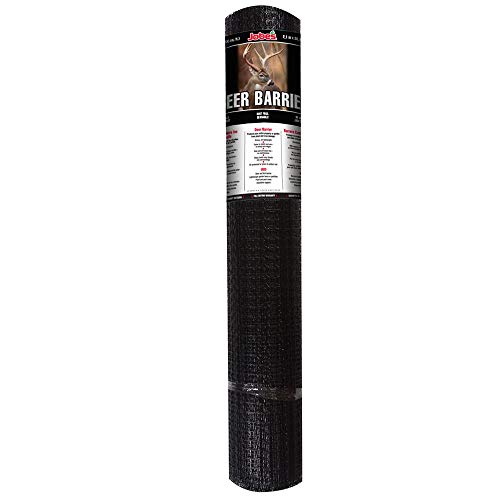
Tough durable deer fence; Protects landscape and crops from deer and other animals

Sturdy & Durable Fence Post: Made from 2 mm (0.08") thick Q235 carbon steel, this fence post offers high strength and rigidity. The U-shaped channel design improves bending resistance, while the powder-coated finish provides UV protection and corrosion resistance, ensuring durability in all weather conditions.
Fencing Solutions
Fencing serves as a physical barrier against deer. Consider these fencing options:
- Height: Use fencing that’s at least 8 feet tall. Deer can easily jump over shorter fences, so height is crucial.
- Material: Opt for sturdy materials like galvanized wire or welded wire. Avoid flimsy options, as deer may simply push through.
- Orientation: Ensure the bottom of the fence is buried or angled outward. This prevents deer from digging underneath.
- Gates: Install gates that are secure and tall enough. They should not provide an easy entry point for deer.
Repellent Techniques
Repellents can deter deer from approaching your lettuce plants. Try these methods:
- Scent-Based Repellents: Use products that feature scents like garlic, hot pepper, or predator urine. These scents make your garden less appealing.
- Homemade Solutions: Mix water with dish soap and cayenne pepper. Spray this mixture on your lettuce to create an unpleasant odor for deer.
- Odor-Disliked Plants: Plant strong-scented herbs like lavender or mint near your lettuce. These plants naturally repel deer.
- Regular Application: Reapply repellent after rain and every two weeks. Consistency ensures effectiveness.
By combining these fencing and repellent strategies, you can significantly reduce the chances of deer damaging your lettuce plants. Implement these tips to protect your garden and enjoy healthy, thriving plants.
Conclusion
Protecting your lettuce from deer can feel like a challenge but it’s definitely manageable. By understanding their feeding habits and knowing when they’re likely to target your garden, you can take proactive steps to safeguard your plants.
Implementing tall fencing and using effective repellents can make a world of difference. Plus, mixing in deer-resistant plants can help keep those hungry visitors at bay. With a little effort and some strategic planning, you can enjoy a thriving garden full of fresh lettuce without the worry of deer munching away at your hard work. Happy gardening!
Frequently Asked Questions
Do deer eat lettuce plants?
Yes, deer do eat lettuce, especially when their preferred food sources are limited. They tend to consume leafy greens during late winter or early spring when other options are scarce.
What attracts deer to my garden?
Deer are attracted to gardens primarily for tender greens, leaves, and buds. Lettuce, being a leafy green, can become appealing if their usual food sources, like grasses and woody plants, are not available.
How can I prevent deer from eating my lettuce?
To deter deer, consider installing at least 8-foot tall fencing, using strong-scented repellents, and planting deer-resistant plants nearby. Regularly applying repellents will help maintain their effectiveness.
What other plants do deer like to eat?
Deer primarily prefer grasses, clover, alfalfa, leaves, buds, fruits, and nuts. They may target tender new growth during spring and summer, shifting to leafy greens during food scarcity.
When are deer most likely to eat my garden plants?
Deer are most likely to eat garden plants during late winter and early spring when their usual food sources are scarce. Seasonal changes significantly impact their feeding behavior.
