

Have you ever opened your fridge only to find a sad, wilted head of romaine lettuce staring back at you? It happens to the best of us. Knowing how to tell if your romaine is still good can save you from a disappointing salad and potential food waste.
Key Takeaways
- Identify Spoilage Signs: Look for color changes like dark spots or yellowing, texture issues such as wilting or sliminess, and foul odors to determine if romaine lettuce is bad.
- Storage Conditions Matter: Keep romaine lettuce refrigerated between 32°F to 36°F and store it in breathable packaging to maintain freshness.
- Health Risks: Consuming spoiled romaine lettuce can lead to foodborne illnesses from harmful bacteria like E. coli and Salmonella; always check for freshness.
- Choosing Fresh Romaine: Select romaine with vibrant green leaves, firmness, and a fresh scent to ensure quality and taste in your salads.
- Regular Checks: Inspect stored lettuce often to prevent excess moisture buildup and ensure it remains fresh for consumption.
Signs of Bad Romaine Lettuce
Identifying bad romaine lettuce is crucial for ensuring freshness and safety. Look for these signs before using your lettuce.
Color Changes
Fresh romaine lettuce features a vibrant green color. If you notice dark spots, yellowing leaves, or any browning, discard the head. These color changes suggest deterioration or spoilage.
Texture Issues
Romaine lettuce should feel crisp and firm. If the leaves are wilted, slimy, or mushy, it’s best to throw them out. Texture changes indicate the lettuce has started to decay and is no longer suitable for consumption.
Foul Odor
A pungent or off-putting smell signals spoiled romaine lettuce. Fresh lettuce has a mild, fresh aroma. If you detect a sour or rotten odor, it’s time to toss the lettuce, as it’s a clear sign of spoilage.
Storage Tips for Romaine Lettuce
Storing romaine lettuce correctly helps maintain its freshness. Follow these tips to ensure your lettuce stays crisp and safe to eat.
Recommended Products

Keep your produce fresh for longer: The PrepSolutions Lettuce Keeper keeps your produce fresh with an adjustable air vent and water reservoir, creating the ideal environment for fresh fruits and vegetables. Item measures 12.5" W x 7.25" D x 5.25" H and weighs 1.14 lbs.

𝐊𝐞𝐞𝐩𝐬 𝐕𝐞𝐠𝐞𝐭𝐚𝐛𝐥𝐞𝐬 𝐅𝐫𝐞𝐬𝐡 𝐋𝐨𝐧𝐠𝐞𝐫: The Home-X salad keeper for refrigerator is designed to preserve the freshness of lettuce, broccoli, cauliflower, and more. It creates an ideal cold, moist storage environment to help your vegetables stay crisp and fresh for longer periods.
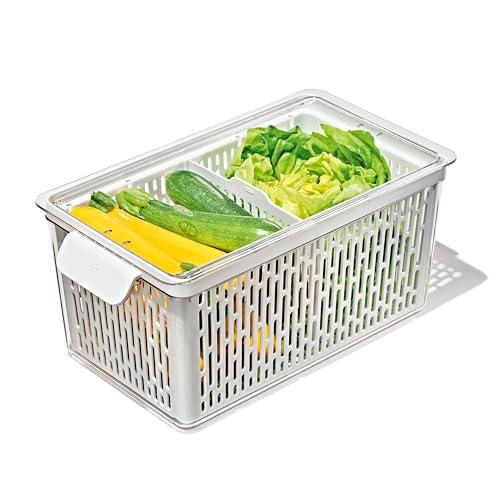
Help Keep Produce Fresh Longer: Fridge-friendly storage helps keep produce fresh longer with an inner basket keeps produce elevated and promotes optimal air circulation to keep things fresh
Ideal Temperature
Store romaine lettuce in the refrigerator at a temperature between 32°F to 36°F. This cool environment slows down spoilage. Place your lettuce in the vegetable crisper drawer, where temperatures are typically more stable. Avoid exposing it to warmer areas in the fridge, as this may cause wilting.
Proper Packaging
Use breathable packaging to keep romaine lettuce fresh longer. If the lettuce comes with plastic wrap, consider removing it. Instead, place the lettuce in a perforated plastic bag or wrap it loosely in a damp paper towel. This method allows moisture to escape while preventing dehydration. Check the lettuce regularly; if it becomes too wet, replace the paper towel to stop excess moisture buildup.
Health Risks of Consuming Bad Romaine Lettuce
Consuming bad romaine lettuce poses significant health risks. Spoiled lettuce can harbor harmful bacteria, leading to foodborne illnesses. Understanding these risks helps maintain your health when enjoying salads.
Foodborne Illnesses
Foodborne illnesses often stem from contaminated romaine lettuce. Bacteria like E. coli, Salmonella, and Listeria can proliferate on spoiled leaves. These pathogens can originate from contaminated water, soil, or handling during transport and storage. Ensuring that your romaine is fresh minimizes the chances of these bacteria causing illness.
Symptoms to Watch For
If you’ve consumed bad romaine lettuce, be aware of common symptoms including:
- Nausea: Mild to severe stomach discomfort may occur.
- Vomiting: This may happen as your body tries to rid itself of toxins.
- Diarrhea: Watery or bloody stools can indicate infection.
- Abdominal Cramps: Painful cramping might signal irritation in your digestive system.
- Fever: A rise in body temperature may develop alongside other symptoms.
Seek medical attention if symptoms persist or worsen. Contact a healthcare provider, especially if experiencing severe discomfort or dehydration.
Best Practices for Choosing Fresh Romaine Lettuce
Selecting fresh romaine lettuce enhances your salads and meals. Pay attention to specific factors to ensure quality.
Recommended Products


Appearance
Look for vibrant, deep green leaves. Avoid romaine that has yellowing or brown spots. Check for uniformity; leaves should be crisp with no signs of wilting or slime. If you spot any discoloration or patchiness, consider it a sign of aging. Fresh lettuce should also have a clean, fresh scent, not an off-putting odor.
Firmness
Press the leaves gently. Fresh romaine should feel firm and sturdy. If the leaves are limp or soft, they’re past their prime. Squeeze the base of the lettuce head; it should feel compact and firm. A lack of firmness indicates that the lettuce may not be fresh. Trust your sense of touch when selecting your greens.
Conclusion
Knowing how to tell if your romaine lettuce is bad can save you from a disappointing meal and help keep your kitchen waste-free. By keeping an eye out for signs like color changes texture issues and unpleasant odors you can ensure your lettuce stays fresh and safe to eat.
Proper storage is key too so remember to keep it in the right conditions. With these tips in mind you can enjoy crisp and delicious salads without worry. Happy eating!
Frequently Asked Questions
How can I tell if romaine lettuce is still fresh?
Fresh romaine lettuce should have vibrant, deep green leaves. Look for any signs of yellowing, dark spots, or wilting. The leaves should feel crisp and firm to the touch. If you notice a foul odor, it’s a sign that the lettuce is spoiled.
What are the signs of bad romaine lettuce?
Signs of bad romaine lettuce include yellowing leaves, dark spots, wilting, slimy texture, and an unpleasant smell. If you see any of these signs, it’s best to discard the lettuce to avoid foodborne illnesses.
What is the best way to store romaine lettuce?
Store romaine lettuce in the refrigerator at temperatures between 32°F to 36°F. Use the vegetable crisper drawer and wrap the lettuce in a perforated plastic bag or a damp paper towel to maintain its freshness and prevent dehydration.
What health risks are associated with consuming spoiled romaine lettuce?
Consuming spoiled romaine lettuce can lead to foodborne illnesses caused by bacteria like E. coli, Salmonella, and Listeria. Symptoms may include nausea, vomiting, diarrhea, and abdominal cramps. Seek medical attention if symptoms persist or worsen.
How can I choose fresh romaine lettuce at the store?
To choose fresh romaine lettuce, look for vibrant green leaves, a compact shape, and a firm base. Avoid any that display yellowing, dark spots, or limpness. The leaves should feel crisp, and there should be a fresh scent when you inspect the lettuce.
