

Have you ever wondered where your crisp salad greens come from? You might picture vast farms or small backyard gardens, but lettuce actually grows in a variety of places. Understanding where lettuce thrives can help you appreciate its journey from seed to salad bowl.
Key Takeaways
- Ideal Growing Conditions: Lettuce thrives in cool temperatures (60°F to 70°F), well-drained fertile soil, and requires a minimum of six hours of sunlight daily for optimal growth.
- Cultivation Methods: Direct seeding and transplanting are effective methods; seeds can be started indoors 4-6 weeks before the last frost and transplanted outdoors when true leaves appear.
- Watering Needs: Consistent moisture is crucial—aim for about 1 inch of water per week, with proper drainage to avoid root rot.
- Global Growing Regions: Major lettuce producers include California in North America, Spain in Europe, and China in Asia, each benefiting from distinct climatic conditions.
- Variety Insights: Different lettuce types, such as leaf, romaine, and butterhead, each have specific preferences for temperature, soil, and watering, which influence their growth and harvest.
- Pest and Disease Management: Key pests like aphids and slugs can be managed with insecticidal soap, while crop rotation and good airflow help prevent diseases such as downy mildew.
Overview Of Lettuce Cultivation
Lettuce thrives in various environments, making it a versatile choice for both commercial farms and home gardens. Understanding the key factors in lettuce cultivation enhances its growth and development.
Recommended Products

Kindly NOTE: This soil tester can not be applied to test pH value of any other liquid. If the soil is too dry the indicator will not move, and water it before testing.

Comprehensive Soil Analysis: Liquid soil test kits offer a comprehensive analysis of essential soil parameters, including pH, ammonia, nitrogen, phosphorus, and potassium. Having all these measurements in one kit provides a holistic understanding of the soil's fertility and health.

Accurate Soil pH Testing: Dewildetradingco Soil pH Test Strips offer measurements of soil pH levels (pH 3.5-9). As an essential tool for every gardener and grower, these test strips help determine the optimal pH for various plants, such as outdoor plants, indoor plants, gardens, grass lawns, fruit trees, flowers, vegetables, and forest shrubs.
Growing Conditions
- Temperature: Lettuce prefers cool weather, ideally between 60°F and 70°F. Temperatures above 75°F can cause bolting, leading to bitterness.
- Soil: Use well-drained, fertile soil with a pH of 6.0 to 6.8. Enrich the soil with organic matter for optimal growth.
- Sunlight: Select a location with full sun exposure; lettuce requires at least six hours of sunlight daily.
Planting Methods
- Direct Seeding: Sow seeds directly into the garden bed. Space them about 12 inches apart in rows.
- Transplanting: Start seeds indoors 4-6 weeks before the last frost date. Transplant seedlings outdoors when they have 2-3 true leaves.
Watering Needs
- Consistency: Lettuce requires consistent moisture. Aim for about 1 inch of water per week, adjusting for weather conditions.
- Drainage: Ensure proper drainage to prevent root rot. Water early in the day to minimize evaporation.
Harvesting Techniques
- Timing: Harvest head lettuce when heads feel firm. Leaf lettuce can be picked when leaves are young and tender.
- Methods: Use a sharp knife to cut heads just above the soil line, or pick outer leaves from leaf varieties.
- Pests: Watch out for aphids and slugs. Use insecticidal soap or natural predators to control infestations.
- Diseases: Prevent diseases like downy mildew by practicing crop rotation and maintaining good airflow.
By paying attention to each of these factors, you can successfully grow lettuce in a range of settings, ensuring a fresh addition to your meals.
Major Lettuce Growing Regions
Lettuce thrives in various parts of the world, thanks to its adaptability to different climates and growing conditions. Here’s a closer look at the major lettuce growing regions.
North America
In North America, California stands out as the leading lettuce producer. The Salinas Valley, known as the “Salad Bowl of the World,” contributes over 80% of the U.S. lettuce supply. Its mild climate and rich soil create perfect conditions for both romaine and head lettuce varieties. Arizona also plays a significant role, especially during winter months when colder regions harvest less.
Europe
In Europe, Spain is the dominant player in lettuce production. The region around Murcia benefits from a warm Mediterranean climate, allowing for high-quality lettuce with a long growing season. Other countries like Italy and France also produce lettuce, focusing on local varieties such as butterhead and loose-leaf types that cater to specific culinary preferences.
Asia
Asia features diverse lettuce-growing regions primarily in China, which is the largest producer globally. Provinces like Shandong and Hebei specialize in regular and exotic lettuce varieties. Japan and South Korea cultivate a variety of lettuce for their unique dishes, particularly prized for their crisp texture and freshness.
Factors Influencing Lettuce Growth
Understanding the factors influencing lettuce growth enhances your ability to cultivate this popular vegetable effectively. Key elements include climate conditions and soil requirements.
Recommended Products

Quick, at home results for Soil pH, Nitrogen, Phosphorous and Potash Innovative and inexpensive soil test kit features an easy-to-use capsule system and patented color comparators

KNOW BEFORE YOU GROW | Grow the healthiest, sustainable lawn and garden with the most accurate and easy to use professional soil test kit on the market

How to Accurately Test Garden's Soil pH? Many growers do not able to use the correct tools and methods to obtain accurate soil ph values; NewTest soil ph test kit includes upgraded soil ph test strips, measuring cylinders, and instructions for professional testing methods; it allows even beginners to easily and accurately obtain soil ph values
Climate Conditions
Lettuce thrives in specific climate conditions. Optimal temperatures range from 60°F to 70°F (15.5°C to 21°C). Extreme heat can cause bolting, while cold temperatures can stunt growth.
- Sunlight: Aim for at least 6 hours of direct sunlight daily. Too much shade may hinder growth, while excessive sun can cause wilting.
- Humidity: Maintain moderate humidity levels for best results. High humidity promotes disease, whereas low humidity can dry out plants.
Choosing the right planting time also matters. Early spring and fall usually provide ideal conditions in many regions.
Soil Requirements
Soil quality directly affects lettuce growth. Lettuce prefers loose, well-draining soil rich in organic matter.
- pH Levels: Maintain a soil pH between 6.0 and 7.0 for optimal nutrient uptake.
- Nutrient Content: Incorporate compost or well-rotted manure to enhance soil fertility. Lettuce benefits from balanced nutrients, particularly nitrogen.
Testing soil before planting helps ensure it meets these requirements. Amending the soil as needed can lead to a more fruitful harvest.
Types Of Lettuce Varieties Grown
Lettuce comes in various types, each thriving in specific conditions and regions. Understanding these varieties enhances your appreciation for this versatile green.
Recommended Products

YEAR-ROUND GARDEN FAVORITE – Dependable butterhead lettuce that thrives in cool or moderate weather for consistent harvests from spring through fall, even under cover in winter
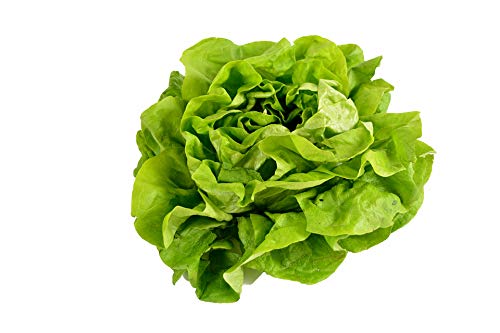
This lettuce is well known for its sweet flavor. Best if harvested in the morning.
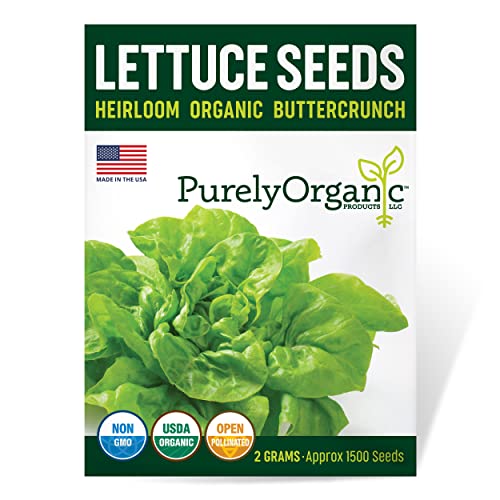
Lactuca Sativa: These finest quality, non-GMO, USDA Organic Buttercrunch Lettuce seeds produce vibrant, green heads of lettuce with mild, sweet, buttery flavored leaves. They’re the most popular of the Butterhead varieties.
Leaf Lettuce
Leaf lettuce features loose, tender leaves. It grows quickly and can adapt well to various climates, especially cooler ones. Ideal temperatures for leaf lettuce range from 60°F to 70°F (15.5°C to 21°C). You can find popular types like Green Leaf, Red Leaf, and Oak Leaf. Grow leaf lettuce in well-draining soil and provide regular watering. Direct seeding or transplanting in early spring or fall yields the best results.
Romaine Lettuce
Romaine lettuce, known for its sturdy leaves and crisp texture, thrives in moderate temperatures. You typically see it in Caesar salads. Romaine prefers warmer weather, ideally between 65°F and 75°F (18°C to 24°C). Popular varieties include Paris Island and Little Gem. Plant romaine in nutrient-rich soil, rich in organic matter. Provide ample sunlight and consistent moisture to ensure healthy growth.
Butterhead Lettuce
Butterhead lettuce is characterized by its soft, buttery texture and loose heads. Varieties like Boston and Bibb are popular choices. This type enjoys cooler temperatures, ideally between 60°F and 70°F (15.5°C to 21°C). Plant butterhead lettuce in well-drained soil, ensuring adequate moisture for optimal growth. Transplant starter plants or sow seeds in spring or fall for a successful harvest.
Conclusion
Growing lettuce is a rewarding experience whether you’re working with a large plot or a small garden. Understanding the specific needs of different lettuce varieties can help you achieve a bountiful harvest. By paying attention to climate, soil conditions, and proper care, you’ll be well on your way to enjoying fresh, homegrown lettuce.
So next time you savor a crisp salad, remember the journey your greens took from diverse growing regions to your plate. With a little knowledge and effort, you can grow your own delicious lettuce right at home. Happy gardening!
Frequently Asked Questions
What are the origins of salad greens, particularly lettuce?
Lettuce originates from the Mediterranean region and has been cultivated for thousands of years. It thrives in a variety of environments, from large farms to small gardens, making it a popular choice worldwide.
What are the ideal growing conditions for lettuce?
Lettuce grows best in temperatures between 60°F and 70°F (15.5°C to 21°C). It requires well-draining, loose soil rich in organic matter, and adequate sunlight. Moderate humidity also supports healthy growth.
How should I plant lettuce?
You can plant lettuce by direct seeding or transplanting seedlings. It’s best to start in early spring or fall, ensuring the soil is loose and rich in organic material for optimal growth.
What are the key factors for successful lettuce growth?
Successful lettuce growth depends on maintaining consistent watering, ensuring proper drainage, monitoring soil pH (between 6.0 and 7.0), and choosing the right planting time based on climate conditions.
Where are the major lettuce-producing regions?
California, particularly the Salinas Valley, is the leading producer in North America, supplying over 80% of U.S. lettuce. In Europe, Spain leads with the Murcia region, while China dominates Asia in lettuce production.
What types of lettuce can I grow?
Common types include leaf lettuce (like Green Leaf and Red Leaf), romaine (such as Paris Island), and butterhead (like Boston and Bibb). Each type has specific climate and soil preferences, impacting growth success.
How do I manage pests and diseases in lettuce?
Regularly inspect your lettuce plants for signs of pests or diseases. Using organic pesticides, crop rotation, and practicing good sanitation can help manage issues. Maintaining healthy plants through proper care is crucial for prevention.
When is the best time to harvest lettuce?
Lettuce is best harvested when the leaves are young and tender, typically before they reach full maturity. This usually occurs 60 to 80 days after planting, depending on the variety and growing conditions.
