

Ever wondered if your cucumber plants would thrive with a touch of coffee magic? Picture this: your garden is a sanctuary of green, but your cucumbers seem a bit lackluster. Could coffee grounds be the secret ingredient they’ve been craving all along? In this article, we’ll explore the fascinating connection between coffee grounds and cucumber plants.
Benefits of Using Coffee Grounds in the Garden
Wondering how coffee grounds can benefit your cucumber plants? Here are some reasons why incorporating them into your garden routine can work wonders:
- Enrich Soil: Coffee grounds are rich in nitrogen, which is a vital nutrient for plant growth. When added to the soil, they can improve soil structure and provide a steady release of nitrogen as they break down.
- Boost Microbial Activity: Coffee grounds can enhance the activity of beneficial soil microorganisms. This can help improve soil health and nutrient uptake for your cucumber plants.
- Repel Pests: Some garden pests, like slugs and snails, are repelled by coffee grounds. By sprinkling coffee grounds around your cucumber plants, you may deter these unwanted visitors.
- Sustainable: Using coffee grounds in your garden is an eco-friendly way to recycle waste. Instead of throwing them away, you can give them a new purpose in nurturing your plants.
- Affordable: Coffee grounds are often readily available at no cost from your daily coffee brewing routine. It’s a budget-friendly way to enhance the health of your garden.
Give your cucumber plants a natural boost by integrating coffee grounds into your gardening practices.
Recommended Products

One 10 oz bag of Gevalia Guatemalan Single Origin Special Reserve Coarse Ground Coffee
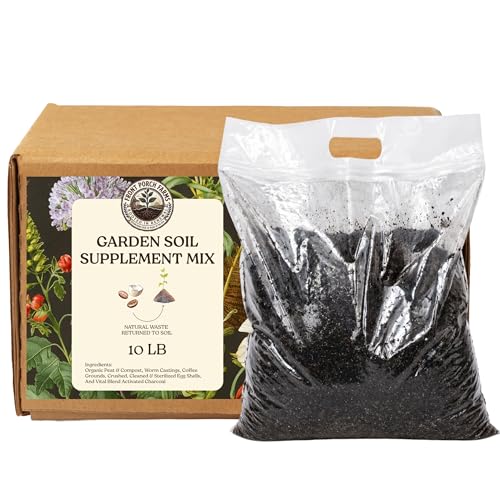
GIVE YOUR PLANTS A BETTER START - Use this garden soil supplement mix straight from the box as an organic potting soil for outdoor plants, or add it to the potting mix you already have to make it work harder for healthier plant and flower growth

Nutritional Value of Coffee Grounds for Cucumber Plants
Coffee grounds are a valuable addition to your gardening routine, especially when it comes to nurturing your cucumber plants. Here’s why:
Rich in Nitrogen
- Coffee grounds contain a significant amount of nitrogen, which is an essential nutrient for plant growth.
- Nitrogen promotes lush green foliage in cucumber plants and encourages overall plant health and productivity.
Boost Microbial Activity
- When incorporated into the soil, coffee grounds enhance microbial activity.
- Beneficial microorganisms break down organic matter, releasing nutrients that cucumber plants can readily absorb.
Improve Soil Structure
- The organic matter in coffee grounds helps improve soil structure.
- Loosened soil allows cucumber roots to grow deeper and access nutrients more efficiently.
Sustainable Soil Amendment
- Using coffee grounds in your garden is a sustainable practice that reuses waste materials.
- Reduce landfill waste by recycling coffee grounds into nutrient-rich soil for your cucumber plants.
- Mix coffee grounds with compost or soil before planting your cucumber seeds or seedlings for best results.
How to Use Coffee Grounds for Cucumber Plants
If you’re looking to give your cucumber plants a natural boost, incorporating coffee grounds can make a significant difference in their growth. Here’s how you can effectively utilize coffee grounds to benefit your cucumber plants:
- Mix with Compost: Combine coffee grounds with compost to create a nutrient-rich mixture that your cucumber plants will love.
- Sprinkle Around Plants: Spread a thin layer of coffee grounds around the base of your cucumber plants to provide a slow-release source of nutrients.
Remember, moderation is key when using coffee grounds for your cucumber plants. Excessive amounts can negatively impact soil pH levels, so it’s best to use them in moderation.
Potential Risks and Considerations
When using coffee grounds for your cucumber plants, there are a few key points to keep in mind to ensure successful growth without any negative impacts.
- Acidification: Excessive application of coffee grounds can increase soil acidity, which may not be ideal for cucumber plants.
- Moderation is Key: Applying a thin layer of coffee grounds is recommended. Avoid overdoing it to prevent unbalancing the soil pH levels.
- Nitrogen Levels: Coffee grounds contain high levels of nitrogen, which can burn plant roots if used excessively.
- Mixing with compost: Mixing coffee grounds with compost can help offset any negative effects by diluting the concentration of acidity.
- Observation: Keep an eye on your plants’ health after using coffee grounds. If you notice any adverse effects, adjust your application accordingly.
- Testing Soil pH: Regularly testing your soil pH levels can help you monitor any changes caused by the coffee grounds and take appropriate measures.
| Aspect | Recommendation |
|---|---|
| Soil Acidity | Apply coffee grounds in moderation |
| Nitrogen Levels | Avoid excessive use to prevent root burn |
| Mixing | Combine with compost to dilute acidity |
| Monitoring | Watch for any negative plant reactions |
| pH Testing | Regularly test soil pH levels for adjustments |
Experiment Results: Cucumber Plants with Coffee Grounds vs. Without
When examining the impact of coffee grounds on cucumber plants, experimental data can provide valuable insights. Let’s delve into the results of comparing cucumber plants with coffee grounds and those without.
- Cucumber Growth: Cucumber plants receiving coffee grounds displayed increased plant growth compared to those without.
- Nutrient Absorption: Plants with coffee grounds exhibited enhanced nutrient absorption, leading to healthier foliage.
- Soil Health: The soil in coffee-treated pots showed improved nutrient levels and soil structure conducive to plant growth.
Integrating coffee grounds into your cucumber plant care routine may contribute positively to plant health and growth based on these experimental observations.
Conclusion
You’ve now seen the positive impact coffee grounds can have on your cucumber plants. With increased growth, improved nutrient absorption, and enhanced soil health, it’s clear that adding coffee grounds to your plant care routine is a beneficial choice. Embrace this natural way to boost your cucumber plants’ health and watch them thrive in your garden. Happy gardening!
Frequently Asked Questions
Q: Can coffee grounds benefit cucumber plants?
A: Yes, coffee grounds can benefit cucumber plants by promoting growth, enhancing nutrient absorption, and improving soil health.
Q: How do coffee grounds impact cucumber plant growth?
A: Coffee grounds can improve cucumber plant growth by providing nutrients, increasing soil aeration, and attracting beneficial earthworms.
Q: How should coffee grounds be used for cucumber plants?
A: Coffee grounds can be applied directly to the soil around the base of cucumber plants or added to compost for a gradual release of nutrients.
Q: What are the benefits of incorporating coffee grounds into cucumber plant care routines?
A: Incorporating coffee grounds can result in healthier and more productive cucumber plants with improved resistance to pests and diseases.
Q: Are there any considerations when using coffee grounds for cucumber plants?
A: It is important to use coffee grounds in moderation to prevent over-fertilization and monitor plant reactions for any signs of sensitivity.
