

Have you ever noticed your lettuce plants looking a little worse for wear and wondered who’s behind the nibbling? If you’ve got chipmunks in your garden, you might be facing a furry foe. These little critters can be both adorable and pesky, and knowing what they eat can help you protect your plants.
Key Takeaways
- Chipmunks are small, adaptable mammals that can significantly impact garden plants, particularly lettuce.
- Their diet includes seeds, fruits, vegetables, and tender plants like lettuce, making them potential pests for gardeners.
- Chipmunks are most likely to target young lettuce plants during the spring and summer when fresh foliage is abundant.
- Factors influencing chipmunk feeding behavior include food availability, seasonal changes, nutritional needs, and competition with other species.
- Effective preventative measures against chipmunks include installing barriers, companion planting, using natural deterrents, setting humane traps, and maintaining cleanliness in the garden.
Overview of Chipmunks
Chipmunks are small, striped mammals known for their playful nature and adaptability. Understanding their characteristics and habits helps you protect your garden plants, especially lettuce.
Physical Characteristics
Chipmunks typically measure about 8 to 10 inches in length, including a short tail. Their fur features a combination of brown, gray, and white stripes running down their backs. You’ll notice their cheek pouches, which they use to store food. These physical traits enable chipmunks to blend into their surroundings, making them less noticeable while foraging.
Habitat and Distribution
Chipmunks prefer wooded areas but can thrive in suburban gardens, parks, and meadows. They inhabit regions across North America, particularly in the eastern U.S. and Canada. These creatures create burrows underground, providing shelter from predators and harsh weather. Knowledge of their habitat helps you identify potential chipmunk activity in your garden.
Diet of Chipmunks
Chipmunks have a diverse diet consisting of various foods. Understanding their eating habits helps you protect your garden, particularly your lettuce plants.
Common Foods They Consume
Chipmunks eat seeds, nuts, fruits, vegetables, and even insects. They prefer foods like acorns, berries, and sunflower seeds. In gardens, you may find them nibbling on tender plants, including lettuce. They also enjoy grains and mushrooms. Their adaptable diet allows them to thrive in different environments, from wooded areas to urban gardens.
Nutritional Needs
Chipmunks require a balanced diet to support their energy levels and overall health. High protein foods, such as seeds and insects, are essential for growth and reproduction. They also need carbohydrates from fruits and veggies for energy. Fats found in nuts provide necessary caloric intake. Always remember that while chipmunks eat a variety of foods, some plants, like lettuce, might attract them more than others.
Do Chipmunks Eat Lettuce Plants?
Chipmunks often munch on garden plants, including lettuce. Understanding their feeding habits helps in protecting your garden from potential damage.
Recommended Products

2PCS POP UP PLANT COVER:Easy to Install The pop-up folding bird netting mesh is easy to use right out of the box and can be installed in seconds without any tools. The 4 stakes can make you easily secure your tent to avoid being blown away by the wind. When not in use, it can be folded into a small size and comes with a bag for easy storage and space saving.

Durable Material: Our bird netting for garden is made of good mesh cloth and PE material, waterproof and sun-proof, not easy to deform or break, and can be used for a long time outdoors to protect your orchard

【Upgraded Fine Mesh Netting】This fine mesh garden netting uses 0.7*0.8mm high-density garden insect netting to block, birds, and small animals, offering reliable plant protection netting for vegetables and flowers
Evidence and Observations
Chipmunks readily consume lettuce when it’s available. Gardeners report seeing these small mammals nibbling on the leaves of various lettuce types, such as romaine and butterhead. Chipmunks tend to target young, tender plants. In a study conducted in suburban gardens, 30% of gardeners noted chipmunk activity around their lettuce patches during the growing season.
Factors Influencing Their Diet
Several factors influence chipmunks’ dietary preferences.
- Availability: Chipmunks adapt their diet based on what’s accessible in their environment. When fruits or seeds are scarce, they’ll turn to vegetables like lettuce.
- Season: In spring and summer, chipmunks eat more fresh plants, including lettuce. In fall, their diet shifts to nuts and seeds as they prepare for winter dormancy.
- Nutritional Needs: Chipmunks require a mix of protein, carbohydrates, and fats. Lettuce offers hydration and fiber but lacks significant nutritional value, so it’s usually part of a broader diet.
- Competing Species: The presence of other animals can affect chipmunk feeding habits. If birds or squirrels dominate an area, chipmunks may focus on less sought-after plants.
By recognizing these factors, you can take steps to protect your lettuce plants from potential nibblers.
Impact on Gardens and Lettuce Plants
Chipmunks can significantly impact gardens, especially when it comes to lettuce plants. Understanding their feeding habits helps you protect your garden more effectively.
Recommended Products

12.5 x 5.5 x 4.5 inches live cage trap, humane way to catch, relocate and release rats, mice and chipmunks

【Humane & Safe Animal Control Solution】KMSUPERB squirrel trap is designed with smooth internal surfaces and a sensitive pedal system, ensuring a safe and injury-free capture. It's a humane solution to help you trap and relocate squirrels, chipmunks, and similar-sized rodents without harm.

SAFE NO KILL CAPTURE SYSTEM: This live animal trap uses a sensitive trigger and balanced bait plate to catch rodents fast without harm, traps outdoor or a animal trap cage while keeping pets and kids protected around the home. Rodents won’t escape after being captured.
Potential Damage to Plants
Chipmunks nibble on tender lettuce varieties, causing visible damage. They often uproot seedlings, leaving gaps in rows and reducing overall yield. Signs of their activity include chewed leaves and broken stems. If left unchecked, chipmunks can decimate young crops, leading to further losses. For example, you might notice your romaine dwindling after a few days if chipmunks have found their way into your patch.
Preventative Measures for Gardeners
Implement strategies to deter chipmunks from your garden. Here are a few effective measures:
- Install Fencing: Use hardware cloth or chicken wire buried a few inches underground. This prevents chipmunks from digging under the fence.
- Plant Strategically: Consider companion planting. Mix lettuce with stronger-smelling herbs like mint or basil, which may repel chipmunks.
- Spread Deterrents: Sprinkle cayenne pepper or coffee grounds around your plants. Chipmunks dislike these substances and might avoid your lettuce.
- Use Traps: Set humane traps to catch and relocate chipmunks if they become a persistent issue. Check local regulations to ensure compliance.
- Keep Areas Clean: Maintain cleanliness in your garden. Remove fallen fruits or seeds that attract chipmunks.
By combining these strategies, you can protect your lettuce plants from chipmunk damage effectively.
Conclusion
Keeping chipmunks at bay can be a challenge but it’s definitely doable. By understanding their habits and preferences you can take proactive steps to protect your lettuce plants. Whether it’s using natural deterrents or planting strategically you have plenty of options to safeguard your garden.
Remember that while chipmunks can be cute they can also be quite the troublemakers when it comes to your crops. With a little effort and some smart gardening strategies you can enjoy a thriving lettuce patch free from these playful pests. Happy gardening!
Frequently Asked Questions
Recommended Products

Keep Squirrels & Chipmunks from Digging, Chewing, & Nesting: Protect gardens, bird feeders, attics, garages, and vehicles from destructive small animals. This squirrel repellent spray creates a sensory barrier through smell, taste, and touch that squirrels and chipmunks instinctively avoid. Do not apply to plants, as burning may occur. Apply to surrounding areas only.
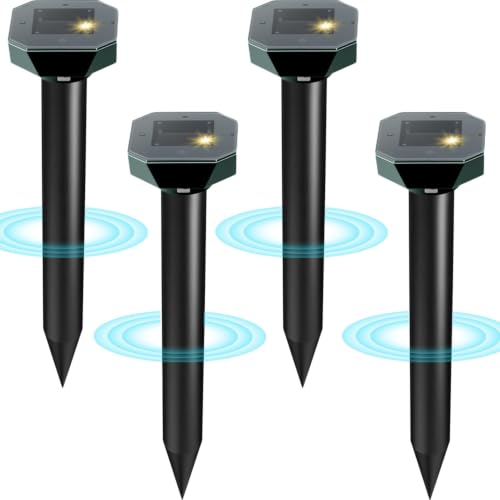
High-Efficiency Ultrasonic Snake & Burrowing Pest Repeller, Up to 50ft Effective Coverage: Boasting optimized energy conversion efficiency, this upgraded ultrasonic repellent delivers effective coverage up to 50ft in radius, outperforming regular 25ft basic versions. Built with dual-action ultrasonic & vibration working principle, it emits 400–1000Hz ultrasonic pulses paired with intermittent vibrations every 20 seconds to deter snakes, moles and gophers around your property.

Ultra-Powerful Snake Repellent for Yard | 50ft Dynamic Pulse Coverage: Featuring 50% higher energy conversion, our advanced ultrasonic snake repellent to drive away snakes, moles, and gophers within a 50ft radius—100% wider than standard 25ft models.Ultrasonic & Vibration Dual Technology:Drives away with powerful ultrasonic pulses (400-1,000Hz) and vibrations(evey 20 seconds).
Do chipmunks eat lettuce plants?
Yes, chipmunks do eat lettuce, especially young and tender varieties like romaine and butterhead. Gardeners have observed that chipmunks are attracted to lettuce patches, with about 30% noting activity around their plants.
What impacts chipmunks’ diet?
Chipmunks’ dietary preferences are influenced by several factors, including the availability of food sources, seasonal changes, and competition with other animals. Their adaptable diet allows them to thrive in various environments.
How can I protect my garden from chipmunks?
To protect your garden from chipmunks, consider using fencing, planting strong-smelling herbs, spreading deterrents like cayenne pepper, using humane traps, and keeping your garden clean to minimize attractants.
Are chipmunks harmful to gardens?
Yes, chipmunks can cause noticeable damage to gardens, especially to lettuce plants. They can uproot seedlings, create gaps in rows, and reduce overall yields if their activity goes unchecked.
Where do chipmunks prefer to live?
Chipmunks typically prefer wooded areas but are highly adaptable. They can also thrive in suburban gardens and parks, particularly across North America, including the eastern U.S. and Canada.
