

Have you ever planted lettuce only to find it overcrowded or not thriving in its spot? You’re not alone. Many gardeners face this challenge and wonder if they can simply move their lettuce to a better location.
Transplanting lettuce can seem tricky, but it’s a great way to maximize your garden’s potential and ensure your plants get the sunlight and space they need. This article will guide you through the process, sharing tips on timing, techniques, and care. By the end, you’ll feel confident in giving your lettuce a fresh start.
Key Takeaways
- Transplanting Benefits: Relocating lettuce promotes enhanced growth, improved air circulation, better sun exposure, and increased yield.
- Optimal Timing: Transplant seedlings when they are 3 to 4 inches tall, ideally on cool, overcast days with soil temperatures between 55°F and 70°F.
- Preparation Steps: Select appropriate lettuce varieties, start seeds indoors, and ensure proper soil amendments in the new location for successful transplanting.
- Transplanting Process: Follow a systematic process: water seedlings beforehand, dig proper holes, place seedlings correctly, and monitor care after transplanting.
- Addressing Challenges: Prevent transplant shock by being mindful of timing, soil conditions, and gradual exposure; use pest management strategies to protect newly transplanted lettuce.
Understanding Lettuce Transplanting
Transplanting lettuce can significantly improve plant health. By relocating overcrowded or struggling plants, you optimize growth conditions, ensuring they receive adequate sunlight and space. Here’s what you need to know about transplanting lettuce effectively.
Benefits of Transplanting Lettuce
- Enhanced Growth: Transplanting gives lettuce more room to grow, which leads to healthier plants.
- Improved Air Circulation: Spacing out your plants helps reduce the risk of disease by increasing air flow.
- Better Sun Exposure: Moving lettuce ensures that all plants receive equal sunlight, key for photosynthesis and growth.
- Increased Yield: A well-spaced lettuce garden often produces a higher yield, providing more harvestable heads.
- Seedlings: Transplant seedlings when they are about 3 to 4 inches tall, usually after 3 to 4 weeks of growth.
- Conditions: Choose a cool, overcast day or transplant in the late afternoon to minimize transplant shock.
- Soil Temperature: Ensure soil temperatures are between 55°F and 70°F; this range promotes immediate growth after transplanting.
- Season: Early spring is ideal for cool-season varieties, while fall is best for late-season plantings.
Pay attention to these tips and timing to ensure a successful lettuce transplanting experience.
Preparing for Transplanting
Preparing for transplanting your lettuce involves a few key steps to ensure a successful process. You’ll promote healthier plants by selecting the right varieties and starting seeds effectively.
Recommended Products
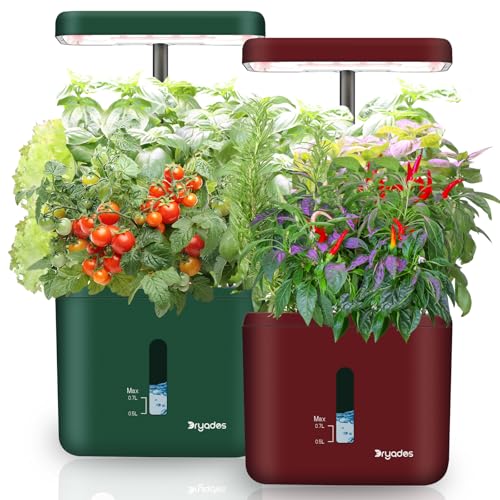
INDOOR INTELLIGENT, MORE EFFICIENT: Indoor soil cultivation planting system adopts full-spectrum technology, 5 times more efficient than outdoor traditional cultivation, controllable LED grow lights set 8H/12H/16H light time, do not affect the personal work and rest at the same time to ensure that the Potted plants are at optimum temperatures all year round in order to promote photosynthesis in any weather.

6000K White Light - equipped with 10 Red + 74 White LEDs, this growing Lamp is similar to the full-spectrum sunlight at noon,that is professionally designed for indoor garden plants.Moreover, its color rendering index is as high as 95, the light is soft and flicker-free, which is very suitable for reading lamp

Full Spectrum Grow Light: Our plant light is equipped with 108 high-quality LED beads. This advanced lighting solution incorporates 60 cold white LEDs, 32 warm white LEDs, and 16 red LEDs, creating an optimal environment with precise wavelengths for seedlings, flowers, and vegetables. Your plants will thrive under its nurturing glow, ensuring health and vitality at every growth stage.
Choosing the Right Lettuce Varieties
Choosing the right lettuce varieties can impact your success. Consider options like Boston Bibb for its softness, Romaine for its crispness, or Butterhead for a smooth texture. Each variety has unique growth needs and characteristics. For example, heat-tolerant varieties like Iceberg or Romaine thrive in warmer conditions. Research your climate before making a selection, as some types perform better in cool weather while others excel in heat.
Starting Lettuce Seeds Indoors
Starting lettuce seeds indoors allows for earlier growth and stronger plants. Follow these steps:
- Select Containers: Use seed trays or biodegradable pots that provide good drainage.
- Fill with Soil: Use a seed-starting mix that retains moisture but drains well.
- Sow Seeds: Plant seeds about 1/4 inch deep, spacing them according to the variety’s recommendations.
- Water Gently: Moisten the soil without oversaturating it. A spray bottle works well for this.
- Provide Light: Place trays under grow lights or in a sunny window. Aim for 12-16 hours of light daily.
- Monitor Temperature: Keep the indoor temperature between 60°F and 70°F for optimal germination.
Once seedlings reach about 3 to 4 inches tall, they’re ready for transplanting outdoors. Ensure you harden them off by gradually introducing them to outdoor conditions over 7 to 10 days.
The Transplanting Process
Transplanting lettuce involves careful planning and execution. Following the right steps ensures your seedlings thrive in their new environment.
When to Transplant Lettuce Seedlings
Transplant your lettuce seedlings when they reach 3 to 4 inches in height. This size ensures they are strong enough to handle relocation. Aim for a cool or overcast day to reduce stress on the plants. Ideal soil temperatures range between 55°F and 70°F, which promotes healthy growth. Early spring for cool-season varieties and late summer for heat-tolerant options suits best.
- Prepare the New Site
- Choose a location with well-draining soil and full sunlight.
- Amend the soil with organic matter to boost nutrients.
- Water the Seedlings
- Water the seedlings a few hours before transplanting. Wet roots reduce shock.
- Dig and Separate Seedlings
- Use a garden fork to gently lift seedlings from their original pots or trays. Avoid damaging the roots.
- Separate them carefully to minimize root disturbance.
- Create Holes in the New Location
- Dig holes that accommodate the root balls without crowding. Space them 12 to 18 inches apart.
- Place Seedlings in Holes
- Position seedlings in the holes, ensuring the crown is at soil level. Backfill with soil and gently press to eliminate air pockets.
- Water Again
- Water the transplanted seedlings immediately after moving them. This helps settle the soil and provides moisture.
- Monitor and Care
- Keep an eye on the seedlings for a week. Water them consistently to maintain moisture but avoid overwatering. Providing shade can also help if transplanting occurs during a hot spell.
By adhering to these steps, you enhance the likelihood of successful growth for your transplanted lettuce.
Common Challenges and Solutions
Transplanting lettuce often presents challenges, but you can address them with the right strategies. Here are common issues and practical solutions to ensure your lettuce thrives after relocation.
Dealing with Transplant Shock
Transplant shock occurs when plants are moved, causing them to wilt or slow growth. To mitigate this, follow these steps:
- Timing: Transplant on a cool, overcast day to reduce stress. Early mornings or late afternoons are ideal.
- Preparation: Water seedlings thoroughly before transplanting. Well-hydrated plants with a robust root system adapt better.
- Soil Temperature: Ensure soil is between 55°F and 70°F. Cold or hot soil can hinder recovery.
- Gradual Exposure: Harden off seedlings by gradually introducing them to outdoor conditions over a week. Start with a few hours of sun, increasing daily.
Preventing Pests and Diseases
Transplanted lettuce can be vulnerable to pests and diseases. Here’s how to protect your plants:
- Site Selection: Choose a sunny, well-draining site to minimize disease risks. Good airflow around the plants helps reduce humidity.
- Mulching: Use organic mulch to suppress weeds and retain soil moisture. This also serves as a barrier to pest access.
- Regular Monitoring: Check plants for signs of pests, like aphids or slugs. Early detection allows for quick intervention.
- Natural Remedies: Use insecticidal soap or neem oil for pest control. These options are effective yet gentle on the environment.
By recognizing and addressing transplant shock and pest challenges, you enhance the chances of your lettuce thriving post-transplant.
Conclusion
Transplanting lettuce can truly transform your garden experience. With the right techniques and timing you can give your plants the space and sunlight they need to thrive. Remember to choose the right varieties and prepare your seedlings properly for the best results.
By following the tips outlined you’ll not only boost growth but also increase your yield. Keep an eye on your transplanted lettuce and be ready to tackle any challenges that come your way. Enjoy the process and watch your garden flourish as you nurture your lettuce into a bountiful harvest. Happy gardening!
Frequently Asked Questions
Why should I transplant lettuce plants?
Transplanting lettuce plants allows for better sunlight and air circulation, leading to enhanced growth and increased yield. It helps alleviate overcrowding and struggling conditions, allowing your lettuce to thrive.
When is the best time to transplant lettuce?
The ideal time to transplant lettuce is early spring or fall, depending on the variety. It’s best to transplant seedlings when they are 3 to 4 inches tall and soil temperatures range from 55°F to 70°F.
How do I prepare my garden for transplanting lettuce?
To prepare, choose a sunny, well-draining site and amend the soil with organic matter. Ensure the soil is at the right temperature and moisture level to promote healthy growth after relocation.
What are the signs of transplant shock in lettuce?
Common signs of transplant shock in lettuce include wilting leaves, slowed growth, and discoloration. This can often occur due to sudden changes in conditions or improper handling during the transplanting process.
How can I prevent pests and diseases after transplanting lettuce?
Prevent pests and diseases by selecting a good site, practicing regular monitoring, mulching, and using natural remedies for pest control. This proactive approach helps keep your transplanted lettuce healthy and thriving.
