

Ever wondered if you can enjoy fresh lettuce even when winter’s chill sets in? You’re not alone. Many people dream of having a garden full of greens despite the cold weather outside.
Growing lettuce indoors during winter isn’t just a fantasy; it’s a practical solution for those craving fresh produce. With the right setup and a little know-how, you can cultivate your own delicious salads right from your kitchen. This article will guide you through the essentials of indoor lettuce gardening, making it easy to enjoy homegrown greens all season long.
Key Takeaways
- Fresh Produce Year-Round: Growing lettuce indoors in winter allows for fresh greens, enhancing meal quality and availability.
- Optimal Growing Conditions: Control factors like light, temperature, and humidity to create a conducive environment for lettuce growth.
- Space Efficiency: Lettuce requires minimal space, making it ideal for small indoor areas, such as kitchens or windowsills.
- Variety Selection: Choose fast-growing and disease-resistant lettuce varieties, like Butterhead and Leaf Lettuce, for successful indoor gardening.
- Growing Techniques: Consider hydroponics for faster growth rates or soil-based methods for easier management, adapting to your preferences.
- Regular Maintenance: Monitor light exposure, humidity levels, and pest management to ensure a healthy indoor garden throughout winter.
Understanding Indoor Lettuce Cultivation
Growing lettuce indoors during winter can offer fresh greens despite cold temperatures. With the right approach, you can enjoy the benefits of indoor gardening.
Benefits of Growing Lettuce Indoors
- Fresh Produce: Indoor lettuce provides access to fresh greens year-round, enhancing meal quality.
- Space Efficiency: Lettuce thrives in limited spaces, like kitchen counters or windowsills.
- Controlled Environment: Indoor gardening allows you to control factors such as light, humidity, and temperature. This control enables optimal growing conditions.
- Cost-Effective: Growing your own lettuce can reduce grocery bills and minimize waste.
- No Pesticides: You grow your greens naturally, avoiding harmful pesticides often found in store-bought produce.
- Light Limitations: Winter days often lack sufficient sunlight. Using grow lights can supplement natural light and simulate ideal conditions.
- Temperature Fluctuations: Indoor temperatures may vary, affecting lettuce growth. Aim for consistent temperatures between 60°F and 70°F.
- Pest Management: While indoors, pests may still appear. Regularly check for insects and manage them organically.
- Humidity Control: Indoor air can be dry due to heating. Monitor humidity levels; using a humidifier may help maintain an optimal environment.
- Soil Quality: Select a quality potting mix designed for indoor gardening. Proper soil ensures nutrient availability and drainage.
By understanding these benefits and challenges, you can optimize your indoor lettuce cultivation for a successful winter harvest.
Essential Requirements for Growing Lettuce Indoors
Growing lettuce indoors requires attention to specific conditions that ensure success. By following these essential requirements, you’ll create a thriving indoor garden.
Recommended Products

NOTE: The product stand needs to be pressed down by the flower pot to be stable. Not wireless style. 2 Installation Methods: Specially designed plant light for indoor plants, which can be inserted in the soil or stand for lighting.Unique and easy to assemble and disassemble.

🌻Efficient LED Combination: This LED lamp has grow lights made up of 80 efficient growing LEDs ( 32 red lights, 12 blue lights,20 yellow lights and 16 white lights). It meets the conditions of plant growth without sunlight. 1--Full Spectrum(380nm-800nm): Suitable for all plants to root and sprout. 2--Red(660nm)+BLUE(460nm) Spectrum: for blooming and fruits. 3--Red+Blue+Full Spectrum: A mix of Red+Blue+Warm White is best to fuel the growth of your plants.

214 Full-Spectrum LEDs: Featuring one light head with 214 high-performance LEDs, this grow light delivers a broad 380–780 nm full spectrum that closely mimics natural sunlight. It provides bright, uniform illumination to support efficient photosynthesis and healthy plant growth. Especially suitable for seed starting and seedling development, it is an ideal supplemental light source for indoor plants.
Light Requirements
Lettuce thrives in bright, indirect light. Aim for at least 12 to 16 hours of light daily. If natural sunlight is insufficient during winter, consider using grow lights. LED grow lights are energy-efficient and produce a full spectrum of light. Place the lights about 6 to 12 inches above the plants. This setup mimics outdoor conditions and promotes healthy growth.
Temperature and Humidity Control
Lettuce prefers a cool environment, flourishing between 60°F and 70°F (15°C to 21°C). Maintain consistent temperatures to prevent stress on the plants. Use a thermometer to monitor indoor conditions. If nighttime temperatures drop, consider using a heat mat to stabilize warmth.
Humidity levels also play a crucial role. Aim for a relative humidity of 40% to 70%. If your indoor air is too dry, mist the lettuce lightly or use a humidity tray filled with water and pebbles beneath the pots to boost moisture. This control helps avoid issues like wilting and promotes healthy leaf development.
Choosing the Right Lettuce Varieties
Selecting the right lettuce varieties is crucial for successful indoor gardening during winter. Some lettuces adapt better to smaller spaces and lower light conditions, making them ideal options for your indoor garden.
Recommended Products

4 Popular Heirloom Lettuce Varieties: Includes Red Romaine, Bibb Butterhead, Black Seeded Simpson, and Green Ice lettuce seeds to grow crisp, tender, and colorful salad greens with balanced flavor, texture, and visual appeal.
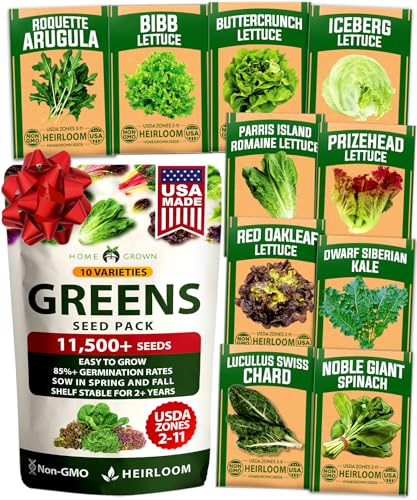
COMPLETE VARIETY PACK: Ten popular lettuce and leafy green varieties; Romaine lettuce seeds, Buttercrunch, Iceberg, Bibb, Red Oakleaf, Prizehead, Kale, Spinach and more; Perfect for organic salad gardens; High 95% germination rate
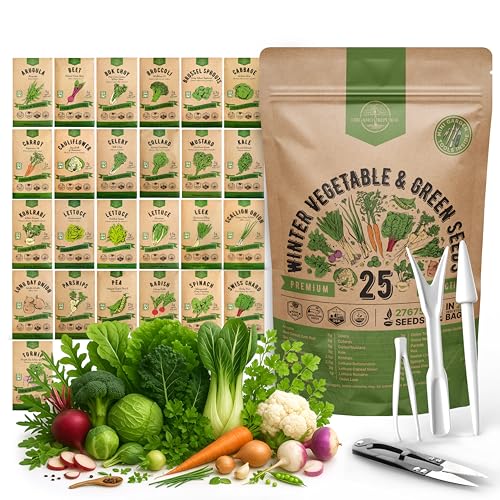
Gardening Kit: 25 Winter Vegetable & Greens Garden Seeds Variety Pack NON GMO Heirloom Seeds LESS THAN $1.00 PER SEED VARIETY PACK 27,675+ seeds including: Arugula, Beet Detroit Dark Red, Bok Choy, Broccoli, Brussel Sprouts, Cabbage, Carrot Imperator 58, Cauliflower, Celery, Collards, Curled Mustard, Kale, Kohlrabi, Buttercrunch, Oakleaf Green, Romaine, Leek, Tokyo Long White Scallion, Walla Walla, Parsnip, Pea, Radish Cherry Belle, Spinach, Swiss Chard, Turnip
Best Varieties for Indoor Growth
- Butterhead: This soft and tender lettuce type grows well indoors. It develops a loose head, and its leaves mature quickly, typically within 55 to 65 days.
- Romaine: Romaine lettuce is another great choice. It’s sturdy and can grow in a variety of conditions. Expect to harvest romaine in about 70 days.
- Leaf Lettuce: Fast-growing leaf varieties, such as red or green leaf, thrive indoors. They can be harvested continually, allowing for a steady supply of fresh greens. They usually mature in 30 to 45 days.
- Microgreens: While not traditional lettuce, microgreens are quick and easy to grow indoors. They can be harvested in as little as 7 to 21 days, offering intense flavors and nutrition.
- Choose Organic Seeds: Organic seeds are often untreated, ensuring a healthier growth environment. Look for reputable suppliers who offer organic options.
- Select Disease-Resistant Varieties: Opt for varieties known for their resilience against common diseases. This reduces the likelihood of crop failure and ensures a more reliable harvest.
- Consider Growth Time: Pay attention to the days to maturity listed on seed packets. Fast-maturing varieties suit winter growing better as they require less exposure to light.
- Explore Specialty Varieties: Look for unique colors and textures in lettuce types to add variety to your meals. Specialty varieties can provide a fun twist and elevate your culinary creations.
Growing Techniques for Indoor Lettuce
Growing lettuce indoors during the winter months requires specific techniques to maximize success. This section covers effective methods, including hydroponics, soil-based strategies, and container considerations.
Recommended Products

PATENTED SMART HYDROPONIC SYSTEM: Take your indoor gardening to the next level with our patented smart hydroponic system, featuring the exclusive LetPot app. With just a few taps on your phone, you can effortlessly adjust the 0-24 hours LED lighting schedule to provide your plants with the perfect amount of light and precies on/off time. Our innovative reminder system also ensures you never forget to water your plants again, making growing healthy and vibrant plants easier than ever before.

SPACE-SAVING COUNTERTOP HYDROPONIC GARDEN: Compact hydroponic garden tucks neatly under cabinets or on narrow countertops, turning unused nooks into a productive indoor gardening system for small homes and busy cooks.

Hydroponics vs. Soil-Based Methods
Hydroponics allows you to grow lettuce without soil, using nutrient-rich water instead. This method provides faster growth rates and often results in fresher, more nutritious greens. Popular hydroponic systems include deep water culture and nutrient film technology.
Soil-based methods, on the other hand, involve planting lettuce in quality potting mix. Using organic soil offers beneficial microbes and essential nutrients. For beginners, soil tends to be easier to manage and sets up a more forgiving growing environment.
Both methods can yield great results, so choose based on your preference and available resources. If you prefer low maintenance, try hydroponics. If you enjoy the process of working with soil, stick with a traditional approach.
Container and Space Considerations
Selecting the right containers is crucial for successful indoor lettuce growth. Opt for pots with drainage holes to prevent waterlogging. Containers should be at least 6-8 inches deep to accommodate healthy root systems.
Arrange your containers in a well-lit area or under grow lights to ensure ample light exposure. Depending on your space, consider vertical gardening techniques or shelf units to optimize space efficiency. For example, stackable planters or multi-tiered racks can utilize vertical space, allowing you to grow more lettuce in limited areas.
Maintain good air circulation around the plants to prevent mold and disease. Ensure each container has enough space for air to move freely, which aids in healthy growth.
Conclusion
Growing lettuce indoors in the winter can be a rewarding experience. With the right setup and a little patience you can enjoy fresh greens right from your kitchen. Remember to pay attention to light temperature and humidity to create the perfect environment for your plants.
Choosing the right lettuce varieties and using suitable growing techniques can make all the difference in your success. So go ahead and give it a try. You’ll not only enhance your meals but also bring a bit of nature into your home during the colder months. Happy gardening!
Frequently Asked Questions
Can I grow lettuce indoors in winter?
Yes, you can grow lettuce indoors during winter with the right setup. By ensuring adequate light, temperature, and humidity, you can enjoy fresh greens even in cold weather.
What light is best for indoor lettuce gardening?
Lettuce requires 12 to 16 hours of bright, indirect light daily. If natural sunlight is insufficient, consider using LED grow lights to provide the necessary illumination.
What temperature is ideal for growing lettuce indoors?
Lettuce thrives in cool conditions, ideally between 60°F and 70°F. Maintaining a consistent temperature is crucial for healthy growth.
How can I manage humidity when growing lettuce indoors?
Keep humidity levels between 40% to 70%. If the air is too dry, you can increase moisture by misting the plants or using a humidifier.
What lettuce varieties are best for indoor gardening?
Recommended indoor lettuce varieties include Butterhead, Romaine, Leaf Lettuce, and Microgreens. Choose disease-resistant and organic seeds for optimal growth.
What are the challenges of growing lettuce indoors in winter?
Challenges include limited light, fluctuating temperatures, pest management, and humidity control. Understanding these can help you address issues proactively.
What growing techniques can I use for indoor lettuce?
You can use hydroponics for faster growth or traditional soil-based methods for a more forgiving approach. Ensure proper drainage and air circulation around the plants.
How can I maximize space for indoor lettuce gardening?
Utilize vertical gardening techniques and choose containers with drainage holes. Pots should ideally be 6-8 inches deep to provide enough space for roots.
