

Are you eager to grow your own fresh lettuce in Iowa? Timing is everything when it comes to planting this crisp, delicious green. If you’ve ever faced the frustration of planting too early or too late, you’re not alone. Knowing the right time to sow your seeds can make all the difference in your harvest.
Key Takeaways
- Timing is Crucial: Plant lettuce in Iowa during mid-March to late April for spring harvest, and from early August to mid-September for fall crops to avoid frost.
- Understand Lettuce Varieties: Differentiate between cool-season (like Butterhead and Romaine) and warm-season (like Iceberg) varieties, as each has distinct temperature and planting requirements.
- Ideal Temperature Ranges: Cool-season lettuce grows best in 60°F to 70°F, while warm-season varieties thrive at temperatures above 60°F, avoiding heat above 80°F that can cause bolting.
- Soil Preparation Matters: Test soil pH (ideal range 6.0 to 7.0) and enrich it with organic amendments like compost to ensure optimal growth conditions for your lettuce.
- Stay Vigilant Against Pests: Regularly check for common pests, and use barriers and beneficial insects to manage infestations effectively.
- Weather Awareness: Monitor local weather patterns for frost alerts and use protective measures, such as row covers or shade cloth, to safeguard your lettuce from temperature extremes.
Understanding Lettuce Growth Cycles
Understanding the growth cycles of lettuce is essential for successful gardening in Iowa. Lettuce varieties differ in their response to temperature and seasons, influencing your planting schedule.
Cool-Season vs. Warm-Season Varieties
Cool-season varieties thrive in cooler temperatures, typically between 45°F and 75°F. These include types like Butterhead and Romaine. Plant these in early spring or late summer for a fall harvest. Cool-season varieties can tolerate some frost, making them ideal for Iowa’s unpredictable spring weather.
Warm-season varieties, such as Iceberg and Crisphead, prefer temperatures above 60°F. Plant these only after the last frost date in spring for the best results. Knowing the type of lettuce you want to grow helps you determine the best time to plant in Iowa’s climate.
Ideal Temperature Ranges
The ideal temperature range for lettuce growth varies by variety. For cool-season lettuce, aim for temperatures of 60°F to 70°F during the day. These conditions promote quick germination and robust growth.
For warm-season lettuce, temperatures should reach up to 80°F for optimal growth, but avoid extreme heat. High temperatures can cause lettuce to bolt, producing flowers and bitter leaves. Monitoring local weather patterns will help you plant at the right time and ensure a successful harvest.
Best Planting Times in Iowa
Timing plays a vital role in growing lettuce successfully in Iowa. Here’s a breakdown of the ideal planting schedules for both spring and fall.
Recommended Products
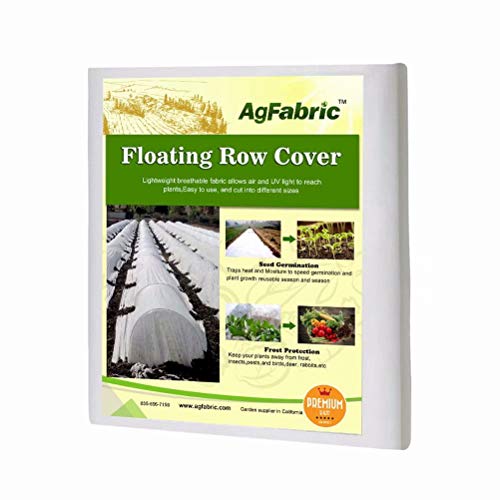
Heavy-weight FRCs(0.9-1.2oz./sq.yard):Are usually used to extend the growing season in spring and fall,allow 30%-50% light transmission,and recommend of freeze protection and season extension

Spring Planting Schedule
For spring, aim to plant lettuce seeds between mid-March and late April. This timeframe allows you to take advantage of the cool temperatures that encourage healthy growth. Here’s a quick guide:
- Mid-March to Early April: Start seeds indoors. This provides extra warmth for germination and allows for early harvest.
- Late April: Transplant seedlings outdoors when soil temperatures reach about 50°F.
- May: Direct sow seeds outdoors for a continuous harvest. Cool-season varieties are especially tolerant of frost.
Keep an eye on local weather patterns, as late frosts can occur. If temperatures drop unexpectedly, cover your seedlings with fabric or cloches for protection.
Fall Planting Schedule
For the fall season, plan to sow seeds from early August to mid-September. This timing lets you harvest before the first hard frost. Follow these steps:
- Early August: Start with direct sowing outdoors. Select fast-growing, cool-season varieties such as Butterhead and Romaine.
- Mid-September: Consider a second round of sowing for a staggered harvest.
- Late September: As temperatures drop, protect your plants with row covers to extend the growing season.
Be aware of the average first frost date in your area, typically around mid-October. Adjust your planting dates based on this information to ensure a successful fall harvest.
Soil Preparation Tips
Soil preparation plays a vital role in growing healthy lettuce. Following these tips ensures your soil supports optimal growth.
Recommended Products

Quick, at home results for Soil pH, Nitrogen, Phosphorous and Potash Innovative and inexpensive soil test kit features an easy-to-use capsule system and patented color comparators

Comprehensive Soil Analysis: Liquid soil test kits offer a comprehensive analysis of essential soil parameters, including pH, ammonia, nitrogen, phosphorus, and potassium. Having all these measurements in one kit provides a holistic understanding of the soil's fertility and health.

KNOW BEFORE YOU GROW | Grow the healthiest, sustainable lawn and garden with the most accurate and easy to use professional soil test kit on the market
Testing Soil pH and Nutrients
Testing your soil pH and nutrients is essential. Lettuce thrives in soil with a pH of 6.0 to 7.0. Use a soil test kit, available at garden centers, to measure pH and nutrient levels. If pH levels fall outside the optimal range, consider using lime to raise pH or sulfur to lower it. Additionally, a nutrient analysis helps identify deficiencies, allowing you to adjust your soil accordingly.
Amendments for Optimal Growth
Adding organic amendments enhances soil structure and nutrient content. Incorporate compost or well-rotted manure into the soil before planting. Aim for a 2 to 4-inch layer of compost mixed into the top 6 to 12 inches of your garden bed. This improves drainage and nutrient availability. For specific nutrient boosts, consider adding balanced fertilizers, like 10-10-10, according to the results from your soil test. Apply these amendments a few weeks before planting to allow them to integrate into the soil.
Common Growing Challenges
Growing lettuce in Iowa presents several challenges. Awareness of pest management and weather considerations helps ensure a successful crop.
Recommended Products

Ultra-Fine Mesh Netting: Large Size 2pack 10x33 Feet provide more security, Ultra Fine Garden Netting has a 0.04in ultra-fine mesh, It also allows sunlight | artificial light as well as air and rain to pass through. Light material, no burden for plant buds. Provide healthy growth environment for plants. Tip:(Not two packages, it's one package with two 10*33FT garden nets inside)

1. Defend Your Garden from Unwanted Pests: Gardening is a rewarding journey, but once your plants begin to bloom and bear fruit, pests can become a major threat. Our Ultra-Fine Garden Netting is the ideal solution to safeguard your crops, ensuring a healthy and thriving garden all season long.

✔️【Instant Protection for Raised Garden Bed】 - Our breathable mesh cover provides immediate shelter for your raised beds and vegetable plants, shielding them from pests, birds while allowing air, light, and water to penetrate.
Pest Management
Pests can damage your lettuce and jeopardize your harvest. Common pests like aphids, slugs, and beetles may infest your plants. Regular monitoring helps identify infestations early.
- Inspect Regularly: Check the undersides of leaves for pests.
- Use Barriers: Utilize row covers to protect seedlings from pests.
- Introduce Beneficial Insects: Ladybugs and lacewings can control aphid populations.
Incorporating organic pesticides may also help, but use them responsibly. Always follow the label instructions to protect beneficial insects and pollinators.
Weather Considerations
Weather plays a crucial role in lettuce growth. Extreme temperatures can stress plants and affect yields.
- Monitor Temperature: Keep an eye on local forecasts. Cool-season lettuce prefers temperatures between 60°F and 70°F.
- Provide Shade: If temperatures exceed 80°F, consider using shade cloth to prevent bolting.
- Be Aware of Frost: Late spring and early fall frosts can damage tender plants. Use row covers or blankets to protect your lettuce on chilly nights.
By addressing pest management and weather considerations, you can enhance your chances for a bountiful lettuce harvest in Iowa.
Conclusion
Growing lettuce in Iowa can be a rewarding experience when you pay attention to the timing and preparation. By knowing when to plant and understanding the specific needs of different varieties, you can enjoy fresh lettuce from your garden throughout the growing season.
Remember to check soil conditions and prepare accordingly to set your plants up for success. With a little care and attention to detail, you’ll be well on your way to a delicious harvest. Happy gardening and enjoy those crisp salads!
Frequently Asked Questions
What is the best time to plant lettuce in Iowa?
Plant lettuce seeds in Iowa between mid-March and late April for spring planting. For fall, sow seeds from early August to mid-September. This timing helps ensure a successful harvest before frost sets in.
What are the ideal temperatures for growing lettuce?
Cool-season lettuce varieties thrive best between 60°F and 70°F, while warm-season varieties require temperatures up to 80°F. Protect warm-season types from extreme heat to avoid bolting before harvest.
How can I prepare my soil for lettuce planting?
Test your soil’s pH and nutrient levels using a soil test kit. Aim for a pH of 6.0 to 7.0. Enhance your soil by adding compost or well-rotted manure and applying balanced fertilizers based on test results.
What are the common pests that affect lettuce?
Common pests include aphids, slugs, and beetles. Regular monitoring and preventive measures, like row covers and beneficial insects, can help control these pests and protect your lettuce.
How can weather impact lettuce growth?
Weather plays a significant role in lettuce growth. Monitor temperatures closely, provide shade during extreme heat, and protect plants from late frosts using row covers or blankets to ensure healthy growth and a successful harvest.
