

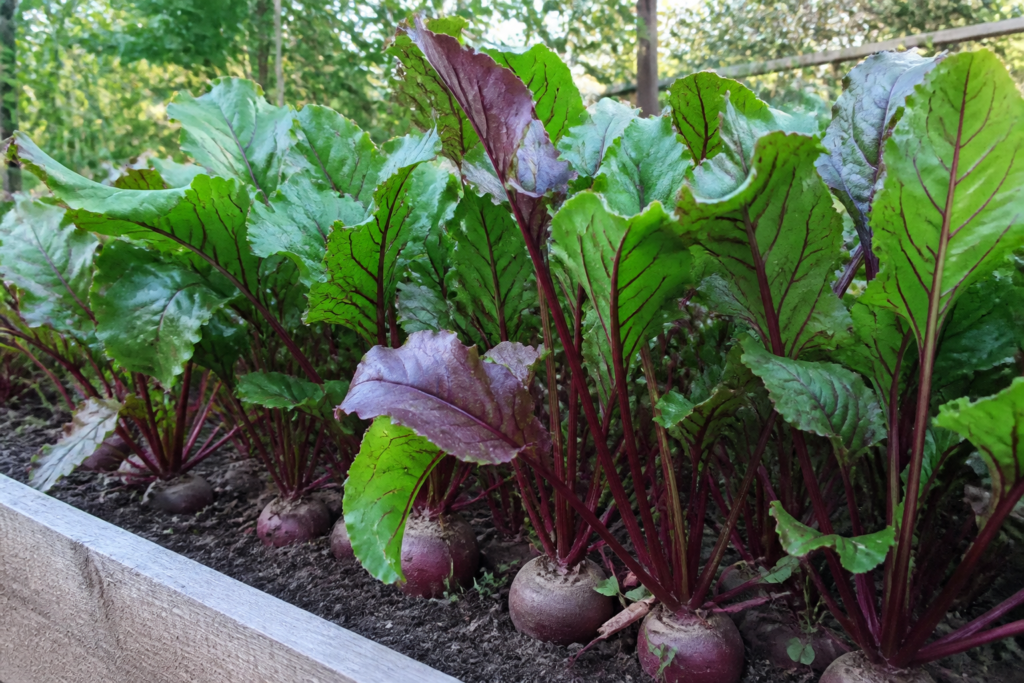
Beets are a cool-season crop with two useful harvests in one planting: tender greens early in the season and roots once the plants have had room to size up. They are usually direct-sown, tolerate light frost better than summer crops, and fit well into raised beds, in-ground rows, or deep containers. The important part is not chasing one perfect recipe. A beet planting succeeds when the soil is loose enough for roots to expand, seedlings are thinned promptly, and moisture stays reasonably even while the roots enlarge.
This guide is for gardeners who want a dependable sequence from seed packet to harvest. Local frost dates, variety maturity, soil texture, and unusual heat can change the schedule, so use the ranges below as starting points rather than promises. For a planting-date plan, see the seasonal beet timing guide.
Quick beet-growing reference
| Growing decision | Useful starting point | What can change it |
|---|---|---|
| Light | Full sun is the most dependable choice. | In hot climates, some late-afternoon shade can reduce stress, but dense shade slows root sizing. |
| Seed depth | About 1/2 inch in a fine, moist seedbed. | Very sandy or drying soil may need slightly deeper sowing; heavy or crusting soil benefits from shallower, careful coverage. |
| Final spacing | Usually 3 to 4 inches for medium roots. | Baby beets can be closer; larger varieties need more room. |
| Rows | About 12 to 18 inches apart in a traditional row. | Intensive beds can use a closer block layout if every plant still has root room. |
| Harvest window | Often 50 to 80 days from sowing. | Variety, weather, soil temperature, and the size you prefer all matter. |
Choose a site and a beet type that suit your space
Start with a spot that receives at least six hours of direct sun. Beets will make leaves in lighter conditions, but a well-lit site gives the roots the best chance to size evenly. Avoid a low area that stays wet after rain and a recently compacted edge of a lawn or path. Roots have to push through the soil, so a bed that looks tidy but is hard a few inches down can still produce small or uneven beets.
Read the seed packet before deciding how much room to give the crop. Round red varieties are the familiar all-purpose choice. Golden and striped types are grown in much the same way but may mature at a different pace. Cylindrical types benefit from a deeper, obstruction-free root zone. If your main goal is greens, you can sow a short row more densely and harvest young leaves; if the goal is storage roots, give each plant a consistent final spacing.
Plan the season around cool soil and workable beds
Beets are normally direct-sown. Seed can begin germinating in cool soil, but emergence is more reliable once the seed zone is no longer cold, soggy, or repeatedly freezing. A common starting window is a few weeks before the average last spring frost, provided the bed can be worked without forming clods or compacted smears. In a short season, early sowing helps; in hot-summer regions, spring and late-summer-to-fall sowings are often easier than trying to carry a crop through peak heat.
Rather than plant every seed at once, consider two or three small sowings about two to three weeks apart. That spreads the harvest, gives you a second chance if one planting struggles, and avoids a single oversized crop. Stop new sowings when the expected maturity period will run into sustained heat, deep freezes, or the end of your workable growing season. The beet planting guide explains how to work from local frost dates and soil conditions.
Prepare a seedbed that gives roots room to form
Good beet soil is loose, fertile, and well drained, but it does not need to be powdery. Remove stones, old roots, and hard clods from the top 8 to 10 inches where possible. Work only when the soil crumbles rather than sticking together in wet slabs. Finished compost can improve structure in many beds, especially where soil is sandy, depleted, or compacted. Fresh manure or poorly broken-down material is less useful immediately before sowing because it can create uneven pockets and encourage excessive leafy growth.
If you do not know your soil’s nutrient balance or pH, a soil test is more informative than adding a series of fertilizers by guesswork. Beets need nutrients, but repeated high-nitrogen feeding can push leaf growth ahead of root development. The practical goal is a prepared bed with steady fertility and no obvious obstruction. For a more detailed preparation sequence, use the Beet Soil Guide.

Sow carefully, then expect to thin
Make a shallow, straight furrow, sow seeds about 1/2 inch deep, cover them lightly, and firm the surface gently so seed and soil touch. Keep the top layer evenly moist until seedlings emerge. A hard crust can trap small seedlings, while a dry-then-soaked pattern can make emergence patchy. In warm weather, a light covering of fine compost or a temporary board laid over the row and checked daily can help keep the surface from drying; remove any cover as soon as seedlings begin to emerge.
What looks like one beet “seed” is often a small cluster, so multiple seedlings can rise from one spot. That is normal. When plants are a few inches tall and easy to handle, remove the weakest seedlings first. Then make a final pass once you can judge the stand. Aim for about 3 to 4 inches between plants for medium roots, widening the spacing for larger varieties. Do not postpone thinning until roots are crowded; spacing is a root-development decision, not only a cosmetic one. The beet thinning guide includes a two-pass method and spacing choices for baby versus storage-size roots.
Keep care steady while roots enlarge
Beets respond better to reasonably even care than to dramatic interventions. Water deeply enough to moisten the active root zone, then check the soil before watering again. How often that is needed depends on rainfall, soil texture, containers, mulch, and weather. Sandy beds dry quickly; clay can stay wet below a dry-looking surface. A 1 to 2 inch layer of fine organic mulch after seedlings are established can moderate moisture loss and keep weeds down, but keep it from burying tiny plants.
Weed early and gently. Beet seedlings compete poorly with fast weeds, yet deep cultivation near the row can damage roots. Hand-pull small weeds or use a shallow tool between rows while plants are young. If growth is pale and slow, review the soil test, moisture, and weed pressure before adding fertilizer. A one-time side-dressing may be appropriate when a soil test or clear deficiency points that way, but more fertilizer is not a universal fix for slow roots.
Choose the right growing method for your garden
In-ground rows work well where soil is already loose and deep. Raised beds are useful when native soil is shallow, rocky, compacted, or slow to drain; they also make it easier to create a fine sowing surface. In either method, do not pack soil down after planting. Containers can work for beets if they are at least about 10 inches deep, have drainage holes, and hold enough mix to stay moist between waterings. Use a quality potting mix rather than dense garden soil, and expect containers to need more frequent checks during warm or windy weather.
For any method, avoid trying to transplant mature beet seedlings. Direct sowing protects the developing root and makes spacing easier to manage. If you use a plug or biodegradable pot only because your season is very short, transplant while seedlings are very young and disturb the root as little as possible; results can be less uniform than direct seeding.
Read problems by pattern before changing care
| What you see | Likely checks | Useful next step |
|---|---|---|
| Many leaves, small roots | Crowding, shade, compacted soil, excess nitrogen, heat | Check spacing and root zone first; avoid another nitrogen application until the cause is clearer. |
| Patchy emergence | Dry seed zone, crusting, old seed, uneven depth | Keep the surface evenly moist and resow thin gaps while the season still allows. |
| Cracked roots | Dry-to-wet moisture swings | Mulch and water before the bed becomes deeply dry. |
| Slow, stunted plants | Weeds, cold wet soil, poor drainage, root disease | Inspect drainage and roots; rotate the crop next season if disease is suspected. |
If leaves are lush but roots remain small, do not assume one cause. Compare several plants, loosen soil beside one root, and review the planting date, light, spacing, and watering pattern. The small-root troubleshooting guide walks through this sequence in more detail.
Harvest roots and greens at the size you want
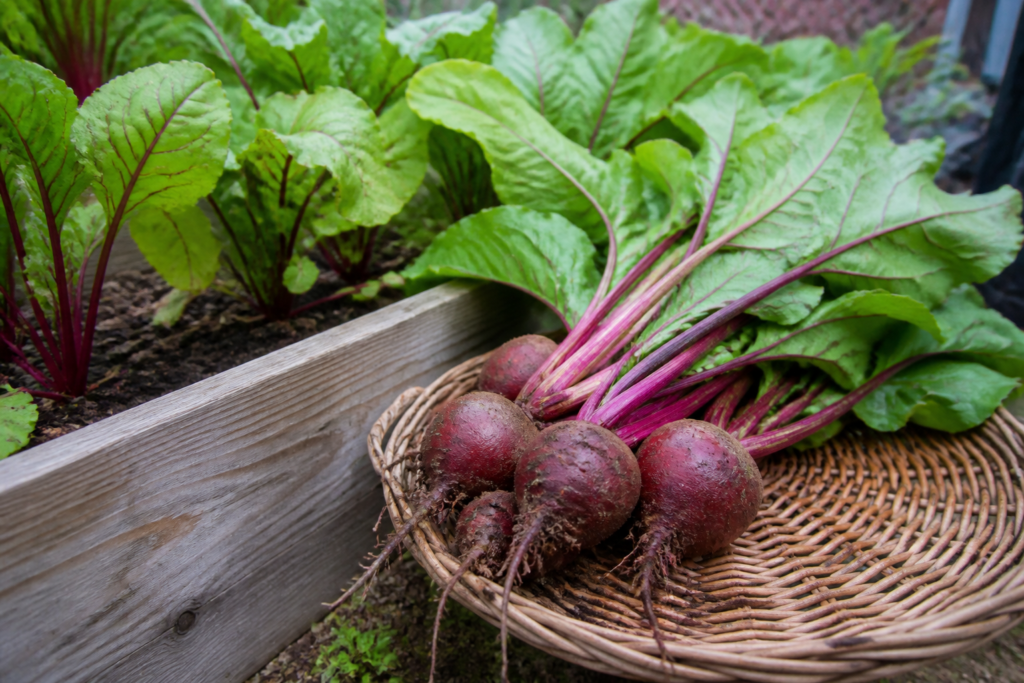
Days to maturity are a checkpoint, not a harvest command. Brush aside a little soil at the shoulder of a representative plant and judge the diameter against the variety description and your intended use. Small roots are often tender; very large roots can become firmer or more fibrous, especially after hot or dry weather. You can begin harvesting selected plants to thin the row and leave the rest more room to grow.
Loosen the soil with a garden fork or trowel beside the row before lifting, especially in heavier ground. Pulling hard on the foliage alone can break the tops off and leave the root behind. Twist or cut greens about an inch above the crown for storage, then cool roots promptly. Keep greens separately and use them sooner because attached tops draw moisture from the root. See When and How to Harvest Beets for storage choices and cold-weather harvest decisions.
Practical growing checklist
- Choose a sunny, well-drained bed with loose soil below the surface.
- Direct-sow into an evenly moist seedbed during a cool growing window.
- Thin clusters early, then set final spacing based on the root size you want.
- Keep water and fertility steady rather than alternating neglect with heavy inputs.
- Harvest a few roots early to check size and give neighboring plants more room.
Frequently Asked Questions
Can beets grow in containers?
Yes. Choose a container at least about 10 inches deep with drainage holes, use a loose potting mix, and keep moisture more consistent than you would in a large bed.
Why do beet seeds produce clumps of seedlings?
Many beet seed units contain more than one embryo, so more than one seedling may emerge from a single spot. Thinning those clusters is expected and helps each remaining root develop.
Can I eat beet greens?
Yes. Harvest a few young outer leaves at a time from established plants, or use thinnings as tender greens. Avoid stripping too many leaves from plants you want to grow for large roots.
