


I have always found that raised beds give a garden real structure once the plants start to spread and fill in around them.
Cedar tends to age into a softer gray that blends with the rest of the yard instead of standing out as something new.
When I lay out my own beds I usually mark the paths first because that spacing decides whether the space stays workable after a season or two of growth.
Some designs look balanced in drawings but turn out hard to reach once the soil settles and the wood expands a little.
The beds that keep a simple rectangular shape with a low edge are the ones I would try first if I were adding more this year.
Cedar Raised Beds With Brick Edging

Cedar raised beds hold up well outdoors and give a garden a clean, structured look without feeling too formal. The warm wood tone blends easily with most homes and softens the edge between planting areas and paths.
Brick edging helps keep the gravel contained while adding a simple border that lasts for years. This setup works best along walkways or in side yards where you want defined beds that still feel natural and low maintenance.
Cedar Raised Beds Stand The Test Of Time

Cedar holds up well in raised garden beds because it naturally resists rot and insects. That makes it a practical pick when you want beds that look good and keep working season after season without extra treatments.
It suits smaller yards or side gardens where you need sturdy growing space right next to a work area. Keep the beds at a comfortable height and leave room for paths so the whole setup stays easy to reach and maintain.
Cedar Raised Beds For Sloped Gardens
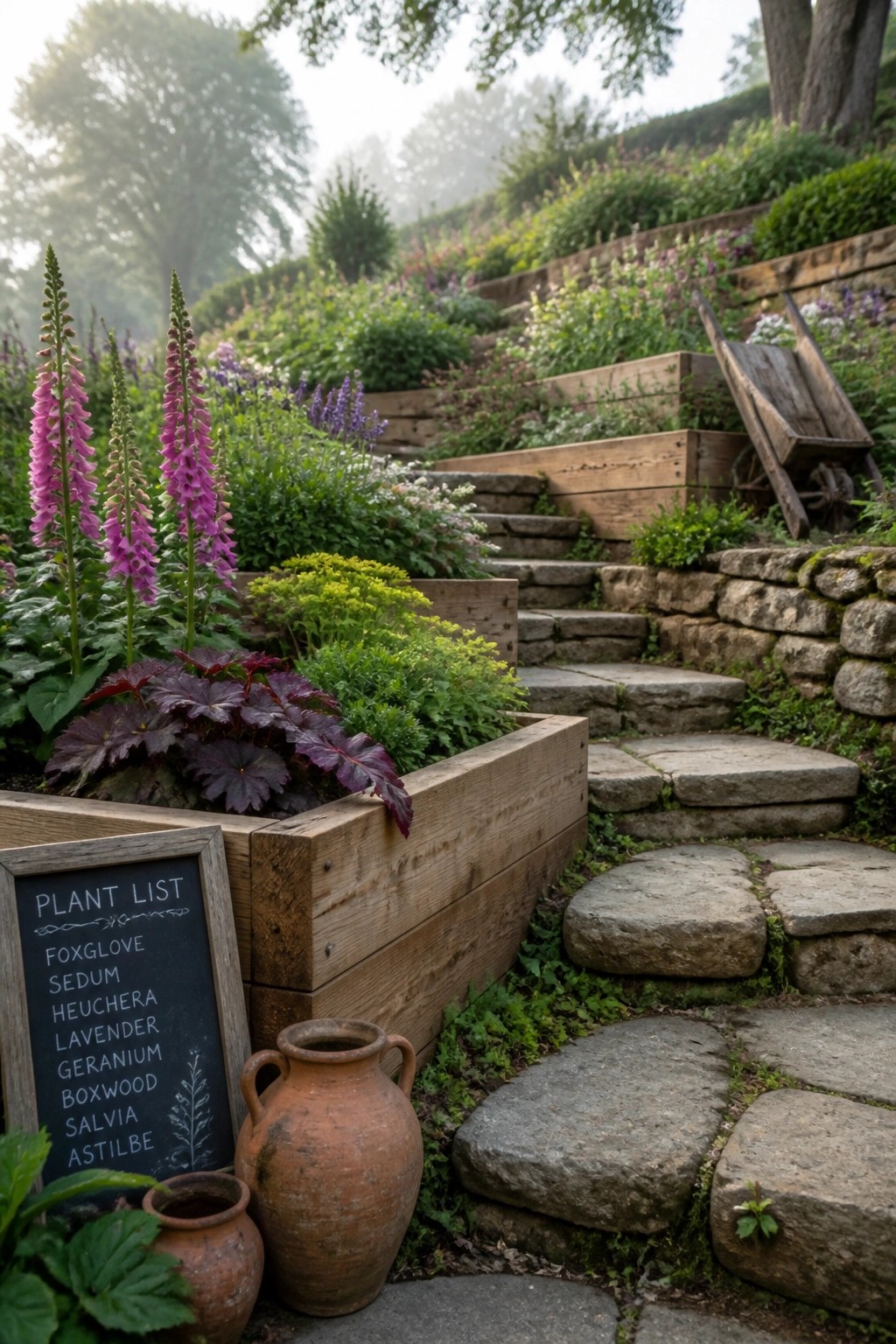
Raised cedar beds give you a simple way to garden on a slope without fighting erosion or uneven soil. They create flat planting areas that stay in place year after year, and the natural wood blends right into the landscape instead of standing out.
This approach works best on properties with gentle hills or existing terraces. Keep the beds at a comfortable height for reaching plants, and let stone steps handle the changes in level so you can walk through the garden without extra effort. Use untreated cedar so the boxes age gracefully alongside the rest of the yard.
Cedar Raised Beds Along Seating Areas

Many people run a long cedar raised bed right beside a bench or seating area on a deck. It creates a living border that softens the hard edges while giving you space to grow without needing extra pots or planters scattered around.
This works best on decks or patios where you want a simple division between planting and sitting space. Use straight cedar boards for the bed so it lasts and blends with the wood underfoot, and keep the height low enough that the plants do not block the view from the bench.
Cedar Raised Beds Define Garden Layouts

Raised beds made from cedar help keep a garden organized by giving each planting area a clear edge. The wood frames the beds neatly so paths and plantings stay separate without needing constant trimming.
This approach works best in larger yards where you want easy access for maintenance. Many people line the beds with gravel or stone paths so the whole space feels balanced and the wood can weather naturally over the years.
Cedar Beds Work Well In Narrow Yards

Cedar raised beds give you a simple way to grow plants in tight side yards where digging directly into the ground is not practical. The wood holds the soil in place and creates a clear planting area that stays neat along walls or fences.
These beds suit homes with limited outdoor space because they can be built to match the length of the area and still leave room to walk. Just make sure the bed height allows easy reaching from one side and choose a width that fits your path.
Cedar Raised Beds Next To Outdoor Dining

Cedar raised beds work well when set right beside a patio table or seating area. The wood brings a simple garden edge close to where people gather, and it keeps the plants at a height that feels easy to reach without crowding the space.
This setup suits homes with stone patios or small yards where you want some planting without losing room to walk or sit. Keep the beds fairly narrow and choose herbs or low shrubs so the area stays open and practical.
Cedar Raised Beds Add Lasting Definition to the Garden

Raised cedar beds give a garden clear shape without looking too formal. The wood ages to a soft gray that blends with the plants and the ground around it. Many people like how the beds keep soil contained and make weeding simpler over time.
They work well along paths or on slopes where flat ground is limited. Just be sure the beds sit level and get decent sun. Cedar holds up better than most softwoods, so the structure stays solid for years with little extra care.
Cedar Raised Beds On a Balcony

Cedar raised beds give a balcony a simple way to grow herbs and vegetables without needing a full yard. The wood holds up well outdoors and keeps the soil neat in a small space.
Set two or three beds along the edge and leave room for a table and chairs nearby. They suit city balconies with solid floors and at least a few hours of sun each day.
Cedar Raised Beds For Pool Borders

Cedar raised beds give a pool area a clean edge without looking too built up. The wood holds the soil and plants in place so the landscaping stays neat right next to the water. Many people like how the natural tone of the cedar blends with the surrounding grass and shrubs.
These beds work best in backyards where the pool sits close to the lawn. They keep taller grasses and lower plants from spilling over the paving while still letting you change the planting each season. Just make sure the beds sit level and use a liner if the soil stays damp.
Cedar Raised Beds Organize Vegetables Nicely
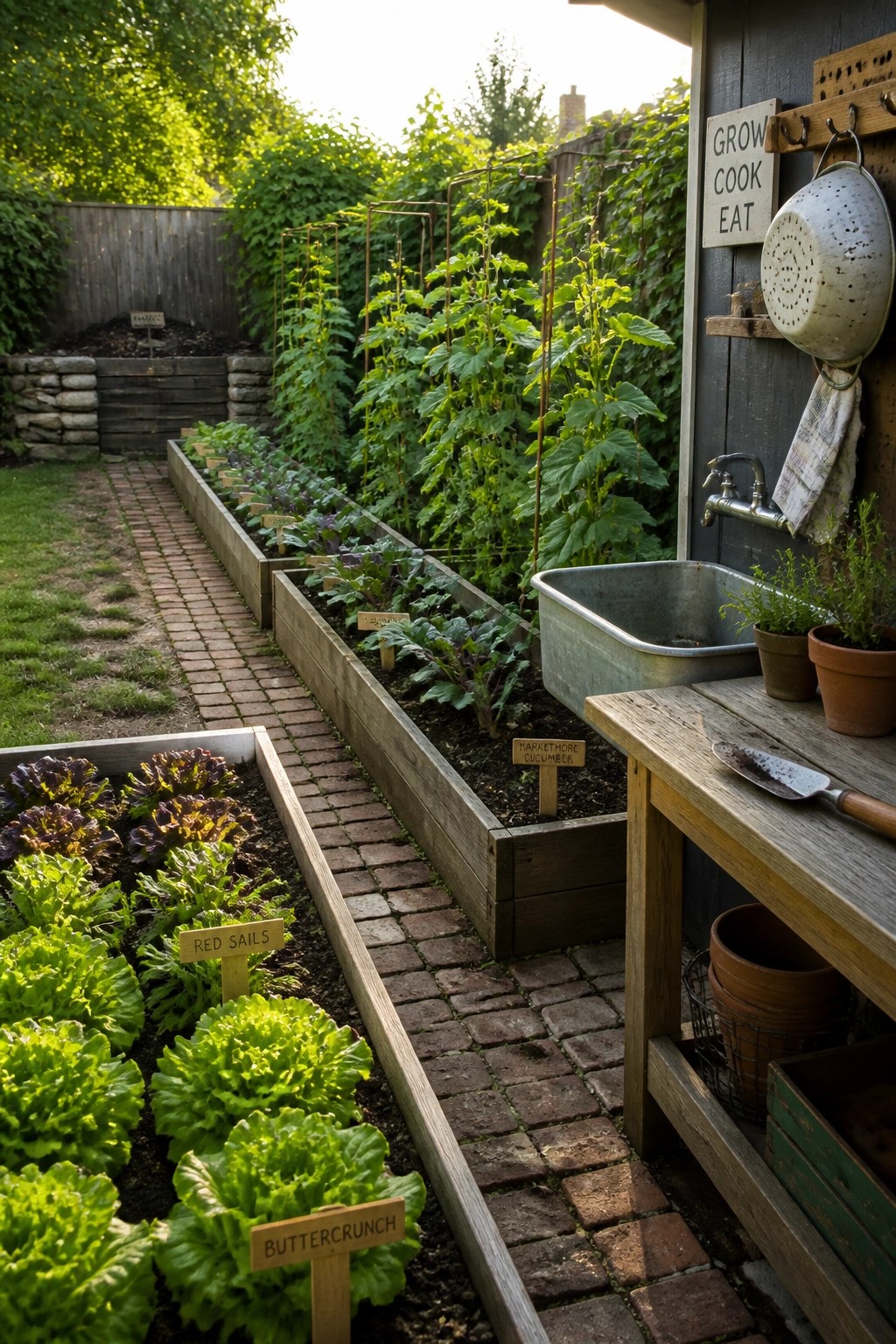
Cedar raised beds give you a clean way to grow vegetables without worrying about the wood breaking down quickly. The natural color blends into the garden and the material holds up for years even with regular watering.
Place them along a path so you can reach every bed easily from either side. This setup works best in smaller yards where you want to grow a lot without turning the whole lawn into a planting area.
Cedar Beds Along The Sidewalk
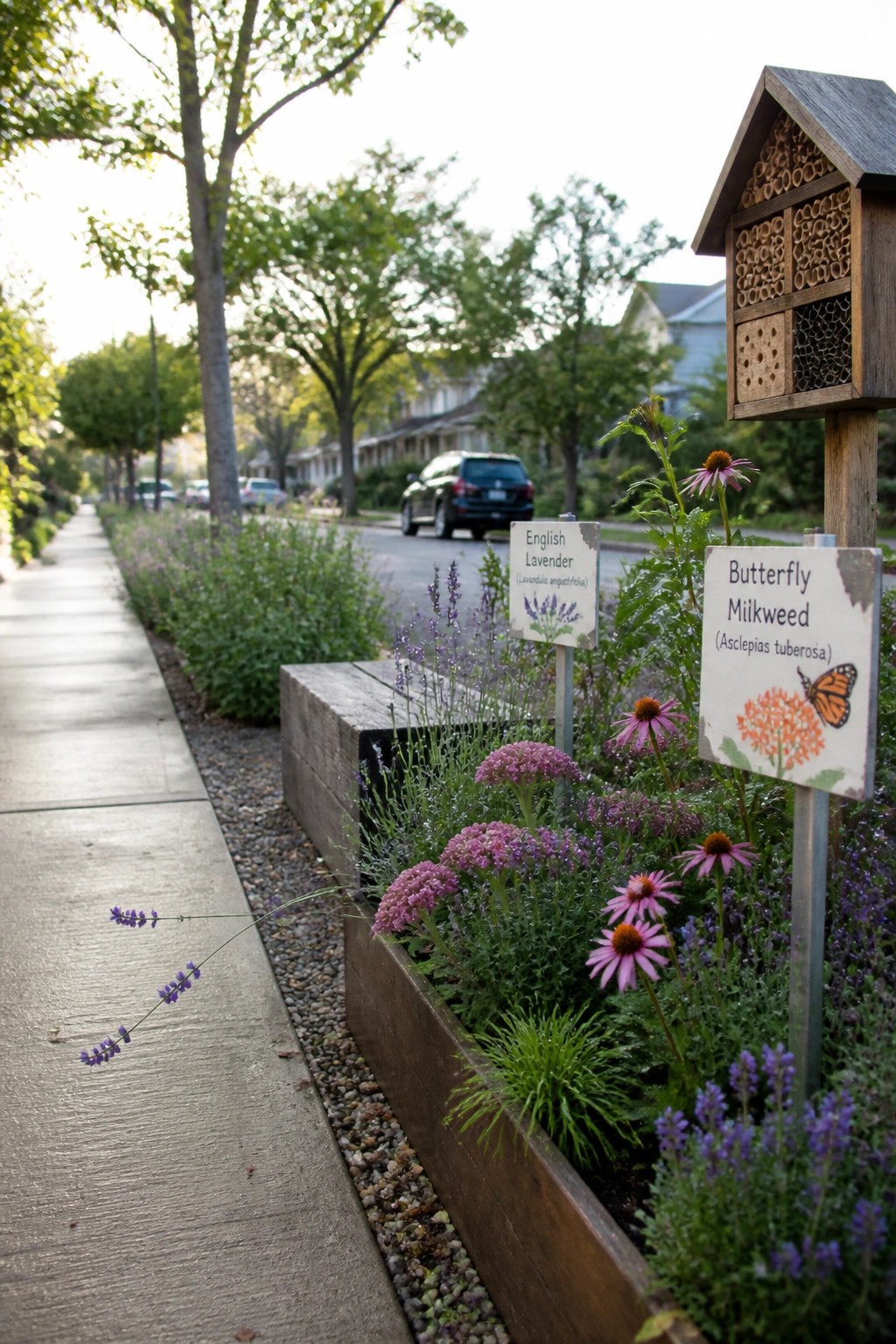
Cedar raised beds work well when you need to define a planting strip right next to a sidewalk. The wood gives a clean edge that keeps the garden from spilling onto the path, and it holds up to weather without much fuss.
This setup suits older neighborhoods where the space between the street and the walk is narrow. Keep the beds low enough to step over if needed, and choose plants that can handle some foot traffic and road dust.
Cedar Beds in Soft Curves

Cedar raised beds feel more natural when they follow a gentle curve instead of running in straight lines. The wood ages to a soft gray that sits quietly among the plants, and the rounded shape helps the beds blend into the rest of the yard instead of cutting across it.
This layout works best on slightly sloped sites or gardens that already have winding paths. Keep the beds low and let the planting spill over the edges a bit so the whole area reads as one flowing space rather than separate boxes.
Raised Beds Along Stone Paths

Raised beds placed right next to a stone path give the garden a clear shape without looking too formal. The wood edges keep soil contained and make it easier to maintain the planting areas over time.
This works best in smaller yards or side gardens where you want a simple layout that still feels natural. Cedar holds up well in this setting and pairs easily with gravel or pavers for drainage.
Cedar Beds for Family Yards

Cedar raised beds give a garden clear edges that hold up when kids are running around nearby. The wood stays sturdy through seasons of watering and play without needing constant fixes.
These beds work best in yards where the garden shares space with swings or slides. Keep the layout simple so there is still room to move around the beds and add tools like a small compost bin close by.
Cedar Raised Beds Along Stone Patios

Raised beds made from cedar work well when they sit right at the edge of a patio. The wood ages to a soft gray that pairs easily with stone paths and pavers, and the beds give you a clear planting zone without making the space feel chopped up.
Place them where you already have seating so the plants are close enough to enjoy but not in the way. Keep the beds at a height that lets you reach the soil without stepping onto the patio surface, and choose simple straight boards rather than fancy trim so the focus stays on the plants.
Cedar Raised Beds Along Entry Steps

Cedar raised beds work especially well when set right against the base of front steps. They give the entry a structured look while letting plants spill over the edges in a natural way. The wood ages to a soft gray that pairs nicely with brick and painted trim.
This setup suits homes with low to mid-height steps and a fairly open front approach. Keep the beds at a consistent height so the planting feels like part of the architecture rather than an afterthought. A simple mix of low shrubs and seasonal flowers is usually enough.
Cedar Raised Beds Inside a Greenhouse
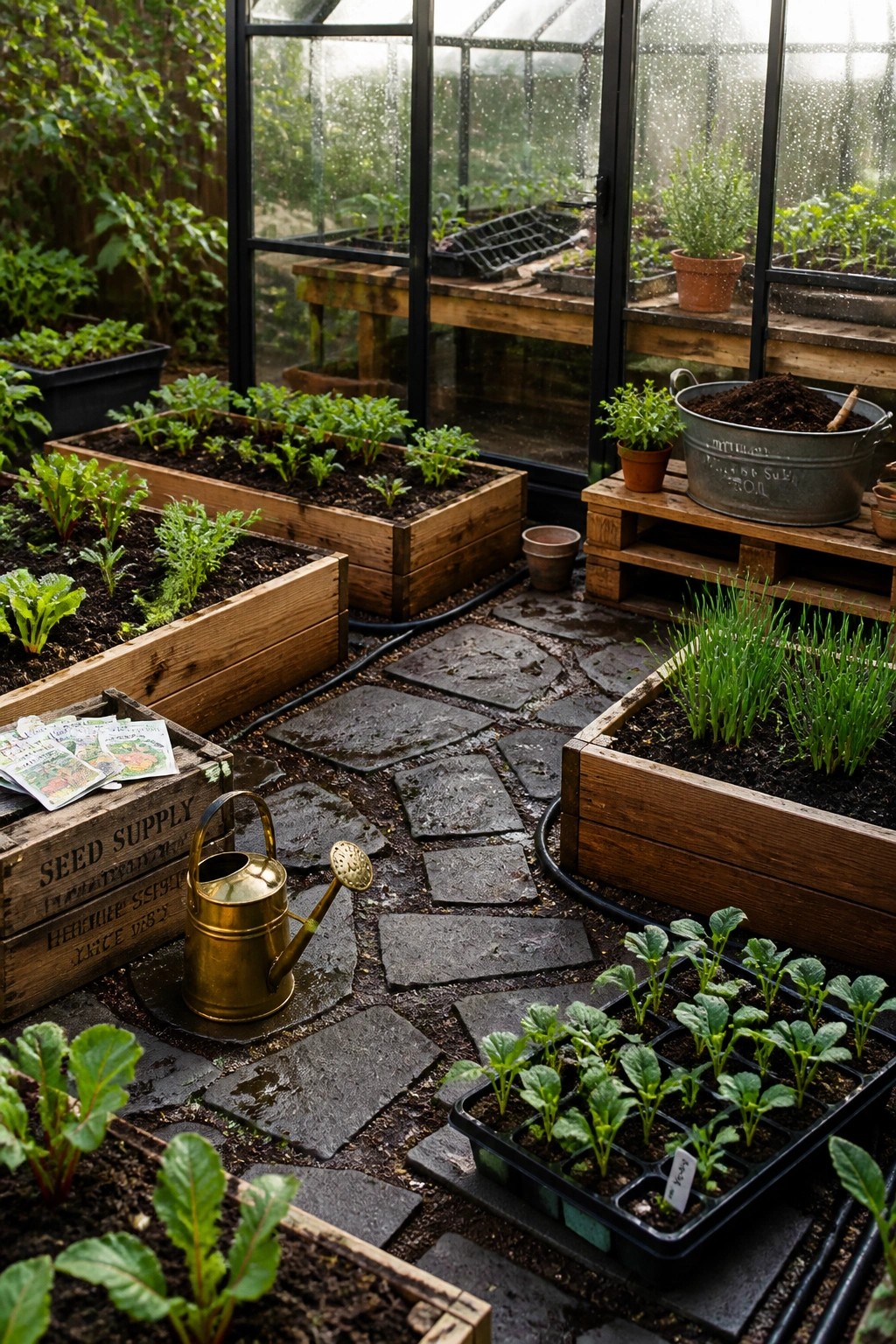
Cedar raised beds fit naturally into a greenhouse because the wood holds up to constant moisture without rotting quickly. Many gardeners like the way the beds keep soil contained and make it easier to reach plants without bending over as much.
They work best when placed along a simple stone path so there is room to walk between them with trays or tools. This setup suits anyone who wants a longer growing season and prefers a material that ages well without much upkeep.
Cedar Beds Along a Narrow Path

Cedar raised beds give you a simple way to add planting space without crowding a tight side yard. They keep the soil in place and create a clear boundary so the path stays usable even when the beds fill in with taller growth.
This works best in long, narrow areas where you want some greenery but still need room to move through. Line the beds with gravel for drainage and add a few vertical screens if you want extra privacy from neighbors.
Cedar Works Well For Raised Garden Beds

Cedar raised beds give a garden clear shape without looking too formal. The wood ages to a soft gray that blends with plants and soil, and it holds up for years even when it stays in contact with damp ground.
These beds work best in vegetable gardens or mixed planting areas where you want easy access and good drainage. Keep the wood untreated so it stays natural, and place them on level ground with mulch paths between them to reduce weeds and make maintenance simpler.
Cedar Raised Beds Along the Patio

Cedar raised beds give a patio a clear garden edge that feels natural instead of added on later. The wood holds up well outdoors and keeps the plantings contained so the seating area stays open and easy to walk around. It works especially well when the beds sit low and run along one side of the paved space.
This setup suits homes with a simple stone or concrete patio that needs a bit more planting without losing the open feel. Place the beds where they catch good light and keep the plant choices fairly low so the wood remains the main feature. Avoid crowding the beds right up against seating if you want easy movement through the space.
Cedar Raised Beds for Small Space Herb Gardens

Cedar raised beds hold up well outdoors and give herbs room to spread without crowding each other. The wood keeps the soil contained and drains properly, which helps plants stay healthy even in a tight corner.
These beds work best along a wall or fence where you can stack a couple of levels. Place them near a water source and keep the rows shallow enough to reach everything from one side.
Cedar Raised Beds Bring Lasting Structure To The Garden

Cedar raised beds give a garden clear edges that still feel natural. The wood holds up for years without much fuss, and it settles into a soft gray tone that blends with the plants around it.
They suit vegetable gardens or mixed flower beds on any plot that gets steady sun. Keep the soil well drained and the beds will stay solid without needing constant repairs.
Cedar Raised Beds Along Outdoor Seating

Cedar raised beds work well when placed right next to patio seating because they add planting space without crowding the floor area. The wood ties into the bench and decking so the whole spot feels like one built structure instead of separate pieces.
This setup suits homes with small or medium patios where you want some greenery close at hand. Keep the beds at bench height so they act as a low wall and make sure the cedar is sealed if your climate gets heavy rain.
Cedar Raised Beds Around A Patio Lounge

Cedar raised garden beds give a patio or terrace a settled garden feel without needing a full yard. They keep the planting neat and contained while the wood ages to a soft gray that fits right in with outdoor furniture.
These beds work best on rooftops or decks where you want greenery close to the seating area. Line them along the edges of the lounge zone so the plants soften the hard surfaces and create a loose border that still leaves room to walk around.
Frequently Asked Questions
Q: Should I treat the cedar with any sealant before filling the beds with soil? A: Leave the cedar bare. Sealants can trap moisture inside the wood and cause it to rot faster than if you let it weather naturally.
Q: How deep should the soil go in these beds for most vegetables? A: Fill them at least 12 inches deep. That gives roots room to grow strong without hitting the bottom too soon.
Q: What if the wood starts to gray after a couple seasons? A: That gray look is normal and does not hurt the strength. You can lightly sand the surface if you want to bring back some color, but most people just leave it.
Q: Can I stack two shorter beds to make one taller? A: Bolt them together at the corners with stainless screws. This keeps everything stable without needing extra lumber.
