


I have seen how raised beds help shape a garden by creating distinct zones that keep different plants from overtaking each other and make crop rotation much easier to track.
The layout becomes clearer when the beds form natural divisions, which also improves access for weeding and harvesting without stepping on the soil.
Small details like bed height and alignment matter more than most people realize at first because they affect how the whole space feels over time.
I plan to try this approach in the back corner first.
In practice the zones end up guiding daily decisions about what to plant where and how to expand without losing the overall structure.
Raised Beds That Keep Planting Zones Organized

Raised beds work well when you want to divide a garden into clear sections for different plants. The beds sit side by side with a simple path running between them, so each area stays separate and easy to manage.
This layout suits smaller yards or anyone who likes things tidy. Build the beds at a workable height and leave enough space between them for walking and basic care.
Raised Metal Beds to Define Planting Zones
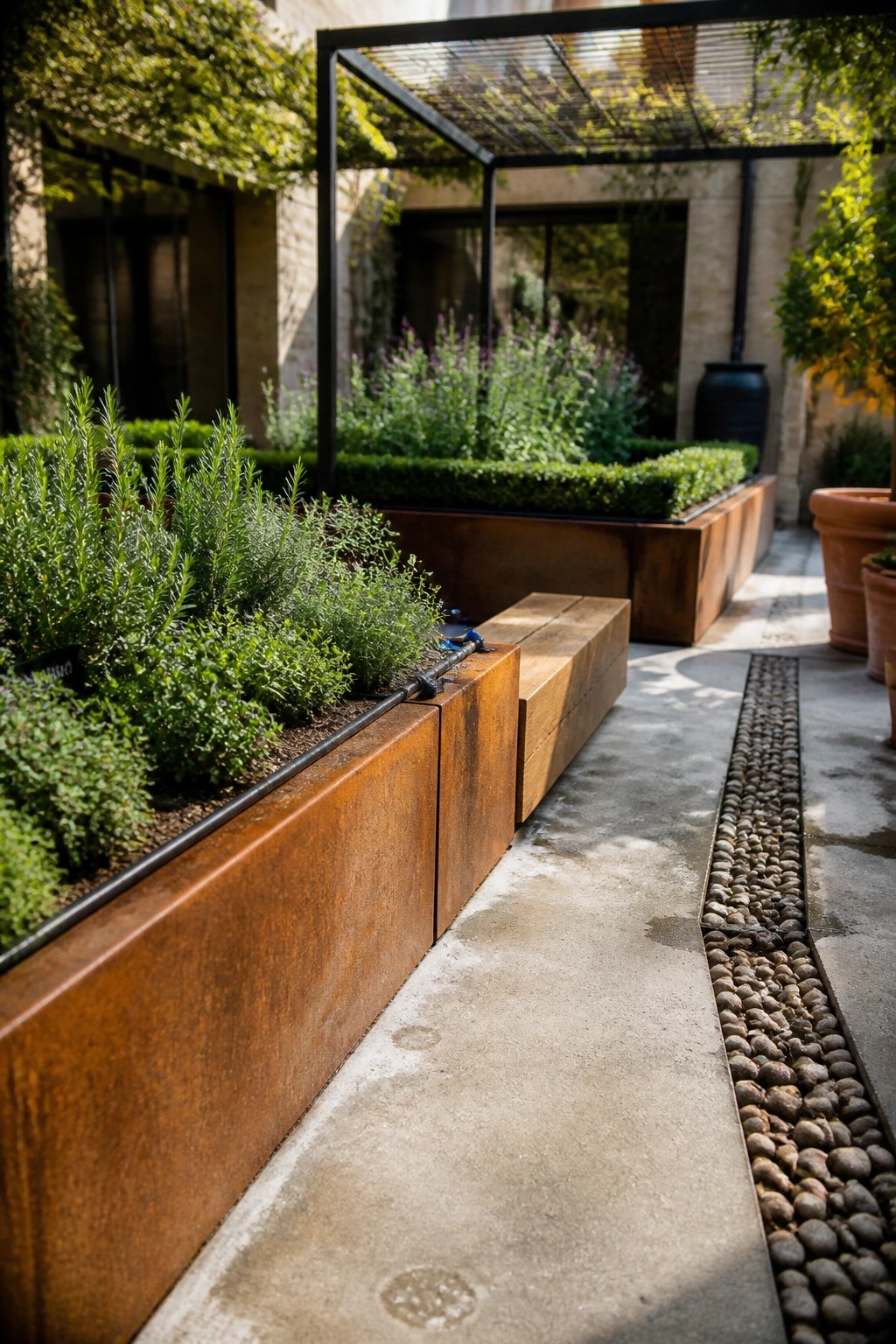
Raised metal beds give you a straightforward way to split a garden into separate growing areas without extra walls or fencing. The solid edges keep soil contained and make each zone feel intentional right away.
They suit smaller yards or side gardens where you want herbs in one section, vegetables in another, and flowers elsewhere. Pair them with a simple gravel path to keep maintenance low and movement easy between zones.
Stone Raised Beds to Define Garden Zones
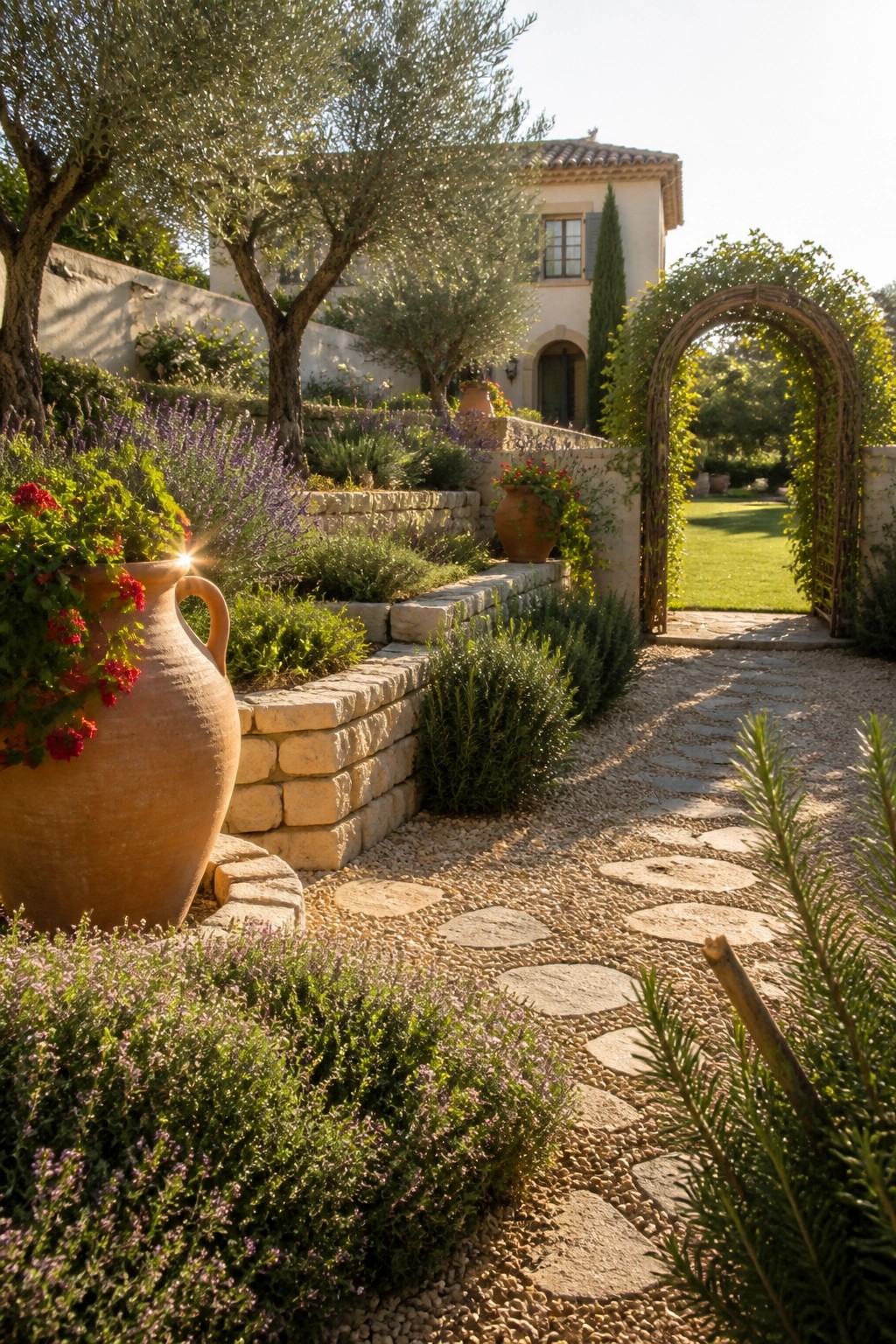
Raised beds built from stacked stone give a garden clear structure without looking too formal. They separate different planting areas so each zone can have its own soil mix and plant choices while still feeling connected through the path.
This works especially well on gentle slopes where the walls can hold back soil and create flat growing spots. Keep the stone simple and match it to any existing walls or paths so the beds blend into the rest of the yard rather than standing out as a separate feature.
Mark Plant Zones Clearly in Raised Beds
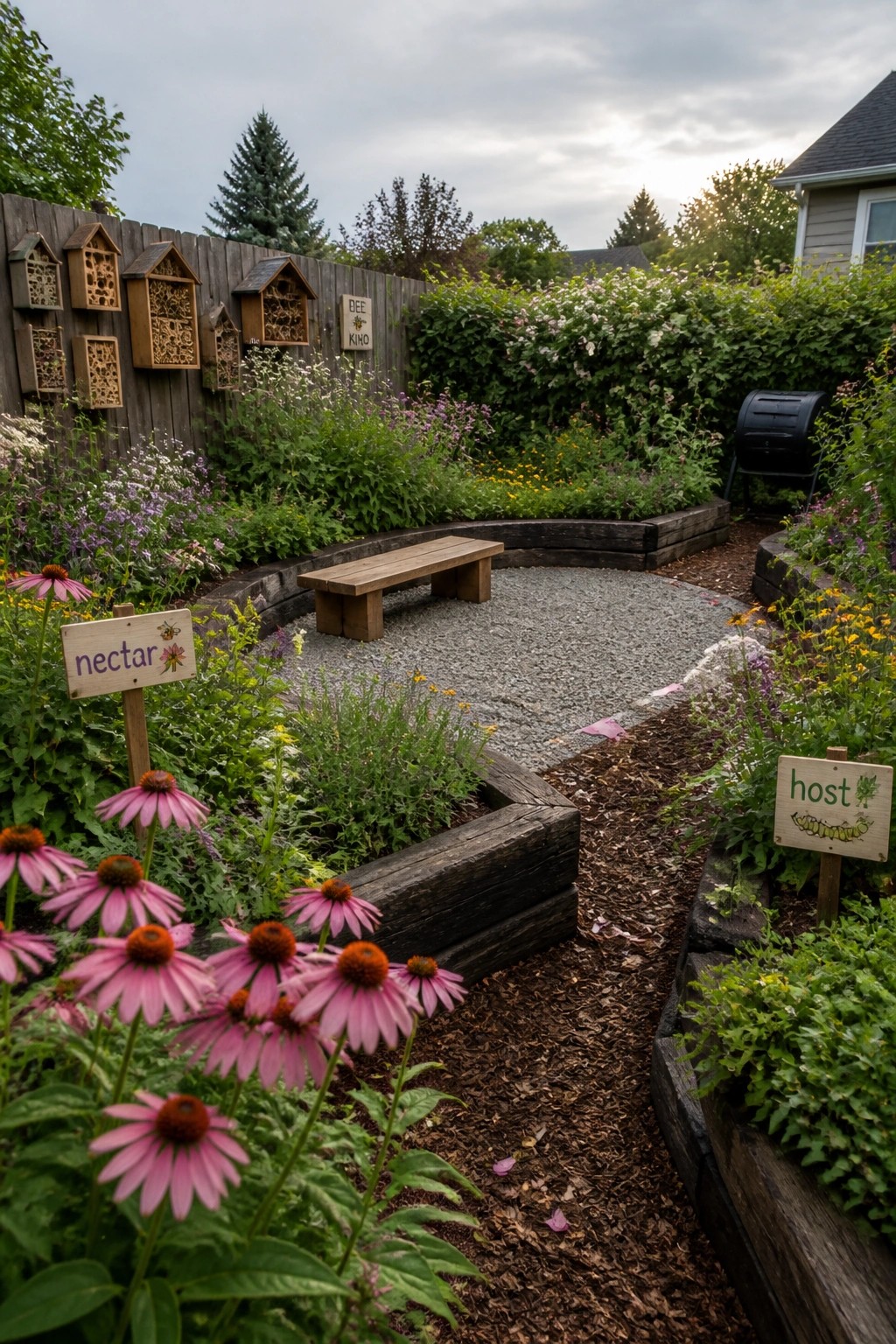
Raised beds make it easy to keep different types of plants apart, and adding simple labels takes that idea one step further. In this garden the beds are grouped by purpose, with one area marked for nectar plants and another for host plants. The signs help both the gardener and visitors know what belongs where without any guesswork.
This approach works well in smaller yards or community gardens where space is shared. Keep the labels basic and weatherproof, and place them where they are easy to read from the path. It cuts down on mix-ups during planting season and makes it simpler to care for each section on its own schedule.
Raised Metal Beds for Rooftop Growing Zones
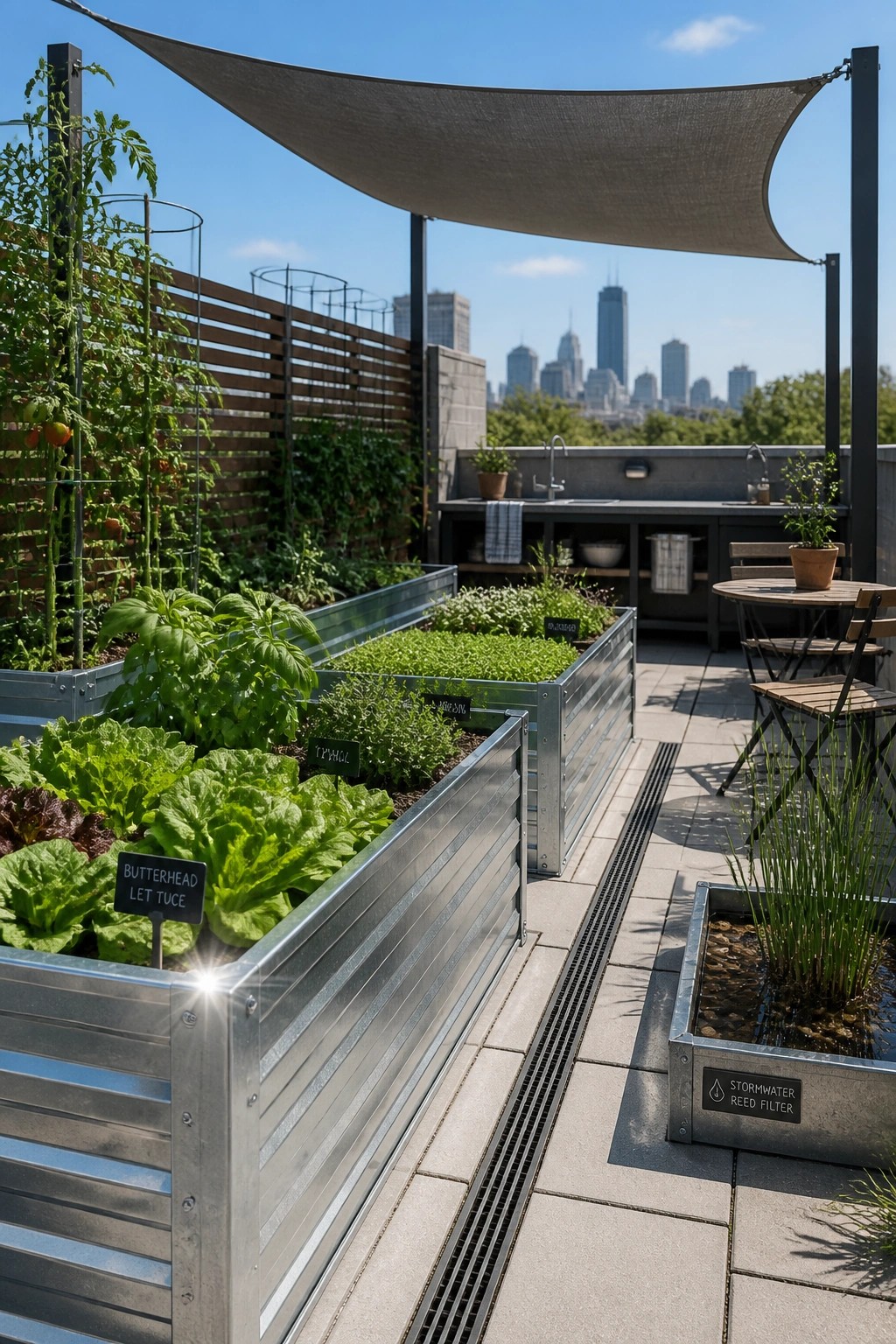
Raised metal beds make it simple to split up a garden into clear sections without needing walls or extra dividers. The straight edges and sturdy sides keep soil contained and plants from spreading into each other, which helps when you grow a mix of vegetables and herbs in one space.
This approach works especially well on rooftops or paved yards where digging is not an option. Line up a few beds in rows, leave walking space between them, and add small signs so it stays easy to manage over time.
Raised Beds That Define Separate Growing Zones

Raised beds made of stone work well when you want to keep different types of plants in their own clear spaces. The beds create natural divisions along the paths so vegetables stay in one area while flowers and herbs take another without mixing together.
This layout suits larger gardens where you need steady access between sections. Stone holds up over time and keeps the beds from shifting, though it does take some effort to install the first time.
Raised Stone Beds For Sloped Yards
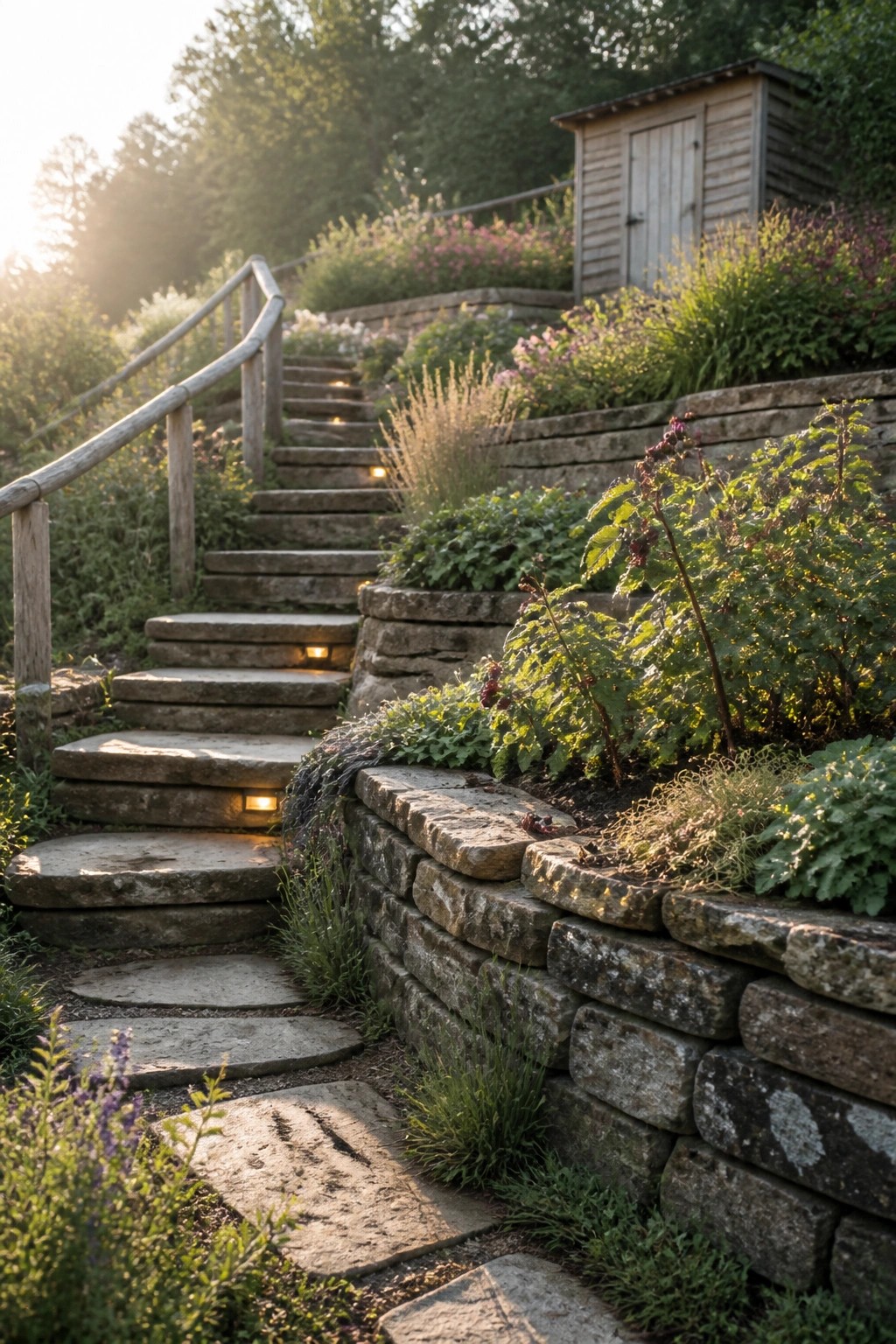
Raised stone beds work well when a garden sits on a slope because they hold soil in place while creating clear planting zones. The stacked stone gives structure without needing extra framing, and the beds keep different plants separated so nothing overruns the path or steps.
This approach suits homes with hilly lots where flat ground is limited. Build the beds from local stone so they blend with the site, and keep the height low enough that you can still reach the plants easily from the path.
Raised Beds That Define Clear Growing Zones
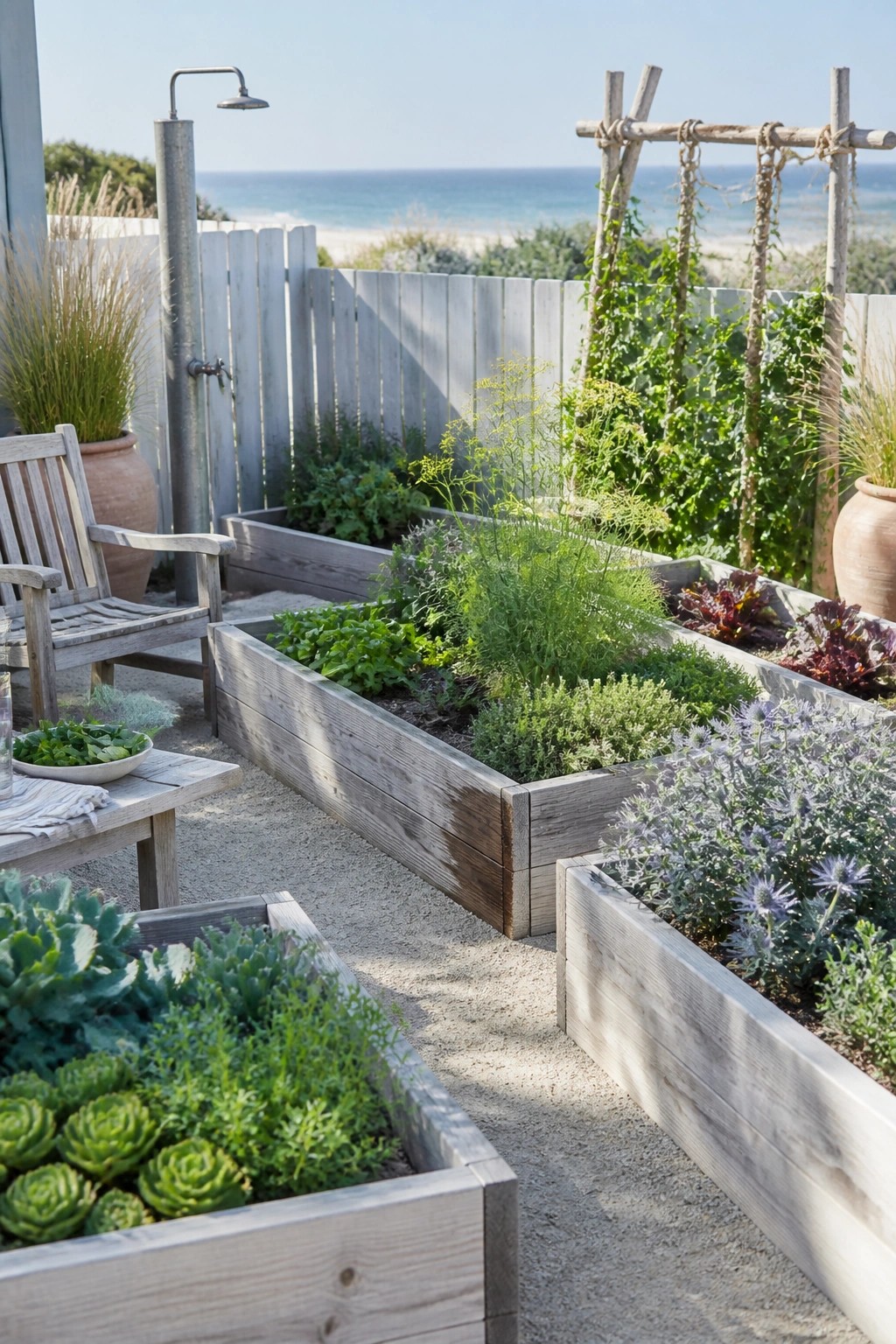
Raised beds give you an easy way to split up a garden into separate areas without building walls or fences. The beds here sit at different angles and heights, so each one holds its own group of plants and keeps the whole space from looking messy.
This works best in open yards or spots with loose soil where you need some order. Stick with simple wood frames and group plants by type or watering needs so nothing spreads where it does not belong.
Concrete Block Raised Beds For Defined Growing Zones
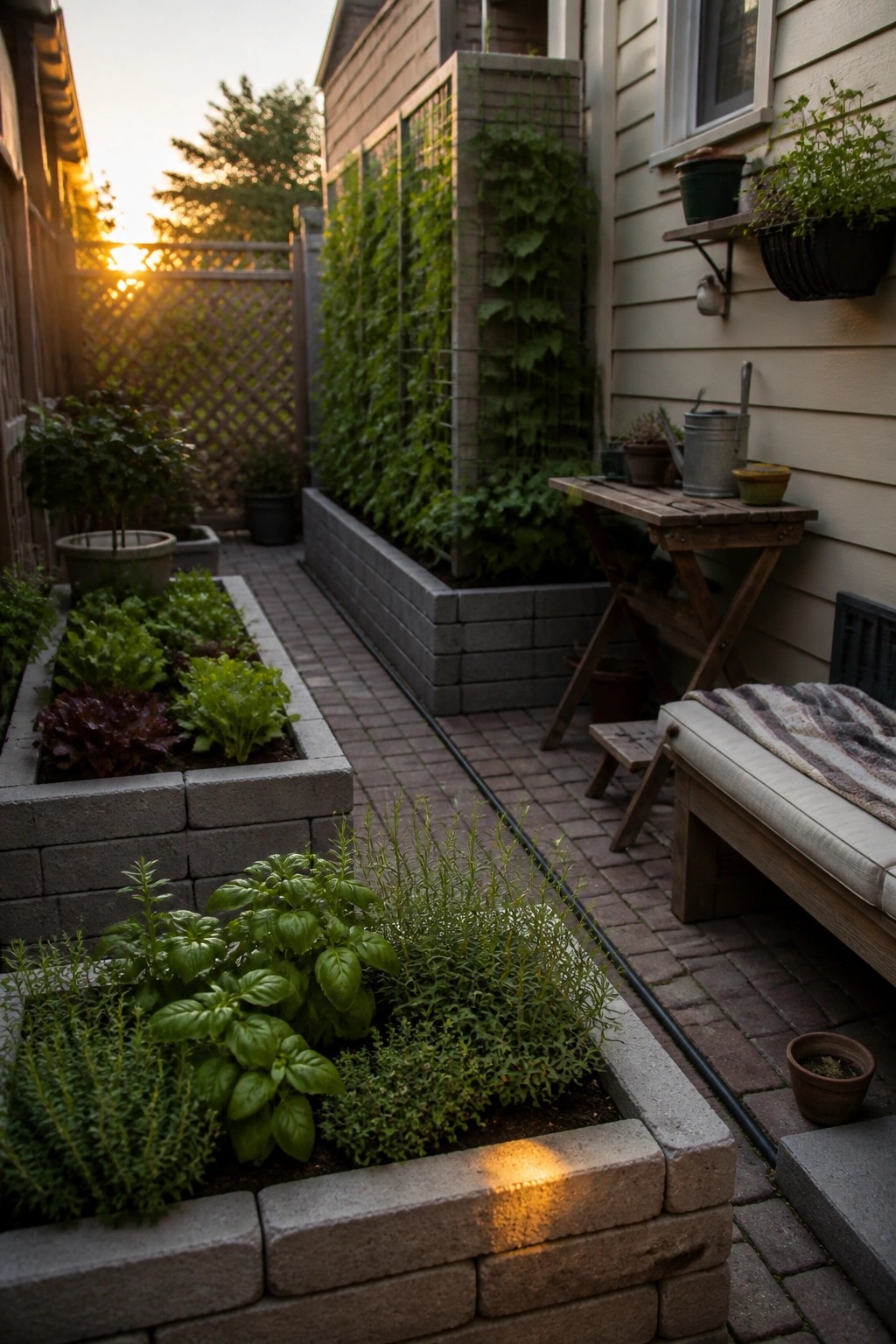
Raised beds built from concrete blocks give a garden clear structure, especially in narrow side yards or along paths. The blocks keep soil contained, make weeding easier, and create obvious zones for different plants without needing fancy materials.
This setup works best for homes with limited space where you want vegetables and herbs separated from other plantings. Stack the blocks to a comfortable height, line the inside if needed, and keep the path between beds wide enough for easy access. Just check that the blocks sit level so water drains properly.
Label Raised Beds to Keep Growing Zones Organized
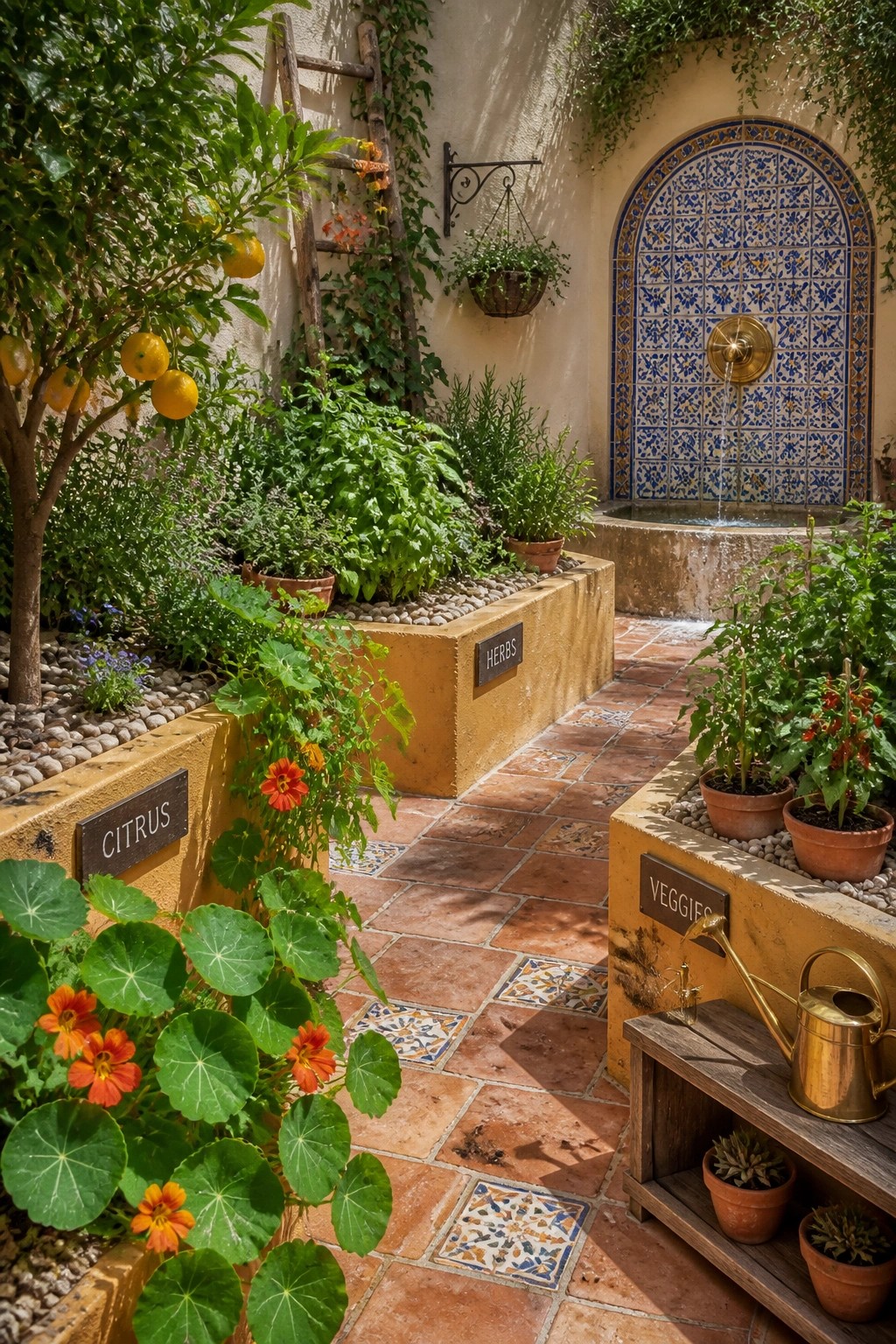
Raised beds work well when each one has a clear purpose, and adding a simple label makes that purpose easy to see at a glance. It stops different plants from crowding each other and helps you remember what needs what without guessing later in the season.
This approach suits smaller gardens or any space where you grow a mix of edibles in one area. Stick with signs that are easy to read and match the bed material so they do not feel out of place.
Modern Metal Raised Beds Along Garden Paths
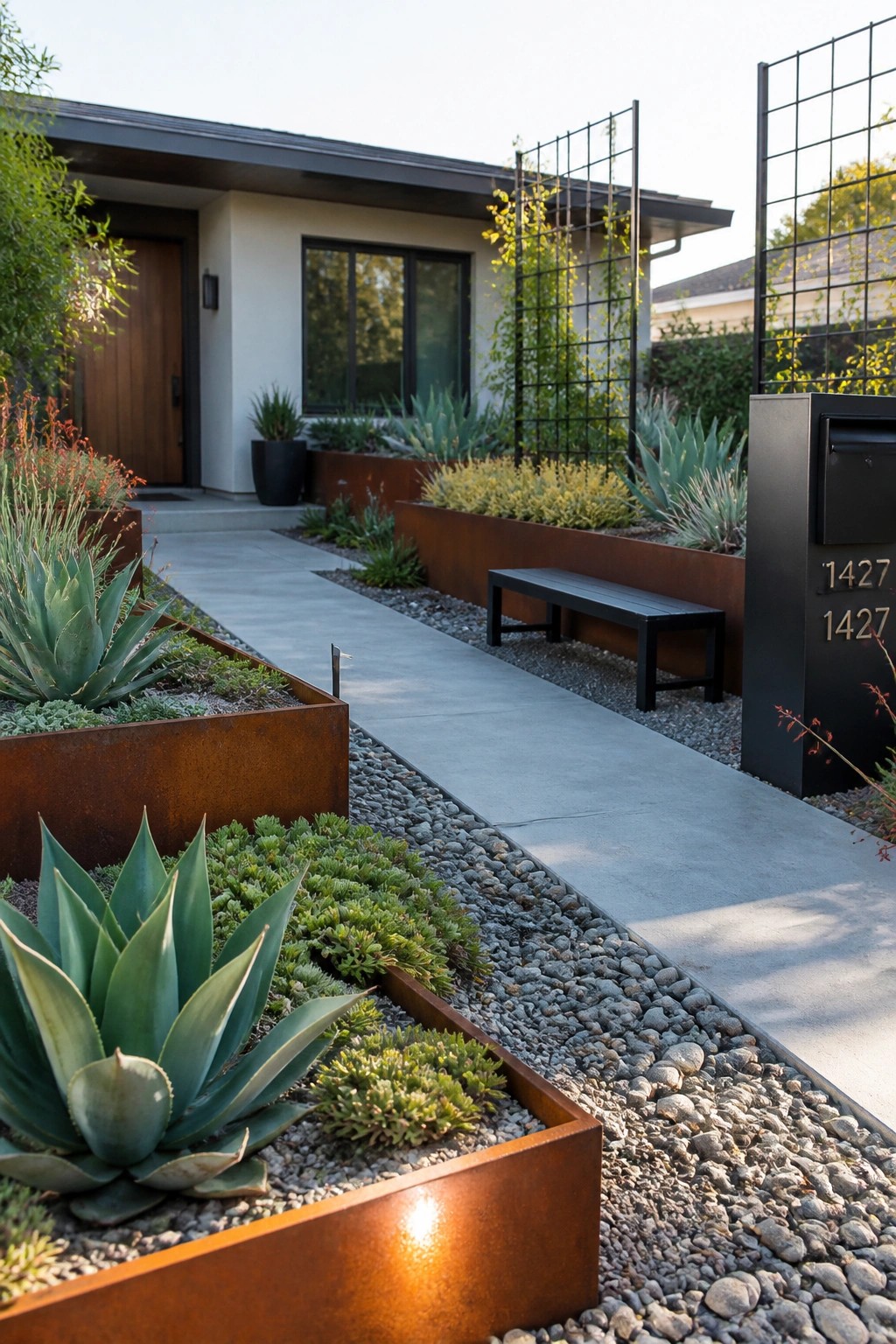
Raised beds made from metal give a garden clear boundaries without looking too formal. They help separate different plant groups and make the layout easier to manage over time.
This approach works well along paths or near the house where you want structure. Metal holds up in most climates and develops a nice patina, though it is best suited to modern or contemporary homes.
Raised Beds That Keep Garden Zones Separate

Raised beds make it simple to divide a garden into clear sections without building walls or fences. One bed can stay dedicated to herbs and salad greens while another holds only flowers for cutting. The labels help keep things organized and remind you which area needs what kind of care.
This works best in smaller yards where space is tight and you want to avoid plants competing with each other. Keep the paths between beds wide enough to walk through comfortably and choose a material that matches the rest of your outdoor space. Wood beds like the ones shown here blend in easily and still give each zone its own identity.
Raised Beds That Separate Growing Zones

Raised beds work well when they run in straight lines because they give each group of plants its own clear space. This keeps different crops from crowding each other and makes it simple to water and harvest without stepping on the soil.
This approach fits best in narrow side yards or along a fence where you want order without losing too much walking room. Keep the beds at a comfortable width so you can reach the middle from either side.
Tiered Raised Beds Keep Growing Zones Organized
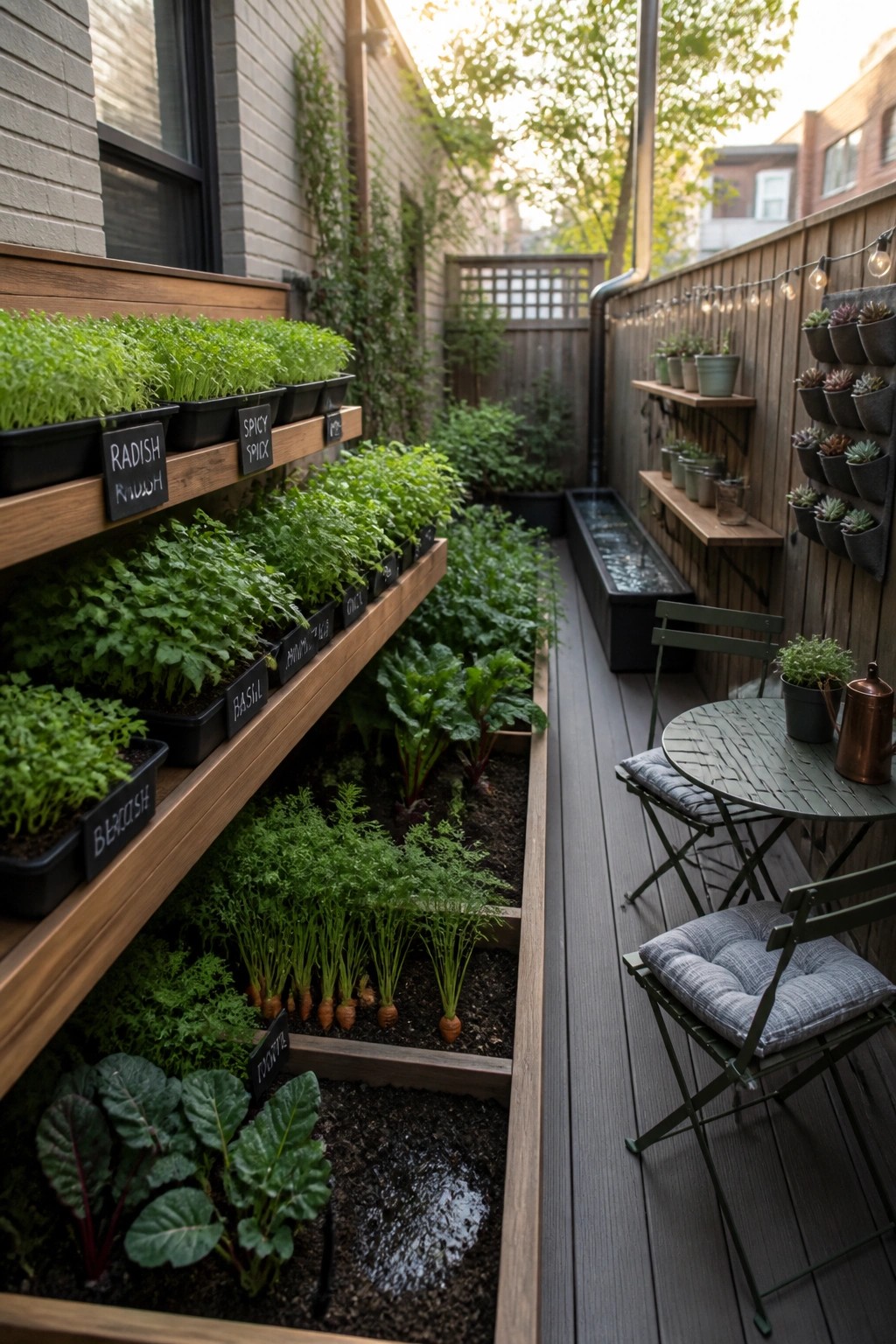
Stacking raised beds at different heights makes it easier to separate plants that need different care. The upper wooden shelves hold smaller pots while the ground level beds give root crops room to grow, so nothing gets crowded or overlooked.
This approach works best in narrow side yards or along a fence where space is tight. Use simple labels on each section so you remember what is planted where, and stick to a few materials so the whole area stays easy to maintain.
Raised Beds That Define Separate Garden Zones
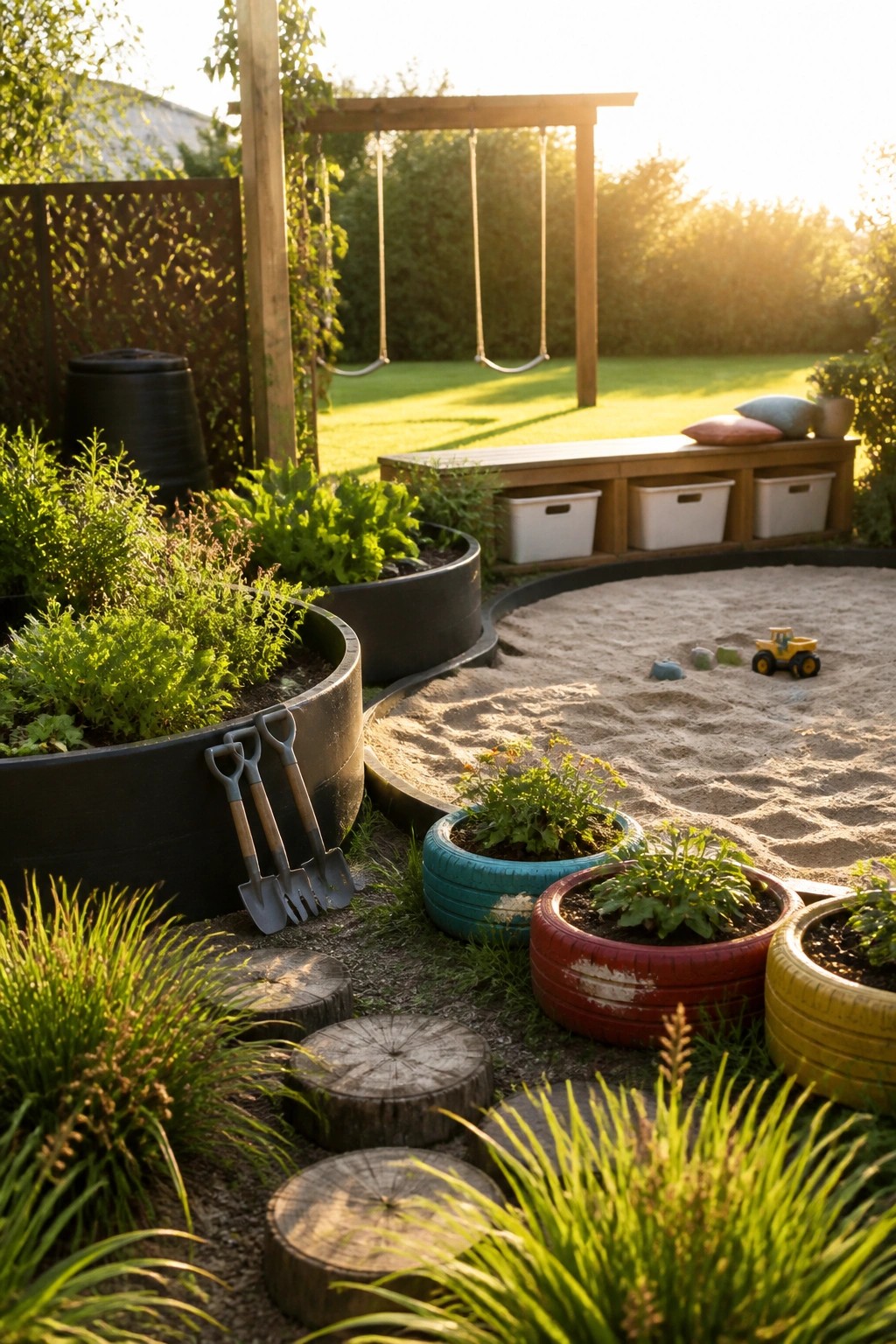
Raised beds help keep different parts of a garden from running into each other. Here the beds curve around a sandy play spot and hold vegetables and flowers in their own spaces, so the growing areas stay neat and easy to manage.
This approach works best in smaller yards that need to serve more than one purpose. Use simple materials like old tires or metal containers, and keep the beds at a comfortable height for weeding and watering without much bending.
Label Raised Beds to Separate Growing Zones
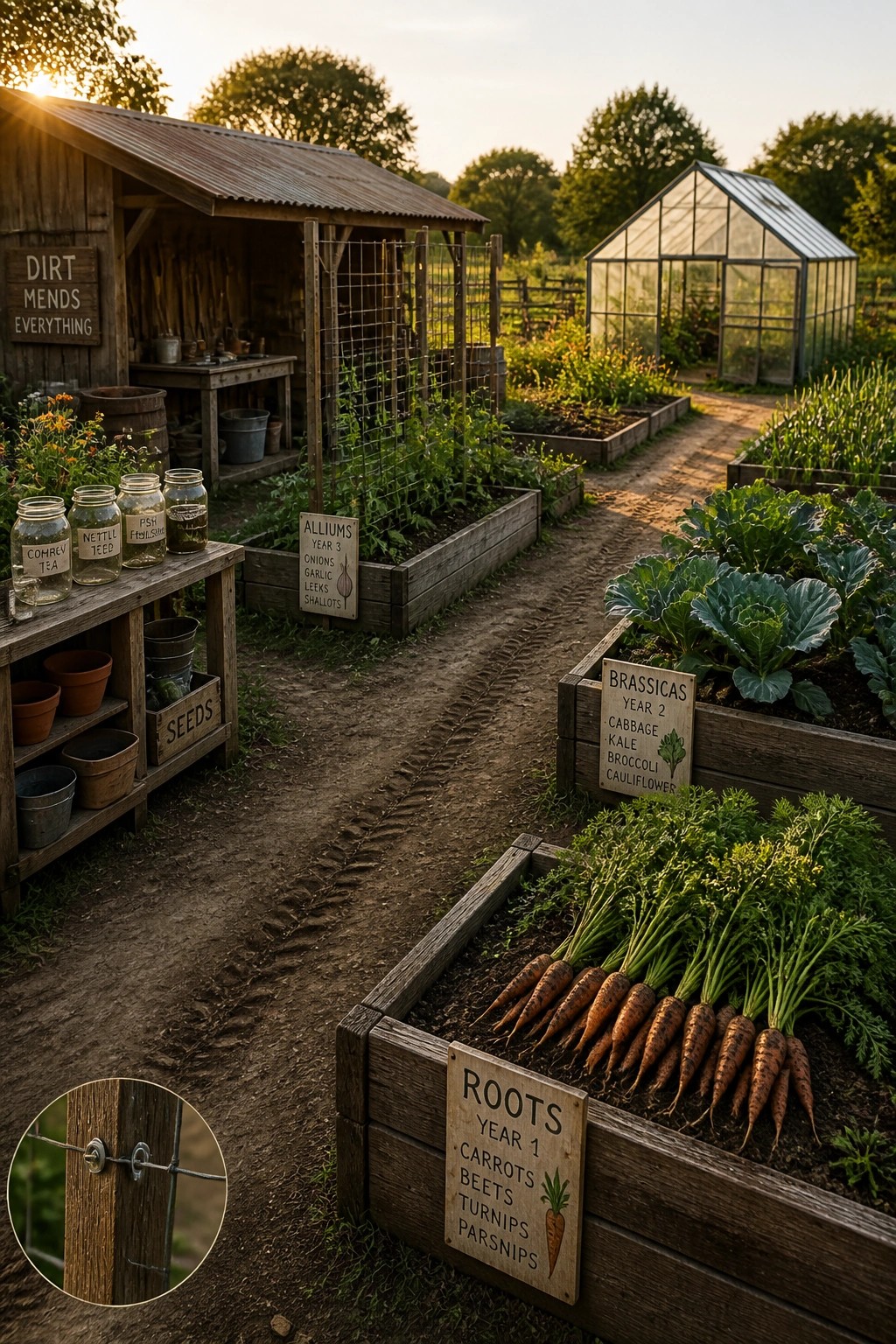
Many people like to keep their vegetable beds sorted by plant type. Signs on the front of each raised bed make it easy to see at once where the roots go, where the brassicas belong, and which section holds the alliums. This simple step cuts down on mix-ups and makes crop rotation feel less confusing.
It works best in gardens that grow a mix of vegetables year after year. Attach sturdy wooden plaques with the plant groups and a short list of examples. The approach suits anyone who wants a practical layout that stays readable from the path.
Raised Stone Beds Along Walkways

Raised stone beds give a garden path a clear edge and keep planting zones from spilling into the walkway. The low walls hold the soil in place while letting different plants grow together without looking messy.
This setup works best on homes with longer side paths or front walkways where you want some order but still room for flowers and shrubs. Keep the stone height modest so the beds feel like part of the garden rather than a barrier.
Raised Beds Define Growing Zones on a Balcony
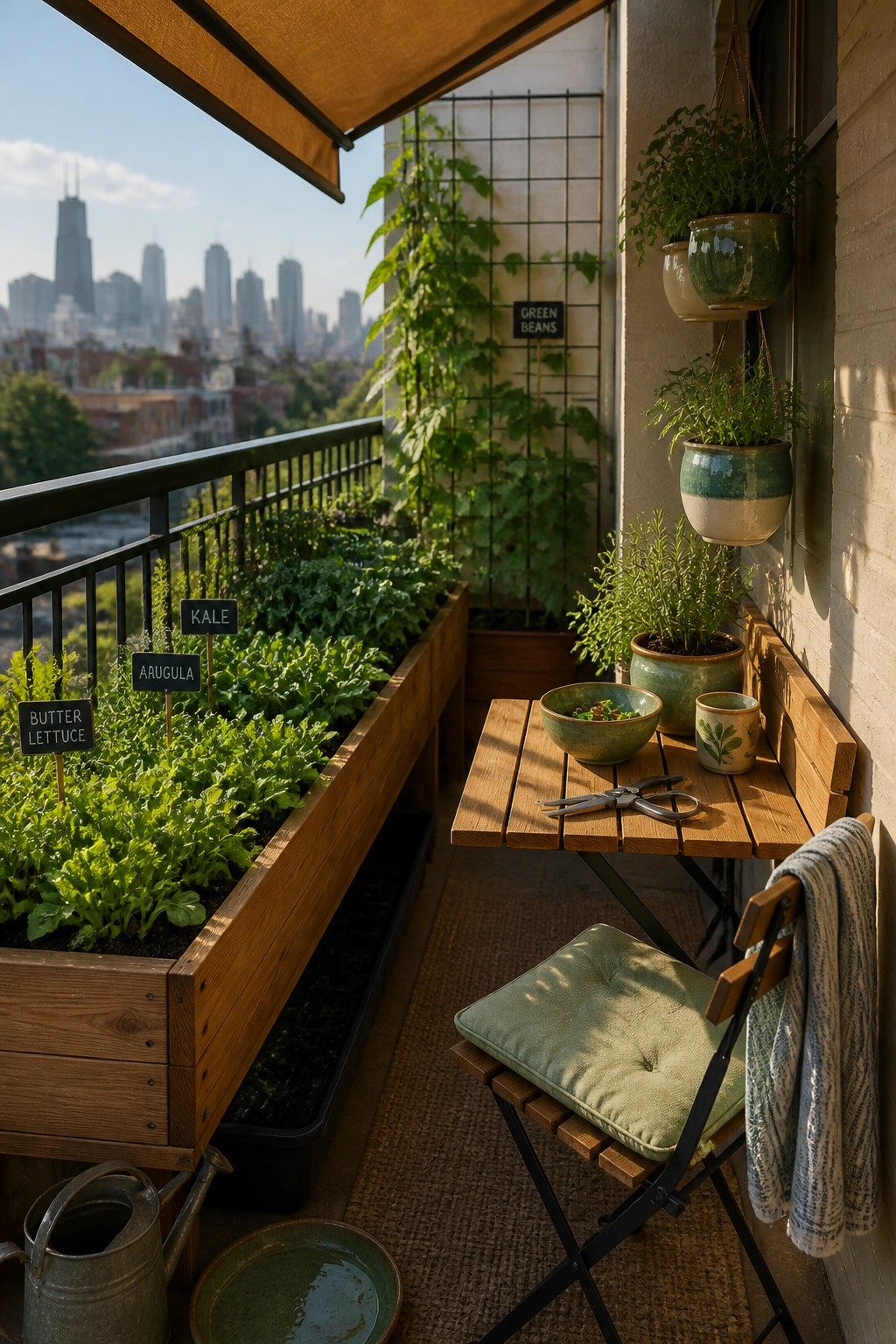
Raised beds give structure to a small outdoor space and keep different plants from mixing together. On a balcony this setup turns a narrow area into separate growing sections without needing a lot of extra work.
This works best for apartments or homes where floor space is tight. Keep the beds low enough to reach easily and check that the balcony can handle the added weight before filling them with soil.
Raised Beds With Stone Edges Keep Planting Zones Clear
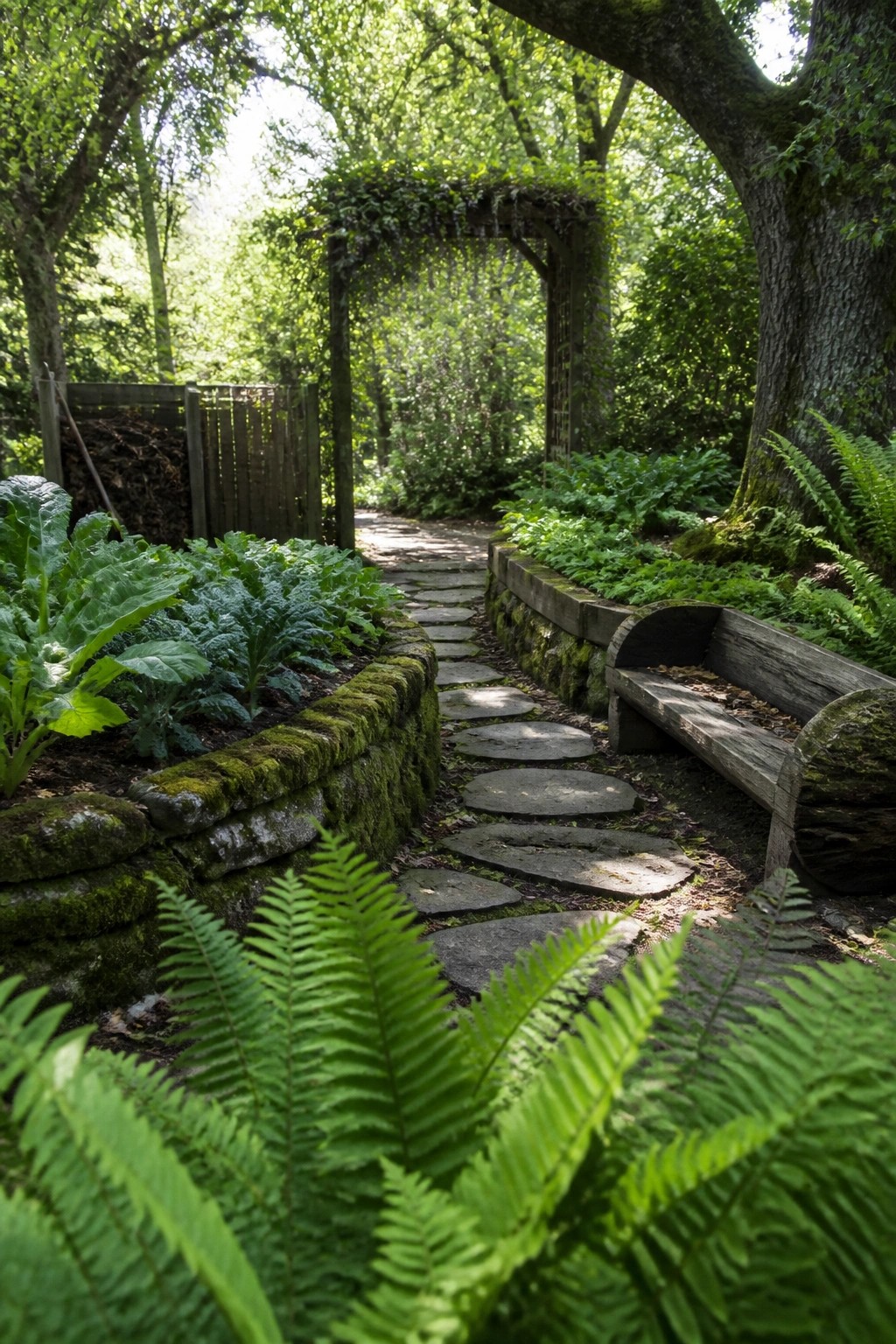
Raised beds built with stacked stone give a garden simple structure without looking too formal. The low walls mark off each growing area along the path so plants stay contained and the walkway stays open.
This works best in a shaded or wooded spot where moss can soften the stone over time. Keep the beds narrow enough to reach across easily and use the same edging material throughout so the zones feel connected rather than scattered.
Raised Beds for Seed Starting and Cut Flower Zones

Raised beds work well when you want to keep different types of plants separate without building walls or fences. Here the beds run along the path and each section has its own job, one for starting seeds and another for cutting flowers, so nothing gets mixed up.
This setup works best in narrow side gardens or small yards where space needs to stay tidy. You can label the beds or group similar plants together, which makes daily care and rotation much simpler.
Gabion Raised Beds For Defining Garden Zones
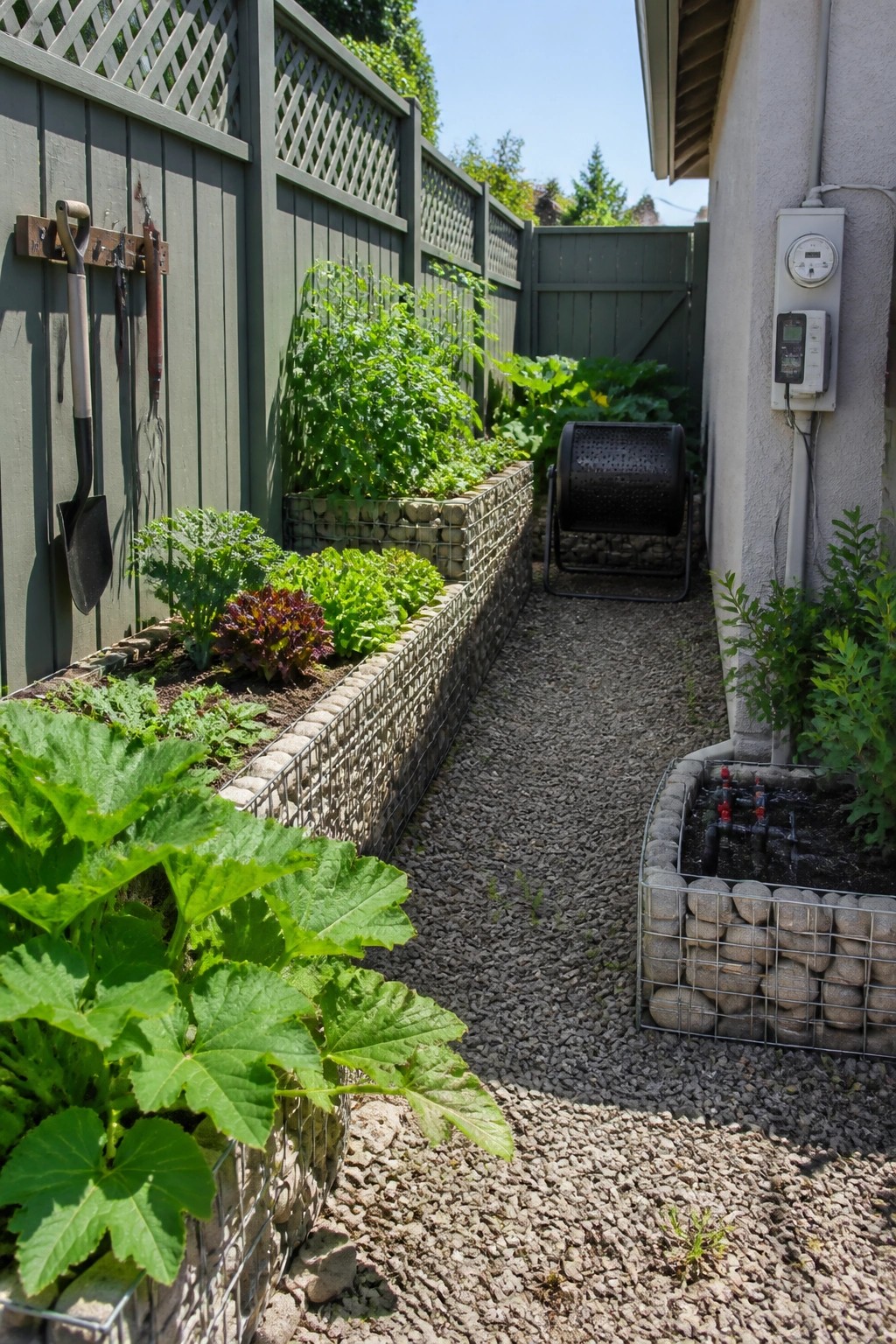
Raised beds made with wire cages and stone fill give a garden clear edges without making it feel boxed in. They keep plants contained while letting you walk easily along the path, which works well in narrow side yards where space is tight.
These beds suit homes with gravel paths or fence lines because the materials last through weather and hold soil in place. Level the ground first and pack the stones firmly so the cages stay sturdy over the years.
Terraced Raised Beds For Sloped Yards

Raised beds built along the slope can turn uneven ground into a series of flat, easy-to-work growing zones. Stone walls hold the soil in place and give each level its own clear edge so plants stay organized and paths stay simple to follow.
This setup suits gardens that drop away from the house or sit on a hillside. Keep the walls low enough to step over and make the beds wide enough to reach across without compacting the soil.
Raised Beds That Mark Off Growing Zones
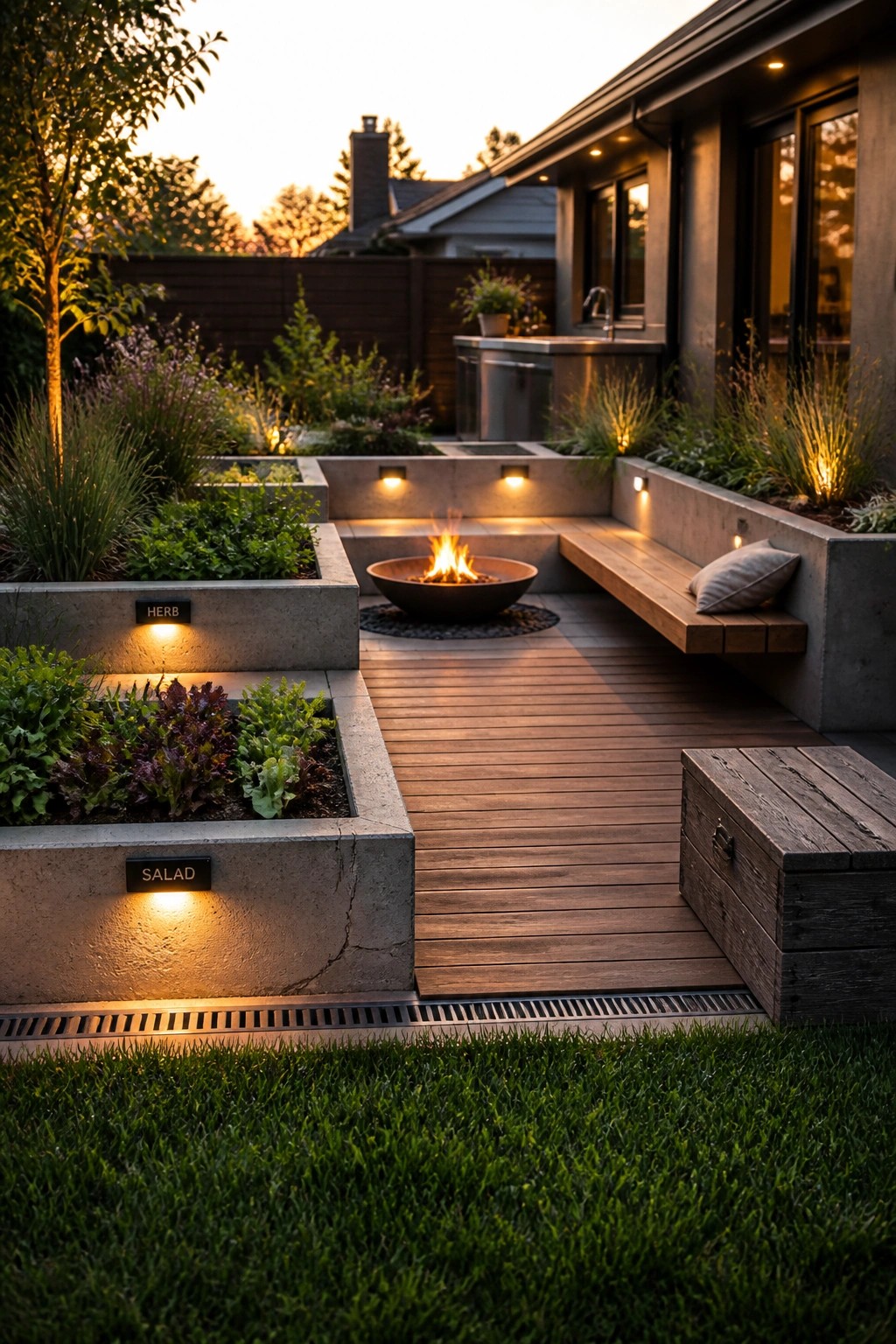
Raised beds built from concrete give each type of plant its own clear space. They turn what could be a loose mix of greenery into separate zones that stay easy to manage.
This works especially well in smaller yards where the beds also help shape paths and seating areas. Place one set near the house for herbs and another a bit farther out for salad greens so you always know where to look when you need something.
Frequently Asked Questions
Q: How do I keep weeds from creeping into the raised beds from the paths? A: Lay down cardboard or newspaper under the paths before adding mulch. This blocks light so weeds stay down. Check every few months and pull any that pop up anyway.
Q: What if the raised beds start to lean after a season or two? A: Check the corners each spring and tighten any screws or bolts. Adding a diagonal brace inside helps keep them square.
Q: How much soil do I really need to fill a standard raised bed? A: Fill it to within a couple inches of the top. The soil settles over time so start a little high and mix in compost each year to keep it light.
