

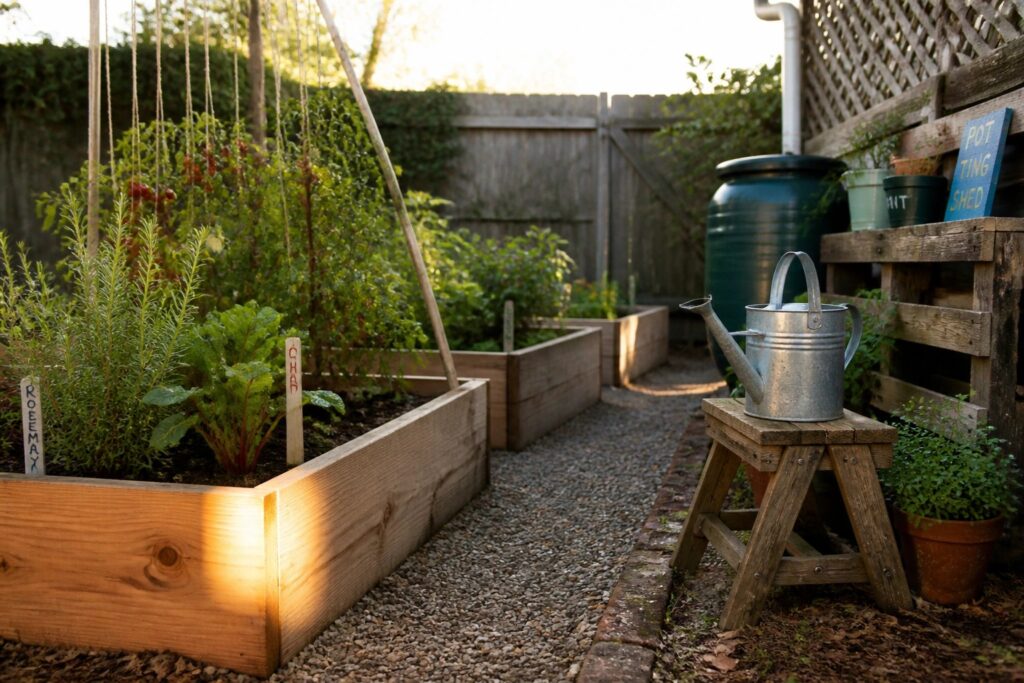
When I started thinking about adding raised beds to my own yard I realized how much they change the way the space is divided and used throughout the season.
Affordable options often come down to using what is already on hand or easy to find at a local store so the beds do not end up costing more than the harvest is worth.
Layout comes first.
I have noticed that beds placed with enough room between them make weeding and watering feel less like a chore once the plants fill in.
A few of these approaches seem worth trying on a small scale to see how they hold up after a full year of weather and growth.
Wooden Raised Beds For Simple Backyard Gardens
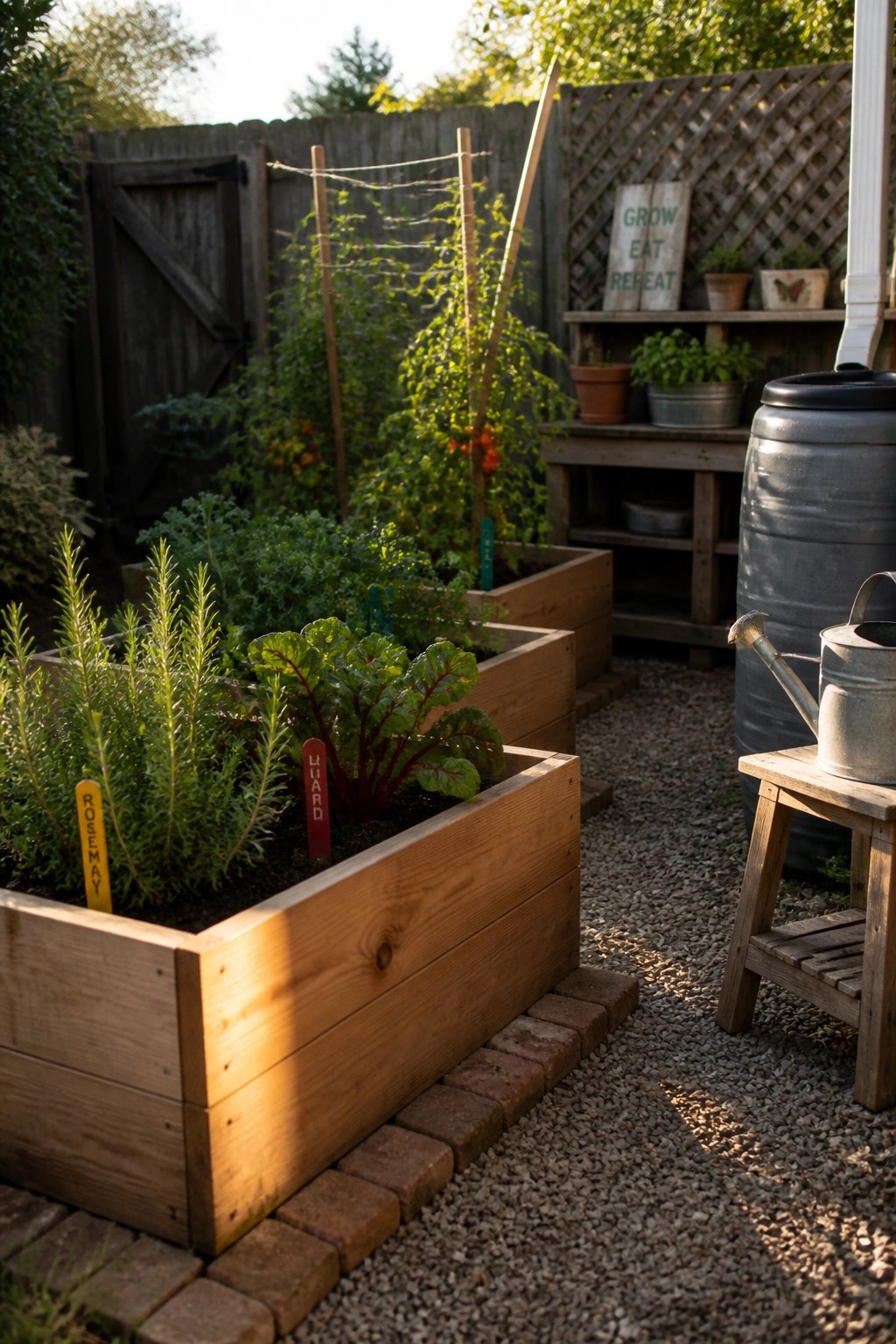
Raised beds made from basic wood give you a straightforward way to grow vegetables and herbs without dealing with poor soil or weeds. They keep everything contained and make it easier to tend the plants at a comfortable height.
You can build them from standard lumber and set them up along a path or against a fence. This approach works well in smaller yards where you want a tidy layout that still leaves room for walking and watering.
Concrete Block Raised Beds
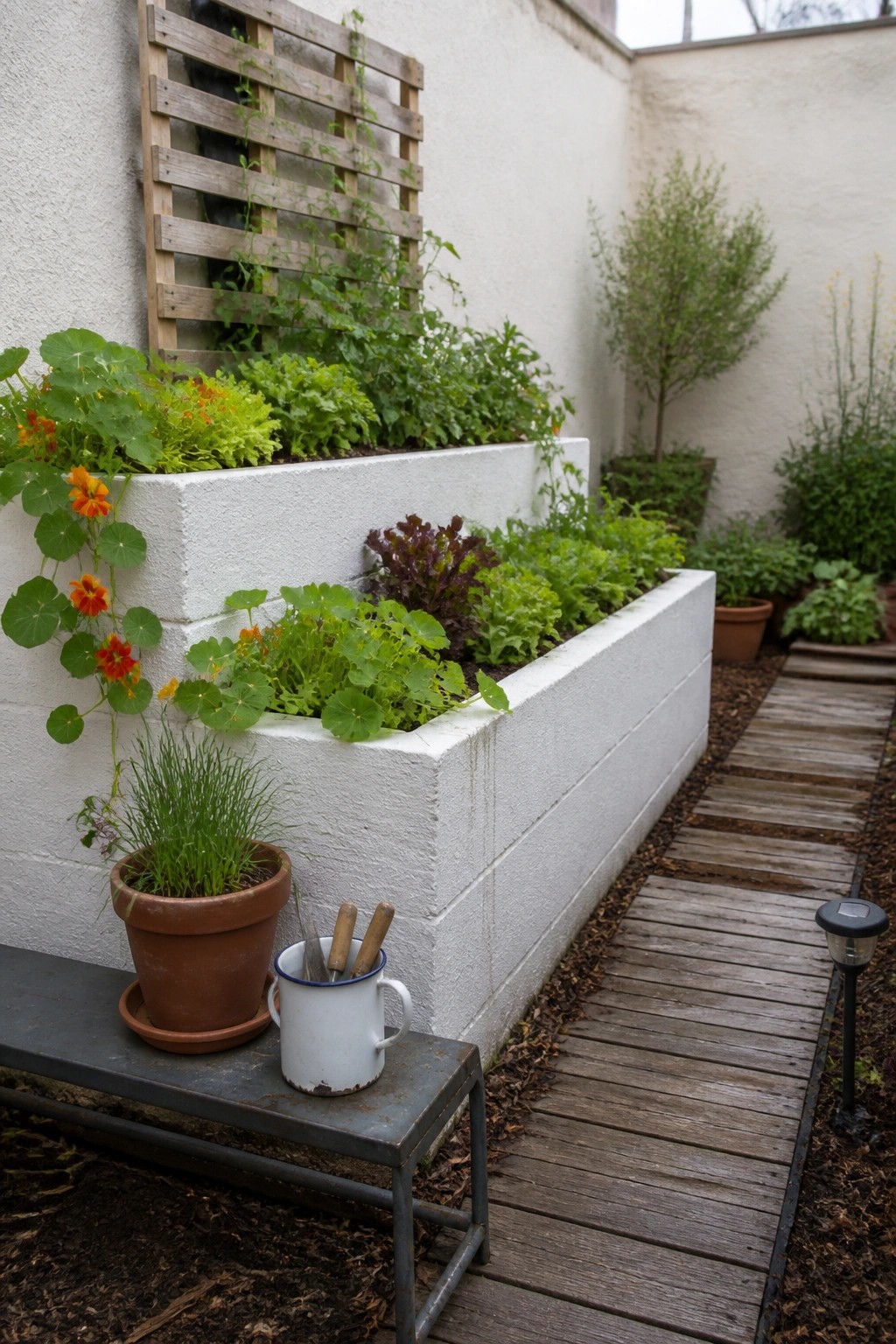
Concrete blocks make a straightforward choice for raised beds when you want something low cost and quick to put together. They stack easily, need no special tools, and give a solid edge that lasts for years without much upkeep.
This setup works well along a fence or house wall where space is tight. Level the ground first, and add a simple liner inside the blocks if you want to slow down moisture loss in the soil.
Raised Garden Beds Along A Fence

Lining raised beds along a fence gives the garden a clear structure and makes the whole space easier to work in. The beds stay contained, the soil drains well, and you can reach everything without stepping on the plants.
This layout suits long, narrow yards or side areas where space is limited. Build the beds from basic lumber or reclaimed wood, keep the path between them simple with gravel, and the fence can even double as support for climbing plants.
Reclaimed Wood Raised Beds

Reclaimed wood makes a practical choice for raised beds when you want to keep costs down. Old beams and fence boards already have character, so the beds blend into the garden without looking brand new.
This style works best in smaller yards where you can build one or two beds at a time. Check that the wood is untreated before planting anything you plan to eat.
Concrete Block Beds With Reinforced Corners

Concrete blocks offer a simple way to build raised beds that stay in place and last for years. They cost less than wood or stone and do not rot, so they work well for anyone trying to keep a backyard garden on a budget.
This approach fits narrow side yards or tight spaces where you need a straight, low-maintenance edge. Stack the blocks, add metal connectors at the joints for extra strength, and fill them with soil and plants.
Wooden Markers Keep Raised Beds Organized

Wooden markers make it easier to keep track of what you planted in each section of a raised bed. When herbs and vegetables start to fill in, labels save time and prevent mix-ups during watering or harvesting.
Cut simple stakes from scrap lumber or old fence pickets and write the names with a permanent marker. They suit small backyard gardens where space is tight and you want to change plantings each season without confusion.
Budget Wood Raised Beds Along Garden Paths
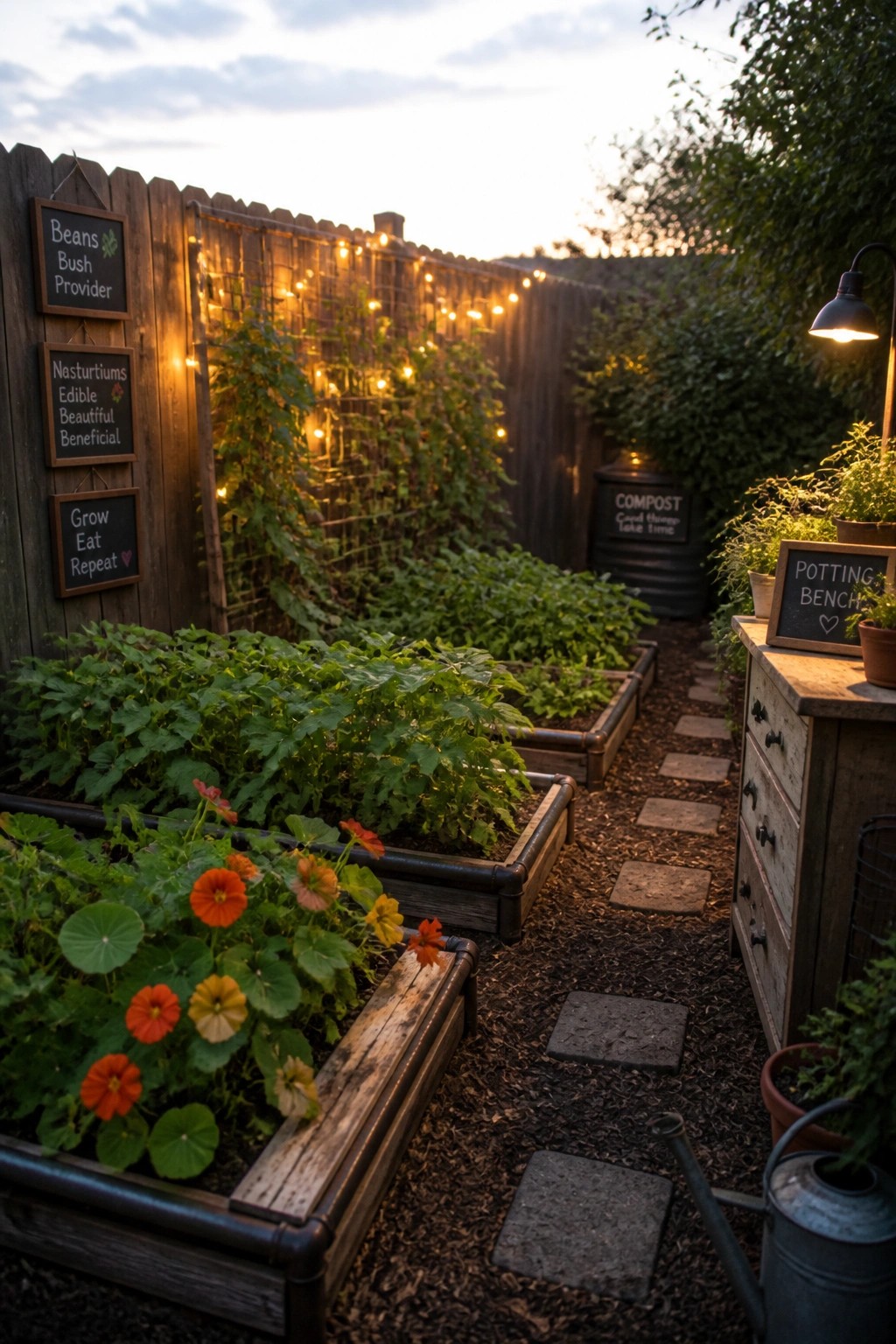
Raised beds made from simple wood boards give you a clean way to grow vegetables and flowers without spending much. They keep the soil contained, make weeding easier, and let you work at a comfortable height.
These beds suit small to medium backyards where space needs to stay organized. Place them along a path so you can reach both sides without compacting the soil, and use cheap lumber or reclaimed boards to keep costs down.
Raised Beds Built With Bricks
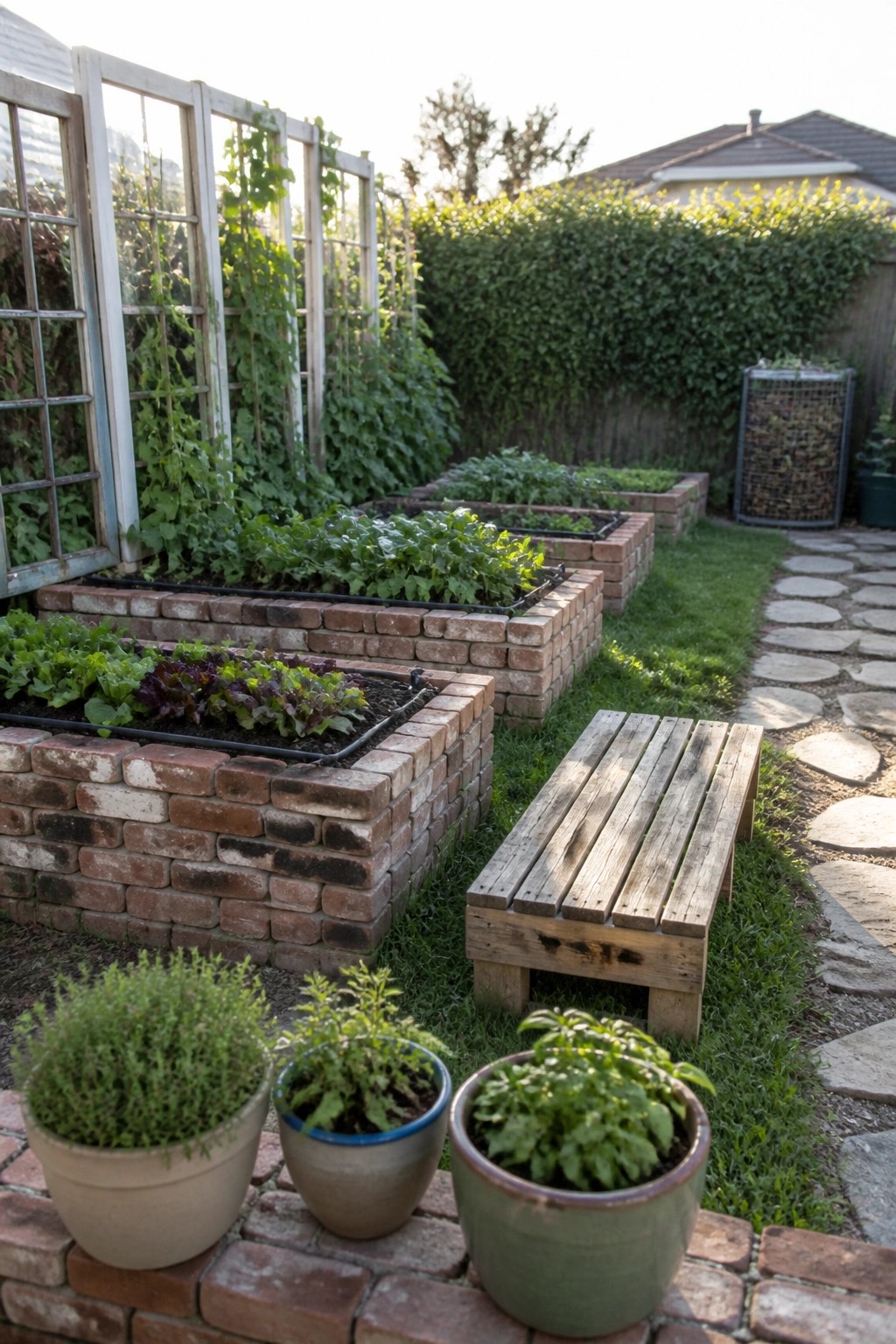
Brick works well for raised beds because it lasts for years without much upkeep. The material stays in place even after heavy rain or shifting soil, and it gives the garden a clean edge that helps keep weeds down. Many people like how it blends into both older and newer yards without looking too formal.
This approach suits smaller backyards where you want something sturdier than wood but still affordable. Stack the bricks in a simple running bond pattern and line the inside with landscape fabric to keep soil from washing out. Just watch the height so the beds stay easy to reach without bending too far.
Simple Lids For Raised Garden Beds

A wooden lid on a raised bed is one of those small additions that makes a big difference in a backyard garden. It helps protect the soil from heavy rain, keeps animals out, and can even extend the growing season a bit by holding in warmth.
Build the lid from the same lumber as the bed frame and add a simple hinge so it lifts easily when you need to work inside. This setup works especially well in smaller yards or for anyone trying to keep costs low while still getting practical use out of each bed.
Repurpose Pallets For Vertical Planting
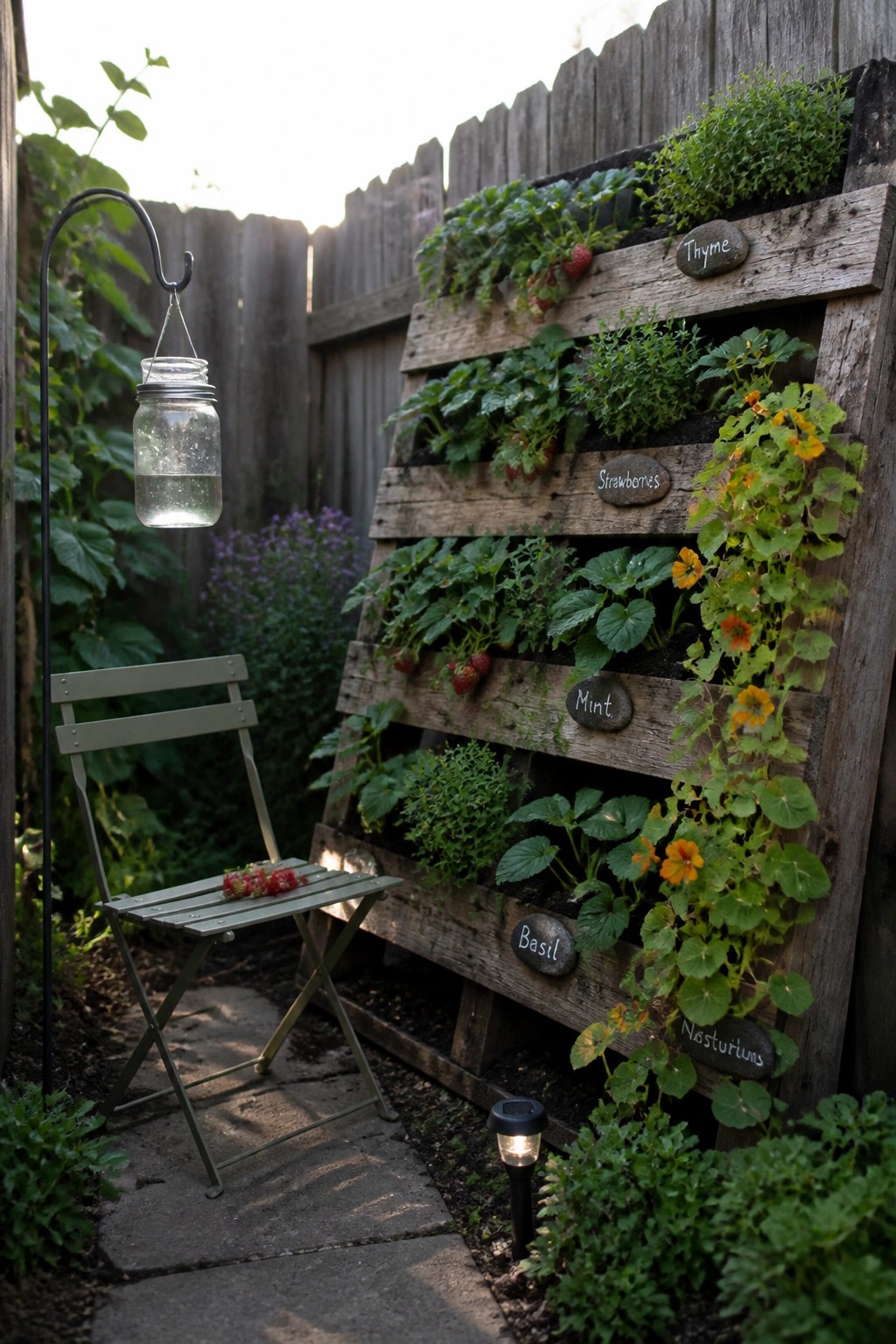
Old wooden pallets work well for vertical gardens because they are cheap or free and already have the right structure. You can stand one against a fence or wall, add soil in the gaps, and plant directly into the openings without building anything from scratch.
This approach fits small yards best where ground space is limited. Label the rows if you want to keep track of different herbs and greens, and check that the wood has not been treated with anything harmful before planting.
Painted Tires As Raised Garden Beds

Old tires painted in bright colors and stacked together give you a quick way to build raised beds without buying new materials. The height helps with drainage and keeps plants easier to reach, while the colors add a simple kind of cheer along a path or fence line.
This approach suits small yards or tight budgets since tires are often free from a shop or curb. Just clean them well, use a few coats of exterior paint, and stack two or three high so the bed stays stable.
Stock Tanks As Raised Beds

Stock tanks make solid raised beds because they are already built to hold water and soil without leaking or rotting quickly. Many people pick them up used or on sale at farm stores, which keeps the cost down compared to buying lumber or kits. The metal sides stay cool enough for roots in most climates and the height helps with drainage and easier harvesting.
They work especially well in small yards or gravel areas where you want something that can be moved later if needed. Drill a few holes in the bottom for drainage and line the inside if you are worried about metal contact with certain plants. The long shape also lets you grow rows of herbs or vegetables side by side without much extra framing.
Cinder Block Raised Beds
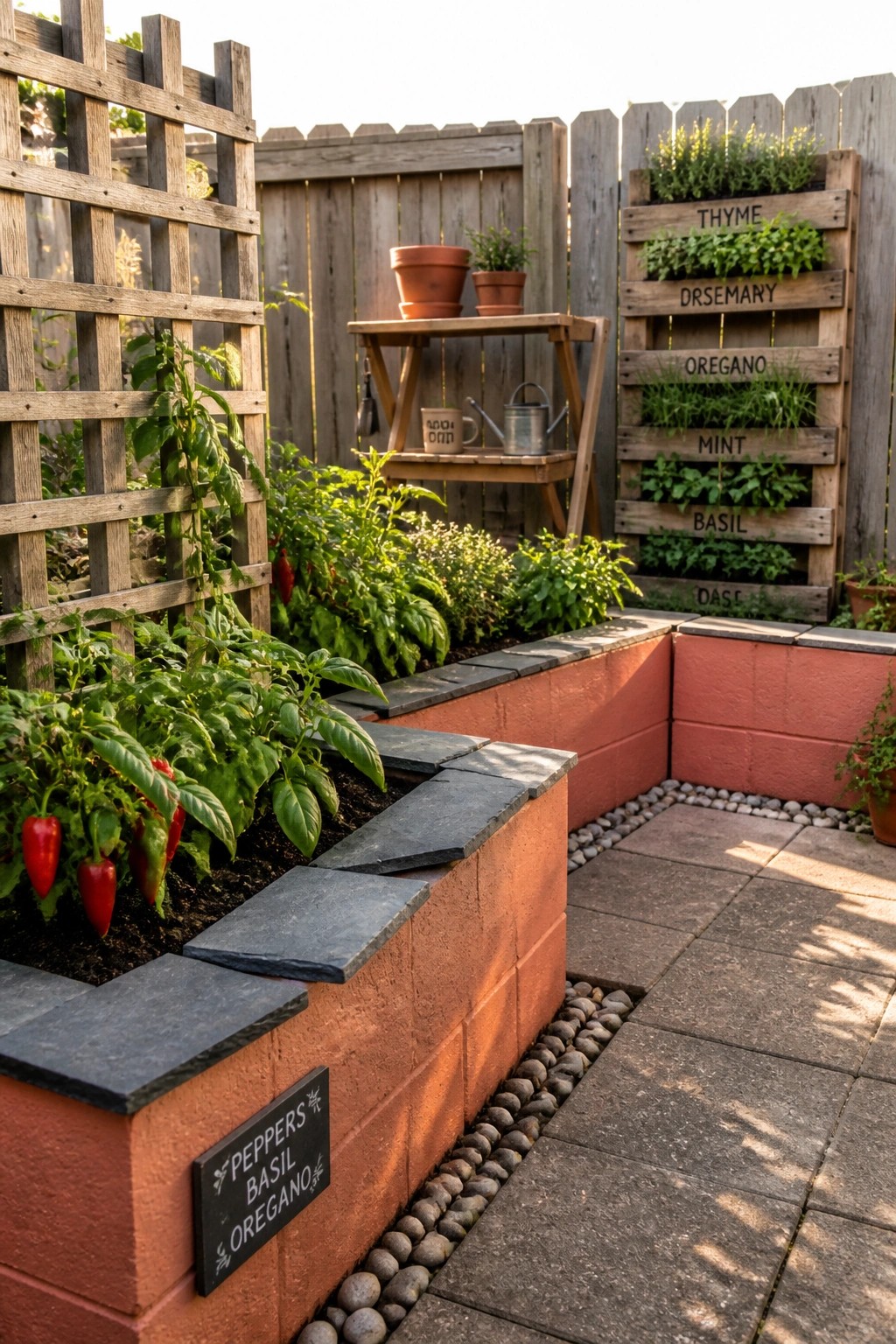
Cinder blocks give you a simple way to build raised beds that hold their shape and last for years. They stack fast, need no special tools, and cost far less than lumber or stone.
They work best in small yards or along fences where you want clear growing zones. Paint the blocks if you want color, or add a flat cap on top for a place to kneel or set tools while you tend the plants.
Long Raised Beds Along A Path
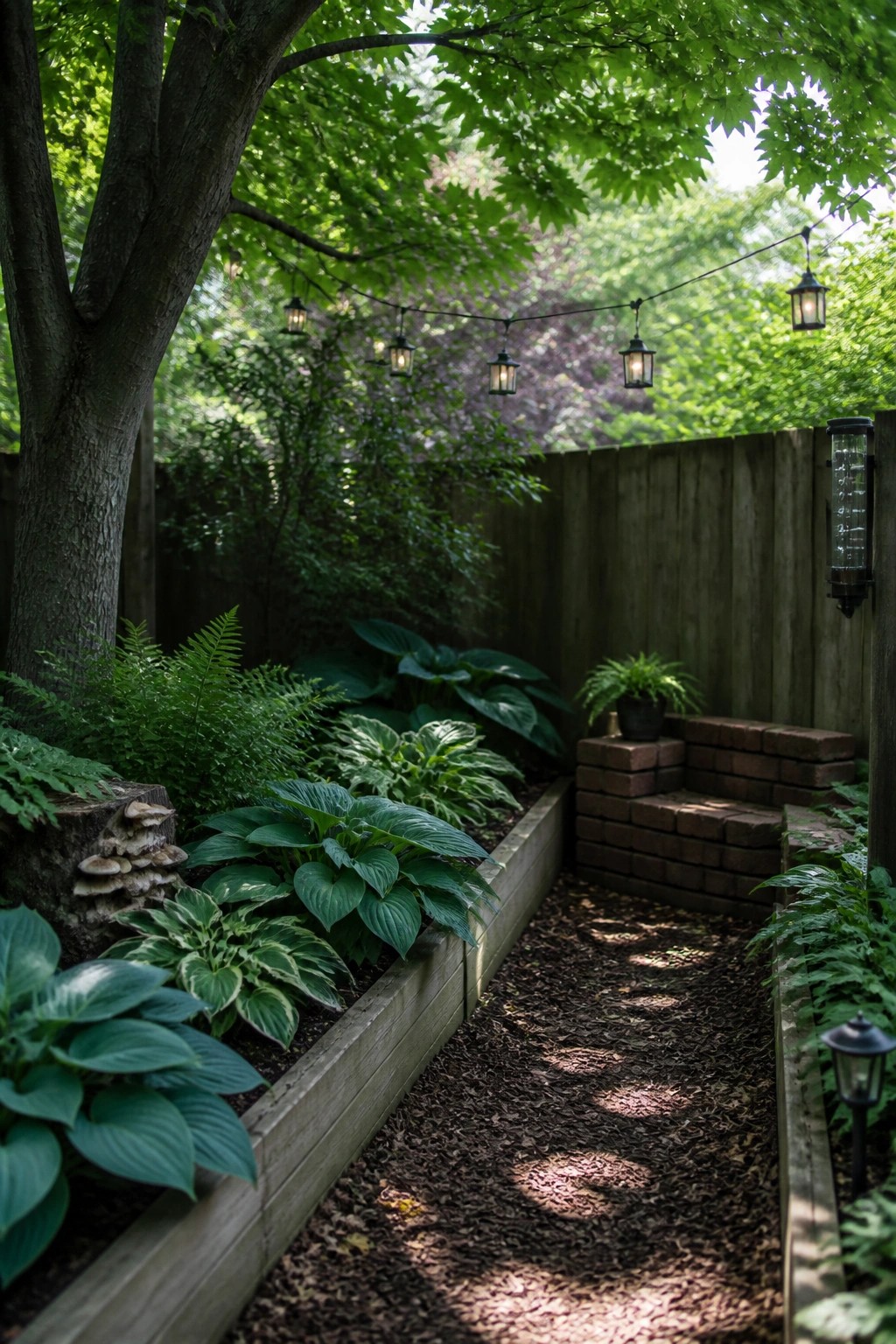
Raised beds work well when you need to add planting space without losing the flow of a narrow yard. The wood borders keep everything neat and make it easier to control soil quality along the edges.
You can build them from standard lumber and keep the path simple with mulch. This layout suits side yards or back corners where a straight line of beds helps guide movement and still leaves room to walk through.
Make Raised Beds From Salvaged Shutters
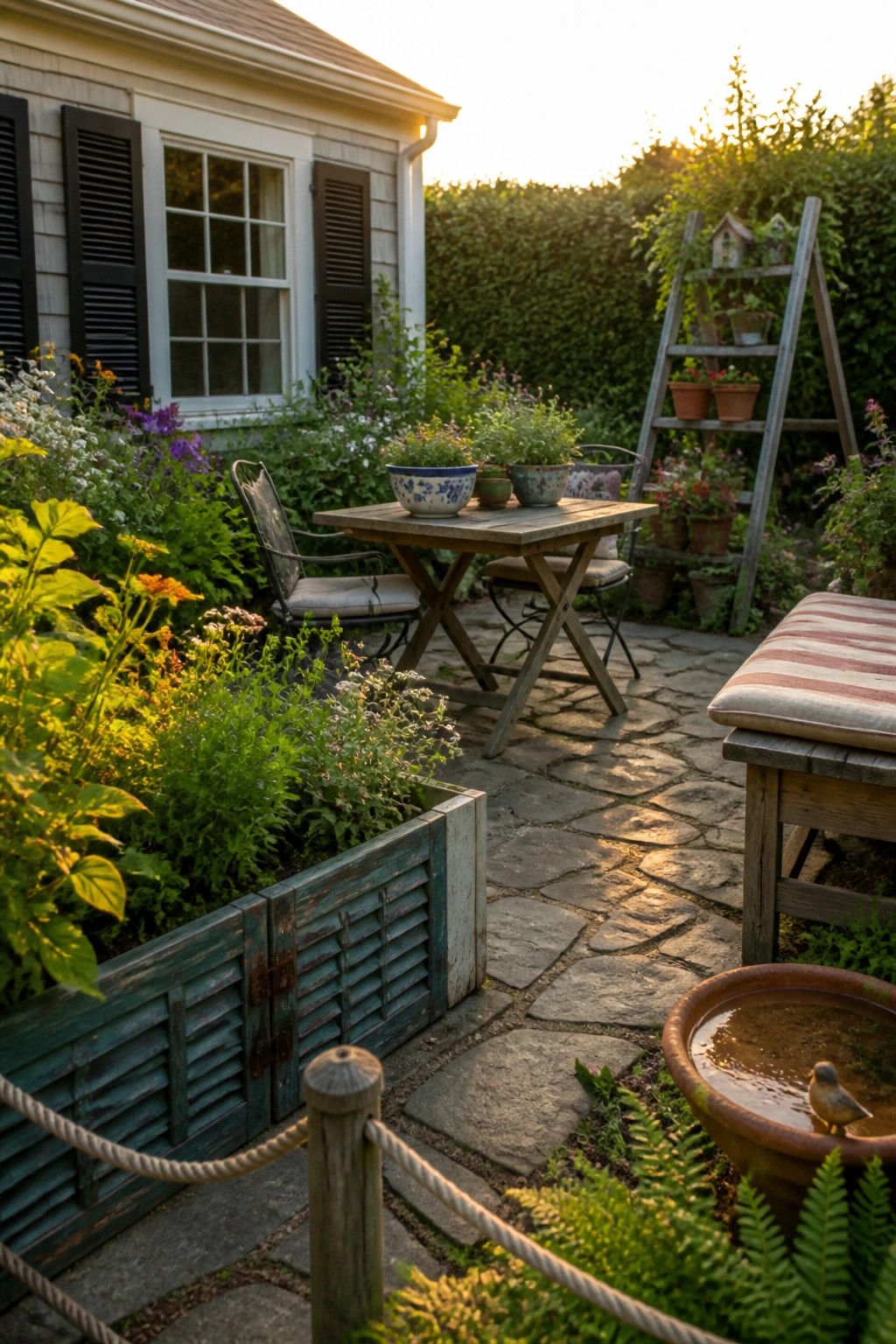
Old shutters can turn into the sides of a raised bed with very little work. They already have the right height and slats for drainage, and the weathered paint adds instant character without extra cost.
This approach works best in smaller gardens where you want the beds to blend with the house rather than stand out as new construction. Check that the wood is solid and seal any rusty hardware before filling the bed with soil.
Spiral Herb Gardens Built With Stacked Stone

A spiral raised bed made from stacked stones gives you multiple growing levels in one small footprint. It works well for herbs because the different heights create slight variations in drainage and sun exposure, which helps plants like oregano, thyme, sage, and chives stay healthy without much extra work.
This approach suits small yards or tight corners where a flat bed would take up too much space. Use whatever local stone you can find or leftover materials from other projects, and keep the curves gentle so the structure stays stable as it settles.
Raised Beds With Log Edging
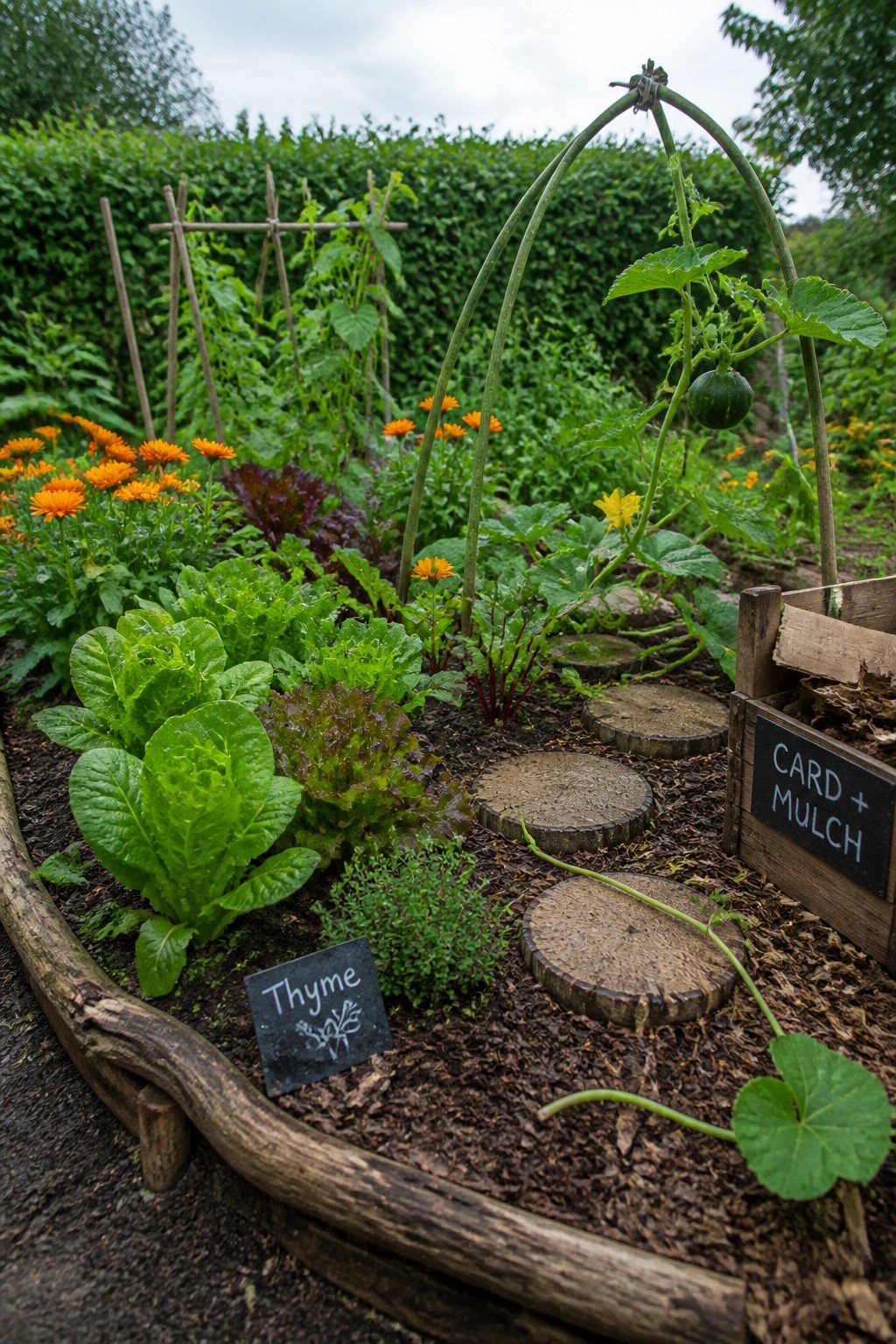
Log edging works well for raised beds because it is often free or cheap to source and gives the garden a natural look without much work. The curved border in this setup keeps the soil contained while letting plants spill over the edge a bit, which softens the whole area.
This approach suits small yards or any space where you want to avoid buying new lumber. Just lay down cardboard first for weed control, add mulch on top, and stack or stake the logs in place. It holds up fine in most climates as long as the wood is somewhat rot resistant.
Raised Beds That Double As Benches

A raised bed built from thick wooden beams can give you planting space without taking up extra room for seating. The wide flat top turns the whole structure into a place to sit while you work or just enjoy the garden. Many people like this setup because it keeps things simple and avoids adding separate furniture.
It suits smaller backyards where every surface needs to earn its keep. Use reclaimed lumber or sturdy beams so the edge stays solid under weight, and keep the bed height around sixteen to eighteen inches for easy sitting. Just make sure the wood is treated for outdoor use if you want it to last more than a season or two.
Wooden Raised Beds On Gravel Foundations

Wooden raised beds give you clear growing areas without needing fancy materials or big budgets. They hold the soil in place, make weeding simpler, and let you group plants by type so everything stays easy to reach.
This layout suits most backyard sizes since the beds can be built in any length or width. Set them on gravel to improve drainage and reduce mud, then add labels for quick plant identification when you are harvesting.
Simple Wooden Raised Beds For Vegetable Gardens

Raised beds made from wood are one of the easiest ways to start a vegetable garden without spending much. They keep the soil contained, make weeding simpler, and work well even in small backyards where the ground might not be ideal for planting.
Place them along a path so you can reach both sides without stepping on the soil. The wood frames hold up for years if you use decent lumber, and you can fill them with a basic mix of soil and compost. This setup suits most homes with a bit of sun and space for a path.
Concrete Block Raised Beds With Tile Caps

Raised beds built from concrete blocks with a simple tile cap give you a sturdy edge that holds soil in place and lasts for years. The flat top makes it easy to sit on while you work, and the whole setup stays affordable because it uses basic building materials rather than fancy kits.
This style works well in sunny backyards where you want good drainage and low upkeep. Lay gravel between the beds to reduce mud and weeds, then plant herbs or compact shrubs that like dry conditions. Just keep the blocks level when you stack them so the beds stay solid over time.
Frequently Asked Questions
Q: Can I build one of these beds with just scrap wood from a construction site?
A: Grab straight pieces and check for nails or rot before you haul them home. Stack them into a simple frame and screw the corners tight so the whole thing stays square.
Q: How do I stop weeds from creeping in from the bottom without buying fancy liner?
A: Lay down a few layers of old cardboard or newspaper right on the grass. Dampen it as you add soil so it stays put and breaks down over time.
Q: What if my budget beds start to sag after the first winter?
A: Brace the long sides with a cheap cross piece in the middle. Check the screws each spring and swap any that pull loose before the wood shifts.
