

Ever wondered if your green beans and cucumbers could be the ultimate garden power duo? Picture this: you’re envisioning a vibrant garden bursting with fresh produce, but you’re not sure if planting green beans with cucumbers is a match made in gardening heaven. What if I told you that combining these two veggies could revolutionize your gardening game? In this article, we’ll explore the exciting world of companion planting and uncover the secrets behind growing green beans and cucumbers side by side. Get ready to unlock the potential of your garden and reap the rewards of this dynamic gardening partnership.
Benefits of Companion Planting
When it comes to planting green beans with cucumbers, companion planting offers a multitude of advantages. Here’s why this gardening strategy can benefit your plants:
- Natural Pest Control: Companion planting green beans and cucumbers can help repel pests naturally, reducing the need for chemical pesticides.
- Optimal Space Utilization: By pairing these vegetables, you can maximize garden space, allowing both plants to thrive without competing for resources.
- Enhanced Soil Health: Green beans and cucumbers belong to different plant families, so they complement each other by drawing nutrients from the soil in varying ways.
In addition to these benefits, companion planting green beans with cucumbers can also improve pollination, leading to increased yields and biodiversity in your garden. This dynamic duo not only enhances each other’s growth but also creates a sustainable and harmonious environment for your plants to flourish.
Characteristics of Green Beans
When it comes to green beans, also known as snap beans or string beans, you’re dealing with a versatile plant that offers more than just tasty pods. Here are some key characteristics to consider:
- Nutrient Powerhouse: Green beans are loaded with essential nutrients like Vitamin C, Vitamin K, and fiber.
- Easy to Grow: These beans are generally low-maintenance, making them ideal for beginner gardeners.
- Complement Other Plants: They’re excellent companions for various crops, benefiting from the mutual relationships.
- Sunny Spots: Green beans thrive in areas with at least 6-8 hours of sunlight daily.
- Well-Draining Soil: Ensure the soil is loose, well-draining, and rich in organic matter.
- Moderate Watering: Keep the soil evenly moist, but not waterlogged, to avoid issues like root rot.
Matching Characteristics with Cucumbers
Now that you understand the characteristics of green beans, let’s explore how they can complement cucumbers in your garden.
Recommended Products

HEAVY-DUTY 16MM FRAME – STRONGER THAN STANDARD TRELLIS: Built with upgraded 16mm thick plastic-coated steel tubing, this garden trellis is significantly sturdier than common 11mm frames. Provides superior stability and can support heavier climbing plants without bending or collapsing.
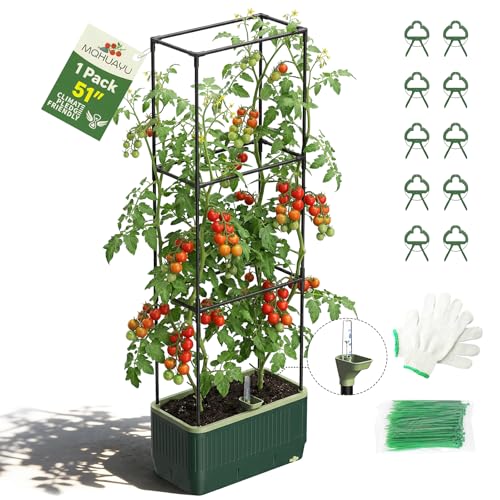
SMART SELF-WATERING & VISUAL GAUGE: Take the guesswork out of watering! Our innovative self-watering system features a deep water reservoir, cotton ropes, and a clear visual water level indicator. You can instantly see when to refill and when it's full, preventing overwatering or root rot. Perfect for busy schedules or weekend getaways, ensuring your plants thrive with minimal effort.
Characteristics of Cucumbers
When planting cucumbers alongside green beans, it’s essential to understand the characteristics of cucumbers to ensure a successful and thriving garden. Here’s what you need to know:
- Cucumbers are warm-season vegetables that thrive in temperatures between 65°F and 75°F.
- They require full sunlight to grow and develop properly, so make sure to plant them in an area that receives at least 6-8 hours of sunlight daily.
- Proper spacing is crucial when planting cucumbers. Aim for 12-36 inches between each plant to allow for ample growth and airflow.
- Cucumbers are heavy water consumers. Keep the soil consistently moist, especially during the flowering and fruiting stages.
- Adding a support structure like a trellis or cage can help cucumbers grow vertically, saving space and keeping the fruits off the ground.
Pairing cucumbers with green beans not only maximizes your garden space but also benefits both plants. Cucumbers provide shade and moisture to the soil, which can aid the growth of green beans. In return, green beans fix nitrogen in the soil, benefiting the cucumbers.
Embrace the unique qualities of cucumbers to create a thriving garden ecosystem that supports both your plants’ growth.
Recommended Products

Provides lightweight yet strong support for tomatoes, beans, peas, and other climbing plants and flowers with a large planter that holds approximately 10 gallons of media while the tower expands to over 4 feet

Support for Tall Plant: This trellis kit provides 7.87” support for your tomatoes, peppers and more
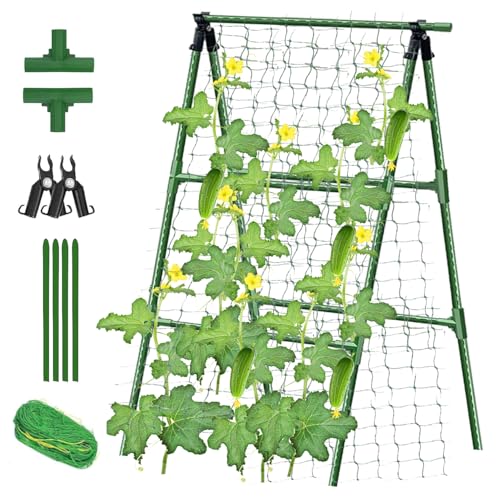
【Groumh A-FRAME DESIGN】NOTE: THE TRELLIS IS FOR SMALL PLANT NOT FOR BIG!! sturdy 48x15in A-frame cucumber trellis can grow various plants from both sides of the trellis. These shapes promote airflow for the climber, and the plant will have plenty of sunlight to maximize photosynthesis. Let you get a better harvest.
Companion Planting Tips for Green Beans and Cucumbers
When it comes to companion planting green beans and cucumbers, there are several tips you should keep in mind to ensure a successful and harmonious garden. Here are some practical suggestions to help you achieve optimal results:
- Proper Spacing: Plant your green beans and cucumbers with enough space between them to allow for proper growth without overcrowding.
- Vertical Support: Consider providing support structures for your cucumbers to grow vertically, freeing up space for the green beans to thrive without competition.
- Consistent Watering: Ensure both your green beans and cucumbers receive adequate and consistent watering to support healthy development.
- Sunlight Requirements: Place your garden in a sunny spot that receives 6-8 hours of sunlight daily to promote the growth of both plants.
- Soil Enrichment: Prioritize soil health by amending it with compost or organic matter to provide essential nutrients for your green beans and cucumbers.
- Maintenance: Regularly check for pests or diseases that may affect either plant and take prompt action to protect your garden.
By following these companion planting tips, you can create a thriving and mutually-beneficial relationship between green beans and cucumbers in your garden.
Harvest and Enjoying Your Green Beans and Cucumbers
When it comes to harvesting and enjoying the fruits of your labor with green beans and cucumbers, timing is key. Here’s how you can make the most of your bountiful harvest:
- Green Beans:
- Pick green beans when they are young and tender, usually about 3-4 inches in length.
- To harvest, simply snap or cut the beans from the plant. Avoid pulling, as this can damage the plant.
- Regular harvesting encourages the plant to produce more beans, so keep an eye on your crop as they mature.
- Cucumbers:
- Cucumbers are best harvested when they are firm and 6-8 inches long for slicing varieties.
- Use a sharp knife or scissors to cut the cucumber from the vine. Be gentle to avoid harming the plant.
- Harvesting cucumbers regularly ensures a continuous supply throughout the growing season.
Enjoying Your Harvest:
- Freshly picked green beans and cucumbers are a delight to enjoy raw or cooked in various dishes.
- Try them in salads, stir-fries, pickles, or simply enjoy them as a healthy snack.
- Store any excess harvest properly to maintain freshness. Green beans can be blanched and frozen, while cucumbers are best stored in the refrigerator.
Conclusion
You now have a solid understanding of how to plant green beans with cucumbers and the best practices for harvesting and enjoying your bountiful produce. Remember to pick your green beans when they’re young and tender, and your cucumbers when they’re firm and just the right size. By following the advice on proper harvesting techniques and regular picking, you’ll ensure a continuous supply of fresh vegetables. Get creative with how you use your harvest – whether in salads, stir-fries, pickles, or simply as a healthy snack. And don’t forget to store your green beans and cucumbers correctly to maintain their freshness for longer. Happy planting and harvesting!
Frequently Asked Questions
Q: Why is it important to harvest green beans when they are young and tender?
A: Harvesting green beans when they are young and tender, around 3-4 inches, ensures they are at their peak flavor and texture.
Q: When should cucumbers be harvested?
A: Cucumbers should be harvested when they are firm and about 6-8 inches long for the best taste and texture.
Q: Why is proper harvesting technique important?
A: Using proper harvesting techniques helps avoid damaging the plants, ensuring a healthy and continuous harvest throughout the season.
Q: What are some ways to enjoy harvested green beans and cucumbers?
A: Enjoy harvested green beans and cucumbers in salads, stir-fries, pickles, or as a healthy snack for tasty and nutritious meals.
Q: How should green beans be stored to maintain freshness?
A: Green beans can be blanched and frozen for storage, preserving their freshness for future use.
