

Ever wondered if cucumbers and tomatoes could be the ultimate dynamic duo in your garden? Picture this: you’re envisioning a lush, bountiful harvest of juicy tomatoes and crisp cucumbers right in your backyard. But the big question remains – can you plant cucumbers by tomatoes?
Imagine the convenience of having your favorite salad ingredients growing side by side, saving you time and effort. In this article, you’ll uncover the secrets of companion planting cucumbers and tomatoes. You’ll learn how to maximize space, boost yields, and create a thriving garden oasis that’s as beautiful as it is productive.
Get ready to dive into the world of planting possibilities as we explore the fascinating relationship between cucumbers and tomatoes. Let’s unlock the potential of your garden and transform it into a harmonious haven of flavors and colors.
Understanding Companion Planting
When planting cucumbers by tomatoes, you can benefit from the concept of companion planting. This practice involves growing certain plants together to enhance growth, deter pests, and improve flavors. Here’s why it’s advantageous:
- Maximizing space: Growing cucumbers and tomatoes together allows you to make the most of your garden area. Both plants thrive well when planted in close proximity, utilizing space efficiently.
- Increasing yields: The symbiotic relationship between cucumbers and tomatoes can lead to higher production. These plants can support each other’s growth, resulting in bountiful harvests.
- Pest control: Companion planting cucumbers with tomatoes can help repel pests naturally. By choosing the right companions, you can reduce the need for chemical pesticides.
By understanding the principles of companion planting, you can create a harmonious garden environment that benefits both your cucumbers and tomatoes.
Benefits of Planting Cucumbers and Tomatoes Together
When planting cucumbers by tomatoes, you’ll find a host of benefits that make this gardening practice truly rewarding. Here’s why growing cucumbers and tomatoes together in your garden is a smart choice:
- Maximized Space: Planting cucumbers and tomatoes together efficiently utilizes your garden space, allowing you to grow more produce in a confined area.
- Increased Yields: The symbiotic relationship between cucumbers and tomatoes results in higher yields for both plants, ensuring a bountiful harvest.
- Natural Pest Control: Through companion planting, cucumbers and tomatoes help deter pests naturally, reducing the need for chemical interventions.
- Improved Soil Health: Growing cucumbers alongside tomatoes can enhance soil fertility by balancing nutrient uptake and improving soil structure.
- Pollination Assistance: Tomatoes and cucumbers attract beneficial pollinators, promoting better fruit development and overall plant health.
- Enhanced Flavor: The close proximity of cucumbers and tomatoes can enhance the flavor of both, creating a more delicious harvest for your meals.
By understanding and leveraging the Benefits of Planting Cucumbers and Tomatoes Together, you can cultivate a thriving and mutually supportive garden that yields a variety of fresh, healthy produce.
Recommended Planting Methods
When planting cucumbers by tomatoes, it’s essential to consider the spacing between the two crops. Opt for a minimum distance of 3 feet to allow ample room for each plant to thrive without overcrowding.
Ensure that both plants receive adequate sunlight. Aim for at least 6-8 hours of direct sunlight daily to promote healthy growth and maximize fruit production.
In terms of soil quality, prioritize well-draining soil with ample nutrients. pH levels should ideally range between 6.0 and 6.8 for optimal growth. Consider amending the soil with organic matter to boost fertility.
Implement companion planting strategies to enhance the symbiotic relationship between cucumbers and tomatoes. Companion plants like basil and marigold can deter pests and improve overall plant health when grown alongside them.
Regular watering is crucial for both cucumbers and tomatoes. Maintain moist but not waterlogged soil to support healthy root development and fruit formation. Consider mulching around plants to retain soil moisture.
Stay vigilant against pests and diseases that may affect cucumbers and tomatoes. Early detection of issues such as aphids or blight can help you address them promptly and protect your harvest.
Remember to rotate crops annually to prevent soil depletion and reduce disease pressure. This practice can help maintain soil fertility and promote long-term plant health.
Recommended Products
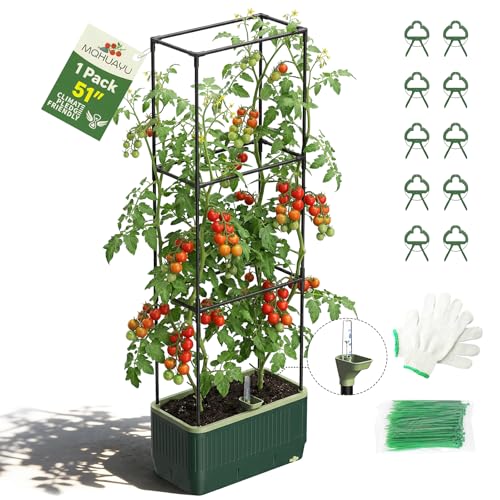
SMART SELF-WATERING & VISUAL GAUGE: Take the guesswork out of watering! Our innovative self-watering system features a deep water reservoir, cotton ropes, and a clear visual water level indicator. You can instantly see when to refill and when it's full, preventing overwatering or root rot. Perfect for busy schedules or weekend getaways, ensuring your plants thrive with minimal effort.

【Grow Strong, Fast and Smart】 The eSuperegrow Smart Hydroponic Gardening System utilizes professional design for strong growth and superior harvest. Double-layer structure with a built-in water pump design for increased water circulation and more oxygen to improve plant growth. Includes customized high-efficiency grow light with 60-degree lens for more concentrated and efficient light—the plants grow faster and better.

Scientific Design: Bottom Water Reservoir and Air hole circulation system that provides ample moisture to the plants. This reservoir acts as a constant water source and oxygen, promoting healthy root development and overall plant vitality.
Caring for Cucumbers and Tomatoes in Close Proximity
When cucumbers and tomatoes share the same space, proper care is crucial to ensure both thrive harmoniously. Here are essential tips to maintain a healthy environment for these two crops:
- Prune Regularly: Trim excess foliage to enhance air circulation, reducing the risk of fungal diseases.
- Stake and Support: Provide sturdy support for tomatoes to avoid sprawling and ensure space efficiency for cucumbers.
Ensure adequate watering:
- Consistent Moisture: Keep the soil consistently moist but not waterlogged to support root development.
- Morning Watering: Water in the morning to prevent fungal issues and ensure proper absorption throughout the day.
Mulching and Feeding:
- Organic Mulch: Apply mulch to retain moisture, suppress weeds, and maintain soil temperature.
- Fertilize Carefully: Use a balanced fertilizer to meet the nutritional needs of both crops without overfeeding.
Pest and Disease Management:
- Companion Planting: Utilize basil and marigold to deter pests and attract beneficial insects.
- Monitor Regularly: Keep an eye out for any signs of pests or diseases to address them promptly.
Harvesting and Rotation:
- Regular Harvesting: Harvest ripe fruits promptly to encourage continuous production.
- Crop Rotation: Rotate crops yearly to prevent soil depletion and reduce the risk of disease buildup.
These practices promote a bountiful harvest of cucumbers and tomatoes while fostering a sustainable growing environment for seasons to come.
Recommended Products

Our Polyethylene netting is an affordable alternative to traditional wire mesh. UV stabilized Polyethylene is lightweight, practical, and encourages growth. Miuezuth engineered it to be strong enough to support melons, yet safe enough for the most delicate leaves and stems. This netting improves air circulation, exposure to the sun, and use of space. This trellis netting ensures that your plants stay healthy, which increases their yield.

Material:You will receive 1 plant trellis netting,made from polyester,not easy to break.Trellis for climbing plants outdoor can support heavy crop loads

Trellis Netting Polyester Nylon: Our trellis netting is made of durable polyester nylon materials,strong and durable, not easy to break, reusable,can support extremely heavy crop loads, protect plants from damage, able to grow vertically
Harvesting Methods and Tips
When gathering your cucumbers and tomatoes, it’s crucial to do so when they are ripe. Here are some tips to help you with your harvest:
- Pick cucumbers when they are firm, green, and about 6-8 inches long. This size indicates they are ready for harvesting.
- For tomatoes, they should be fully colored and slightly soft when squeezed gently, showing they are ripe and ready to be picked.
To ensure a continuous harvest season, do the following:
- Harvest cucumbers every 1-2 days to encourage new fruit production.
- Check tomato plants every few days for ripe fruits, harvesting them promptly to promote further growth.
Recommended Products

IDEAL GARDEN BASKET: Basket made of durable, plastic with multi-functional features to simplify collecting, transporting, and cleaning harvested produce or tools; Designed with two sets of handles for each user's preferred carry


1.Packaging: Silicone thumb knife * 2, Anti-Cut finger cover * 2, Storage bag * 1
Conclusion
Now that you know the key points to consider when harvesting cucumbers and tomatoes, you’re well-equipped to enjoy a bountiful harvest. Remember to pick your cucumbers when they’re firm and green, and your tomatoes when they’re fully colored and slightly soft. By harvesting regularly, you’ll ensure a constant supply of fresh produce. Prompt harvesting not only supports further growth but also guarantees a successful harvest season. Happy gardening!
Frequently Asked Questions
How do I know when to harvest cucumbers and tomatoes?
For cucumbers, pick them when they are firm, green, and around 6-8 inches long. For tomatoes, harvest when they are fully colored and slightly soft.
How often should I harvest cucumbers and tomatoes?
Cucumbers should be picked every 1-2 days to maintain a continuous harvest. Check tomatoes every few days for ripe fruits to ensure timely harvesting.
Why is prompt harvesting important for cucumbers and tomatoes?
Harvesting promptly encourages further growth of new fruits and ensures a successful and bountiful harvest season for both cucumbers and tomatoes.
