

Ever wondered if you can plant cucumbers and cantaloupe side by side in your garden? Picture this: you’re excited about growing your own fresh produce, but you’re not sure if these two favorites can be planted together. Well, you’re in for a treat! In this article, we’ll explore the ins and outs of planting cucumbers and cantaloupe together, helping you maximize your garden space and harvest.
Imagine the satisfaction of picking juicy cucumbers and sweet cantaloupes from your garden, all thanks to planting them together efficiently. By learning the secrets of companion planting these delicious fruits, you can enhance their growth and yield. Get ready to unlock the potential of your garden and enjoy a bountiful harvest of cucumbers and cantaloupes grown harmoniously side by side.
Benefits of Planting Cucumbers and Cantaloupe Together
When planting cucumbers and cantaloupe together, you unlock numerous benefits for your garden. Here’s why it’s a winning combination:
- Pollination Assistance: Cucumbers and cantaloupes both thrive with the help of bees for pollination. By growing them side by side, you attract more pollinators, leading to better fruit production.
- Space Optimization: Planting these two vine crops together allows you to make the most of your garden space. They can share trellises or supports, maximizing efficiency.
- Pest Control: Cucumbers and cantaloupes have natural repellent properties that help to deter pests when grown in close proximity. This companion planting technique can reduce the need for chemical pesticides.
- Soil Enrichment: Different plants have varied nutrient needs. By planting cucumbers and cantaloupes together, you can help balance the soil as they draw nutrients in varying amounts from the soil.
- Harvest Continuity: Growing cucumbers and cantaloupes together can lead to a staggered harvest. This means a prolonged harvest season, ensuring a continuous supply of fresh produce.
Understanding Companion Planting
When planting cucumbers and cantaloupe together, you’re practicing a gardening technique called companion planting. This approach involves growing different plants in proximity to benefit one another. Here are the reasons why this method works well for cucumbers and cantaloupe:
Enhanced Pollination
Cucumbers and cantaloupe are pollinated by bees. When planted together, they attract more pollinators, leading to better fruit production for both plants.
Optimized Space
By planting these fruits side by side, you’re maximizing your garden space. They grow well together and complement each other’s growth habits, allowing you to make the most of your garden area.
Natural Pest Control
Growing cucumbers and cantaloupe together can help control pests naturally. They deter specific pests, reducing the need for chemical interventions.
Soil Enrichment
These plants have different nutrient requirements, which helps balance the soil. Cucumbers and cantaloupe together can enrich the soil by taking up various nutrients, promoting healthier soil for future plantings.
Continuous Harvest
When you plant these fruits together, you can enjoy a prolonged harvest season. This duo ensures that you’ll have fresh cucumbers and cantaloupe to enjoy for an extended period.
A garden filled with both cucumbers and cantaloupe is a win-win situation. By understanding the principles of companion planting, you’re setting yourself up for a thriving garden that will reward you with a bountiful harvest.
Complementary Growth Requirements
- Sunlight: Both cucumbers and cantaloupes thrive in full sun, needing about 6-8 hours of sunlight daily for optimal growth.
- Soil Conditions: They prefer well-draining soil rich in organic matter to support their growth and development.
- Watering Needs: Consistent watering is key for both plants to ensure proper fruit development and prevent issues like bitterness in cucumbers.
When planting cucumbers and cantaloupe together, make sure they get enough sunlight, have well-draining soil, and receive consistent watering for a fruitful harvest.
Tips for Successful Planting
- Choose Complementary Varieties: Select cucumber and cantaloupe varieties that have similar growth habits and complementary requirements to thrive together.
- Space Properly: Provide adequate spacing between plants to avoid overcrowding, ensuring each plant has enough room to spread and access sunlight and nutrients.
- Support Climbing Cucumbers: If growing climbing cucumber varieties, set up trellises or stakes to support their vines, promoting healthier growth and easier harvesting.
- Mulch for Moisture: Apply a layer of mulch around the plants to help retain moisture in the soil, reducing water evaporation and maintaining consistent soil moisture levels.
- Monitor Watering: Check the soil regularly and water your cucumber and cantaloupe plants consistently, ensuring they receive 1-2 inches of water per week, especially during dry periods.
- Regular Feeding: Consider feeding your plants with a balanced fertilizer to provide essential nutrients for vigorous growth and bountiful fruit production.
- Pest Control: Keep an eye out for common pests and diseases that may affect cucumbers and cantaloupes, implementing organic pest control methods when necessary to protect your plants.
| Water Requirement | 1-2 inches per week |
|---|
Keep these tips in mind to successfully plant cucumbers and cantaloupe together, setting the stage for a fruitful and harmonious garden partnership.
Recommended Products

Package contains: 100pcs Reusable Nylon Watermelon Nets.

Our Polyethylene netting is an affordable alternative to traditional wire mesh. UV stabilized Polyethylene is lightweight, practical, and encourages growth. Miuezuth engineered it to be strong enough to support melons, yet safe enough for the most delicate leaves and stems. This netting improves air circulation, exposure to the sun, and use of space. This trellis netting ensures that your plants stay healthy, which increases their yield.

【Easy to Use】 The trellis netting whole size is 5 x 15 ft with 6 inch square mesh, white color, can be easily cut into the size you desire; Simply wrap and tie the netting around any stable structure or support.
Harvesting and Enjoying Your Crops
So, you’ve successfully planted cucumbers and cantaloupe together in your garden. Now comes the exciting part – harvesting and enjoying the fruits of your labor.
When harvesting cucumbers, remember to pick them frequently to encourage more growth. Look for firm, deep green cucumbers and use sharp garden shears to cut them off the vine, avoiding any damage to the plant.
With cantaloupe, wait until the melon has a pleasant fragrance at the blossom end and the stem starts to turn brown and shrivel. Gently twist the cantaloupe from the vine or cut it with pruners.
Enjoying your harvest is the best part! Try slicing cucumbers into salads, making refreshing cucumber water, or pickling them for a crunchy snack. As for cantaloupe, enjoy it sliced, in fruit salads, or blended into a refreshing smoothie.
Remember that freshly harvested fruits are at their peak in flavor and nutrition, so savor every bite of your homegrown cucumbers and cantaloupe.
Important Information
| Water Requirement: | 1-2 inches per week |
|---|
Pest Control Tips
- Inspect plants regularly for pests
- Use organic solutions like neem oil
- Practice crop rotation to deter pests
Recommended Products
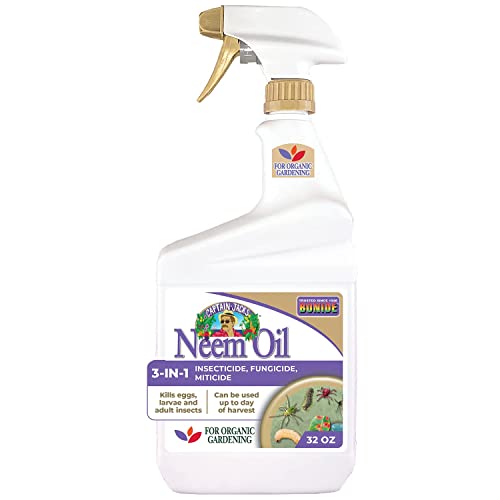
Protect your oasis with 3 garden products in 1 from Captain Jack’s; Bonide Captain Jack’s Ready-to-Use Neem Oil spray for plants is a multi-purpose fungicide, insecticide and miticide for your lawn & garden

FUNGAL DISEASE CONTROL: Prevents and controls black spot on roses, powdery mildew, rust, downy mildew, and other listed fungal diseases when applied on a 7–14 day schedule

3 GARDEN PRODUCTS IN 1: Fungicide, insecticide & miticide kills eggs, larvae & adult stages of insects
Additional Advice
- Share your bountiful harvest with friends and neighbors
- Get creative with recipes using your freshly picked produce
Conclusion
Harvesting and enjoying cucumbers and cantaloupe together can be a rewarding experience. Remember to pick your cucumbers frequently and choose firm, deep green ones. For cantaloupe, wait for that sweet fragrance and the brown, shriveled stem before harvesting. Whether you use cucumbers in salads or pickling, or enjoy cantaloupe sliced or in smoothies, the key is to savor the fresh flavors. Pay attention to pest control and watering needs to ensure a bountiful harvest. Get creative with recipes to make the most of your homegrown produce. Happy gardening and enjoy the fruits of your labor!
Frequently Asked Questions
Can cucumbers and cantaloupe be planted together?
Yes, cucumbers and cantaloupe can be planted together for a mutually beneficial relationship.
How should cucumbers be harvested?
Cucumbers should be harvested frequently for continued growth, picked when firm, deep green using garden shears.
How should cantaloupe be harvested?
Wait for a pleasant fragrance and brown, shriveled stem on cantaloupe before harvesting by twisting or cutting.
What are some ways to enjoy cucumbers from the harvest?
You can enjoy cucumbers in salads or pickling them to savor the fresh harvest.
How can cantaloupe be enjoyed after harvesting?
Cantaloupe can be sliced or used in smoothies for a refreshing treat.
Why is it important to harvest fruits freshly?
Harvesting fruits freshly ensures optimal flavor and nutrition benefits.
What other tips are provided in the article beyond harvesting?
The article offers advice on pest control, watering needs, sharing the harvest, and creative recipe ideas for homegrown produce.
